Top 2 Caves around Zafarraya
Best caves around Zafarraya are situated in a region characterized by its mountainous terrain, bordering the provinces of Granada and Málaga. The area is known for its geological formations, including significant cave systems often found within the Sierra Tejeda and Alhama mountain ranges. This landscape has historically provided natural shelters and served as important sites for prehistoric human occupation. The Zafarraya Gap, a deep valley, further defines the area's natural features.
Best caves around Zafarraya
- The most popular caves is…
Last updated: August 14, 2026
Ermita de Nuestra Señora de Los Ángeles
Highlight • Religious Site
Translated by Google •
Tip by

Fájara Cave
Highlight • Cave
Translated by Google •
Tip by

Sign up now to discover places like this
Get recommendations on the best single tracks, peaks, & plenty of other exciting outdoor places.
Sign up for free
Morrón de Mal Infierno
Highlight • Natural Monument
Translated by Google •
Tip by

Cueva Oreí
Highlight • Cave
Translated by Google •
Tip by

Toma y Bebe Cave
Highlight • Cave
Tip by

Sign up for free to discover even more caves around Zafarraya.
Sign up for free
Already have an account?
Start today with a free account
Your next adventure awaits.
Login or Signup
Tips from the Community

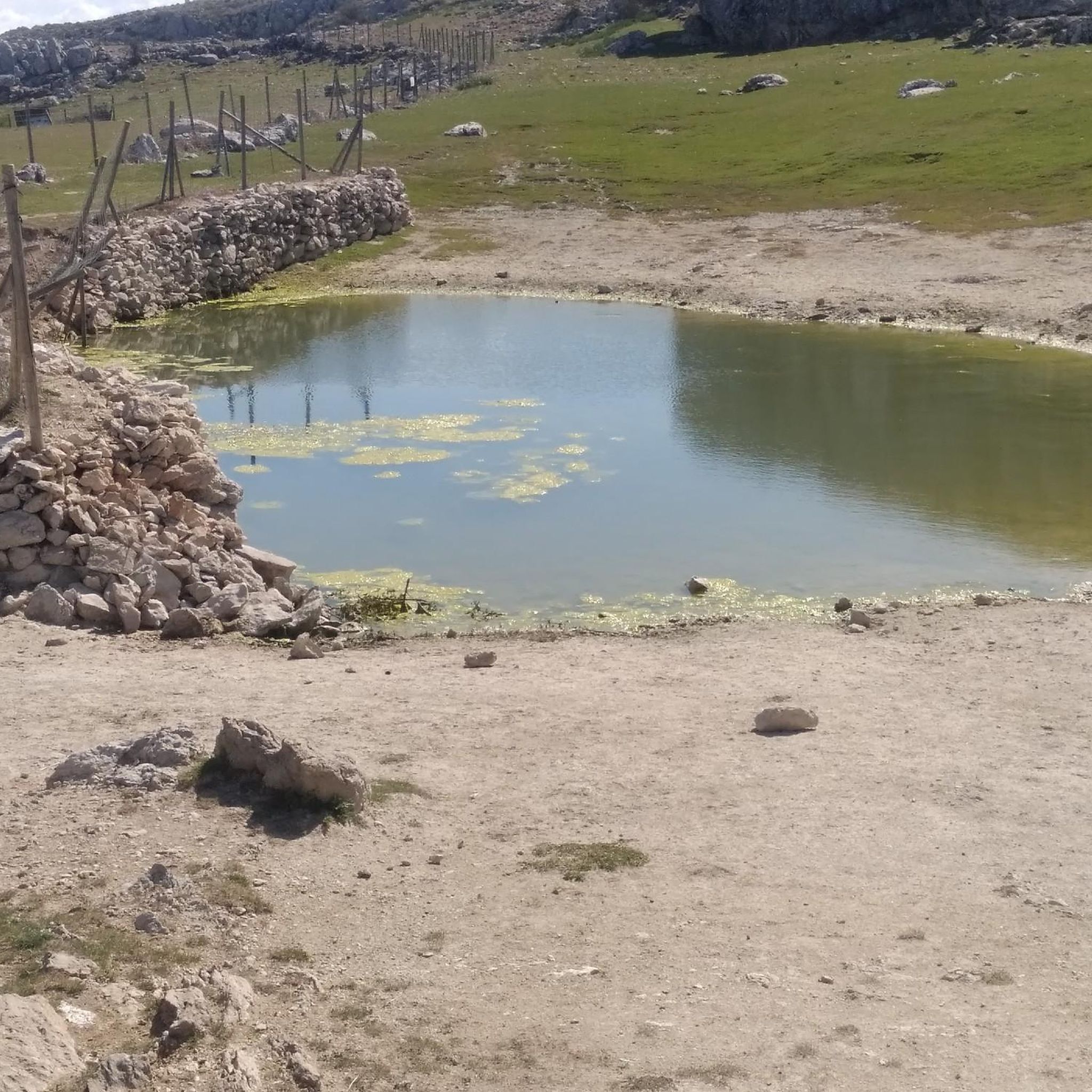
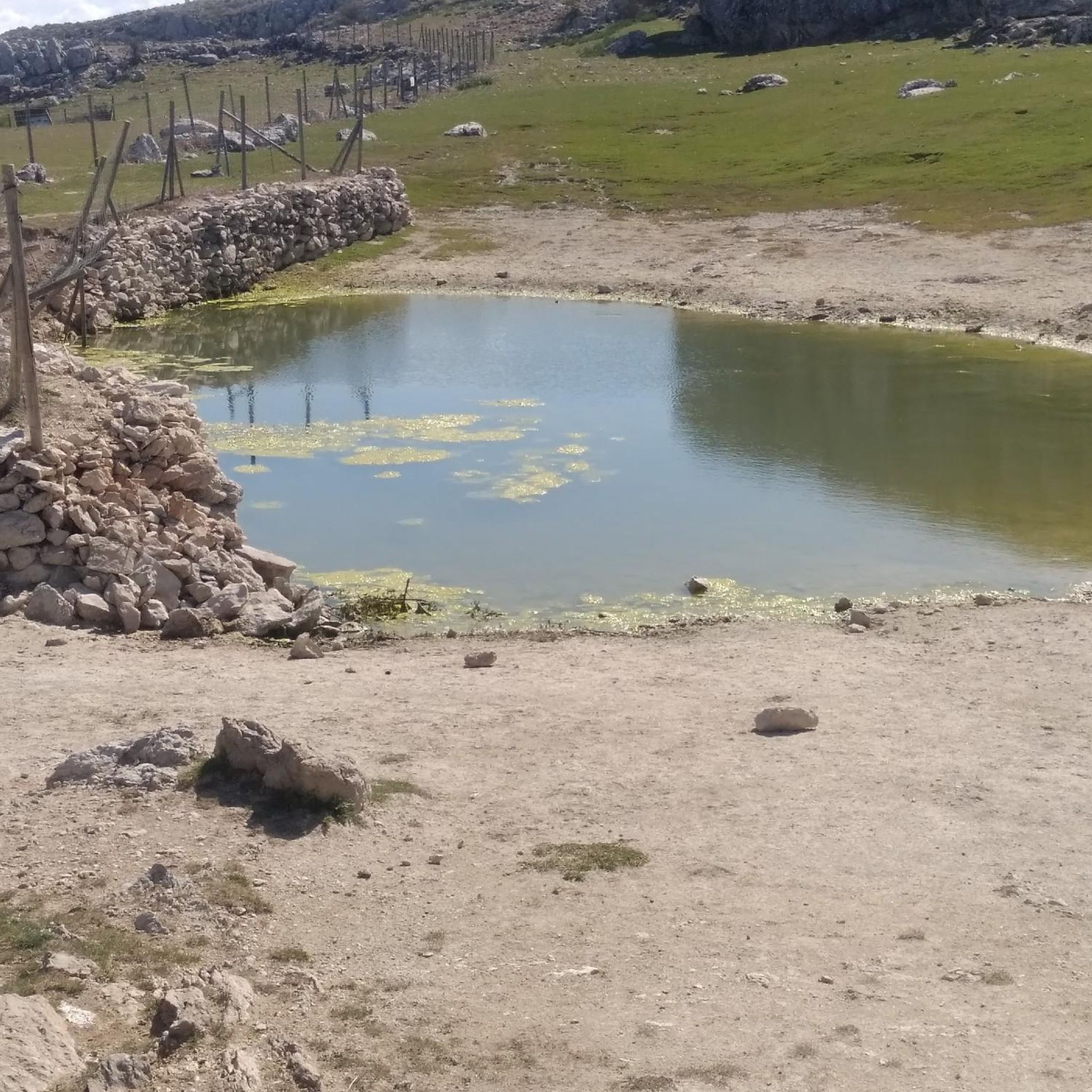
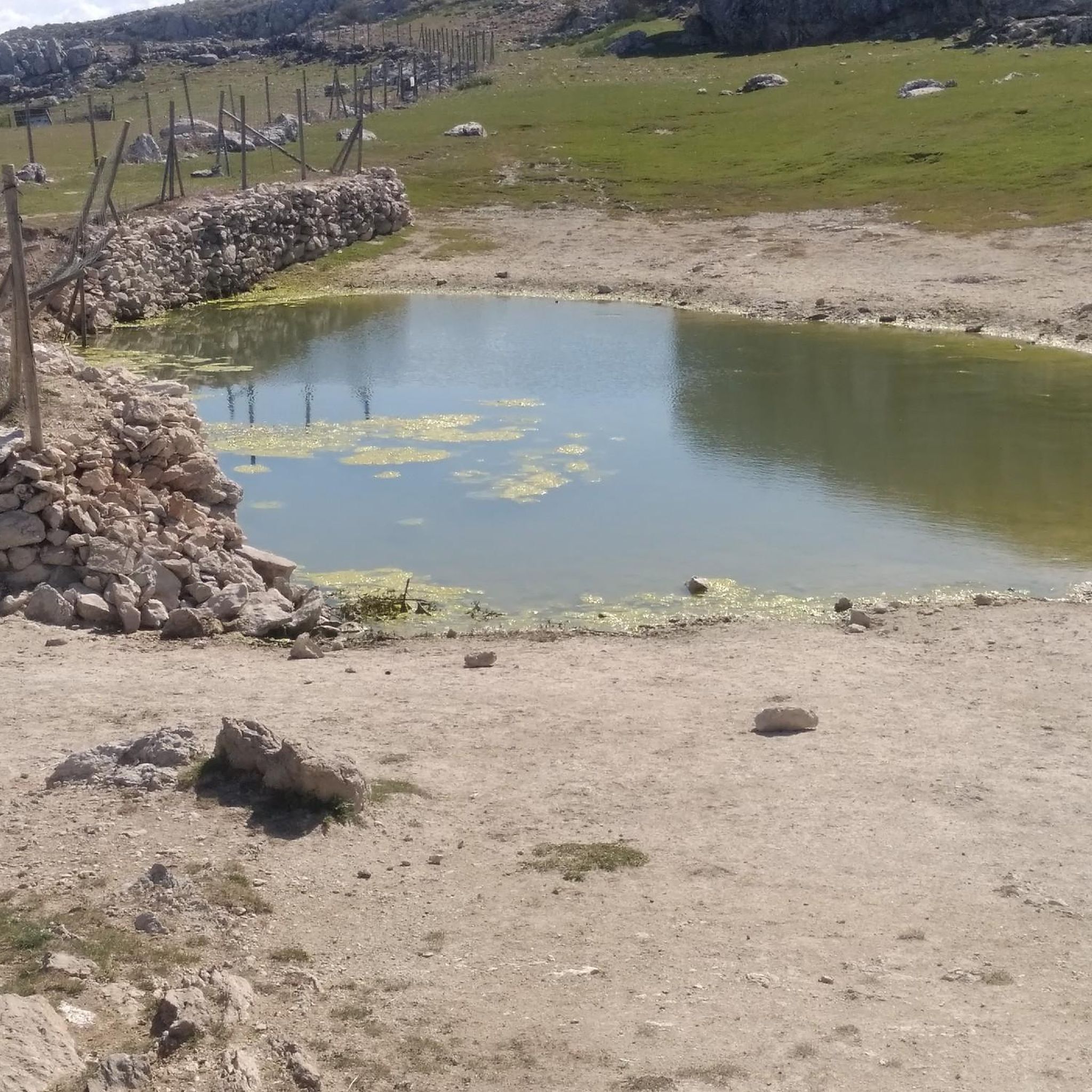
Cueva de Toma y Bebe is a small rock shelter in the Sierra de Camarolos, near the Hondonero area. Despite its name, it is more of a shallow overhang than a true cave. Traditionally, it was used by shepherds and travellers as a temporary refuge, providing shelter from sun, rain and wind. Today, the site is a minor point of interest along several hiking routes. It offers a glimpse into the practical use of natural shelters in the mountains before modern infrastructure reached these remote areas.
0
0

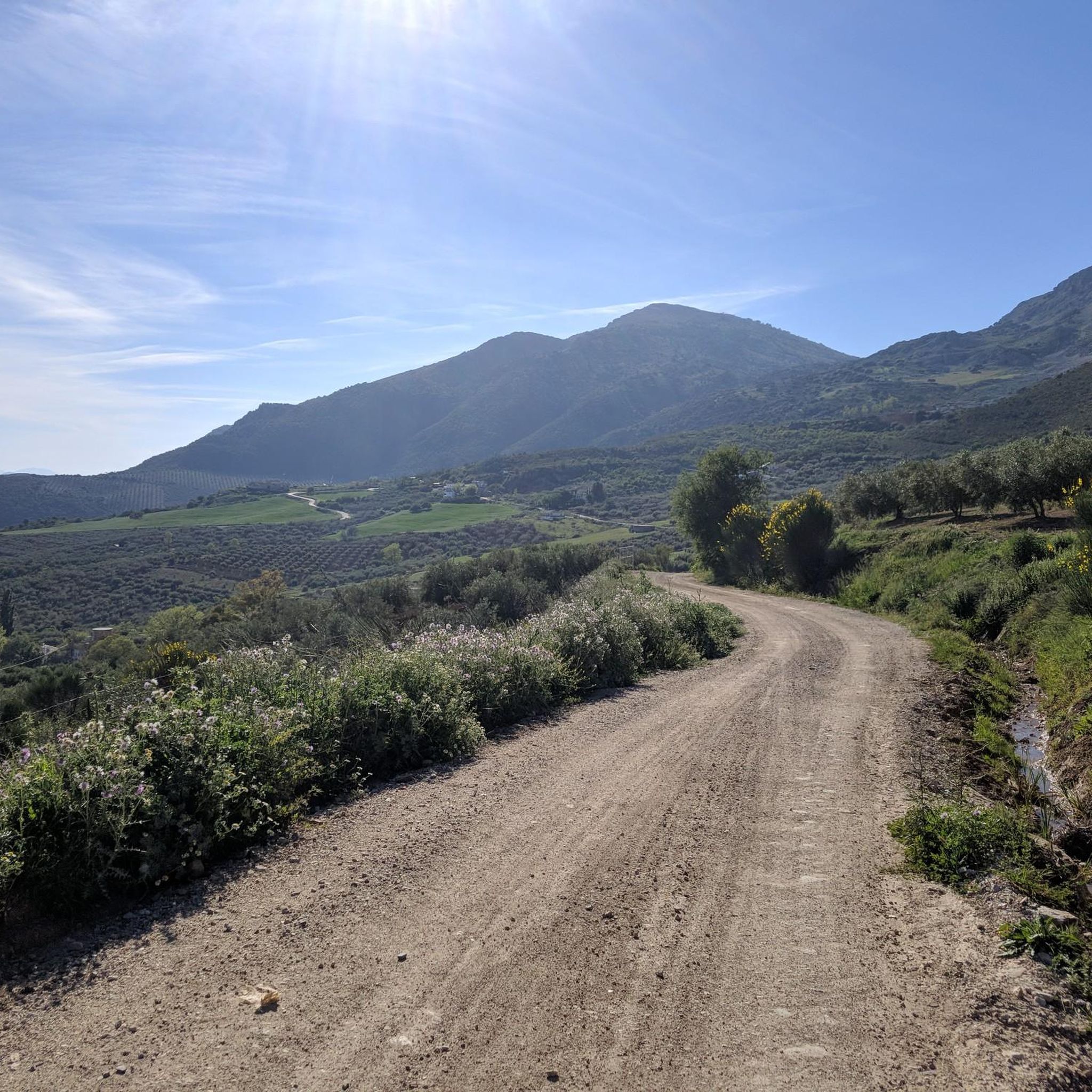
The Hermitage of Our Lady of the Angels is located on the Camino de la Trucha, which runs parallel to the Alhama or Marchán River, at the foot of the impressive Alhama Cliffs. There are two routes to reach the hermitage from the village. One is a wide dirt road that begins at the school, and another, which we liked the most, leads through one of the most beautiful places in Alhama. It begins at the old Pérez cinema, passes through the flour mills, and passes through some washhouses carved into the rock itself.
0
0

A charming chapel. Dating back to 1500, it is connected to a beautiful legend about a horse, which is told from generation to generation. See the footprints of the hooves on the rocks!
1
0

Within the Bosque de Las Morillas is this curious rock formation with some caves that make it even more striking to look at.
1
0
Curious rock formation with some caves that make it even more striking to look at.
2
0

To do caving in this cave it is necessary to have the appropriate knowledge and equipment, in addition to requesting special permits.
1
0
This cave is located to the left of the shelter. To enter it is necessary to be equipped.
1
2

When you reach the signpost, you only see the upper part. This looks like a normal cave. As you get closer, you reach a huge hole in the cliff face through which you can look down into the Axarquia. Really spectacular!
1
0
Frequently Asked Questions
What are the most notable caves to explore around Zafarraya?
While Zafarraya is known for its archaeological significance, several caves and rock shelters offer unique experiences. The Fájara Cave is a challenging caving spot requiring special permits and equipment. For a historical and natural blend, consider the Ermita de Nuestra Señora de Los Ángeles, a charming chapel connected to a cave with a local legend. The Morrón de Mal Infierno offers curious rock formations with small caves and great views, while Toma y Bebe Cave is a historic rock shelter used by shepherds.
Is the Boquete de Zafarraya Cave accessible to the public?
The Boquete de Zafarraya Cave is primarily an archaeological site renowned for its Neanderthal remains. While not a typical tourist cave with extensive formations, its immense scientific value makes it significant. Access for general tourism is often managed through archaeological associations that organize educational workshops and guided tours, rather than being freely open to the public.
What kind of historical or archaeological significance do the caves in this region hold?
The region, particularly the Boquete de Zafarraya Cave, is a crucial Paleolithic site. It contains one of the most extensive preserved sequences of human occupation, from the Middle Paleolithic to the Neolithic period, and even evidence of medieval use. Notably, exceptionally well-preserved Neanderthal remains, including a jawbone, have been found here, making it vital for understanding the late survival of Neanderthal populations in Western Europe.
Are there any caves suitable for beginners or families around Zafarraya?
For a less strenuous experience, the Ermita de Nuestra Señora de Los Ángeles offers a cultural and natural outing, accessible via a wide dirt road. The Morrón de Mal Infierno also features curious rock formations and small caves within a forest setting, which can be interesting for families. The Toma y Bebe Cave is more of a shallow overhang, offering a glimpse into historical natural shelters without requiring specialized caving skills.
What permits or equipment are needed for caving in the Zafarraya area?
For challenging caves like Fájara Cave, it is essential to have appropriate knowledge and specialized equipment. Additionally, special permits are required to enter. It is advisable to contact local caving associations or authorities to understand the specific requirements and obtain necessary permissions before planning any caving expedition.
What outdoor activities can I combine with a visit to the caves?
The area around Zafarraya offers various outdoor activities. You can find numerous routes for cycling, including cycling tours and traffic-free bike rides. For those who enjoy running, there are several running trails, such as the moderate 'Forest of Las Morillas – circular from Alfarnate (PR-A 268)' route. Many of these routes pass through scenic landscapes, offering a great way to explore the region's natural beauty.
Are there any viewpoints or scenic spots near the caves?
Yes, several caves are located near scenic viewpoints. The Morrón de Mal Infierno is a natural monument with caves that also serves as a viewpoint. Similarly, Cueva Oreí is categorized as both a cave and a viewpoint, offering picturesque vistas of the surrounding landscape. The Boquete de Zafarraya itself is situated at an altitude of approximately 1,100 meters, overlooking an impressive gorge.
What is the best time of year to visit the caves around Zafarraya?
The Zafarraya region experiences a Mediterranean climate. Spring (April-May) and autumn (September-October) generally offer the most pleasant weather for outdoor activities and cave exploration, with milder temperatures. Summers can be hot, and winters can be cooler, especially at higher altitudes like the Boquete de Zafarraya. Always check local weather forecasts before your visit, especially if planning caving activities.
Can I bring my dog on trails near the caves?
While specific regulations for each cave or natural area may vary, many hiking trails in the Zafarraya region are dog-friendly. It's always recommended to keep dogs on a leash and ensure you clean up after them. For specific trails, look for information on local signage or consult with regional tourism offices to confirm dog-friendly policies.
Are there any cafes or restaurants near the caves for refreshments?
The caves are often located in more natural or remote settings. For dining options, you would typically need to head to nearby towns and villages such as Zafarraya itself, or other municipalities like Alcaucín or Ventas de Zafarraya, which are close to the Boquete de Zafarraya Cave. These towns offer a selection of local restaurants and cafes where you can find refreshments and traditional cuisine.
What makes the Ermita de Nuestra Señora de Los Ángeles a unique cave experience?
The Ermita de Nuestra Señora de Los Ángeles is unique because it's a charming chapel dating back to 1500, built into or connected to a cave. It's steeped in a beautiful local legend about a horse, with visitors often seeking out the legendary hoof prints on the rocks. It offers a blend of natural beauty, history, and local folklore, making it a culturally rich experience.
Most popular attractions around Zafarraya

Get inspired with the komoot mobile app


Explore more
Extend your search for the best caves by checking out these guides of the top ones around Zafarraya:
