Top 6 Gorges around Abella De La Conca
Best canyons around Abella De La Conca are situated in the scenic Lleida region of Catalonia, offering access to diverse natural features. The area is characterized by its limestone formations, river valleys, and narrow gorges. These geological features provide opportunities for aquatic trekking and canyoning activities. The landscape includes towering rock walls and natural pools, making it a notable destination for outdoor exploration.
Best canyons around Abella De La Conca
- The most popular canyons is L'Argenteria Cliffs and Waterfall, a waterfall that is located on the side of the Argenteria tunnel, along the old road to the Noguera Pallaresa river gorge. This rocky wall waterfall in the Barranc de Collegats is noted for its impressive natural structure.
- Another must-see spot is Collegats Gorge, a gorge and viewpoint. This narrow river valley features a landscape with mountains and offers breaks with views.
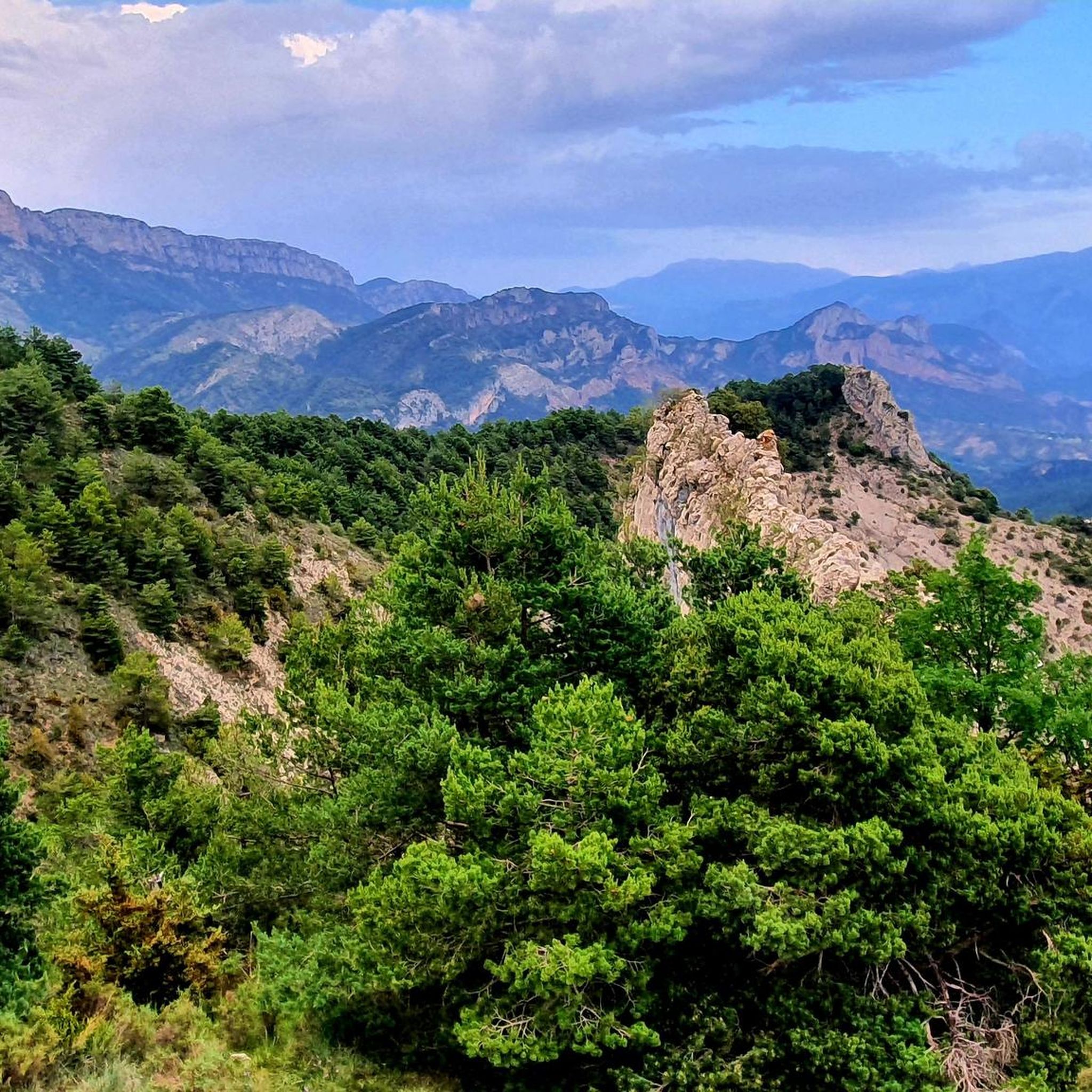
- Visitors also love Cingles de Pessonada, a gorge with challenging terrain. The path near these precipices provides viewpoints of the Carreu valley and the Montsec mountains.
- Abella De La Conca is known for its gorges, waterfalls, and river valleys. The area offers a variety of natural formations to explore, from narrow sections to expansive viewpoints.
- The canyons around Abella De La Conca are appreciated by the komoot community, with more than 10 upvotes and 9 photos shared by visitors.
Last updated: May 23, 2026
L'Argenteria Cliffs and Waterfall
Highlight • Waterfall
Translated by Google •
Tip by

Collegats Gorge
Highlight • Gorge
Translated by Google •
Tip by

Sign up now to discover places like this
Get recommendations on the best single tracks, peaks, & plenty of other exciting outdoor places.
Sign up for free
Coma d'Orient Valley
Highlight • Gorge
It is located at the north-eastern end of the term, at the foot of the Serra de Boumort (north-west). It is a wide coma formed by the ravine of the Coma d'Orient, which later transforms into the ravine of Hell. In the center of the coma there is a grouping of bordes, some old farmhouses, known as Masos de la Coma. They belong to Hortoneda families.
The most western is Borda d'Aubarell; then there was that of the Musician, missing; then came the grouping of banks in the central area of the coma, the Clot de la Ginebrosa: the Borda de Senllí, the Borda de Maladent, the Borda del Gorret and the Borda d'Isabel, the first two with a second construction that is a beating; further east is the Pletiu del Querolar, where there was the board of that name, and even further east there had been the Borda de Savoia. Like most bordes, they host a stable seasonal population, from spring to fall. (Source Wikiloc)
Translated by Google •
Tip by

Abella de la Conca
Highlight • Settlement
Translated by Google •
Tip by

Cingles de Pessonada
Highlight • Gorge
Translated by Google •
Tip by

Sign up for free to discover even more gorges around Abella De La Conca.
Sign up for free
Already have an account?
Start today with a free account
Your next adventure awaits.
Login or Signup
Tips from the Community


The Coma d'Orient is a coma and a rural part of the municipality of Conca de Dalt, in lands of the old municipality of Hortoneda de la Conca, in the Pallars Jussà. It is located at the north-eastern end of the term, at the foot of the Serra de Boumort (north-west). It is a wide coma formed by the ravine of the Coma d'Orient, which later transforms into the ravine of Hell. In the center of the coma there is a grouping of bordes, some old farmhouses, known as Masos de la Coma. They belong to Hortoneda families. The most western is Borda d'Aubarell; then there was that of the Musician, missing; then came the grouping of banks in the central area of the coma, the Clot de la Ginebrosa: the Borda de Senllí, the Borda de Maladent, the Borda del Gorret and the Borda d'Isabel, the first two with a second construction that is a beating; further east is the Pletiu del Querolar, where there was the board of that name, and even further east there had been the Borda de Savoia. Like most bordes, they host a stable seasonal population, from spring to fall. (Source Wikiloc)
0
0

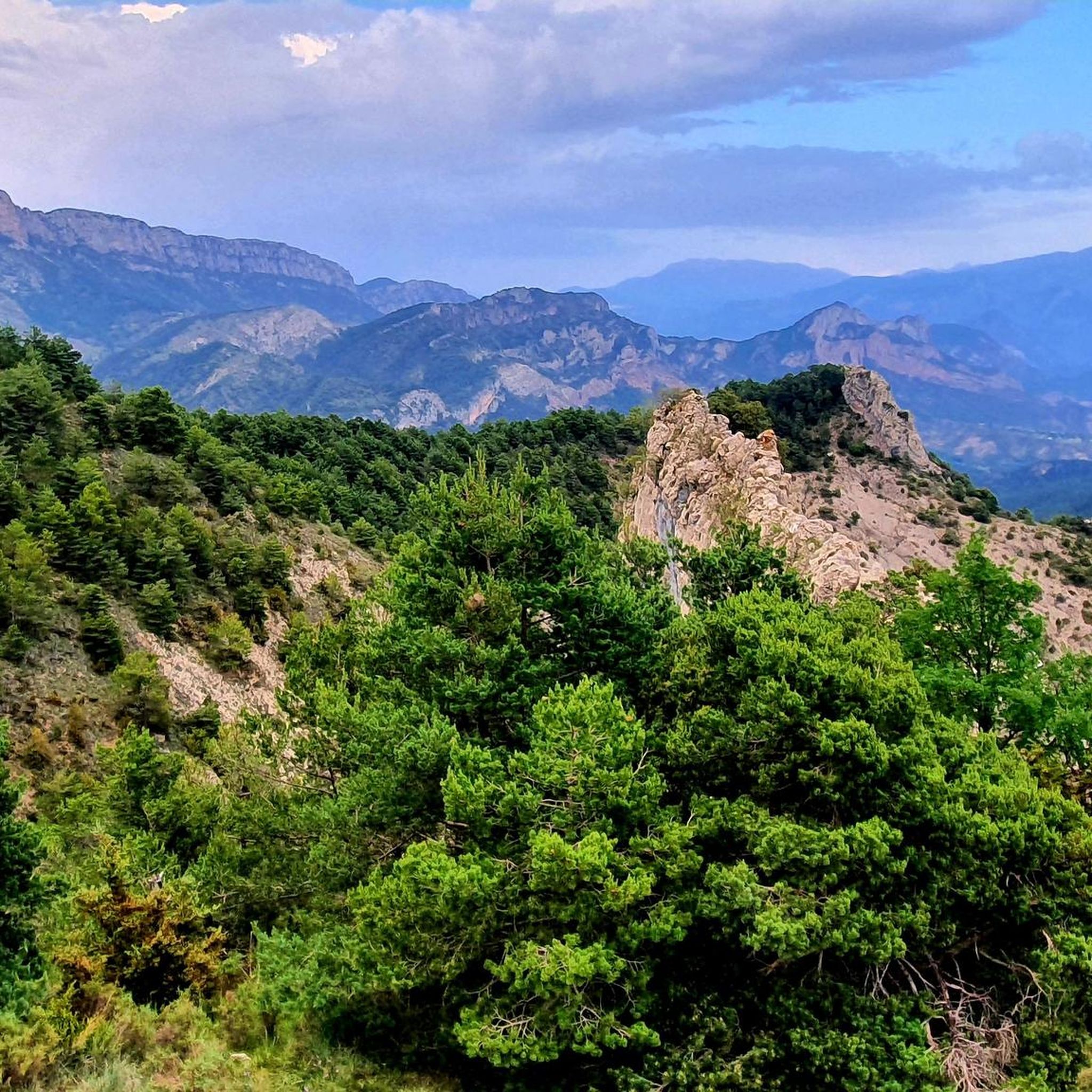
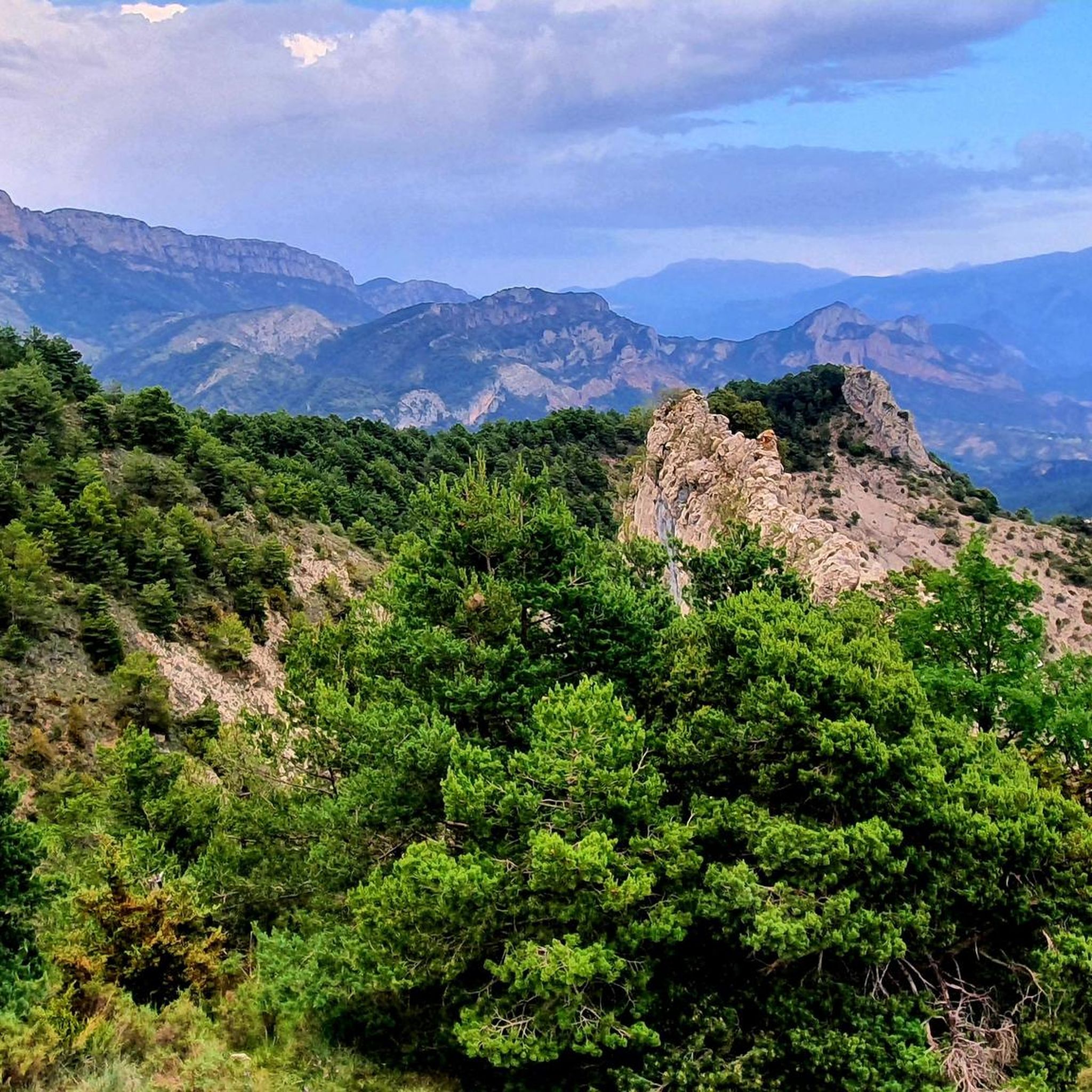
The path passes near the precipices that form the Cingles de Pessonada, with extraordinary viewpoints of the Carreu valley and the Montsec mountains.
0
0

Beautiful breaks with a great view
0
1

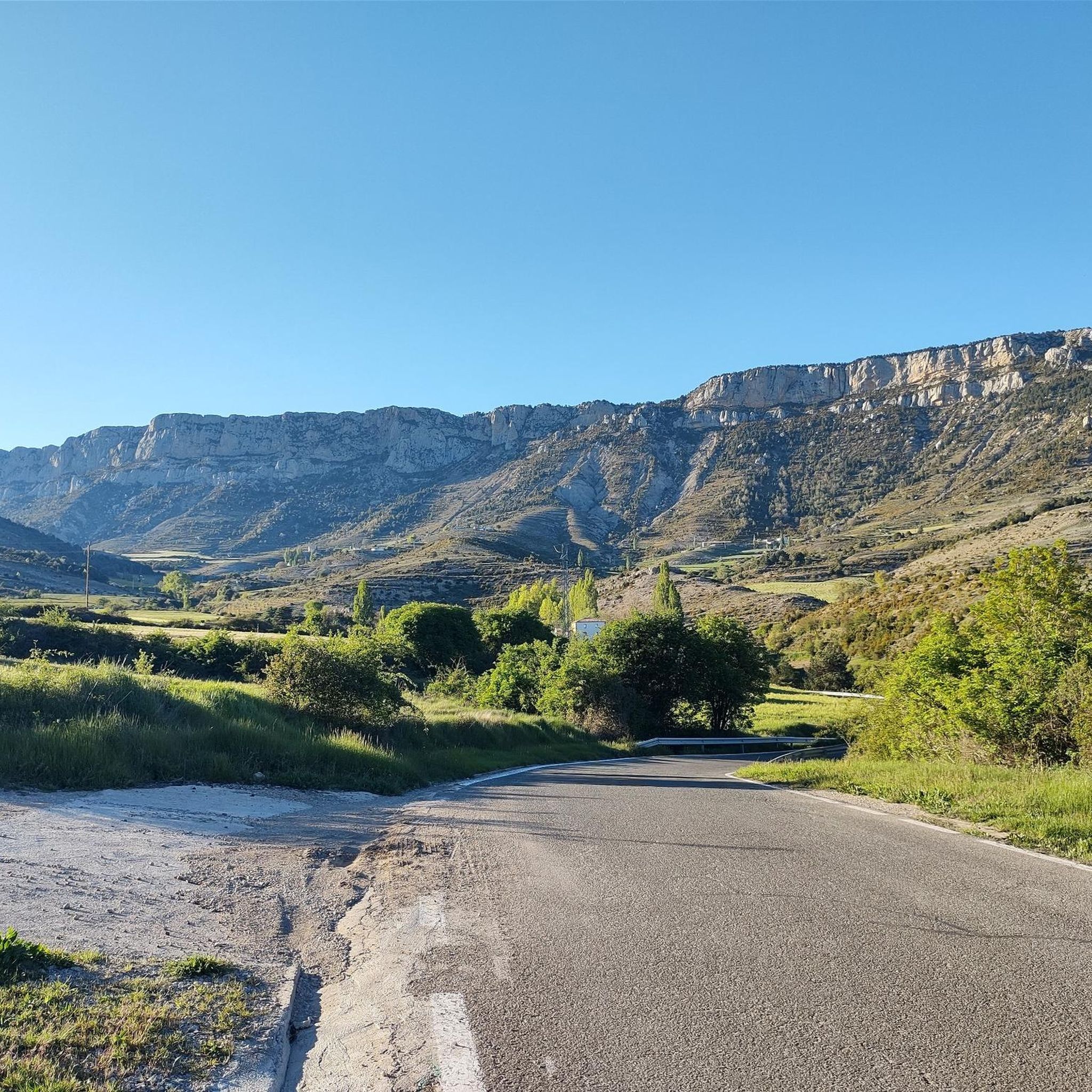
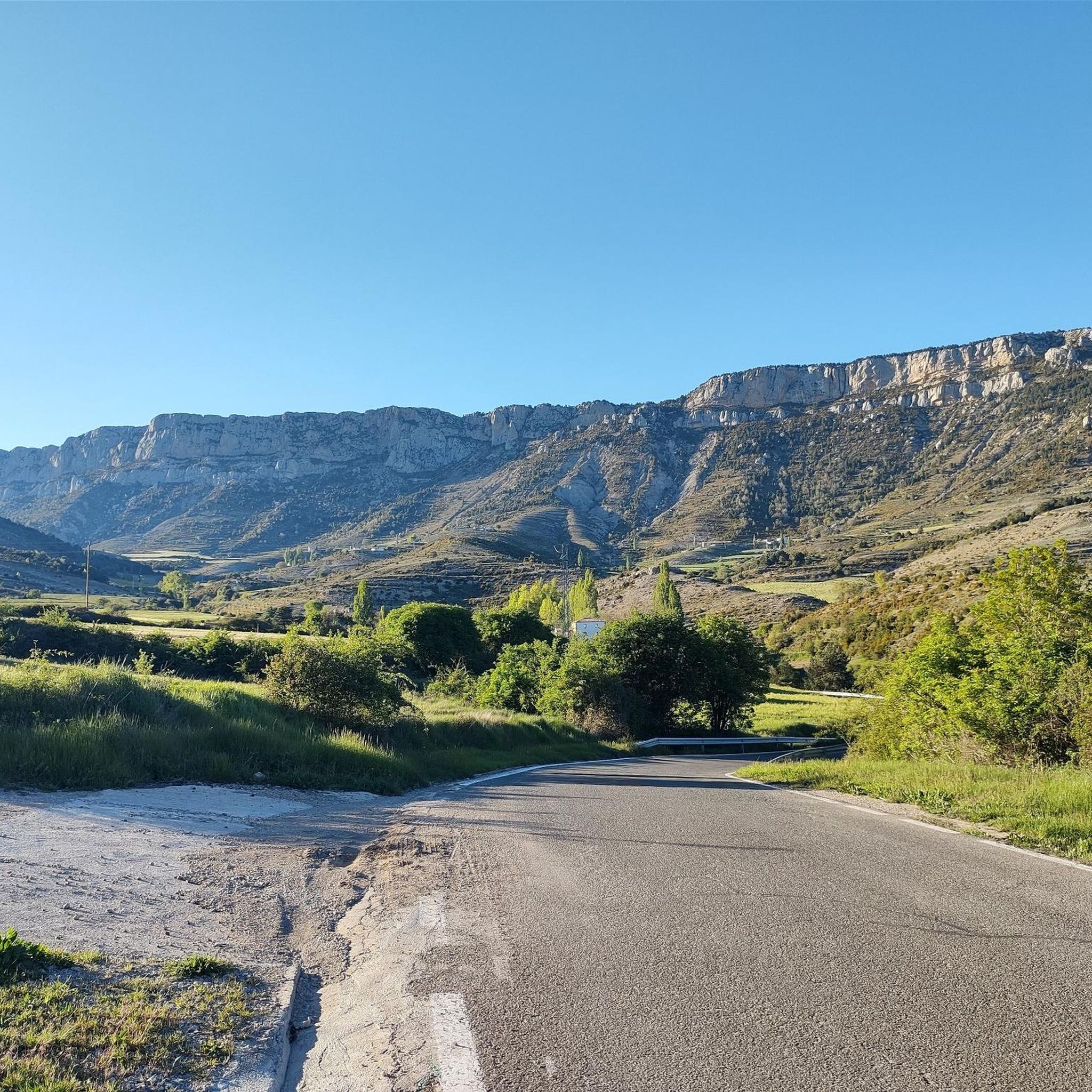
The narrow river valley of the Rio Noguera bears a close resemblance to the canyon of the Virgin River in Zion NP. The mountains have a similarity to The Sentinel and throne of Sinawawa
0
0

Nice town located in the Pallars Jussá region. We can visit its castle, the Romanesque church or walk through the narrow streets. A magnificent opportunity to discover this small town is the day of the honey fair in Abella de la Conca.
0
0

A very beautiful town nestled in the middle of the Serra de Carreu-Sant Corneli. But close to the town is the Forat de l'Abella, a small gorge surrounded by vertical limestone walls.
0
0

Side of the Argenteria tunnel, old road to the Noguera Pallaresa river gorge
8
0
Frequently Asked Questions
What are the most popular canyons and gorges around Abella de la Conca?
The region offers several notable canyons and gorges. Among the most popular are L'Argenteria Cliffs and Waterfall, known for its impressive natural structure in the Barranc de Collegats, and Collegats Gorge, a narrow river valley offering spectacular views. Visitors also appreciate Cingles de Pessonada, which provides challenging terrain and extraordinary viewpoints of the Carreu valley and Montsec mountains.
Are there family-friendly canyoning options in the area?
Yes, the Forat de Boixols canyon is a family-friendly aquatic ravine featuring rappelling, jumps, and slides in a wild environment with turquoise waters. Additionally, the Perles and Rialb Canyons are considered 'nice and easy' options, ideal for spectacular canyon swimming and rock pool jumping without the need for ropes, making them accessible for a wider range of visitors.
What kind of natural features can I expect to see in the canyons around Abella de la Conca?
You can expect to see diverse natural features, including towering rock walls, crystal-clear turquoise waters, and natural pools. The area is characterized by limestone formations, river valleys, and narrow gorges. Highlights like L'Argenteria Cliffs and Waterfall showcase impressive rock structures, while Collegats Gorge offers stunning river valley landscapes.
What is the best time to visit the canyons for canyoning activities?
The optimal time to visit for canyoning varies by canyon. Forat de Boixols is best enjoyed during spring and summer. Barranc del Gurp is ideal in spring, as it can largely dry up in the summer. Generally, spring and summer offer the most suitable conditions for aquatic activities in the region's canyons.
Are there any historical landmarks or points of interest near the canyons?
Yes, the region has historical significance. Near the Forat de Boixols canyon, you can find an 11th-century medieval bridge, also known as 'Pont del Plomall.' The town of Abella de la Conca itself is a historical site where you can visit its castle and a Romanesque church.
What are the difficulty levels of canyoning routes in Abella de la Conca?
The canyons offer a range of difficulty levels. Sant Pere canyon in Congost de Collegats is an excellent entry point for those new to rope techniques. Barranc del Gurp is moderately difficult, suitable for both beginners and more experienced canyoners. Barranc del Infern is of intermediate difficulty, featuring various rappels, slides, and jumps. Forat de Boixols is considered adventurous but family-friendly.
What kind of geological formations are typical in the canyons of this region?
The canyons around Abella de la Conca are primarily carved through limestone and conglomerate rock. You'll encounter spectacular formations, including high walls, narrow sections, and natural jacuzzis. The Collegats Gorge, for instance, features impressive limestone formations, and Sant Pere canyon is carved through incredible conglomerate rock.
What other outdoor activities can I do near the canyons?
Beyond canyoning, the area around Abella de la Conca offers various outdoor activities. You can explore numerous hiking trails, including routes to Sant Pere de Vilanoveta or Pico de Boumort. There are also road cycling routes, such as loops around Pantà de Terradets, and running trails like the Sant Corneli loop.
Are there any canyons that don't require ropes for descent?
Yes, the Perles and Rialb Canyons are notable for not requiring ropes, making them highly accessible. They are ideal for spectacular canyon swimming and rock pool jumping, offering an amazing experience all the way to the famous Forat del Buli without the need for specialized rope techniques.
What makes Barranc del Infern unique?
Known as 'Hell's Canyon,' Barranc del Infern is celebrated for its uniqueness and the impressive 'La Cova de l'Infern' (Hell's Cave). Located in the heart of Congost de Collegats, it boasts spectacular 160-meter high walls and offers activities like rappelling, slides, seasonal siphons, jumps, and swimming, all within a setting of superb views and beautiful natural formations.
What is Forat d'Abella and what does it offer?
The Forat d'Abella, directly located in Abella de la Conca, is a beautiful aquatic trekking route. It is characterized by its very narrow sections and natural jacuzzis, providing a unique opportunity to bathe in canyon pools and experience the village's natural formations. While relatively short, its charm lies in its accessibility and picturesque setting.
What do visitors particularly enjoy about the canyons in Abella de la Conca?
Visitors appreciate the spectacular scenery, including towering rock walls and clear turquoise waters. The opportunities for adventure, such as rappelling, jumping, sliding, and swimming, are highly valued. The unique geological formations and the diverse natural environment make these locations perfect for outdoor enthusiasts seeking both thrill and natural beauty.
Most popular routes around Abella De La Conca
Most popular attractions around Abella De La Conca

Get inspired with the komoot mobile app


Explore more
Already discovered everything in this region? See additional gorges around Abella De La Conca for your next adventure:
