Top 7 Caves around Bétera
Caves around Bétera primarily consist of historical cave dwellings, which are excavated rock structures once inhabited and now preserved for cultural heritage. These unique architectural sites, such as Les Coves de Mallorca, represent a significant part of the region's past. While the immediate vicinity of Bétera is known for these man-made structures, the broader Valencian Community features natural caves with geological formations. The area offers a blend of historical exploration and natural features for visitors.
Best caves around Bétera
- The…
Last updated: June 20, 2026
Santa Inés Cave
Highlight • Cave
Translated by Google •
Tip by

View of Olocau and the Cliffs of Cova del Cavall
Highlight • Viewpoint
Translated by Google •
Tip by

Sign up now to discover places like this
Get recommendations on the best single tracks, peaks, & plenty of other exciting outdoor places.
Sign up for free
Cova del Judío
Highlight • Cave
Translated by Google •
Tip by

Chasm
Highlight • Cave
Translated by Google •
Tip by

Collapse Cave
Highlight • Cave
Translated by Google •
Tip by
Sign up for free to discover even more caves around Bétera.
Sign up for free
Already have an account?
Start today with a free account
Your next adventure awaits.
Login or Signup

Tips from the Community


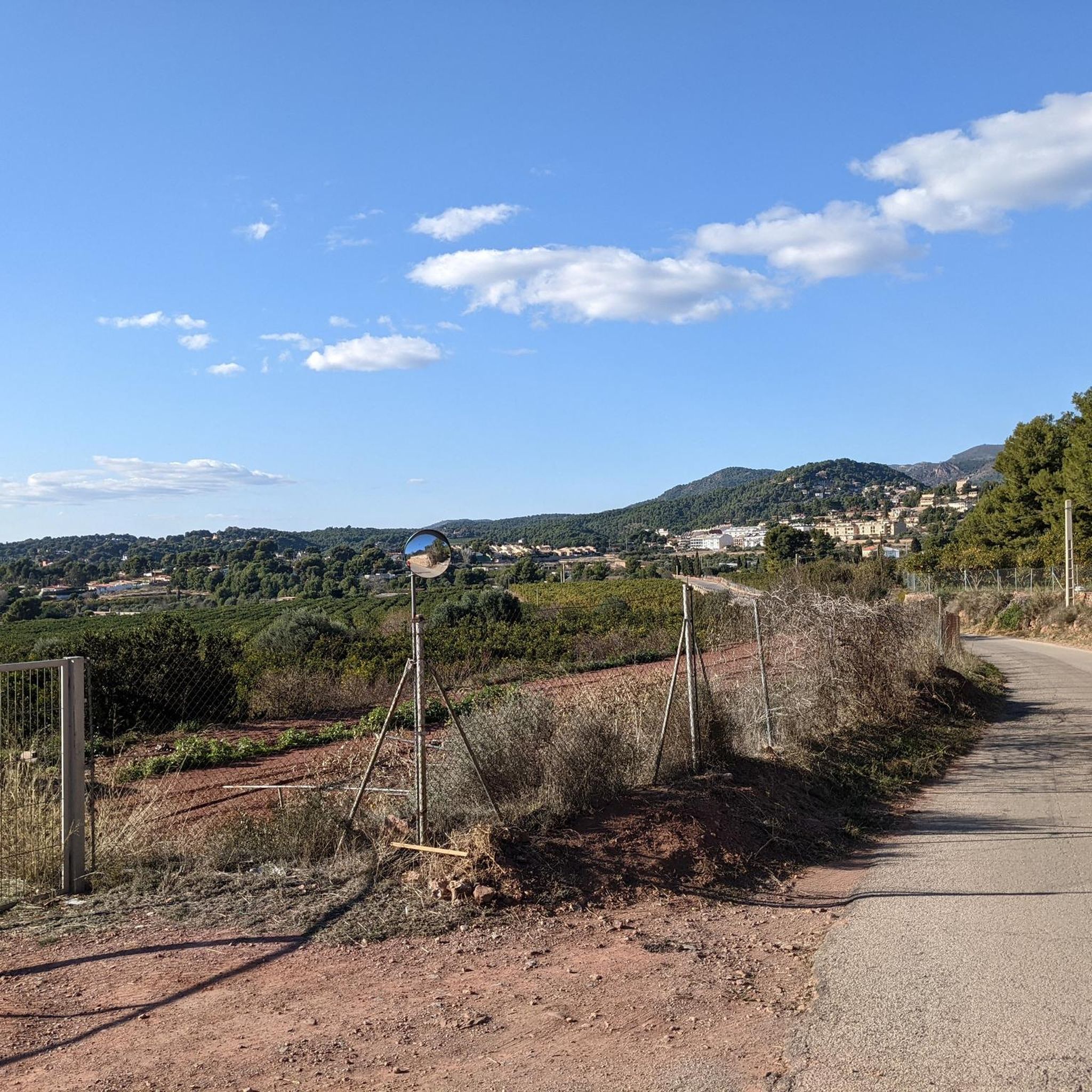
Point from which you can see Olocau and its orchard area in the bed of the Barranco de Olocau. You get there by climbing a path with wooden steps just outside the town, in the park where L'Arquet is. Be careful with the cliff at the top.
0
0

Beautiful cave that is located at the foot of the Rodeno de Santa Agnés mountain and that also offers impressive views of the valley.
0
0


there are spectacular views and cliffs that give vertigo. wear good hiking boots because the route is quite steep at times
2
0

Small cave created by a landslide from the mountain itself, being on the north face of the mountain, it remains a cool place, even in summer.
1
0
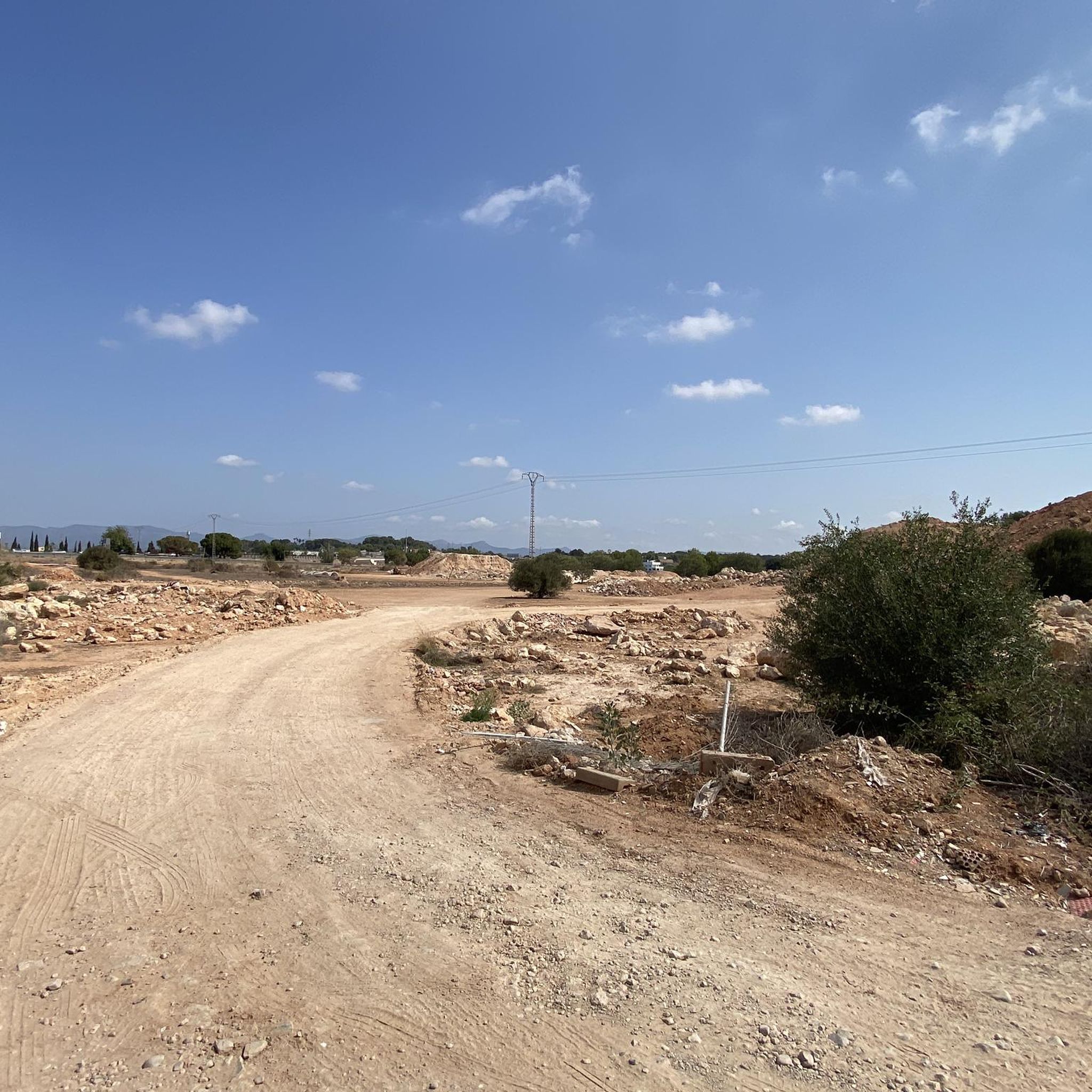
Low-rise mountain, with paths that connect fields and chalets. Interesting to circulate with mountain bikes type xc or all mountain.
0
0
Frequently Asked Questions
What kind of 'caves' can I expect to find in Bétera?
In Bétera, you'll primarily discover historical cave dwellings, which are structures excavated into rock and once inhabited. These represent a unique part of the local architectural heritage. Additionally, the area features natural cave formations like chasms and small rock shelters, such as the Collapse Cave.
Are there any natural caves with geological formations near Bétera?
While Bétera itself is known for its cave dwellings, the broader Valencian Community offers impressive natural caves with geological formations like stalactites and stalagmites. Notable examples include the Coves de Sant Josep (Europe's longest navigable underground river), Cueva de Don Juan, and Cueva del Rull. For an excursion to the Coves de Sant Josep, you can find more information at visitvalencia.com.
What are some notable historical cave dwellings in Bétera?
One significant example is Les Coves de Mallorca. These are houses carved into the rock, spanning a large area and featuring distinctive whitewashed walls, interior corrals, and conical chimneys. They hold historical importance as a unique typology of local architectural heritage.
What are some popular natural cave-like features to visit around Bétera?
Visitors often enjoy the Santa Inés Cave, located at the foot of the Rodeno de Santa Agnés mountain, which offers impressive valley views. Another interesting spot is the Chasm, a deep sima found on the edge of a route around the Carasols geodetic landmark, providing views in various directions.
Are there viewpoints near the caves that offer scenic views?
Yes, the View of Olocau and the Cliffs of Cova del Cavall is a popular spot. It provides spectacular views of Olocau and its orchard area, accessible via a path with wooden steps. The Santa Inés Cave also offers impressive views of the valley.
What outdoor activities can I do near these caves?
The area around Bétera offers various outdoor activities. You can find numerous cycling routes, including touring bicycle routes like the 'From Betera to Lliria — Circular Walk' and road cycling routes such as the 'Natural Park of Serra Calderona — Circular from Bétera'. There are also gravel biking options like the 'Morería Pass – Llentiscle Spring loop'. You can explore more routes in the Cycling around Bétera, Road Cycling Routes around Bétera, and Gravel biking around Bétera guides.
Are there hiking trails near the caves around Bétera?
Yes, many of the cave-like features are integrated into hiking trails. For instance, the Cova del Judío is situated on paths connecting fields and chalets, suitable for mountain biking or hiking. The View of Olocau and the Cliffs of Cova del Cavall also involves a steep path, requiring good hiking boots.
What is the best time to visit the caves and cave dwellings in Bétera?
Given the historical nature of the cave dwellings and the outdoor aspect of the natural features, spring and autumn generally offer the most pleasant weather for exploration. Temperatures are milder, making it comfortable for walking and enjoying the views without the intense heat of summer.
Are the caves and cave dwellings in Bétera family-friendly?
Exploring the historical cave dwellings can be an educational and engaging experience for families, offering a glimpse into past ways of life. Many of the natural features, like the viewpoints, are accessible via paths, though some routes might be steep. Always check the specific difficulty of a trail before heading out with children.
What do visitors enjoy most about the caves and surrounding area in Bétera?
Visitors appreciate the unique blend of cultural heritage found in the excavated cave homes and the natural beauty of the geological features like chasms and rock shelters. The spectacular views from spots like the View of Olocau and the Cliffs of Cova del Cavall are also highly rated, offering a sense of discovery and connection to the region's history and landscape.
Is there parking available near the cave sites in Bétera?
While specific parking details for every cave dwelling or natural feature are not provided, generally, for sites accessible from towns or trailheads, you can expect to find public parking options nearby. For popular viewpoints or cultural sites, designated parking areas are often available.
What should I wear when visiting the caves and trails around Bétera?
For exploring the cave dwellings and natural features, comfortable clothing suitable for walking and sturdy hiking boots are recommended, especially if you plan to tackle steeper paths or uneven terrain. Layers are advisable, particularly during spring and autumn, to adapt to changing temperatures.
Most popular attractions around Bétera

Get inspired with the komoot mobile app


Explore more
Extend your search for the best caves by checking out these guides of the top ones around Bétera:
