Top 4 Caves around La Granada
Best caves around La Granada are found in a region characterized by its natural geological formations. The area features limestone terrain, often with forests and valleys. These subterranean sites offer insights into geological processes and natural landscapes. La Granada provides opportunities for exploring various types of caves.
Best caves around La Granada
- The most popular caves is Cova de Cal Muntaner, a challenging cave located near the Torrent de la Llaureda. It is also known as the Cova del Trapper.
- Another must-see spot is Esquerrà Cave, a challenging natural monument. This site is of interest for speleology.
- Visitors also love Cave of the Muntanyeta, an intermediate cave also known as the Black Cave. It features a small cave-shaped wall with a large block partially closing the front.
- La Granada is known for natural caves, geological formations, and sites suitable for speleology. The region offers a variety of caves to see and explore, from intermediate to challenging.
- The caves around La Granada are appreciated by the komoot community, with 12 upvotes and 5 photos shared by users.
Last updated: May 23, 2026
Cave of the Muntanyeta
Highlight • Cave
The cave can be divided into two parts, to the east, a sector seven and a half meters wide and four meters deep, with a large block that partially closes the front. The western sector is 15 meters wide and is also partially enclosed by an eight meter wall. If we continue inside, we will find a room 12 meters deep and eight meters wide.
Translated by Google •
Tip by

Cova de Cal Muntaner
Highlight • Cave
Translated by Google •
Tip by

Sign up now to discover places like this
Get recommendations on the best single tracks, peaks, & plenty of other exciting outdoor places.
Sign up for free
Esquerrà Cave
Highlight • Cave
Translated by Google •
Tip by

Ordal Cave
Highlight • Cave
Translated by Google •
Tip by

Abric de Can Ximet
Highlight • Cave
Translated by Google •
Tip by
Start today with a free account
Your next adventure awaits.
Login or Signup
Popular around La Granada
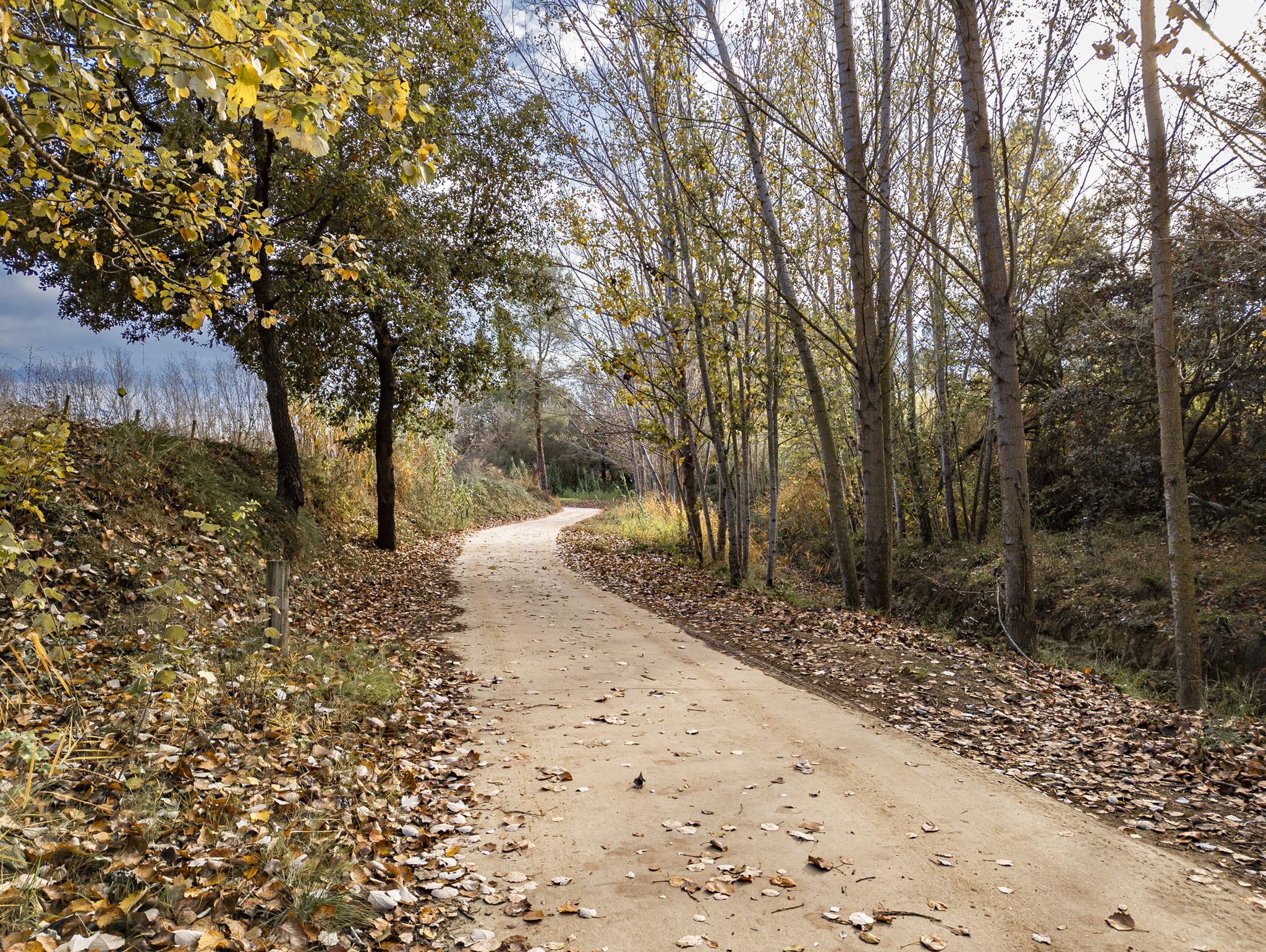
Roads, tracks and trails – Via Augusta Penedès
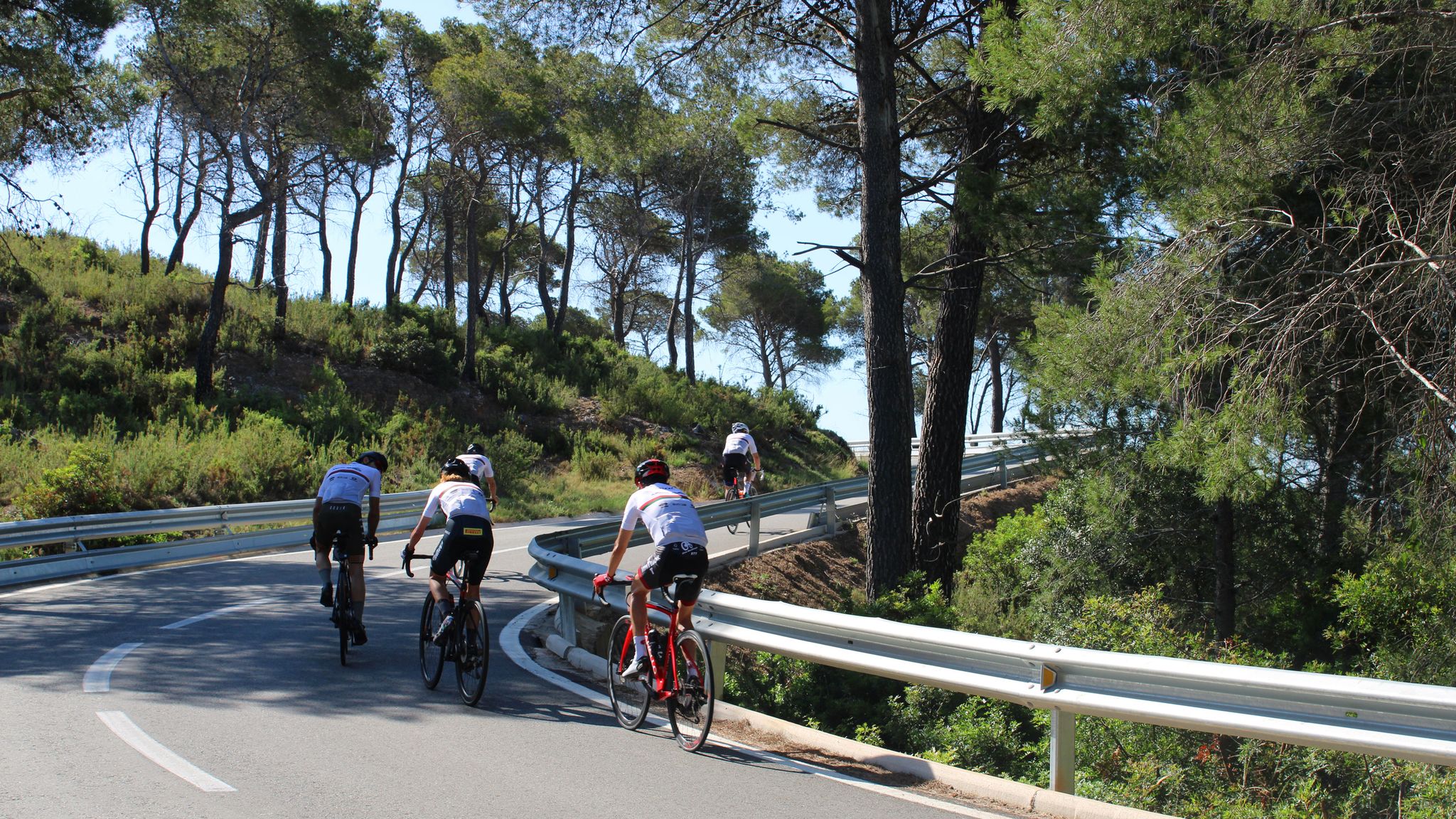
On the road with locals – mountain passes in Penedès
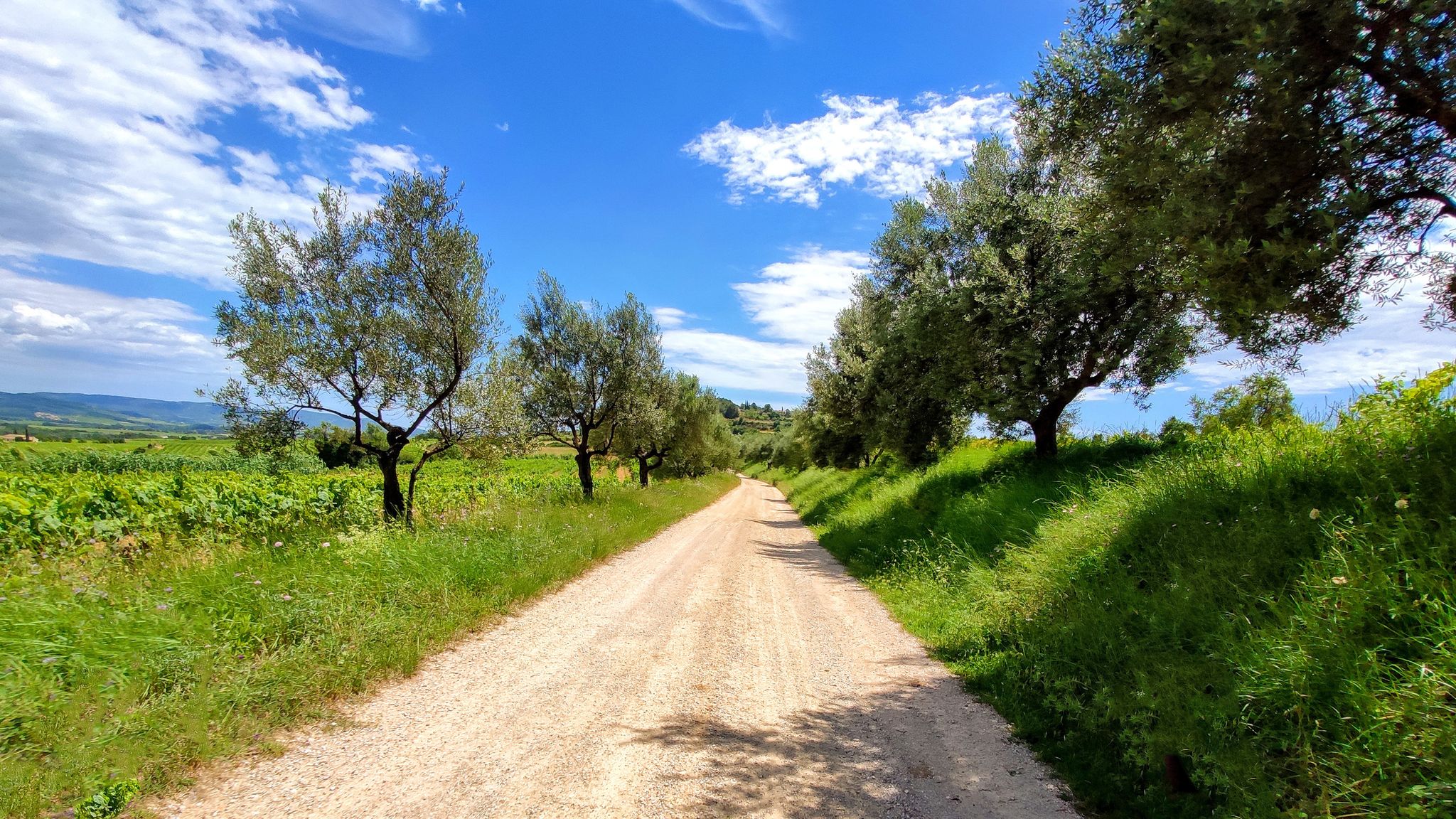
Vineyards, landscape and history – gravel in Spain’s Penedès

Gravel biking around La Granada
Road Cycling Routes around La Granada
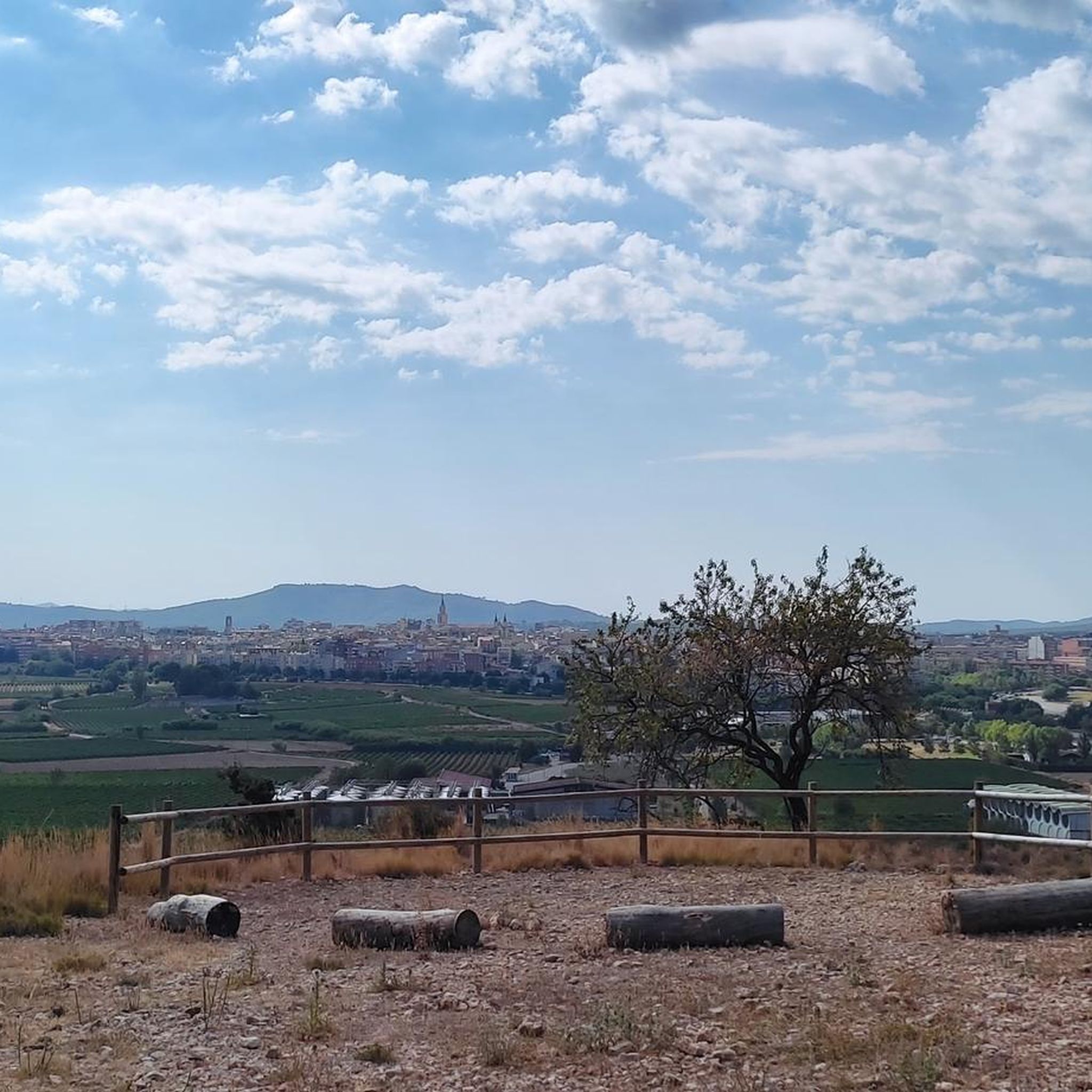
Cycling around La Granada
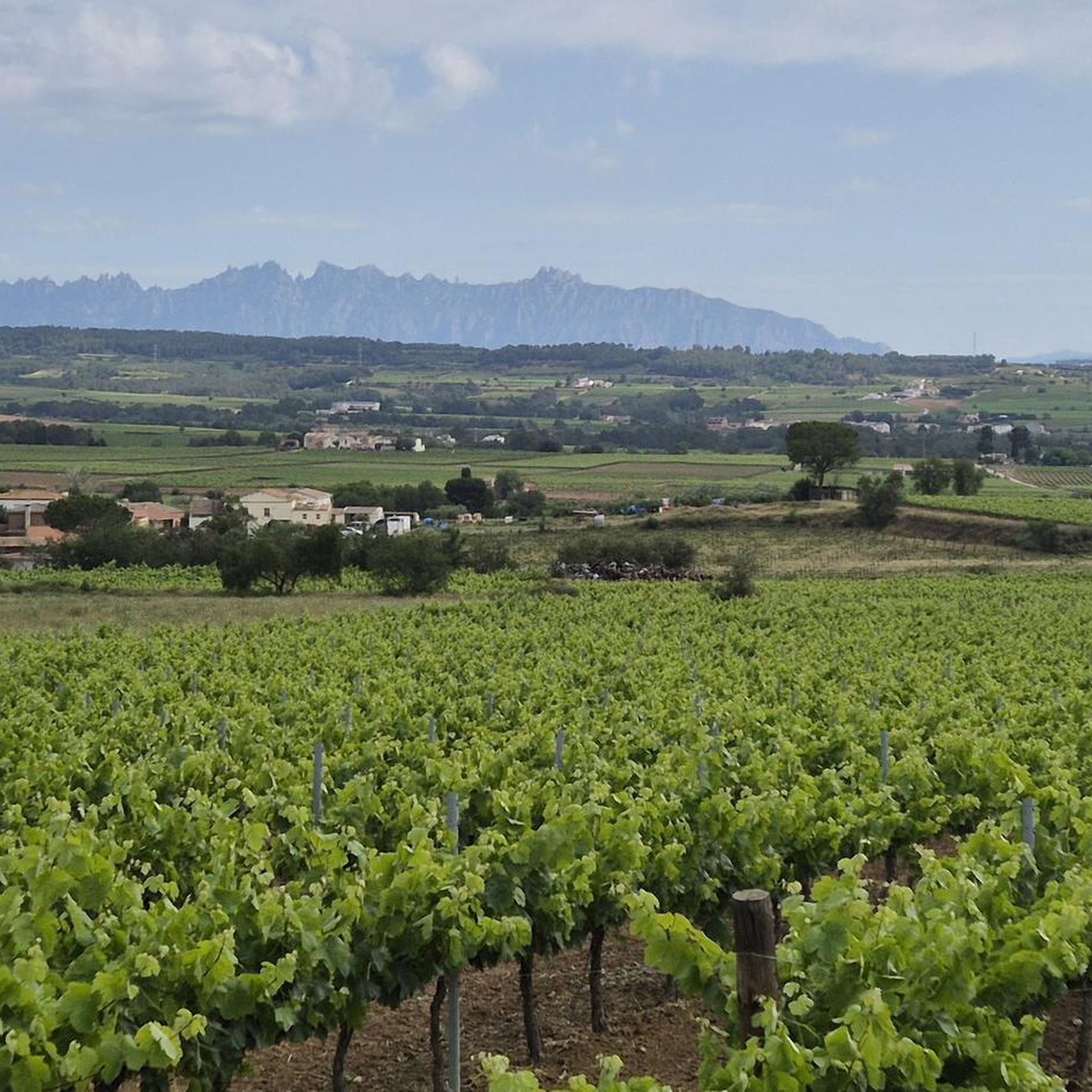
Hiking around La Granada
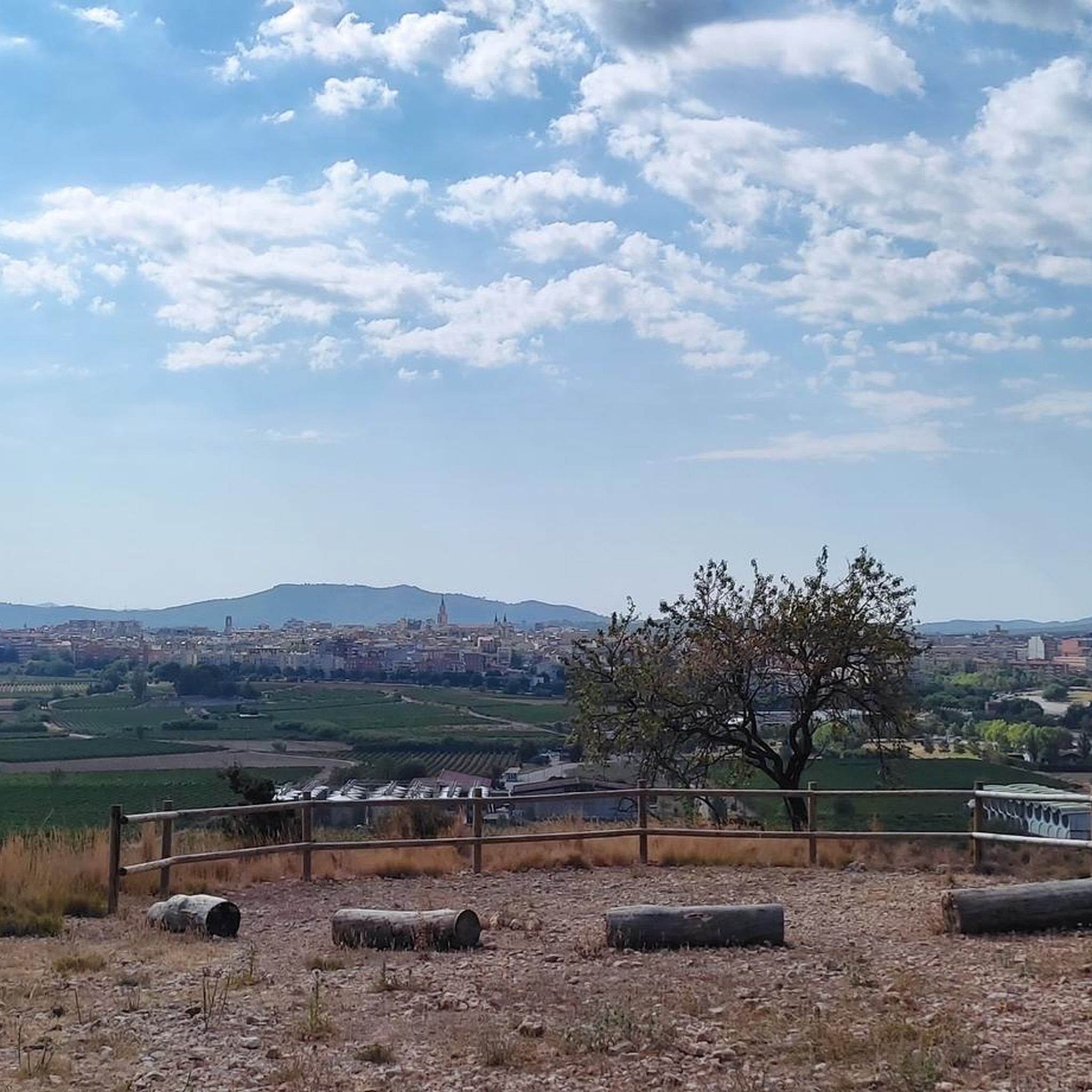
MTB Trails around La Granada
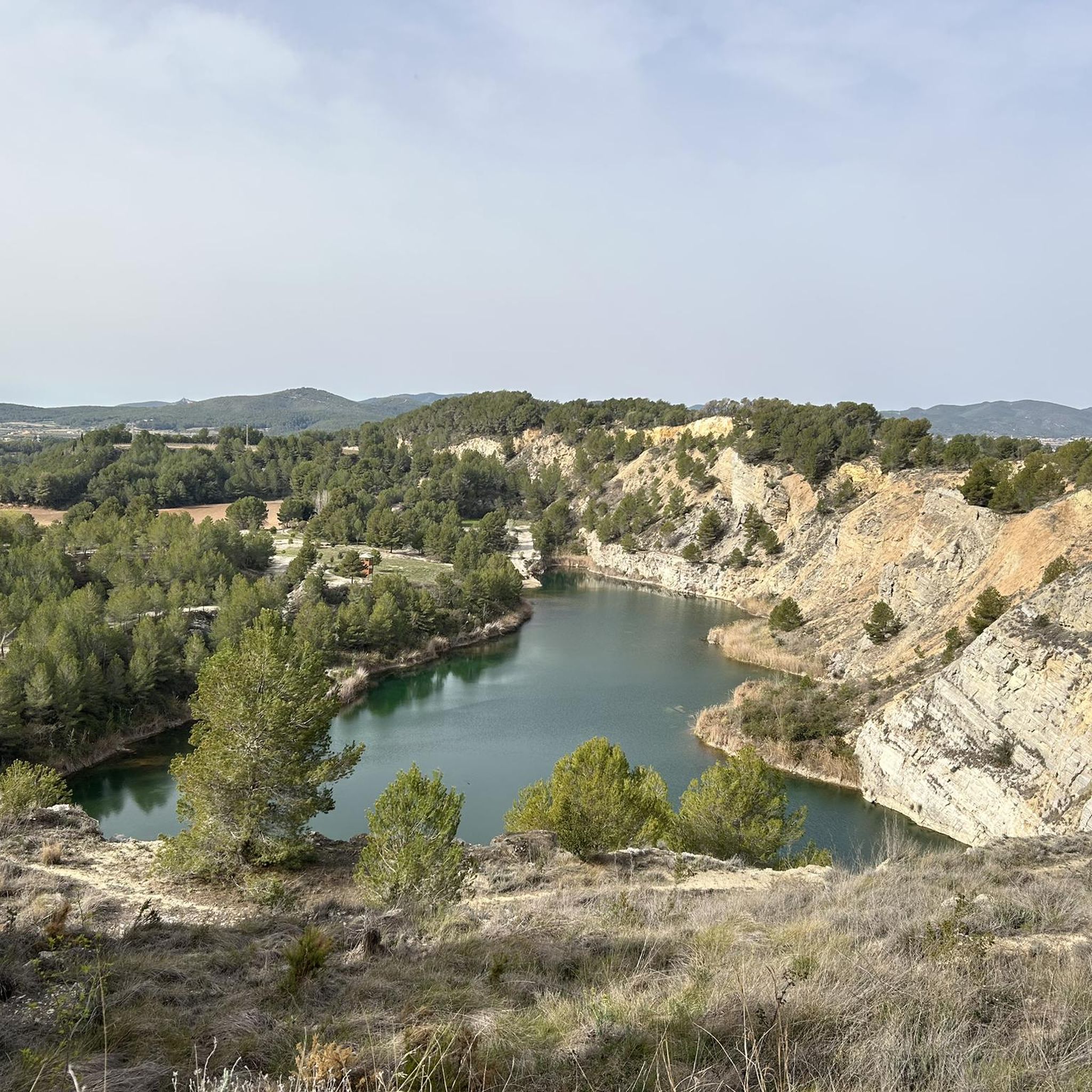
Running Trails around La Granada

Tips from the Community

It is a cave that is located right at the intersection that goes down from the antennas, it is on the side
0
0

There is a caving cave here, be careful if you are going to look at it.
0
0

Place of interest for speleology
0
0

In this limestone terrain (in the area we find a large number of quarries that extract materials) it is normal to find caves or chasms in the middle of the forest, and this is one of the cases.
0
0
Beautiful cave that is located near the Torrent de la Llaureda and where it is also called the Cova del Trapper. You must be alert when entering the cave if you do not have the necessary material.
0
0
An abric is a balma-shaped rock formation that has the shape of a cliff and is named after the nearby farm/house. The path that crosses it is beautiful with good views of the valley below.
0
0

Be very careful with the landslides inside. I advise not to scream inside, not to go deeper than a few meters, it is dangerous.
0
0

This cave is also known by the name of the Black Cave, it is a small cave-shaped wall, and it is closed by a half-collapsed wall. It has its origin in a small quarry. The entrance is usually covered by thick vegetation. The cave can be divided into two parts, to the east, a sector seven and a half meters wide and four meters deep, with a large block that partially closes the front. The western sector is 15 meters wide and is also partially enclosed by an eight meter wall. If we continue inside, we will find a room 12 meters deep and eight meters wide.
0
0
Frequently Asked Questions
What types of caves can I explore around La Granada?
The La Granada region offers a variety of caves, from natural geological formations to historical cave dwellings. You can find caves known for their unique rock formations, such as stalactites and stalagmites, as well as sites of interest for speleology. The area also features fascinating cave houses that provide cultural insights into past ways of life.
Which are some of the most notable natural caves in the La Granada area?
Beyond the popular ones mentioned in the guide, the region boasts several impressive natural caves. For instance, the Cave of the Muntanyeta, also known as the Black Cave, is an intermediate cave with a unique partially closed entrance. Another significant site is Ordal Cave, found in limestone terrain amidst forests, offering a glimpse into the area's geology. For those seeking more challenging exploration, Abric de Can Ximet is an intermediate natural monument with good views of the valley.
Are there any caves suitable for families or those seeking an accessible experience?
Yes, the region offers options for families and those needing accessibility. The Cueva de las Ventanas (Píñar) is fully adapted for visitors, including wheelchair access, and offers a guided tour with artistic lighting and recreations of ancient habitats. While not natural caves, the Sacromonte Caves in Granada city provide a unique family-friendly cultural experience, showcasing historic cave houses as an ethnographic museum.
What is the typical difficulty level for exploring caves around La Granada?
The caves around La Granada range in difficulty. Some, like the Cova de Cal Muntaner and Esquerrà Cave, are considered challenging and require caution due to potential landslides or specific equipment for speleology. Others, such as the Cave of the Muntanyeta, Ordal Cave, and Abric de Can Ximet, are rated as intermediate.
Are there any caves with historical or prehistoric significance in the region?
Yes, the Granada region is rich in historically significant caves. Cueva Horá (Darro) is one of the oldest, with human remains dating back to the early and middle Paleolithic periods. Other notable sites include Cueva de la Araña (Moclín) and Cueva de Limones (Tozar), both featuring prehistoric paintings, including anthropomorphic figures.
Can I find cave dwellings or unique cultural cave experiences in the area?
Absolutely. The Sacromonte Caves in Granada city are historic cave houses that now function as an ethnographic museum, offering insight into the unique way of life of their former inhabitants. Additionally, the town of Guadix is famous for its cave districts, where around 2,000 dwelling caves are carved into the rock, with some even available for unique accommodation experiences.
What outdoor activities can I do near the caves around La Granada?
The area around La Granada offers various outdoor activities. You can find numerous running trails, such as the 'Serra de les Gunyoles loop' or 'Running loop from Sant Cugat Sesgarrigues'. For cyclists, there are many road cycling routes, including the 'Collet de la Serra – Coll de les Ventoses loop' and 'Mur Tour de Flandes – The Penedès plain loop'. You can explore more options on the Running Trails around La Granada, Road Cycling Routes around La Granada, and Cycling around La Granada guide pages.
Are there specific caves recommended for adventurous explorers?
For those seeking more adventurous exploration, requiring flashlights and potentially crawling, the region has several options. Cueva del Agua (Alfaguara - Viznar) is considered one of the most spectacular and well-preserved caves in Andalusia. Cueva de Malalmuerzo (Moclín) features beautiful, untouched formations and a network of tunnels. Cueva del Muerto (Castril) is known for its series of large rooms and challenging internal features.
What is the best time of year to visit the caves in the La Granada region?
Caves generally maintain a stable temperature year-round, making them a good option in various seasons. However, for surface activities and comfortable travel to the cave sites, spring and autumn typically offer the most pleasant weather in the Granada region, avoiding the intense heat of summer or potential chill of winter.
What should I bring when visiting caves in the La Granada area?
For general cave visits, comfortable walking shoes are essential. If you plan to explore more challenging or undeveloped caves, you should bring appropriate caving gear, including headlamps or flashlights, helmets, and sturdy clothing that can get dirty. Always check specific requirements for each cave, especially if joining a guided tour.
Are there guided tours available for any of the caves?
Yes, for a structured and informative experience, the Cueva de las Ventanas (Píñar) offers fully guided tours. This is a great option for those who prefer a more curated visit and want to learn about the cave's geology and history from experts.
Most popular routes around La Granada
Most popular attractions around La Granada

Get inspired with the komoot mobile app


Explore more
Extend your search for the best caves by checking out these guides of the top ones around La Granada:
