Top 5 Castles around Villalbilla
Castles near Villalbilla de Madrid offer a glimpse into the region's historical fortifications. While Villalbilla itself is known for its Roman remains and historic churches, the surrounding Community of Madrid features several notable castles. These structures, often situated along rivers like the Henares and Jarama, reflect centuries of architectural evolution and strategic importance. The area provides opportunities to explore medieval fortresses and restored palaces.
Best castles around Villalbilla
- The most popular castles is View of Aldovea Palace, a castle…
Last updated: July 4, 2026
Ruins of Alcalá la Vieja Fortress
Highlight • Historical Site
Translated by Google •
Tip by

Pioz Castle
Highlight • Castle
Translated by Google •
Tip by

Sign up now to discover places like this
Get recommendations on the best single tracks, peaks, & plenty of other exciting outdoor places.
Sign up for free
View of Aldovea Palace
Highlight • Castle
Today, restored it serves for weddings and events
es.wikipedia.org/wiki/Palacio_de_Aldovea
Translated by Google •
Tip by

Walls and Antiquarium of Alcalá de Henares
Highlight • Historical Site
Translated by Google •
Tip by

Castillo de Torremocha
Highlight • Castle
Translated by Google •
Tip by
Sign up for free to discover even more castles around Villalbilla.
Sign up for free
Already have an account?
Start today with a free account
Your next adventure awaits.
Login or Signup
Tips from the Community

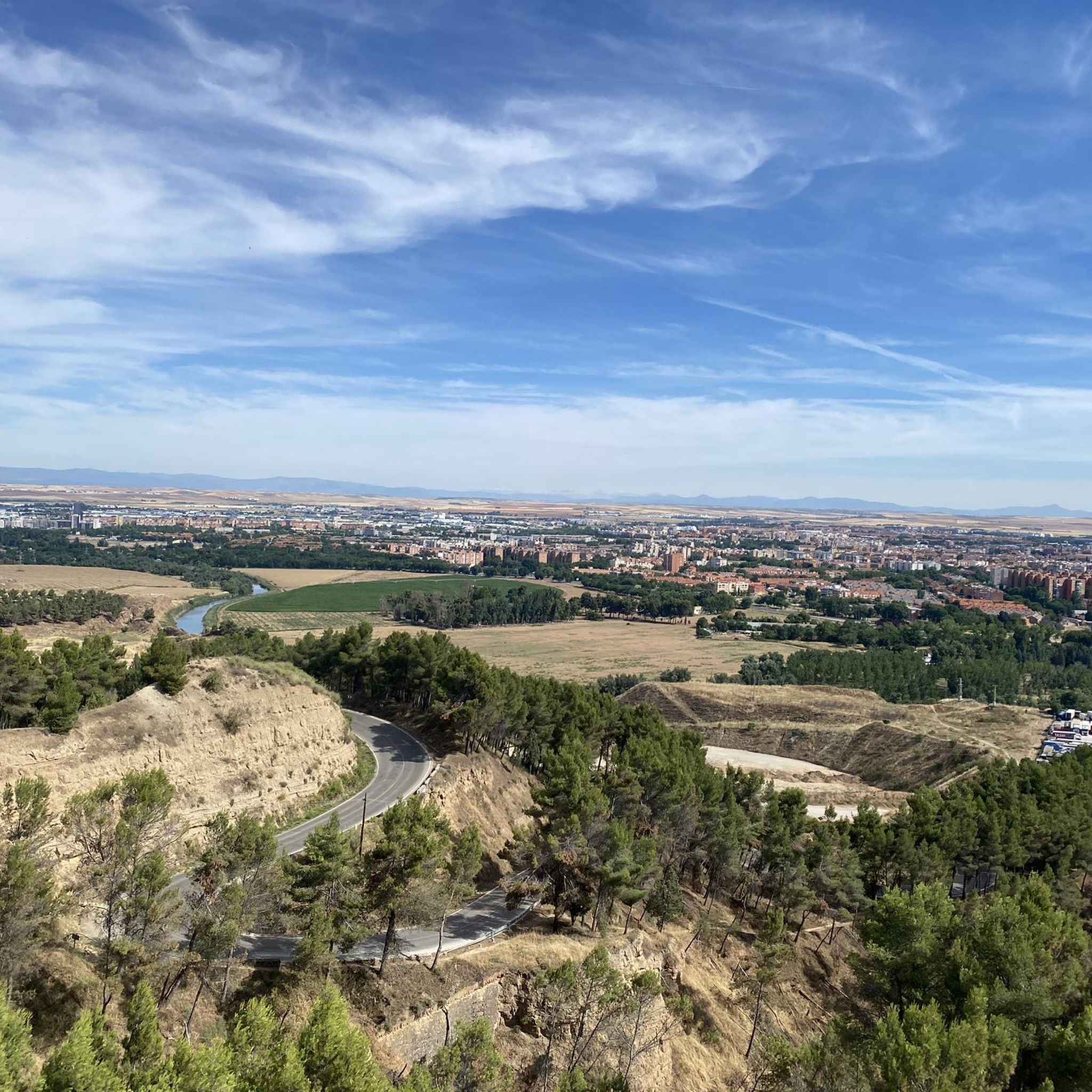
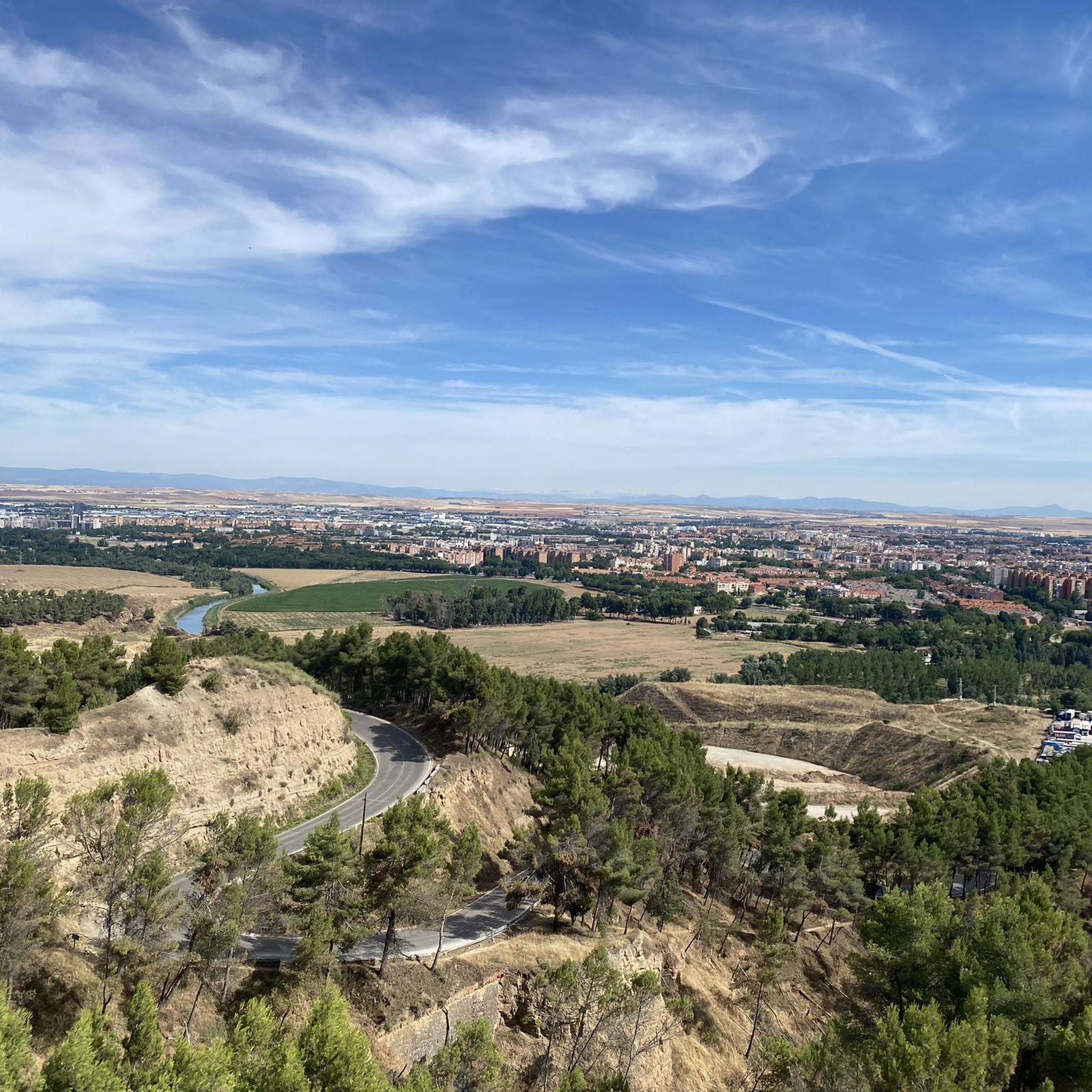
Although you cannot always walk past it, the views of the surrounding estate are interesting. It seems that the land is still being used and you can also see vestiges of ancient uses that make you imagine what it would be like when it was fully operational.
1
0

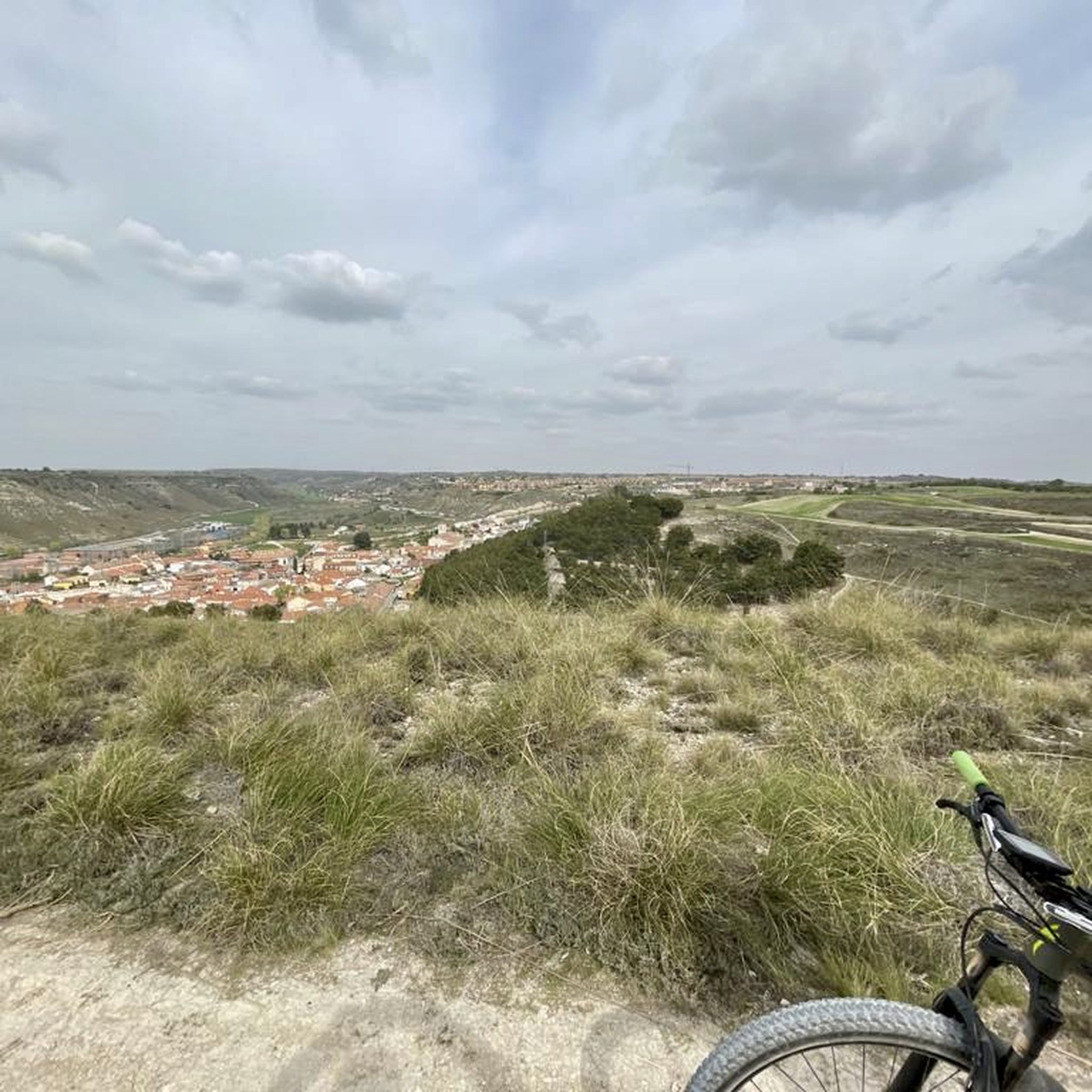
There is a section of the route that is quite out of the way, starting from the passage through the ruins of Alcalá Vieja.
1
0

The Torremocha Castle represents the history and monumentality of Santorcaz. The current construction dates back to the 14th and 15th centuries. It was a fortress for the defence and control of the Anchuelo river plain, built on a previous watchtower of Arab origin that formed part of the strategic line of the Alcalá stronghold. At different times it has been the residence of nobles, the seat of archbishops and a prison for clerics, where Cardinal Cisneros and the Princess of Éboli were among others. Attached to the castle walls is the church of San Torcuato, founded in the 13th century, with a beautiful Mudejar tower.
0
0

Ancient Muslim city of the Middle March. Neighbor of Madina Al Faray, which was the most important in the Middle Brand.
1
0

In restoration works, it presents a beautiful appearance
2
0
Like the fortified archbishop's palace of Alcalá de Henares, this enclosure was ordered to be built by Archbishop Pedro Tenorio in the 14th century. It is a strong plaza with seven towers, a wall and the church of San Torcuato.
1
0
In this historical complex there are: the archiepiscopal palace, the Tenorio tower and part of the medieval walls of the city. The archiepiscopal palace, from the 14th century, was fortified. Currently some sections of the wall are preserved and the palace continues in use.
1
0
The Aldovea palace is located in the grove of the same name, between the Henares and Jarama rivers. Although it is not clear when it was built, it has belonged to the archbishopric of Toledo, Manuel Godoy and King Caros IV, among others. It is currently a private property, but you can see it from the fence.
1
0
Frequently Asked Questions
What castles can I visit near Villalbilla?
While Villalbilla itself doesn't have prominent castles, the broader Community of Madrid offers several notable historical fortifications. You can explore the Ruins of Alcalá la Vieja Fortress, a medieval site of Islamic origin, or the 15th-century Pioz Castle. Other significant castles in the region include the well-preserved Castle of Manzanares el Real and Coracera Castle in San Martín de Valdeiglesias.
What is the historical significance of castles in this region?
The castles in the Community of Madrid, including those near Villalbilla, reflect centuries of strategic importance and architectural evolution. Many, like the Ruins of Alcalá la Vieja Fortress, served as watchtowers or defensive strongholds along rivers like the Henares. Others, such as the Castle of Manzanares el Real, were stately residences, showcasing the power and wealth of noble families during the medieval period.
Are there any hidden gem castles around Villalbilla?
Beyond the more well-known sites, you might consider Castillo de Torremocha in Santorcaz. This 14th-century fortress, built by Archbishop Pedro Tenorio, features seven towers and a wall, with the church of San Torcuato attached. It offers a glimpse into the region's history as a defensive stronghold and residence for notable figures.
What is the best time to visit the castles near Villalbilla?
The best time to visit the castles around Villalbilla is generally during the spring (April-June) and autumn (September-October) months. The weather is typically mild and pleasant for exploring outdoor sites and walking around the castle grounds. Summers can be very hot, and winters can be chilly, though many castles remain accessible year-round.
Are there hiking trails near the castles around Villalbilla?
Yes, several castles are close to hiking opportunities. For instance, near the Ruins of Alcalá la Vieja Fortress, you can find trails like the 'Alcalá La Vieja y cima del Ecce-Homo – circular por el Parque Natural Los Cerros' or the 'Arab Castle Trail'. You can find more hiking options in the area by visiting the Hiking around Villalbilla guide.
What kind of outdoor activities can I do near these castles?
Besides exploring the castles themselves, the area around Villalbilla offers various outdoor activities. You can find numerous MTB trails, such as the 'El Raso Lagoon – Palacio de Aldovea loop', and gravel biking routes. For more details on routes and their difficulty, check out the MTB Trails around Villalbilla and Gravel biking around Villalbilla guides.
Are the castles near Villalbilla family-friendly?
Many of the historical sites and castles in the region can be family-friendly, offering educational experiences. For example, the Walls and Antiquarium of Alcalá de Henares is listed as family-friendly. Exploring the grounds and learning about history can be engaging for children, though some sites might have uneven terrain. Always check specific accessibility for younger visitors.
Can I bring my dog to the castles or nearby trails?
While specific castle interiors may have restrictions, many outdoor areas and trails around the castles are dog-friendly. For instance, the Parque Natural Los Cerros near the Ruins of Alcalá la Vieja Fortress is generally welcoming to dogs on leash. Always ensure your dog is under control and check local regulations for each specific site you plan to visit.
Are there any accessible castles near Villalbilla for wheelchairs?
Accessibility for wheelchairs can vary significantly between historical sites. Older fortifications like the Ruins of Alcalá la Vieja Fortress or Pioz Castle may have uneven terrain, stairs, or limited access to certain areas. It's advisable to contact the specific site directly for detailed information on wheelchair accessibility before your visit.
What can I expect when visiting the <a href="https://www.komoot.com/highlight/2393087" target="_blank" rel="noopener">Ruins of Alcalá la Vieja Fortress</a>?
The Ruins of Alcalá la Vieja Fortress is a medieval site of Islamic origin, initially a watchtower. Today, you can see a restored defensive tower and remains of other structures. While the site is historically significant, it is currently fenced off, so you may need to view it from the perimeter. For more information, you can visit visitacity.com.
Can I visit <a href="https://www.komoot.com/highlight/3025123" target="_blank" rel="noopener">View of Aldovea Palace</a>?
The View of Aldovea Palace is a restored historical site that now primarily serves for events and weddings. It is private property, so while you can admire its picturesque setting between the Henares and Jarama rivers, direct public access to the interior is generally not available. You can view it from the fence.
Is public transport available to the castles near Villalbilla?
Public transport options to castles in the region vary. For example, to reach the Ruins of Alcalá la Vieja Fortress, you would typically travel to Alcalá de Henares first, and then potentially use local buses or a short taxi ride. For other castles further afield, a car is often the most convenient way to access them. It's best to research specific routes for each castle you plan to visit.
Where can I find cafes or restaurants near the castles?
Villalbilla and nearby towns like Alcalá de Henares offer various dining options. You'll find cafes, pubs, and restaurants in the town centers. For instance, if visiting the Ruins of Alcalá la Vieja Fortress, Alcalá de Henares has a wide selection of eateries. For more remote castles, it's advisable to bring snacks and drinks or check for options in the closest village.
Most popular routes around Villalbilla
Most popular attractions around Villalbilla

Get inspired with the komoot mobile app


Explore more
Looking for the best castles somewhere else? Discover other guides around Villalbilla:
