Top 9 Castles around Llocnou De Sant Jeroni
Best castles around Llocnou De Sant Jeroni offer a glimpse into the region's rich history and defensive architecture. While Llocnou de Sant Jeroni is a small village, the surrounding area features several historical sites with fortified elements. These structures reflect centuries of cultural and architectural evolution, from Muslim origins to later modifications. Visitors can explore ruins and well-preserved sites that once served as strategic points guarding valleys and trade routes.
Best castles around Llocnou De Sant Jeroni
- The most popular…
Last updated: July 4, 2026
Castell de Benissili
Highlight • Castle
Translated by Google •
Tip by

Castle of Aielo de Rugat
Highlight • Castle
Unfortunately, it was destroyed during the War …
Translated by Google •
Tip by

Sign up now to discover places like this
Get recommendations on the best single tracks, peaks, & plenty of other exciting outdoor places.
Sign up for free
Views of Perputxent Castle
Highlight • Viewpoint
Translated by Google •
Tip by
Castillo de Palma
Highlight • Castle
Tip by

Palace House of the Counts of Ròtova
Highlight • Historical Site
Translated by Google •
Tip by
Sign up for free to discover even more castles around Llocnou De Sant Jeroni.
Sign up for free
Already have an account?
Start today with a free account
Your next adventure awaits.
Login or Signup
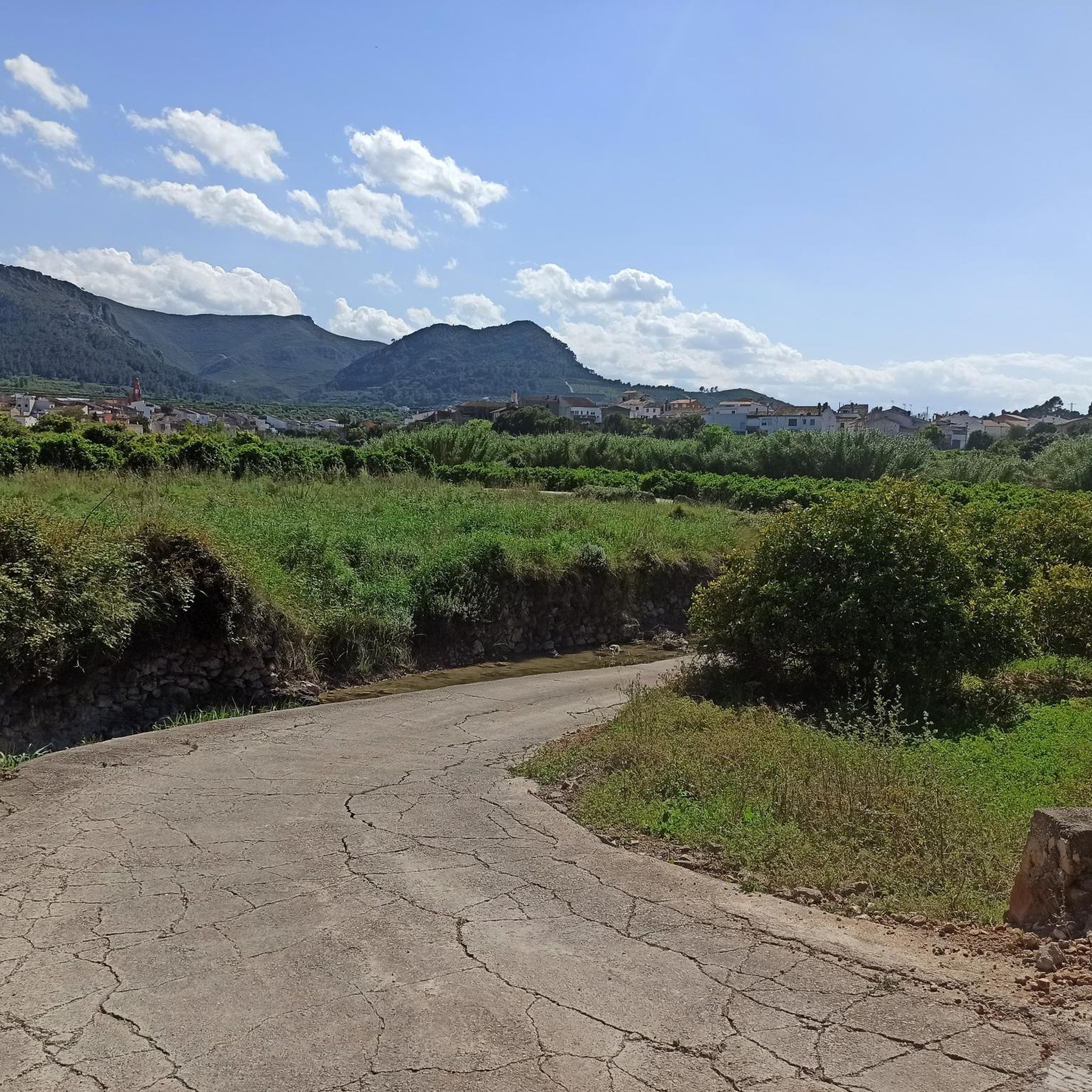
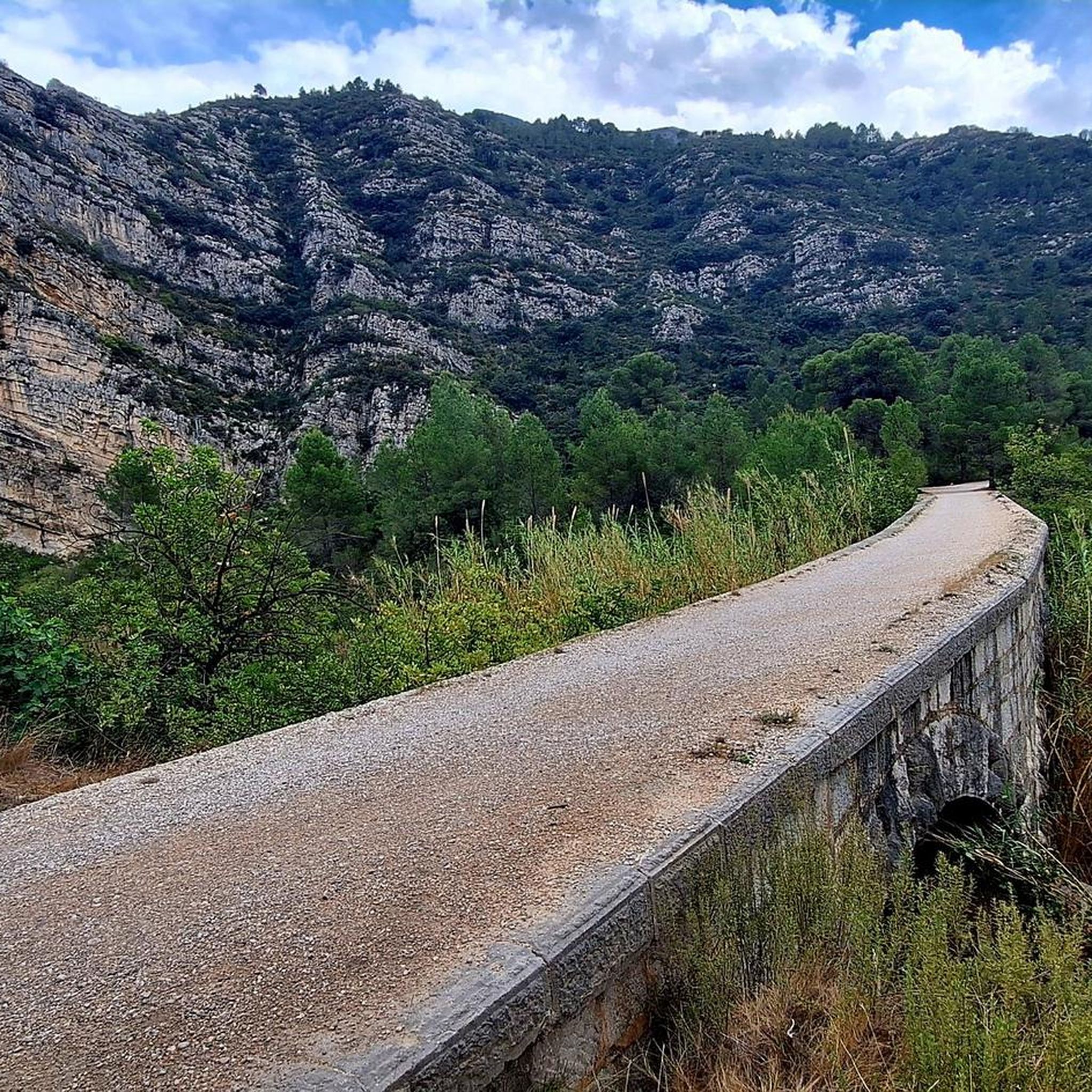
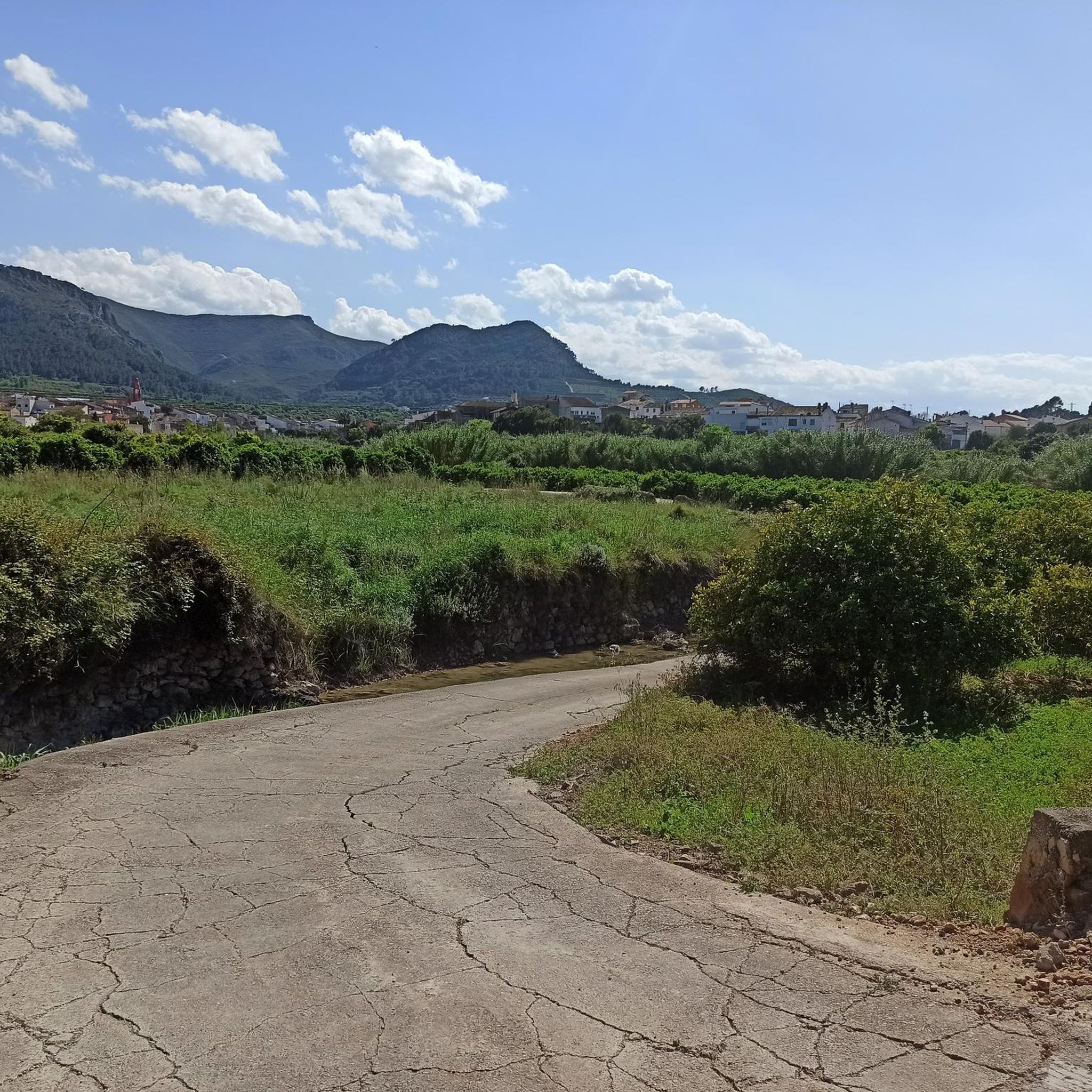
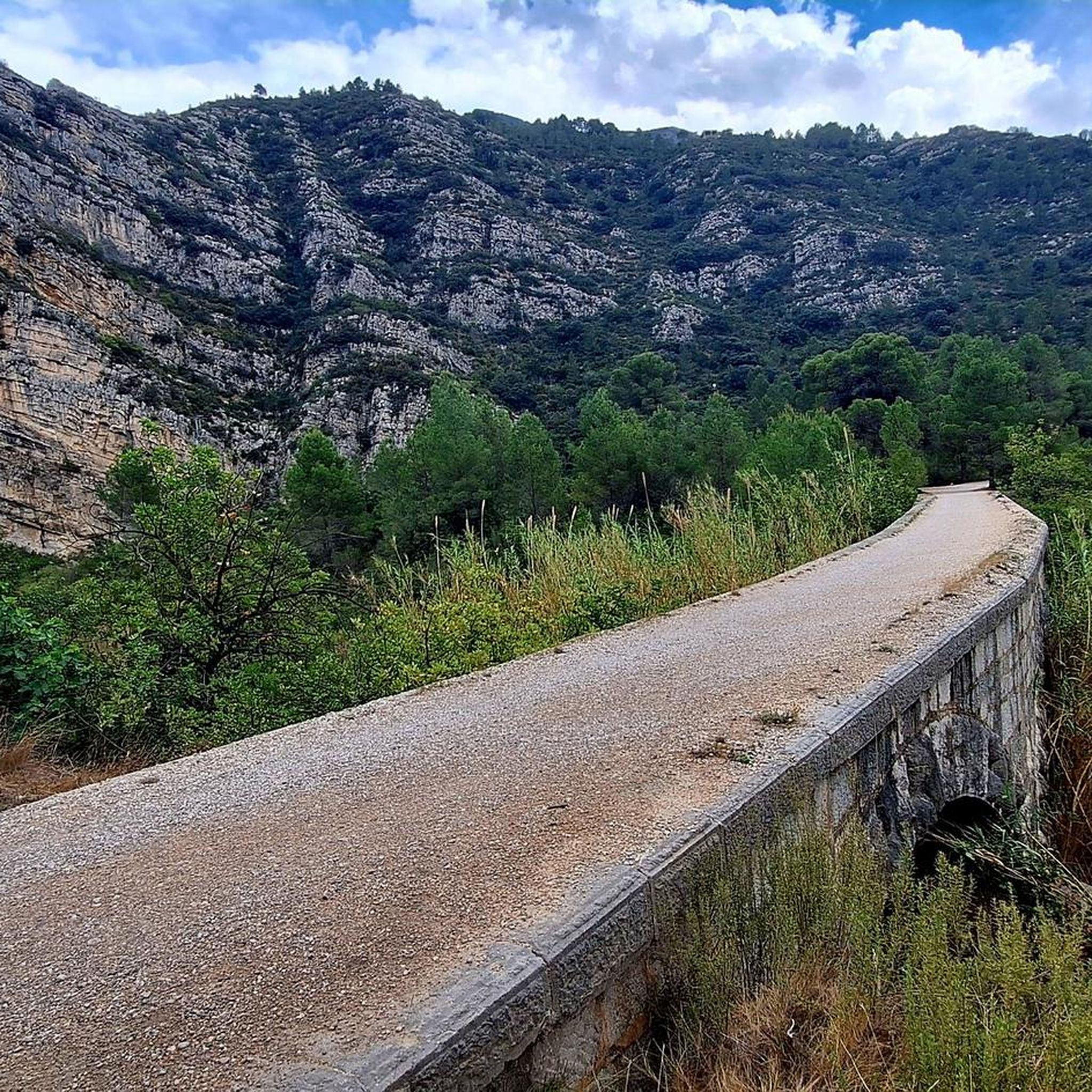

Tips from the Community

Viewpoint from where you can see the Castell de L'Orxa, a fortress of Muslim origin dating from the end of the 12th century. Before, a path climbed to the 380 meters of its summit in half a kilometer. Now, visiting the also known Castell de L'Orxa is prohibited. There is a risk of detachments and falls.
0
0

Located in a location with beautiful views, the castle is currently being rehabilitated and cannot be visited.
1
1
This back "terrace" of the castle is a good place to rest, eat and drink.
1
0
The castle of Benissili is historically known as the castle of Alcalà, and this is how it appears in the documents of the time, but it is better known by the name of the castle of Benissili, since this town is the one that is closest to the fortress . The historical function of the castle was to guard and defend the entrance to the Gallinera valley from the interior. This castle follows the normal guidelines of the Muslim castle, with albacar (large courtyard) and celoquia (citadel), but it stands out for its great extension, structural complexity and natural defenses.
2
0

This was the as far as I could get into the Castell as all other points had scaffolding and locked
1
0

beautiful, scenically varied tour
0
0
It is a Baroque urban building built in the second half of the 16th century and remodeled at the end of the 17th century, it is therefore what remains of the original building, the most important architectural heritage element of Ròtova. It is located in the part of the urban center where in the past the town was accessed from the royal road of Xàtiva. Historians say if its original building would not rise on the site occupied by an Arab control tower. Its origin would be an old manor house that covers an entire village block and that still today shows a slender facade on which the noble coat of arms of the family stands out in carved wood. The imperial limestone staircase with a robust column, supporting a canopy made of Arab tiles, also draws attention to the palace. Also pay attention to the pleasant layout of its courtyard enclosed by a battlemented wall, which preserves the tilework of the original 16th century palace. Inside the area of the palace, archaeological excavations have been carried out which have allowed the discovery of ceramic remains dating back to the Iberian era. The building retains some original rooms, being divided into three parts. The external warehouse housed an almássera, the parts of which are now in the Benialí cooperative. Of particular note is the large garden at the back of the palace, of which the remains of the walls that closed the enclosure remain, now partly occupied by the current Passeig del Nou d’Octubre. Since the beginning of 2004, the palace has been the property and heritage of the town of Ròtova, with public use projected with its future restoration that will allow, in addition to the location of the municipal offices, the adaptation of a cultural center with an auditorium and a garden. While the palace is being adapted, the current situation shows a space occupied by the palace has a surface of 1913.06 m2, in which the following spaces can be distinguished: A main building of the 16th-17th century, in the form of "L " with three and one surface per floor of 393.72 m2 and a total surface of 1,181.16 m2 built, which shows masonry walls 60 cm wide, forged with wooden beams and covered with Arabic tiles. In addition to a large access staircase to the main facade, topped with the noble coat of arms of the Comptes de Ròtova. A front access patio of 393.72 m2 with external enclosure formed by a crenellated masonry wall from which access to the garden located in the rear. Back gardens of 742.87 m2, where we will find pine trees. Annex buildings from the beginning of the 20th century, with a floor area of 300.06 m2.
1
0

Beautiful old castle ruins.
1
0
Frequently Asked Questions
What historical sites with fortified elements can I visit near Llocnou de Sant Jeroni?
While Llocnou de Sant Jeroni itself is a small village, the nearby region offers several significant historical sites. The most prominent is the Monasterio de Sant Jeroni de Cotalba, which features a Gothic tower characteristic of medieval fortifications and showcases a blend of architectural styles from the 14th to 18th centuries. Other notable sites include the Muslim-origin Castell de Benissili, the 12th-century Castle of Aielo de Rugat, and the strategically located Views of Perputxent Castle.
Are there any castles or historical sites suitable for families with children?
Yes, the Castillo de Palma, though in ruins, is accessible via a steep path and is considered suitable for children aged 7-8 years and older. It offers beautiful views from the top. The Monasterio de Sant Jeroni de Cotalba also offers well-preserved grounds and gardens that can be explored by families.
What kind of views can I expect from the castles in this region?
Many of the castles and fortified sites offer impressive panoramic views. For instance, Castell de Benissili provides spectacular views of the Gallinera valley, while the Castle of Aielo de Rugat crowns a hill with stunning vistas of the surrounding valley and mountains. The Castillo de Palma also offers beautiful scenic views from its elevated position.
What is the best time of year to visit the castles around Llocnou de Sant Jeroni?
The region generally experiences a Mediterranean climate. Spring (April-May) and autumn (September-October) are often ideal, offering pleasant temperatures for exploring historical sites and their surroundings without the intense heat of summer. Winter visits are also possible, but some sites might have reduced hours, and weather conditions can be cooler and occasionally rainy.
Are there any unique architectural styles to observe in the castles here?
Absolutely. The Monasterio de Sant Jeroni de Cotalba is a prime example, showcasing a rich blend of Valencian Gothic, Mudéjar, Renaissance, Baroque, and Neoclassical styles. The Castell de Benissili follows typical Muslim castle guidelines with an albacar (large courtyard) and celoquia (citadel), reflecting its origins.
What outdoor activities can I combine with a visit to these castles?
The area around Llocnou de Sant Jeroni is excellent for various outdoor activities. You can find numerous running trails, gravel biking routes, and road cycling routes. Many of these routes pass through scenic landscapes, offering opportunities to explore the natural beauty surrounding the historical sites.
Are there any hidden gems or less-known historical sites worth visiting?
Beyond the more prominent ruins, the Palace House of the Counts of Ròtova offers a different historical perspective. This Baroque urban building, possibly built on the site of an Arab control tower, features a noble coat of arms, an imperial limestone staircase, and a courtyard with a battlemented wall. Archaeological excavations have even uncovered Iberian-era ceramics on the site.
What is the historical significance of the Monasterio de Sant Jeroni de Cotalba?
The Monasterio de Sant Jeroni de Cotalba is highly significant, founded in 1374 and moved to its current fortified location in 1388 for safety. It played a crucial role in the region's religious and cultural life, serving as a center of learning and having notable connections to the influential Borgia family. Its defensive Gothic tower is a testament to its past.
Can I find circular walks or hiking trails that include these castles?
While specific circular walks directly encompassing multiple castles might require planning, many of the castles are situated along or near existing trails. For example, the Castillo de Palma is part of a scenically varied tour. You can explore various running trails and biking routes in the area that may offer access to viewpoints or the castles themselves.
What are the typical difficulty levels for visiting these castle ruins?
The difficulty varies. Some sites like the Castell de Benissili and Castle of Aielo de Rugat are ruins that may involve walking over uneven terrain. The Castillo de Palma requires a steep path to reach. The Monasterio de Sant Jeroni de Cotalba, being a well-preserved monastery, offers more accessible exploration of its grounds and interiors.
Are there any other significant castles in the broader Valencia region worth noting?
While not in the immediate vicinity of Llocnou de Sant Jeroni, the broader Valencia region boasts other impressive castles. These include Sagunto Castle, with its Iberian, Roman, and medieval remains, and the 9th-century Cardona Castle, considered one of Spain's most important medieval strongholds. However, for the area directly around Llocnou de Sant Jeroni, the Monasterio de Sant Jeroni de Cotalba is the most relevant fortified historical site.
Most popular routes around Llocnou De Sant Jeroni
Most popular attractions around Llocnou De Sant Jeroni

Get inspired with the komoot mobile app


Explore more
Looking for the best castles somewhere else? Discover other guides around Llocnou De Sant Jeroni:
