Top 20 Castles around Schöntal
Best castles around Schöntal are found in a region rich with historical sites and picturesque landscapes, particularly along the Jagst River. The area features a variety of historical structures, including fortified castles and well-preserved old towns. These locations offer insights into centuries of regional history and architectural development, providing diverse points of interest for visitors.
Best castles around Schöntal
- The most popular castles is Götzenburg Castle (Jagsthausen), a castle that was once the ancestral seat of the knight Götz…
Last updated: July 6, 2026
Möckmühl Old Town
Highlight • Settlement
Translated by Google •
Tip by

View of Götzenburg, Jagsthausen (Old Castle)
Highlight • Castle
Translated by Google •
Tip by

Sign up now to discover places like this
Get recommendations on the best single tracks, peaks, & plenty of other exciting outdoor places.
Sign up for free
Bartenau Castle
Highlight • Castle
Showing Translation
Tip by

Götzenburg Castle (Jagsthausen)
Highlight • Castle
Translated by Google •
Tip by

Lichteneck Castle Ruins
Highlight • Castle
Translated by Google •
Tip by

Sign up for free to discover even more castles around Schöntal.
Sign up for free
Already have an account?
Start today with a free account
Your next adventure awaits.
Login or Signup
Other adventures around Schöntal

Tips from the Community

The castle was built between 1679 and 1691 on the site of a medieval moated castle as a four-wing complex by Count Johann Ludwig von Hohenlohe-Künzelsau. From 1679 to 1868 it was a residence of the House of Hohenlohe and from 1873 to 1934 a teachers' seminary. From 1937 to 1939 the building was completely rebuilt and today houses a state gymnasium with a boarding school.
4
0

The castle dates back to the Middle Ages and was expanded into its current form in the 15th century. It is picturesquely situated on the banks of the Jagst River and impresses with its solid stonework and historic flair. Today, it is privately owned but houses, among other things, a hotel and serves as a venue for the Jagsthausen Castle Festival, where Goethe's "Götz von Berlichingen" is performed annually on the open-air stage.
7
0
The castle dates back to the Middle Ages and was expanded into its current form in the 15th century. It is picturesquely situated on the banks of the Jagst River and impresses with its solid stonework and historic flair. Today, it is privately owned but houses, among other things, a hotel and serves as a venue for the Jagsthausen Castle Festival, where Goethe's "Götz von Berlichingen" is performed annually on the open-air stage.
6
0

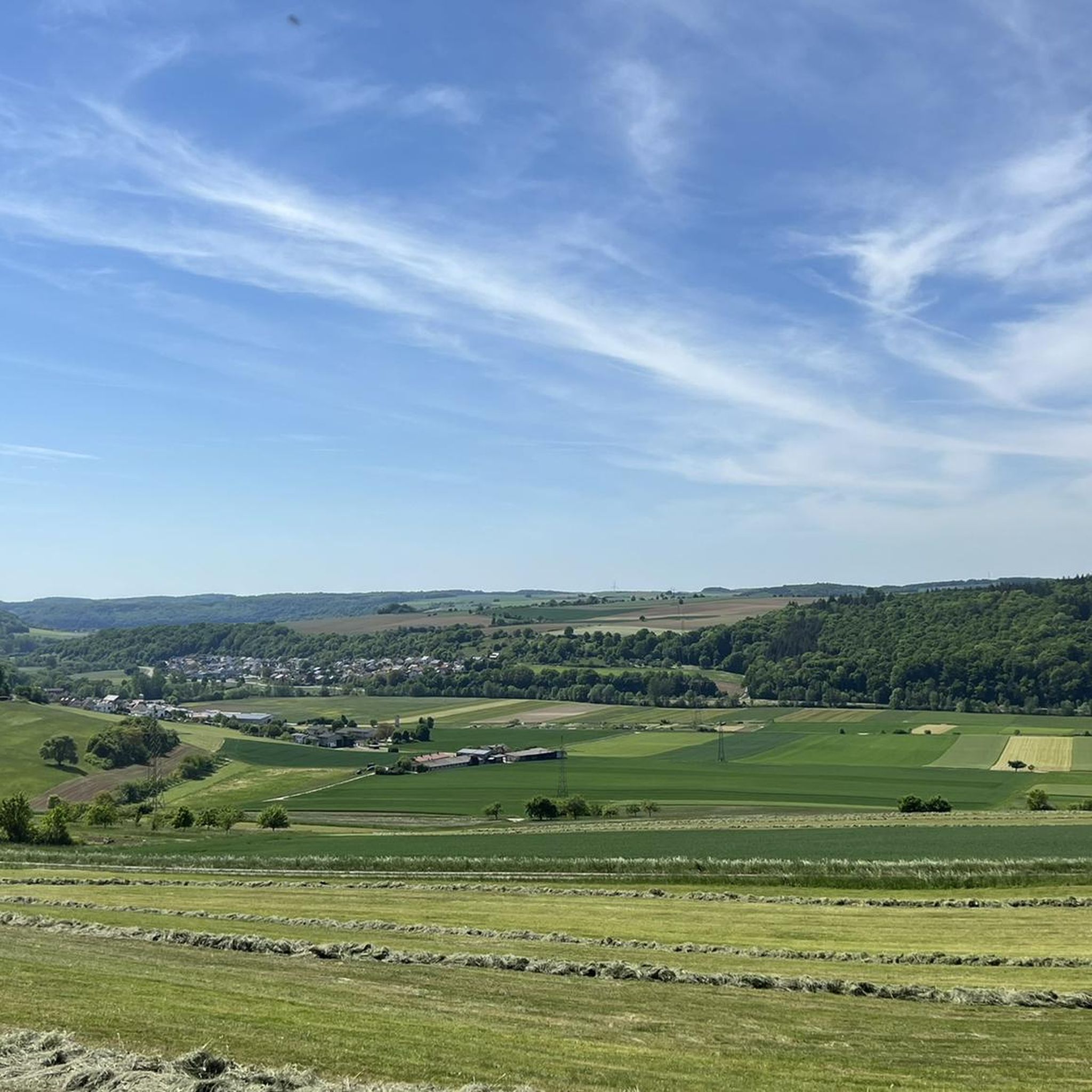
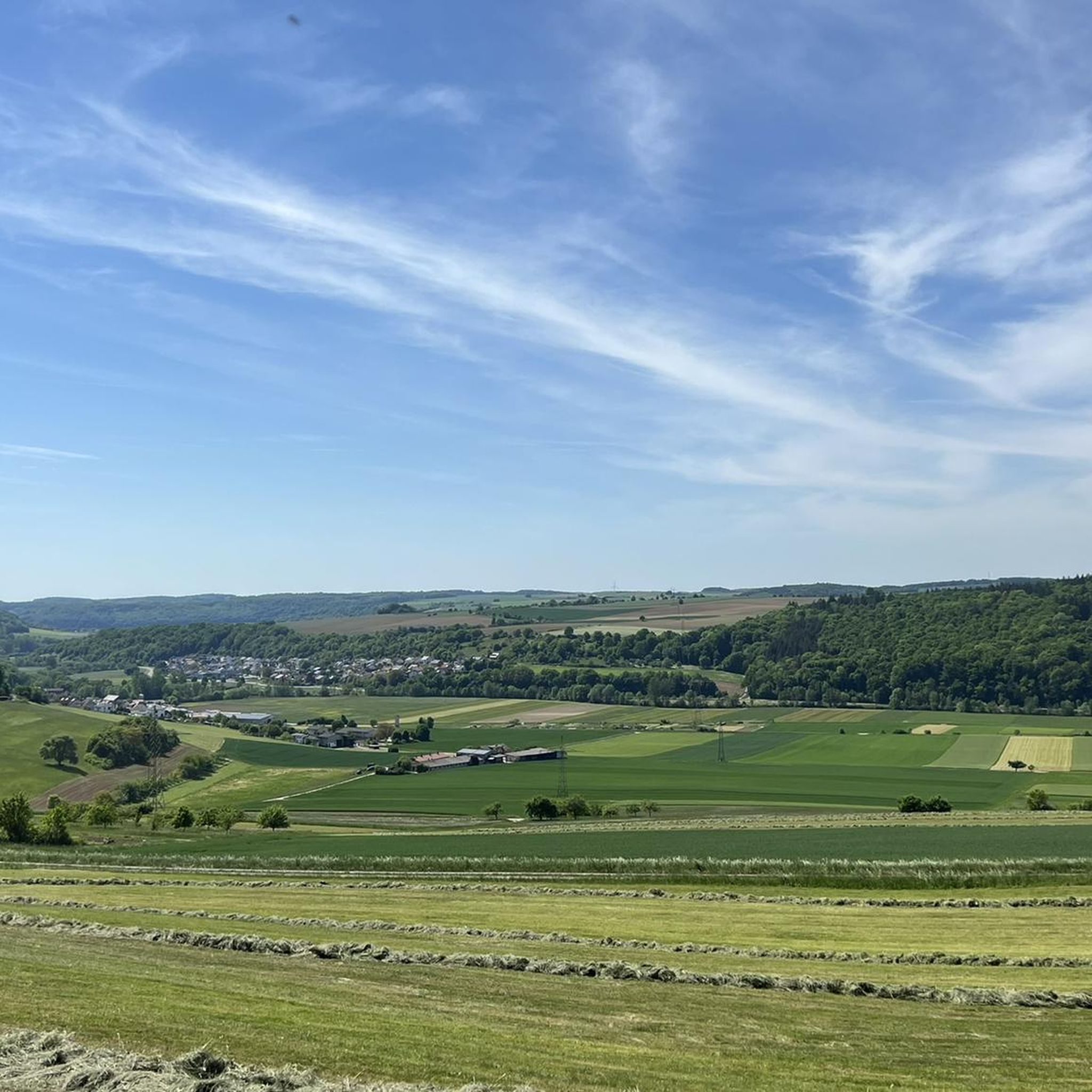
Due to its east orientation a good spot for a sunset
0
0
Around 1250, Kraft von Boxberg built Lichteneck Castle, which was presumably destroyed by lightning in the mid-15th century. Today, one can enjoy a wonderful view of the Kocher Valley from here.
6
0
The current complex, consisting of the two-winged core building, was built by the von Berlichingen family in the 15th and 16th centuries. Götzenburg was the birthplace of the "Knight with the Iron Hand", Götz von Berlichingen was born here in 1480. The designs of the Ulm Minster master builder August von Beyer led to the largest remodeling of the castle between 1876 and 1878, during which the south wing and the gate tower were built and the park around the complex was laid out.
9
0

Bartenau Castle is a castle in Künzelsau in the north-east of Baden-Württemberg. The noble family of Stein is documented in Künzelsau from the 11th century. After they died out, their relatives, such as the Lords of Künzelsau and the Lords of Bartenau, inherited the estate of the Stein family. The von Künzelsau family built their Kunzelsawe Castle around 1248. After the Künzelsau family died out in 1341, their residence became Bartenau Castle. When the Lords of Bartenau also died out, the Lords of Stetten inherited the castle in 1390, which they sold in part to the Archbishopric of Mainz in 1484. Bartenau Castle passed to the House of Hohenlohe through inheritance. Count Johann Ludwig von Hohenlohe-Langenburg-Gleichen had Bartenau Castle demolished in 1679 and built a three-storey castle in the late Renaissance style with four round towers in its place. From 1873 onwards, the building served as a teacher training college, then as an educational institution, and today it houses a state secondary school with boarding school. Source: https://de.wikipedia.org/wiki/Schloss_Bartenau
4
1

Lichteneck Castle is a ruin of a spur castle at 242 m above sea level. NHN high rock spur above Hecklingen,
2
0
Frequently Asked Questions
What kind of historical sites can I explore in the Schöntal region?
The Schöntal region offers a rich tapestry of historical sites, including traditional castles, impressive castle ruins, and well-preserved old towns. Beyond these, the magnificent Kloster Schöntal (Schöntal Monastery) stands out. While not a traditional fortified castle, its imposing Baroque architecture and centuries of history give it a grandeur akin to one. You can also visit sites like Möckmühl Old Town with its castle and half-timbered houses, or the historical Götzenburg Castle (Jagsthausen).
Are there family-friendly castles or historical sites to visit around Schöntal?
Yes, several sites are suitable for families. Götzenburg Castle (Jagsthausen), the ancestral seat of Götz von Berlichingen, hosts the annual Jagsthausen Castle Festival, which can be a fun experience. Möckmühl Old Town offers an idyllic setting with its city wall and half-timbered houses, great for exploring. The Lichteneck Castle Ruins also provide an adventurous climb and scenic views that families often enjoy.
What outdoor activities can I do near the castles in Schöntal?
The region around Schöntal is excellent for outdoor activities. You can find numerous routes for cycling, mountain biking, and road cycling. For example, there are moderate cycling routes like the 'View of Schöntal Abbey – Götzenburg Castle (Jagsthausen) loop' or mountain bike trails such as the 'Town wall of Möckmühl – Trail to Schöntal loop'. You can explore more options on the Cycling around Schöntal, MTB Trails around Schöntal, and Road Cycling Routes around Schöntal guide pages.
Where can I find impressive views of the landscape and historical sites?
For stunning views, head to the Lichteneck Castle Ruins, which offer a wonderful panorama of the Kocher Valley. Another great spot is the View of Götzenburg, Jagsthausen (Old Castle), providing picturesque sights of the castle situated on the Jagst River.
What is unique about Kloster Schöntal, and why is it often mentioned with castles?
Kloster Schöntal is a former Cistercian abbey, renowned for its magnificent Baroque architecture rather than being a traditional fortified castle. It's considered one of the most impressive examples of Baroque in northern Württemberg. Its grandeur, imposing structures like the monastery church with two towers, and the palatial Neue Abtei (New Abbey) with its Rococo staircase, give it a castle-like presence. It also holds significant historical importance, including being the burial place of the legendary knight Götz von Berlichingen.
Are there any castles with dining options or places to stay overnight?
Yes, Götzenburg Castle (Jagsthausen) houses an elegant castle hotel and a castle restaurant, offering both accommodation and dining. Additionally, directly opposite the Götzenburg, in the 'Red Castle', there's a restaurant with a beer garden that uses regional products and offers game dishes.
What are some of the most popular historical sites according to visitors?
Visitors frequently praise Götzenburg Castle (Jagsthausen) for its historical significance as the ancestral seat of Götz von Berlichingen and its annual castle festival. Möckmühl Old Town is loved for its idyllic setting, half-timbered houses, and impressive city wall. The Lichteneck Castle Ruins are also popular for the rewarding views they offer over the Kocher Valley.
Can I find historical information or guided tours at Kloster Schöntal?
Yes, Kloster Schöntal offers an information center in the Old Abbey that provides insights into its rich past. Guided tours are available, allowing visitors to delve into the history of monastic life, from the Cistercian monks of the Middle Ages through its Baroque revival.
What kind of architecture can I expect to see at Kloster Schöntal?
Kloster Schöntal showcases a fascinating blend of architectural styles. While its current appearance is predominantly Baroque, shaped significantly by Abbot Benedikt Knittel, you can also find elements from Gothic, Renaissance, and Rococo eras. The monastery church, originally Gothic, was redesigned into a Baroque masterpiece, and the Neue Abtei features a grand Rococo staircase designed in part by Balthasar Neumann.
Are there any less crowded historical sites or hidden gems in the area?
While the main highlights are popular, exploring the smaller towns and their historical centers, such as Künzelsau Castle and Town Hall, can offer a more relaxed experience. These locations often have charming city centers with local cafes and museums, providing a quieter insight into the region's history away from the main tourist paths.
What is the historical significance of Götz von Berlichingen in this region?
The legendary knight Götz von Berlichingen, also known as Götz of the Iron Hand, has strong ties to the Schöntal region. Götzenburg Castle (Jagsthausen) was his ancestral seat and birthplace. Furthermore, his remains are housed in the cloister's east wing of Kloster Schöntal, as his family provided the land for the monastery in exchange for burial rights. His story is famously depicted in Johann Wolfgang von Goethe's play.
Most popular routes around Schöntal
Most popular attractions around Schöntal

Get inspired with the komoot mobile app


Explore more
Looking for the best castles somewhere else? Discover other guides around Schöntal:
