Top 6 Lakes around Santa Perpètua De Mogoda
Best lakes around Santa Perpètua De Mogoda are primarily characterized by fluvial ecosystems and man-made water features rather than large natural lakes. The region is shaped by the Riera de Caldes and Riera de Santiga, which offer riverine environments and gallery forests. Within the municipality, the Parc Central features a naturalized irrigation pond, creating a habitat for local wildlife. These water bodies contribute to the area's natural heritage and provide opportunities for outdoor activities.
Best lakes around Santa Perpètua De…
Last updated: July 4, 2026
Can Zam Park
Highlight • Natural
Translated by Google •
Tip by

Can Borrell Reservoir
Highlight • Lake
Translated by Google •
Tip by
Sign up now to discover places like this
Get recommendations on the best single tracks, peaks, & plenty of other exciting outdoor places.
Sign up for free
Natural Water Treatment Lagoons
Highlight • Structure
Translated by Google •
Tip by

Can Dunyó Pond
Highlight • Lake
Translated by Google •
Tip by

Central Park of Santa Perpètua de Mogoda
Highlight • Natural
Translated by Google •
Tip by
Sign up for free to discover even more lakes around Santa Perpètua De Mogoda.
Sign up for free
Already have an account?
Start today with a free account
Your next adventure awaits.
Login or Signup
Popular around Santa Perpètua De Mogoda

Tips from the Community

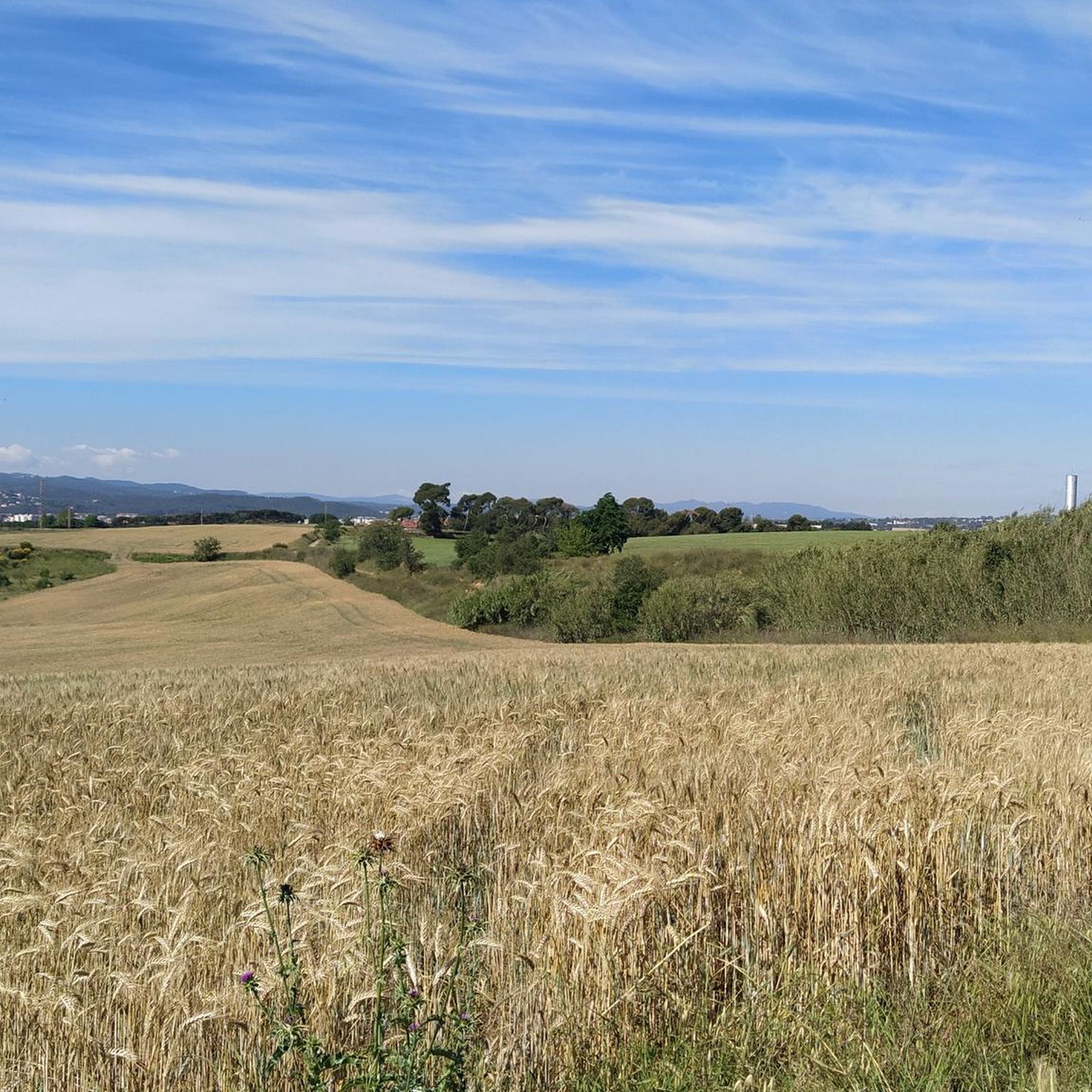
A small oasis nestled among fields and pines, where the still water reflects the sky like a mirror broken by frogs. This pond, once used for irrigation and livestock watering, has become a natural refuge for birds, dragonflies, and turtles. On calm days, only the buzzing of insects and the splashing of the occasional stray toad can be heard. A humble corner, yet teeming with life.
1
0

With a little luck you will see some birds, especially ducks.
0
0

A well-known route, but not because of its great age, and in this case because of the amount of water it carries.
0
0

Place and space for bird watching during migratory periods. Natural water purification system.
2
0

The main characteristic of the park is its proximity to the river, its character as a connecting element between the city and the fluvial space, to which it acts as an open entrance hall. Park and river together form one of the most stimulating places in Santa Coloma de Gramenet. Can Zam is in the shape of an irregular square with a geometric design of very marked lines. A central promenade, which follows the route of Victor Hugo street, acts as a dividing line between two sectors with different characteristics. The first, closest to the mountain, with a large square and vegetation reminiscent of that of the neighboring hills; and the lowest and closest to the river, with a large lake and a clear predominance of riverside plant species. Singular vegetation: El Pollancre (isolated 50-year-old poplar that can be distinguished from afar).
22
0
At one end of Santa Coloma, between the Serralada de Marina and the Besòs river, this beautiful park of Can Zam occupies a part of the lowlands, close to the river, where the garden crops of the neighboring farmhouses were traditionally located. The Can Zam park was inaugurated in 1999. It has an area of 113,405 m2 In the park there is unique vegetation, sculptures, a beautiful lake, a spring, children's games, soccer goals, basketball hoops, a skateboard track, a petanque court, drinking fountains, parking for bicycles and cars, a bar and WC.
26
0
The Can Borrell reservoir is a small Spanish hydraulic infrastructure built on the Rabassada torrent, located in the municipality of Sant Cugat del Vallés, in the Vallés Occidental region, province of Barcelona, Catalonia. It was built to supply water to the Can Borrell farmhouse. Regarding the vegetation, the environment of the swamp is dominated by a Mediterranean oak forest and a Mediterranean white pine forest.
11
0
As an urban lung, the Central Park is the center of one of the largest public spaces in the region, some 80 hectares, which link the Castle and the Orchards of Mogoda with the Castle and the fields of Can Taió. It is also a point of attraction and reference within the municipal territory, thanks to the naturalized irrigation pond, forming a new habitat that transports us to an environment of peace and tranquility. Highly recommended for walking, running and cycling.
11
0
Frequently Asked Questions
What kind of water bodies can I expect to find around Santa Perpètua de Mogoda?
Santa Perpètua de Mogoda is characterized more by its fluvial ecosystems, such as the Riera de Caldes and Riera de Santiga, and various man-made water features, rather than large natural lakes. You'll find riverine environments, naturalized ponds, and reservoirs that contribute to the area's natural heritage.
Are there any natural swimming spots near Santa Perpètua de Mogoda?
The water bodies around Santa Perpètua de Mogoda, primarily rivers, streams, and man-made ponds/reservoirs, are generally not designated for natural swimming. They are valued more for their ecological importance, wildlife observation, and scenic beauty.
What are some family-friendly water features to visit?
Several spots are great for families. The Can Zam Park features a beautiful lake within a large urban park with recreational facilities. The Natural Water Treatment Lagoons offer opportunities for bird watching, which can be engaging for children. Additionally, the Can Borrell Reservoir is surrounded by forests, providing a pleasant environment for a family stroll.
Can I go hiking or running near these water features?
Yes, the areas around these water features offer excellent opportunities for outdoor activities. You can find various routes for hiking and running. For instance, there are many running trails around Santa Perpètua de Mogoda, including routes like 'The solitary fig tree loop' or 'Plaça de la Sardana – Can Baqué Farmhouse loop'. For hiking, consider routes like 'Mollet del Valles y Mirador de Gallecs' or 'Circular route through La Llagosta'. You can explore more options on the running trails guide and the hiking guide for the region.
What is the <a href="https://www.komoot.com/highlight/5758907" target="_blank" rel="noopener">Can Zam Park</a> lake like?
The lake in Can Zam Park is a central feature of this large urban park. It acts as a connecting element between the city and the Besòs river, surrounded by diverse vegetation. The park itself offers various recreational facilities, sculptures, and a spring, making the lake a scenic and accessible spot for relaxation and enjoyment.
What is the <a href="https://www.komoot.com/highlight/3017363" target="_blank" rel="noopener">Natural Water Treatment Lagoons</a> highlight?
The Natural Water Treatment Lagoons are a man-made feature serving as a natural water purification system. They are particularly notable for bird watching, especially during migratory periods, and include an ornithological viewpoint for observation. Ducks are commonly seen here.
What kind of wildlife can I observe near the water bodies?
The water bodies and their surrounding environments are home to diverse wildlife. The Can Borrell Reservoir, for example, is important for the reproduction of amphibians and aquatic invertebrates. The Natural Water Treatment Lagoons are excellent for bird watching, especially during migratory seasons. The Can Dunyó Pond is a refuge for birds, dragonflies, and turtles.
What is the best time of year to visit the water features around Santa Perpètua de Mogoda?
The best time to visit is generally during spring and autumn when the weather is mild and pleasant for outdoor activities like walking and bird watching. Spring brings blooming flora and active wildlife, while autumn offers beautiful colors and comfortable temperatures. Summer can be hot, and winter might be cooler, but the areas are accessible year-round.
Are dogs allowed on trails near the water features?
Many natural areas and parks around Santa Perpètua de Mogoda are dog-friendly, but it's always advisable to keep dogs on a leash, especially in protected areas or near wildlife habitats. Specific regulations may vary by location, so look for signage or local guidelines when visiting.
Where can I find parking when visiting these areas?
For urban parks like Can Zam Park and the Central Park of Santa Perpètua de Mogoda, parking facilities are usually available. For more natural or rural spots like the Can Borrell Reservoir or the Natural Water Treatment Lagoons, parking might be less formal, often found along access roads or designated small lots. It's recommended to check specific access points for each location.
Are there options for public transport to reach these areas?
Santa Perpètua de Mogoda has public transport connections, primarily buses, that can take you to various parts of the municipality. For urban parks like Can Zam Park and the Central Park of Santa Perpètua de Mogoda, public transport access is generally good. For more remote natural areas, you might need to combine public transport with a walk or a short taxi ride.
What are the main rivers in the Santa Perpètua de Mogoda area?
The most important fluvial ecosystems in Santa Perpètua de Mogoda are the Riera de Caldes and the Riera de Santiga. These rivers and their tributaries are crucial to the local landscape, featuring gallery forests and providing abundant water to the region, shaping its topography.
Most popular routes around Santa Perpètua De Mogoda
Most popular attractions around Santa Perpètua De Mogoda

Get inspired with the komoot mobile app


Explore more
Still not found your perfect lake around Santa Perpètua De Mogoda? Check out the guides of these regions to see even more beautiful places.
