Top 3 Caves around Lorcha/Orxa
Best caves around Lorcha/Orxa are found in the province of Alicante, Spain, a region known for its diverse natural landscape. The area features geological formations and historical sites, offering insights into both natural history and past human activity. Visitors can explore various types of caves, from natural rock shelters to historical structures. This region provides opportunities for those interested in natural features and local heritage.
Best caves around Lorcha/Orxa
- The most popular caves is Cova Obrada del Moro, a cave that is an old Moorish cave believed to have been used as a refuge and for defense. Today, it is accessible for visitors to explore with caution.
- Another must-see spot is Cim de la Safor (1,013 m), a summit that offers views of La Safor and Marina Alta areas. This location provides a challenging climb rewarded with expansive vistas.
- Visitors also love Nevera de Baix Ice House, a man-made monument. This old artificial refrigerator offers a glimpse into historical preservation methods in a cool environment.
- Lorcha/Orxa is known for natural caves, historical shelters, and man-made structures with cave-like features. The area provides a variety of underground and rock-shelter experiences to explore.
- The caves around Lorcha/Orxa are appreciated by the komoot community, with 12 upvotes and 6 photos shared by visitors.
Last updated: July 4, 2026
Cim de la Safor (1,013 m)
Highlight • Summit
Translated by Google •
Tip by

Cova Obrada del Moro
Highlight • Cave
Translated by Google •
Tip by

Sign up now to discover places like this
Get recommendations on the best single tracks, peaks, & plenty of other exciting outdoor places.
Sign up for free
Nevera de Baix Ice House
Highlight • Monument
Translated by Google •
Tip by

Cave
Highlight • Cave
Translated by Google •
Tip by

Start today with a free account
Your next adventure awaits.
Login or Signup

Other adventures around Lorcha/Orxa

Tips from the Community

From the TOP of the mountain one can have great view of La SAFOR and MARINA ALTA areas (nice view of Gandia and Oliva towns). Unfortunately, due to very rich vegetation (high trees) it is not possible to enjoy a 360 degree view similar to option which one has by hiking up Montuver mountain. Short video about this hike could be found under the following link: https://www.youtube.com/watch?v=j-mfyWy6RzQ
1
0

The Höhenweg is a must. Good view of the Vall de Gallinera. Best for cherry blossoms.
0
0

Steep climb. Will be rewarded with a great view
1
0

This amazing cave shows the traditional way that our ancestors used to protect themselves from weather adversities. If you enter the cave, you can see that its curious structure would protect you from the wind and rain, but you can enjoy the sun for most of the day.
0
0

Baix Refrigerator Old artificial refrigerator in the term of Alcalá de la Jovada, in the region of Marina Alta.
9
0

An old Moorish cave that is believed to have been used both as a refuge and as a defense against the withdrawal of the Moors from the area. Today you can visit and enter it with due caution.
1
0

Some history lesson in a cool place 😉
1
0

Another PR appears if we continue to the left
1
0
Frequently Asked Questions
What are the most historically significant caves to visit in Lorcha/Orxa?
The Lorcha/Orxa region offers several caves with rich historical and archaeological importance. The Cova de L'Esbarzer L'Orxa is notable for significant prehistoric remains, including human and animal bones dating back over 4000 years. Another key site is Cova Llarga, renowned for its ancient rock paintings depicting human figures and animals in red schematic art. Additionally, the Cova Obrada del Moro is an old Moorish cave believed to have served as a refuge and defense point.
Are there any caves in Lorcha/Orxa known for their geological formations?
Yes, Cova dels Bassiets (l'Orxa) is well-known for its impressive geological features. It's divided into four main sections—Sala "Xorreres," Sala Sorpresa, Sala Estalactita, and Sala del Pilar—where you can observe beautiful stalactite formations. Adequate lighting is recommended to fully appreciate its natural wonders.
What kind of natural features can I expect to see around the caves in Lorcha/Orxa?
Beyond the caves themselves, the region offers diverse natural beauty. For example, near the Cim de la Safor (1,013 m), which includes a cave, you can experience steep climbs rewarded with great views of La Safor and Marina Alta areas. The route to Cueva Gorigori also features beautiful shaded paths and narrow, comfortable trails, providing a pleasant journey through the natural landscape.
What is the best time of year to visit the caves in Lorcha/Orxa?
The Lorcha/Orxa region generally enjoys a Mediterranean climate. Spring and autumn offer pleasant temperatures, making them ideal for exploring the caves and surrounding trails without the intense heat of summer. Winter can also be suitable, though some paths might be wet after rain. Always check local weather forecasts before your visit.
Are there family-friendly caves or activities suitable for children in Lorcha/Orxa?
While specific caves may vary in accessibility, exploring the exterior areas and easier trails leading to some caves can be suitable for families. For example, the historical rock paintings at Cova Llarga could be an engaging educational experience for older children. Always assess the difficulty and safety of the specific cave or trail before bringing young children.
Do I need a permit to visit caves in the Lorcha/Orxa region?
For general access to publicly accessible caves like Cova dels Bassiets or Cova Llarga, a specific permit is typically not required. However, for more technical caving or exploration of restricted areas, especially those with archaeological significance like Cova de L'Esbarzer, permits from local authorities or specialized caving groups may be necessary. It's always best to inquire locally or with a guided tour operator for specific requirements.
What outdoor activities can I do near the caves in Lorcha/Orxa?
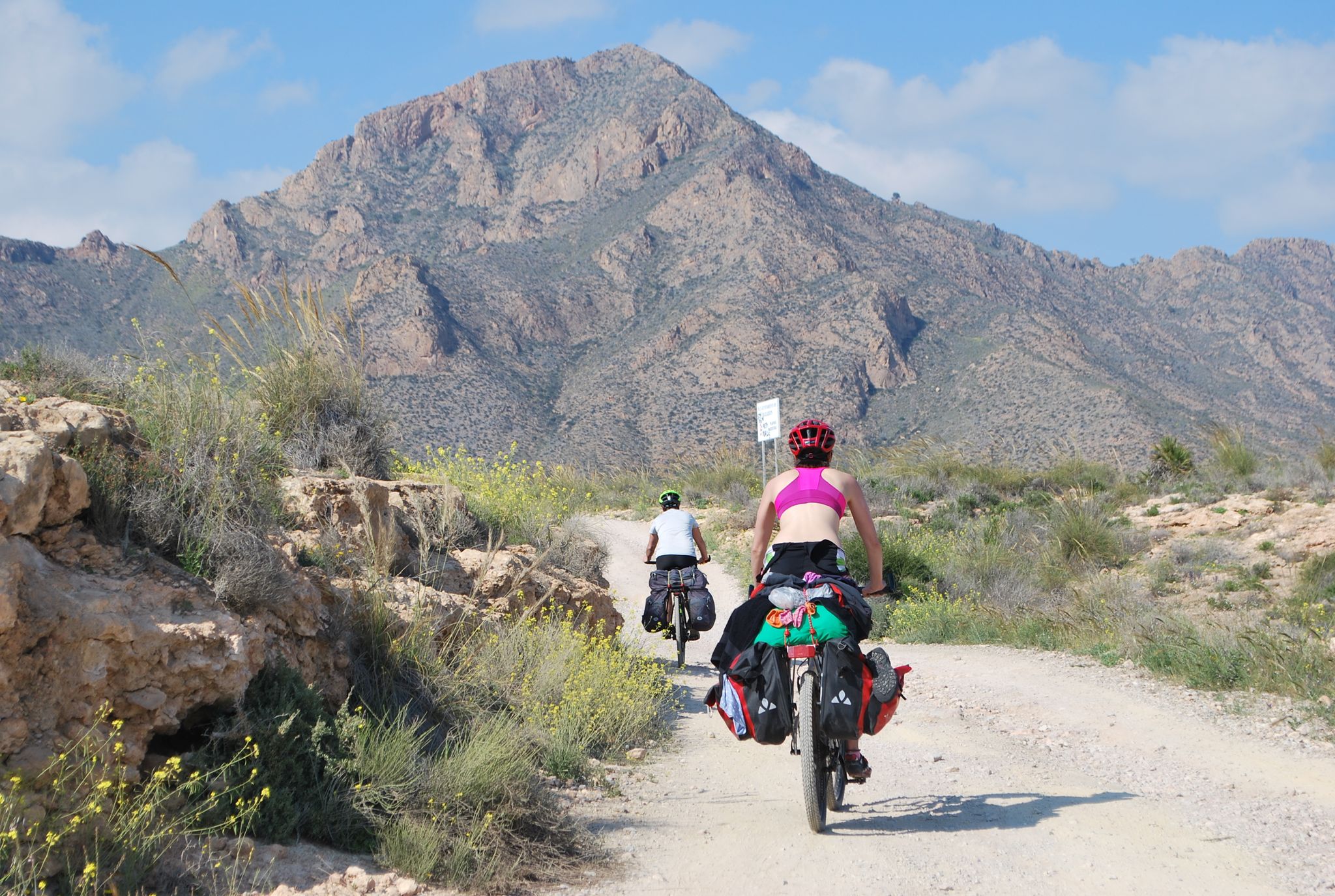
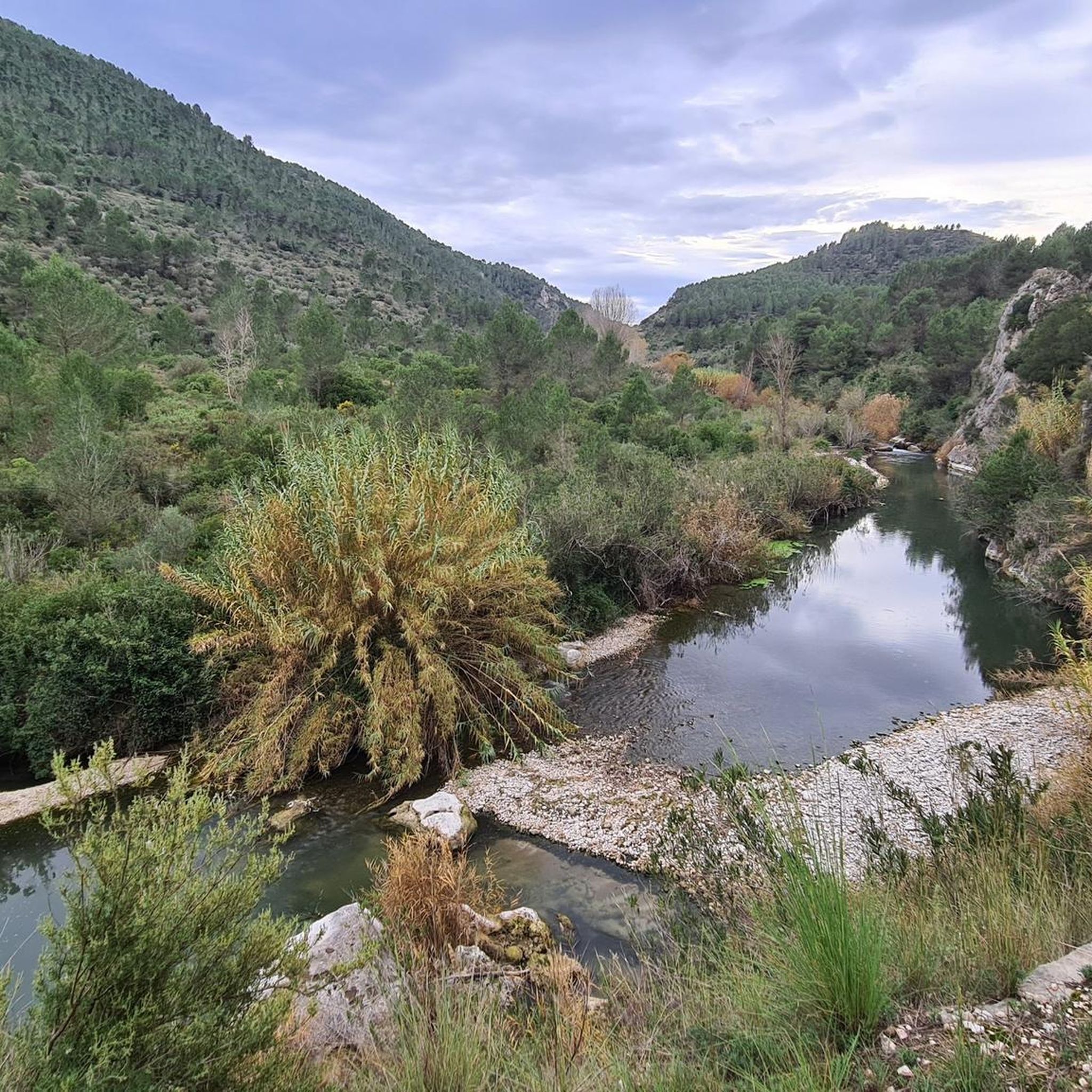
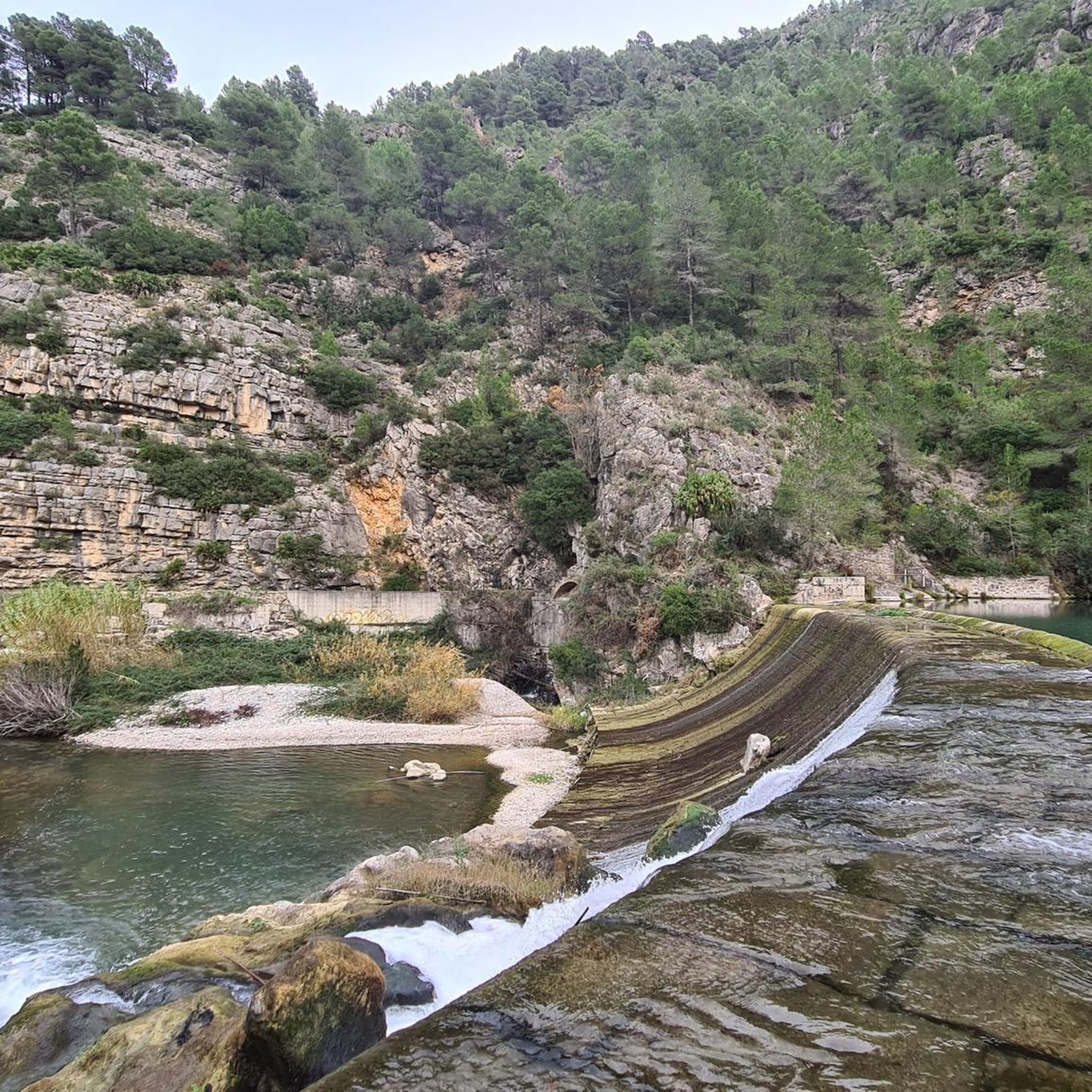
The Lorcha/Orxa region is excellent for various outdoor activities. You can find numerous cycling routes, including options for touring bicycles and mountain biking. Popular routes include those along the Serpis River, such as the "Serpis River – Azud del Infierno or del Forn loop." For more details on routes, you can explore the Cycling around Lorcha/Orxa or MTB Trails around Lorcha/Orxa guides.
Are there hiking trails that include or pass by caves in Lorcha/Orxa?
Yes, many hiking trails in the Lorcha/Orxa area incorporate cave visits or pass by them. For instance, the journey to Cueva Gorigori involves beautiful shaded paths. The area around Cim de la Safor (1,013 m) also offers challenging hikes that include cave features. You can find more hiking options in the region through komoot's route guides.
What are the parking and public transport options for accessing caves in Lorcha/Orxa?
Access to caves in Lorcha/Orxa typically involves reaching the nearest village or trailhead by car. Parking is usually available in or near the villages like L'Orxa. Public transport options might be limited, often requiring a combination of regional buses and then walking or a taxi to reach specific cave entrances or trailheads. For remote caves like Cova Llarga or Cova de L'Esbarzer, a private vehicle is often the most convenient option.
Are there any less crowded or unique caves to explore in Lorcha/Orxa?
While Cova dels Bassiets and Cova Llarga are well-known, Cueva Gorigori offers a unique glimpse into the region's traditional rural life, having served as a shelter for animals. Its route through shaded paths provides a more tranquil experience. The Cave highlight also offers a chance to see how ancestors used natural shelters, providing a unique perspective on historical living.
What should I wear when visiting caves in Lorcha/Orxa?
When visiting caves, it's advisable to wear comfortable clothing suitable for walking or hiking. Sturdy, closed-toe shoes with good grip are essential, as cave floors can be uneven and damp. Even on warm days, the temperature inside caves can be cooler, so bringing a light jacket or long-sleeved top is recommended. For deeper exploration, a headlamp or flashlight is crucial, as some caves may not have artificial lighting.
Most popular routes around Lorcha/Orxa
Most popular attractions around Lorcha/Orxa

Get inspired with the komoot mobile app


Explore more
Extend your search for the best caves by checking out these guides of the top ones around Lorcha/Orxa:
