Top 6 Caves around Asparrena
Caves around Asparrena are situated within the diverse natural landscapes of the Álava province in the Basque Country, Spain. This region features karst formations and mountainous terrain, providing a setting for various natural features and underground sites. The area offers opportunities to explore unique cave systems and geological formations. These natural attractions contribute to the region's appeal for outdoor enthusiasts.
Best caves around Asparrena
- The most popular caves is Eye of Aitzulo, a cave that offers extraordinary views from…
Last updated: July 4, 2026
San Adrián Tunnel
Highlight • Cave
Be careful if it is wet or damp as the stones slip a lot.
Translated by Google •
Tip by

Eye of Aitzulo
Highlight • Cave
From the cave parking lot, it's much steeper and zigzags. About 2.5 or 3 km with a lot of elevation gain.
Translated by Google •
Tip by

Sign up now to discover places like this
Get recommendations on the best single tracks, peaks, & plenty of other exciting outdoor places.
Sign up for free
Cueva de Los Cristinos
Highlight • Cave
Translated by Google •
Tip by

Naparaitz
Highlight • Summit
Translated by Google •
Tip by

Katarri
Highlight • Natural
Translated by Google •
Tip by
Sign up for free to discover even more caves around Asparrena.
Sign up for free
Already have an account?
Start today with a free account
Your next adventure awaits.
Login or Signup
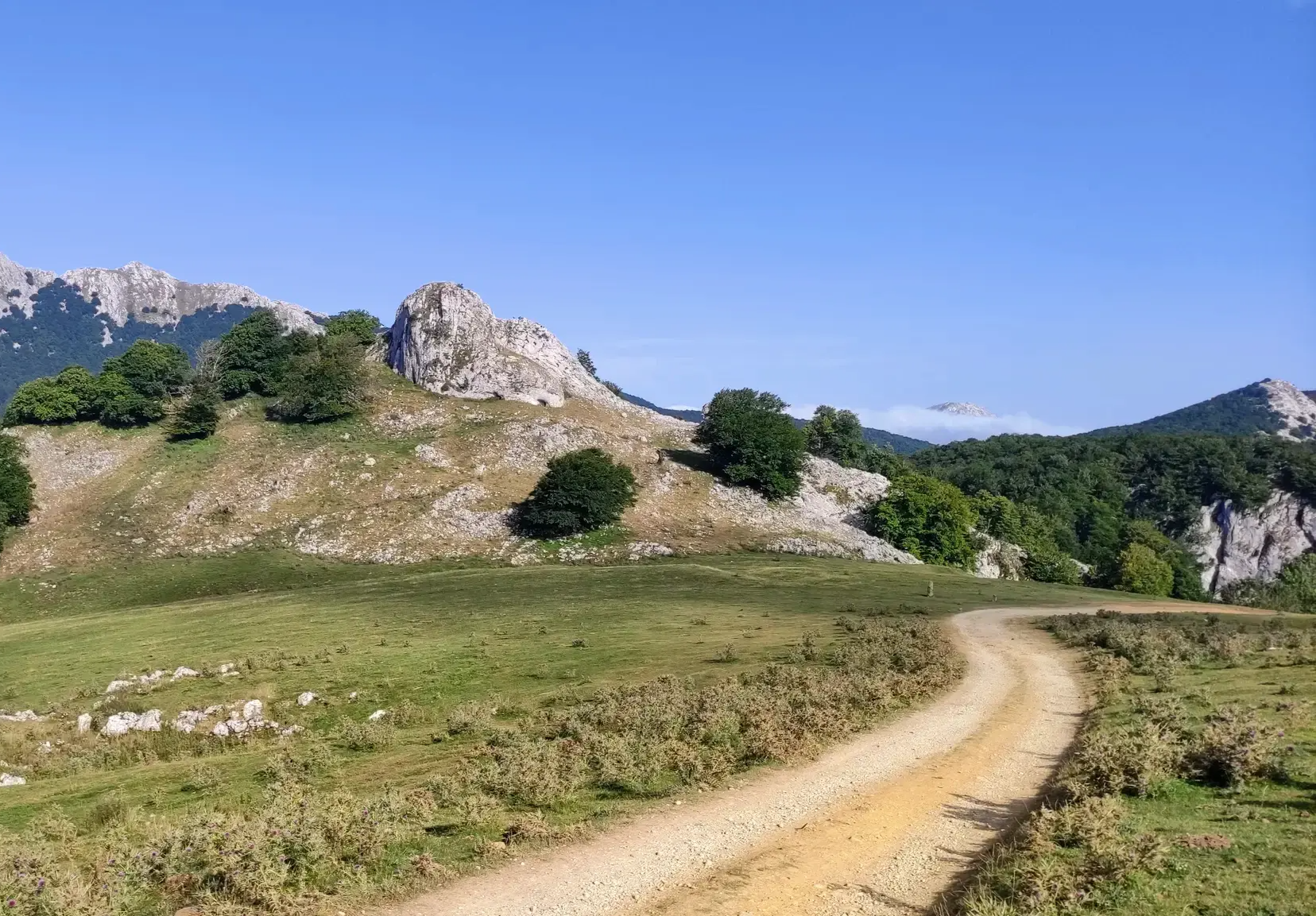
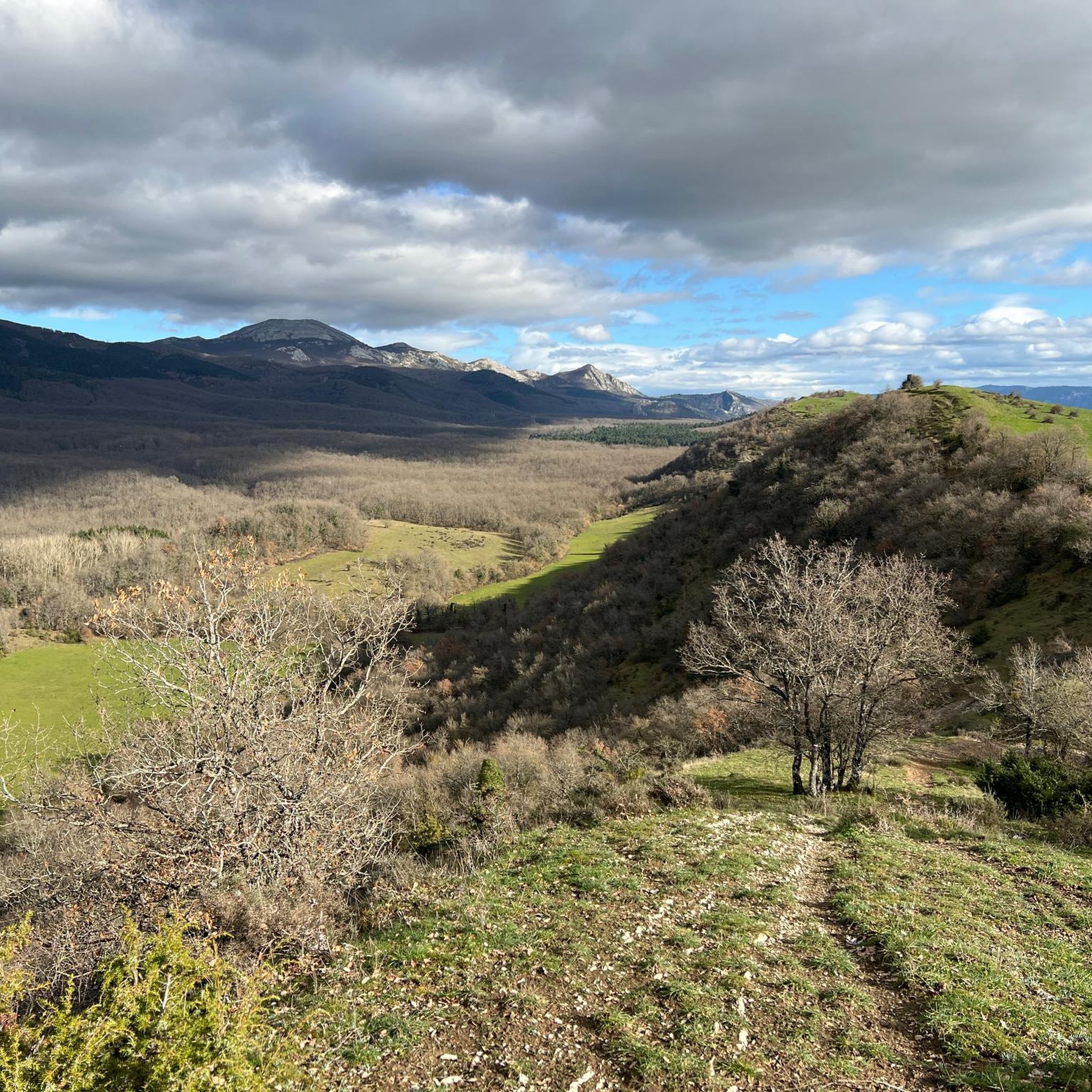
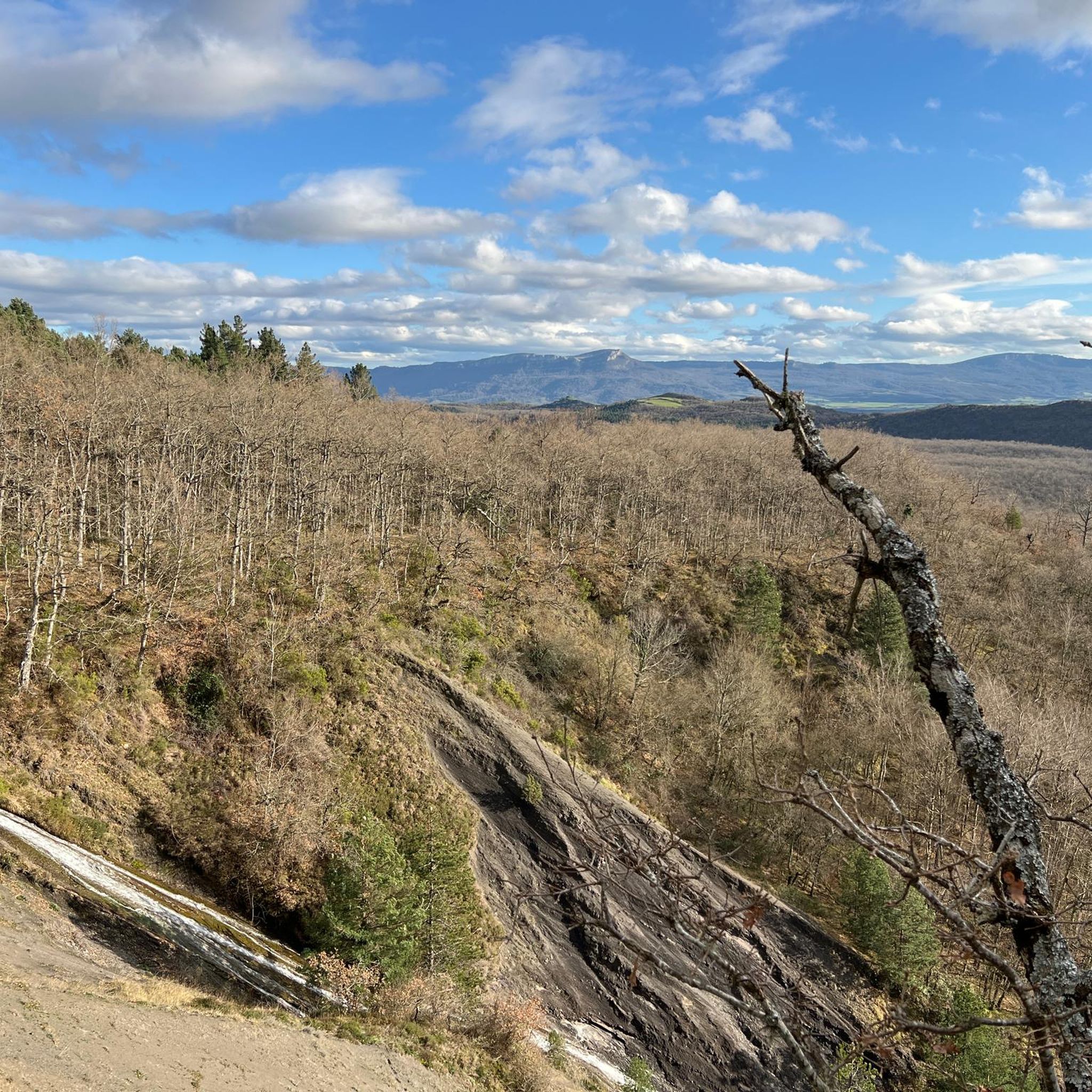
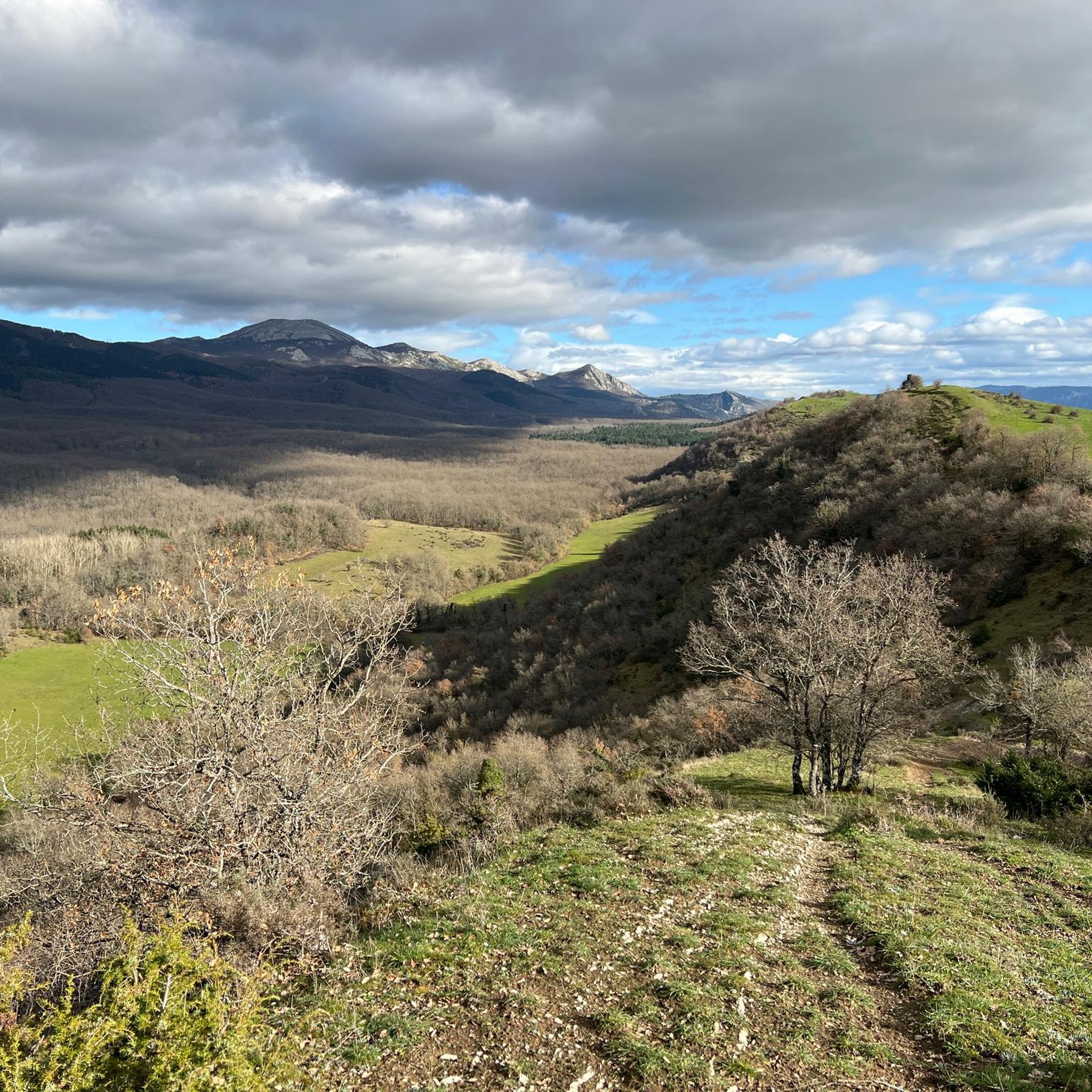


Other adventures around Asparrena

Tips from the Community


If you climb from Araotz, follow the PR, and the climb is very easy and short. From the cave parking lot, it's much steeper and zigzags. About 2.5 or 3 km with a lot of elevation gain.
2
1

A place to remember, a joy to visit.
4
0

Beautiful place, I recommend doing that route.
2
0

Beautiful place with incredible views❤
0
0

I went in July 2023. This cave is completely closed. There are signs from the Basque government saying DO NOT ENTER (and explaining the consequences and the work they're doing) and plastic tape blocking the entrance. There are lots of constructions tools around too. Don't expect to get in unless you're willing to destroy the small stone wall and all the tape blocking the entrance.
0
0
I stayed a few meters from the top, because the final climb exceeded the limit of my prudence.
1
0
Frequently Asked Questions
What types of caves can I explore around Asparrena?
The region around Asparrena, within the Álava province, offers a variety of cave experiences. You can find natural arches like the Eye of Aitzulo, historical tunnels such as the San Adrián Tunnel, and complex underground systems featuring lakes and streams, like Cueva de Los Cristinos. There are also unique rock formations and small caves within forested areas, such as Katarri.
Are there any historical caves in the Asparrena area?
Yes, the San Adrián Tunnel is a significant historical site. This 70-meter long tunnel, located at around 1000 meters altitude, has been used by merchants and pilgrims for centuries and contains a small chapel inside. Cueva de Los Cristinos also has an interesting history related to its name, dating back to the Carlist era.
What natural features can I expect to see in the caves around Asparrena?
The caves offer diverse natural features. The Eye of Aitzulo provides extraordinary views from its interior, showcasing impressive landscape value. Cueva de Los Cristinos features a lake and underground streams. You can also find labyrinthine rock formations and moss-covered areas, such as those at Katarri.
What is the best time of year to visit the caves near Asparrena?
While specific seasonal considerations for each cave may vary, generally, spring and autumn offer pleasant weather for exploring the natural landscapes and accessing cave entrances. During these seasons, temperatures are moderate, making outdoor activities more comfortable. Always check local conditions before your visit, especially regarding potential wet or slippery surfaces inside caves.
Are there family-friendly options for exploring caves around Asparrena?
While some caves might involve challenging terrain, the general area offers natural attractions that can be enjoyed by families. For specific cave exploration, it's advisable to check the difficulty level and any age restrictions for guided tours if available. For example, the San Adrián Tunnel is a relatively short and accessible historical site, though caution is advised on wet surfaces.
What outdoor activities can I combine with a visit to the caves?
The region around Asparrena is excellent for various outdoor activities. You can find numerous hiking trails, including challenging routes like 'Aratz and the integral cordal of the Montes de Altzania' or moderate options like 'Albeizko Haitza and Zirauntza River Source Loop'. There are also extensive options for gravel biking and road cycling, with routes suitable for different difficulty levels. For hiking, explore the hiking guide for Asparrena.
Are there any specific safety tips for visiting caves in this area?
When visiting caves like the Eye of Aitzulo or the San Adrián Tunnel, be aware that surfaces can be slippery, especially when wet. It's recommended to wear appropriate footwear with good grip. For deeper or more complex caves like Cueva de Los Cristinos, a good flashlight or headlamp is essential. Always check access conditions, as some sites might have temporary closures.
What are the accessibility considerations for caves around Asparrena?
Access to many caves in the region often involves hiking or walking on natural terrain, which can be uneven or steep. For instance, reaching the Eye of Aitzulo can involve a steep zigzag climb from the parking lot. The San Adrián Tunnel is at an altitude of around 1000 meters. Visitors should be prepared for varying levels of physical exertion and check specific trail conditions.
Are there any permits required for cave exploration in Asparrena?
For general access to natural monuments like the Eye of Aitzulo or the San Adrián Tunnel, specific permits are typically not required for casual visits. However, for more advanced caving or exploration of sensitive underground systems, especially within natural parks like Urbasa-Andia where Cueva de Los Cristinos is located, it is crucial to check with local authorities or park management for any necessary permits or guided tour requirements.
What do visitors particularly enjoy about the caves and natural sites near Asparrena?
Visitors frequently highlight the stunning natural beauty and unique experiences. The extraordinary views from inside the Eye of Aitzulo are often praised. The historical significance and unique setting of the San Adrián Tunnel, with its chapel, are also highly appreciated. The spectacular features, such as the lake and underground streams within Cueva de Los Cristinos, also leave a lasting impression.
Are there other notable caves in the wider Álava province that are publicly accessible?
While Asparrena itself doesn't have widely publicized tourist caves, the broader Álava province does feature notable examples. One of the best-known is the Mairuelegorreta Cave in Murua, which offers caving activities for various experience levels. It's known for its labyrinthine routes and beautiful formations like La Capilla and El Pozo del Diablo, often involving a 3-hour route.
Can I find accommodation or dining options near the caves in Asparrena?
Asparrena and its surrounding villages offer various accommodation options, including rural houses and small hotels. For dining, you can find local restaurants and pubs serving traditional Basque cuisine. It's recommended to check options in towns like Araia or other nearby communities within the municipality for convenience after your cave explorations.
Most popular routes around Asparrena
Most popular attractions around Asparrena

Get inspired with the komoot mobile app


Explore more
Extend your search for the best caves by checking out these guides of the top ones around Asparrena:
