Top 6 Castles around El Pla Del Penedès
Best castles around El Pla Del Penedès offer a glimpse into the region's rich history and strategic importance. El Pla Del Penedès, situated within Catalonia's Penedès region, features a landscape characterized by rolling hills and extensive vineyards. The area's historical significance is marked by its role as a border defense during medieval times, with many structures serving as watchtowers against past conflicts. Exploring these sites provides insight into ancient settlements and defensive architecture.
Best castles around El Pla Del Penedès
…Last updated: May 23, 2026
Sant Martí Sarroca Castle and Church Complex
Highlight • Castle
Translated by Google •
Tip by

Castle of La Granada
Highlight • Castle
Translated by Google •
Tip by

Sign up now to discover places like this
Get recommendations on the best single tracks, peaks, & plenty of other exciting outdoor places.
Sign up for free
Castell de Mediona
Highlight • Castle
Translated by Google •
Tip by
Subirats Castle
Highlight • Castle
Translated by Google •
Tip by

Masia/Castle of Penyafel
Highlight • Castle
Translated by Google •
Tip by

Sign up for free to discover even more castles around El Pla Del Penedès.
Sign up for free
Already have an account?
Start today with a free account
Your next adventure awaits.
Login or Signup
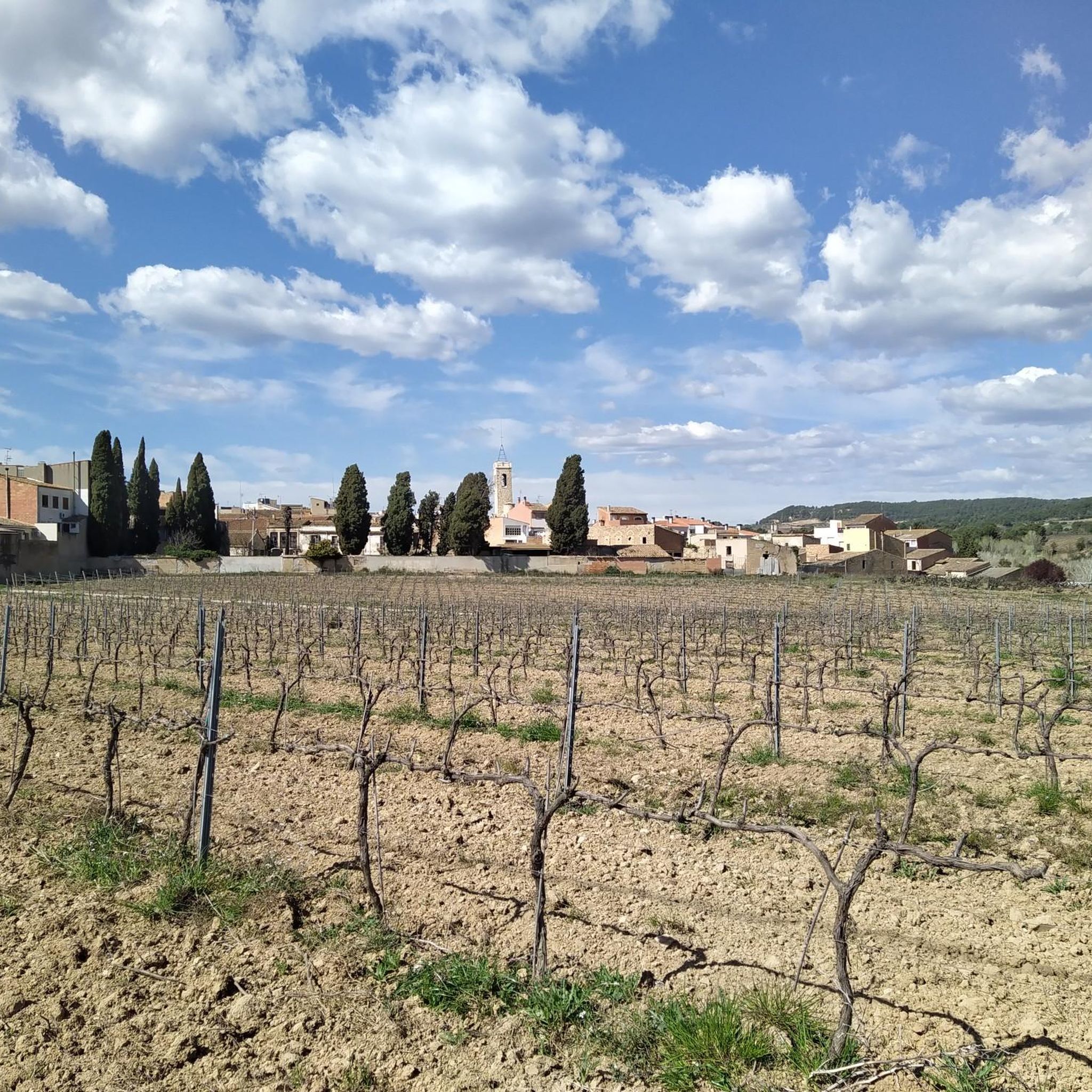

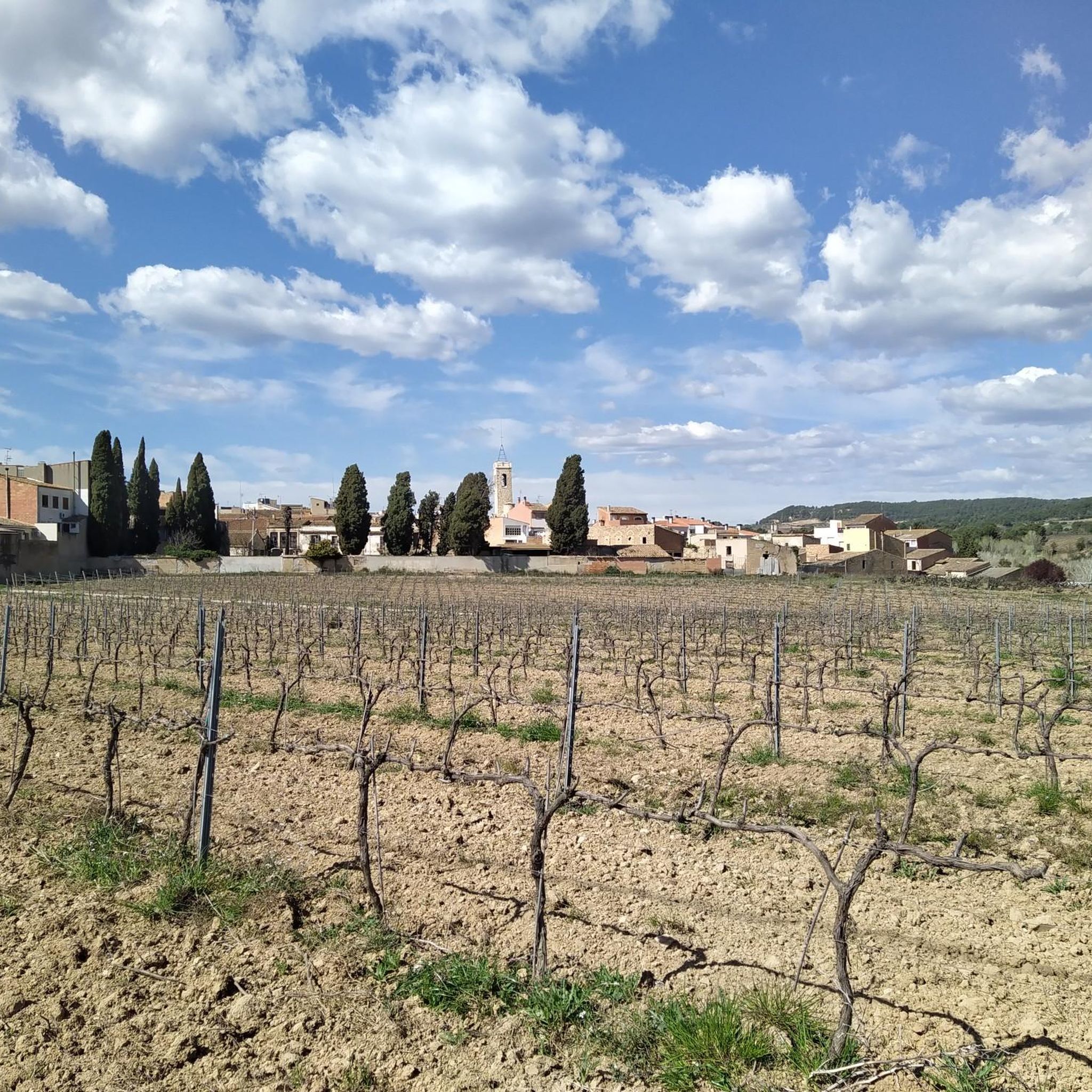
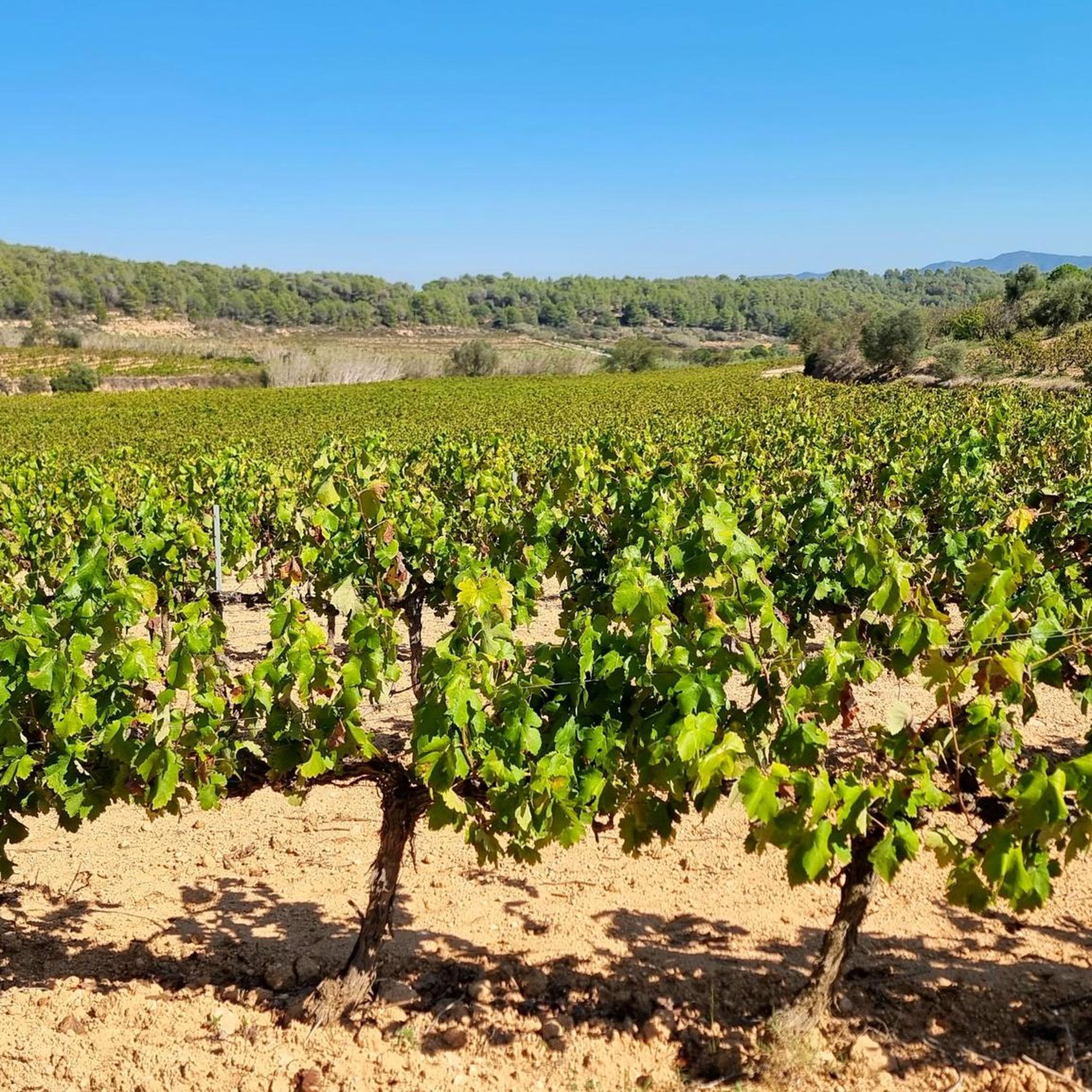
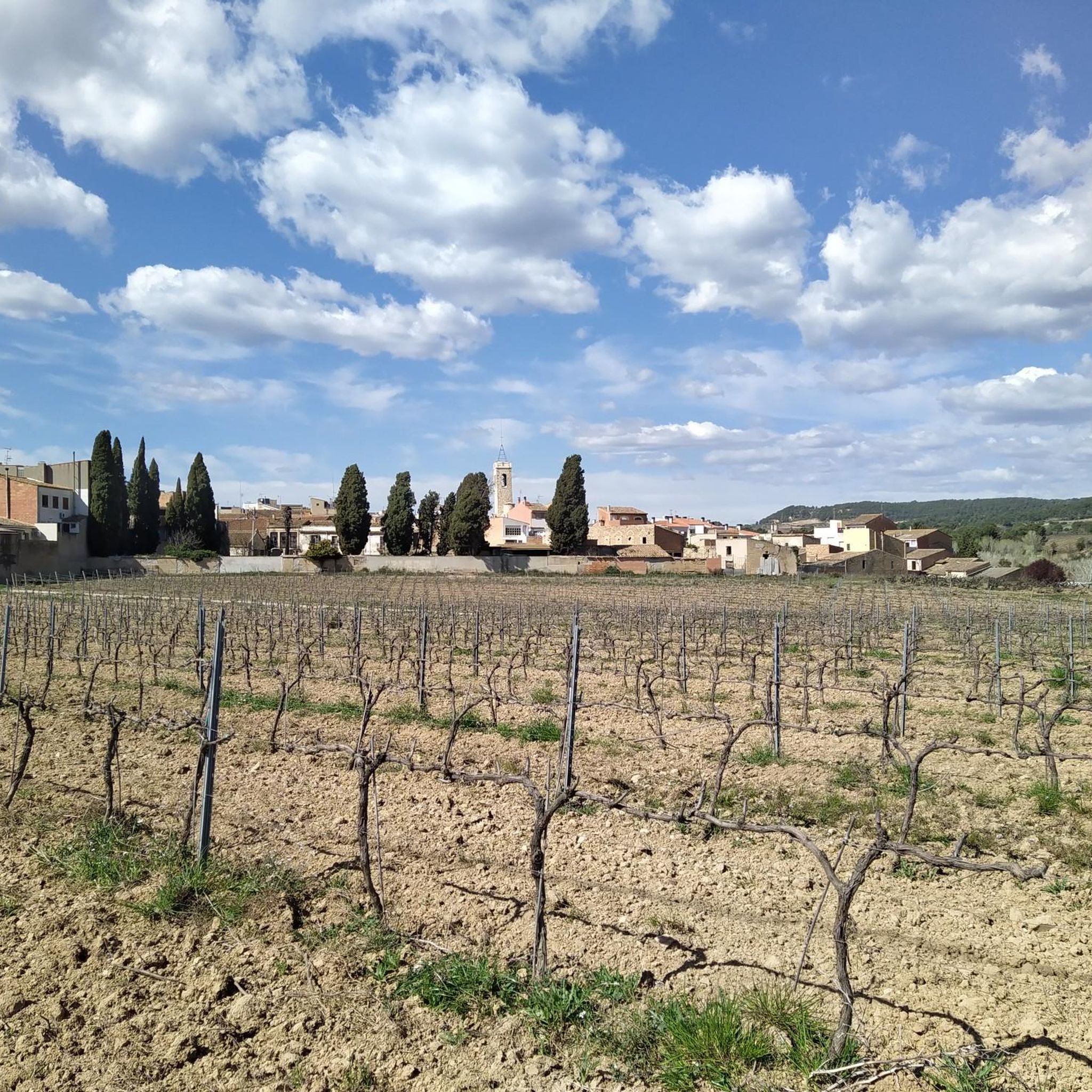
Tips from the Community

There is little more to add to what Peaknik explains so well. You have to look closely to see the ruins of the castle.
0
0

From here you can contemplate the eastern Penedes valley with the witness of the Montserrat mountains in the background. Take a breath and go down the trail to the medieval town of Torre Ramona (Subirats).
1
0

Beautiful castle that is located at the top of one of the hills. Its ancient towers are still preserved in good condition!
0
0

Turó de la Roca has historically been a prominent point in the municipality of Sant Martí Sarroca. Although the first references are from the 10th century, when it served as a surveillance and protection point, there are indications of previous Iberian and Roman settlements. The monumental complex is made up of the Romanesque church of Santa María, restored in 1906, and the castle of Sant Martí, built in the 11th century.
0
0

The Penyafel farmhouse is located in the municipality of Santa Margarita and Monjós. Its construction began in the 11th century and designed in the Renaissance style
0
0
The Castell de Mediona has been documented since 954, having passed through different owners throughout history, something that can be seen in the different architectural forms that can be seen in its remains. The oldest construction is a semicircular tower of which only the first floor and an adjoining enclosure remain. A second construction phase provided new fortifications, such as a bastion and a rectangular Gothic room (SXIV). A third construction phase raised two new square towers (SXV). Inside the fortification there is a church dedicated to Santa María (SXIV).
0
0
The Castell de Mediona has been documented since 954, having passed through different owners throughout history, something that can be seen in the different architectural forms that can be seen in its remains. The oldest construction is a semicircular tower of which only the first floor and an adjoining enclosure remain. A second construction phase provided new fortifications, such as a bastion and a rectangular Gothic room (14th century). A third construction phase raised two new square towers (15th century). Inside the fortification there is a church dedicated to Santa María (14th century).
0
0
The turó de la Roca has historically been a prominent point in the municipality of Sant Martí Sarroca. Although the first references are from the 10th century, when it served as a surveillance and protection point, there are signs of previous Iberian and Roman settlements. It is made up of the Romanesque church of Santa María, restored in 1906, and the castle of Sant Martí, built in the 11th century.
1
0
Frequently Asked Questions
What historical significance do the castles in El Pla Del Penedès have?
The castles in El Pla Del Penedès played a crucial role as border defenses during medieval times, particularly against Al-Andalus, and continued to be strategically important through various conflicts. Sites like Olèrdola Castle show evidence of settlements dating back 4,000 years, highlighting the region's long history as a strategic enclave. Many structures, such as the Sant Martí Sarroca Castle and Church Complex, served as surveillance and protection points, with some even having Iberian and Roman origins.
Which castles offer the best views of the Penedès region?
Several castles provide excellent panoramic views. From Subirats Castle, you can contemplate the eastern Penedès valley with the Montserrat mountains in the background. The Sant Martí Sarroca Castle and Church Complex also offers great views of the Penedès after a short, crisp climb. Additionally, Castellet Castle, overlooking the Foix reservoir, provides a picturesque setting.
Are there any ancient ruins or archaeological sites related to these castles?
Yes, the Monumental Complex of Olèrdola is a significant archaeological site. It includes the castle, Roman walls, silos or cisterns, and the 10th-century church of San Miguel de Olèrdola, with settlements dating back to the Bronze Age. The site also houses the Museum of Archeology of Catalonia-Olèrdola. The Castle of La Granada also consists of remains from a 10th-century fortification, with only some walls preserved after centuries of historical events.
What outdoor activities can I combine with a castle visit in El Pla Del Penedès?
The region around El Pla Del Penedès is excellent for outdoor activities. You can combine castle visits with gravel biking, cycling, or hiking. For example, there are several gravel biking routes like 'Gravel through Penedès, the capital of cava' or 'Gravel with sea views in Penedes'. You can find more details on these activities in the Gravel biking around El Pla Del Penedès guide, the Cycling around El Pla Del Penedès guide, or the Hiking around El Pla Del Penedès guide.
Are there hiking trails near the castles in El Pla Del Penedès?
Yes, there are numerous hiking trails that can be explored near the castles. Routes such as 'Crossing of the Rovira stream – El Pla del Penedès loop' or 'Miravinya “La Cadira” Viewpoint – Miravinya La Cadira loop' offer moderate difficulty and allow you to experience the scenic landscape. For more hiking options, refer to the Hiking around El Pla Del Penedès guide.
What do visitors enjoy most about the castles in El Pla Del Penedès?
Visitors appreciate the rich history and the stunning views offered by these sites. Many enjoy the short, crisp climbs to castles like Sant Martí Sarroca Castle and Church Complex, which reward them with panoramic vistas. The presence of extensive vineyards surrounding towns like Sant Martí Sarroca also adds to the charm, making the experience of exploring these historical landmarks even more enjoyable.
Are there any castles that were transformed or adapted over time?
Yes, the Masia/Castle of Penyafel is a notable example. Originally a medieval building from the 11th century, it was transformed into a farmhouse during the 17th century and later designed in the Renaissance style. This adaptation reflects the changing needs and uses of these structures throughout history.
What is the best time to visit the castles in El Pla Del Penedès?
The Penedès region generally enjoys a Mediterranean climate. Spring (April-June) and autumn (September-October) are often ideal, offering pleasant temperatures for exploring the outdoor sites and enjoying the surrounding vineyards without the intense heat of summer. Winter visits can also be charming, with fewer crowds and a different atmospheric quality.
Are there any castles that are particularly well-preserved or restored?
Castellet Castle (Castell de Castellet i la Gornal) is known for being a well-preserved castle. Documented since the 10th century, it features notable round and square towers, including a 15-meter high keep, and high defensive walls, offering a clear glimpse into its medieval structure.
Can I find facilities like water refills at any of the castle sites?
Yes, at the Sant Martí Sarroca Castle and Church Complex, there are freely accessible rooms with washbasins where visitors can refill their water bottles, which is convenient for those exploring the site and its surroundings.
Are there any castles that are considered national cultural assets?
Yes, Castell de Penyafort, a complex of buildings dating back to the 11th century, is considered a national cultural asset. It includes a former fortified manor, a convent, and a church, and is believed to be the birthplace of Sant Raimon of Penyafort, a significant historical figure.
Most popular routes around El Pla Del Penedès
Most popular attractions around El Pla Del Penedès

Get inspired with the komoot mobile app


Explore more
Looking for the best castles somewhere else? Discover other guides around El Pla Del Penedès:
