Top 9 Caves around Els Hostalets De Pierola
Best caves near Els Hostalets de Pierola are found within a region known for its paleontological heritage and proximity to Montserrat Mountain. The area features natural geological formations, including various cave systems. These sites offer insights into geological processes and historical human habitation. Visitors can explore a range of natural cavities and historical shelters.
Best caves around Els Hostalets De Pierola
- The most popular caves is Cave of Our Lady of Montserrat, a cave that houses an oratory dedicated…
Last updated: July 4, 2026
Font de l'Esllavissada
Highlight • Cave
off the cliff, hence the toponym of the landslide. Inside there is a small perennial water …
Translated by Google •
Tip by

Pruneres Cave
Highlight • Cave
Despite the fact that in many maps and texts it appears as a balm, we prefer to mention it …
Translated by Google •
Tip by
Sign up now to discover places like this
Get recommendations on the best single tracks, peaks, & plenty of other exciting outdoor places.
Sign up for free
Cave of Our Lady of Montserrat
Highlight • Cave
Translated by Google •
Tip by

Cova de l'Arcada
Highlight • Cave
Translated by Google •
Tip by

The Birdhouse of Montserrat
Highlight • Cave
Translated by Google •
Tip by
Sign up for free to discover even more caves around Els Hostalets De Pierola.
Sign up for free
Already have an account?
Start today with a free account
Your next adventure awaits.
Login or Signup
Popular around Els Hostalets De Pierola
Road Cycling Routes around Els Hostalets De Pierola
MTB Trails around Els Hostalets De Pierola
Running Trails around Els Hostalets De Pierola
Hiking around Els Hostalets De Pierola
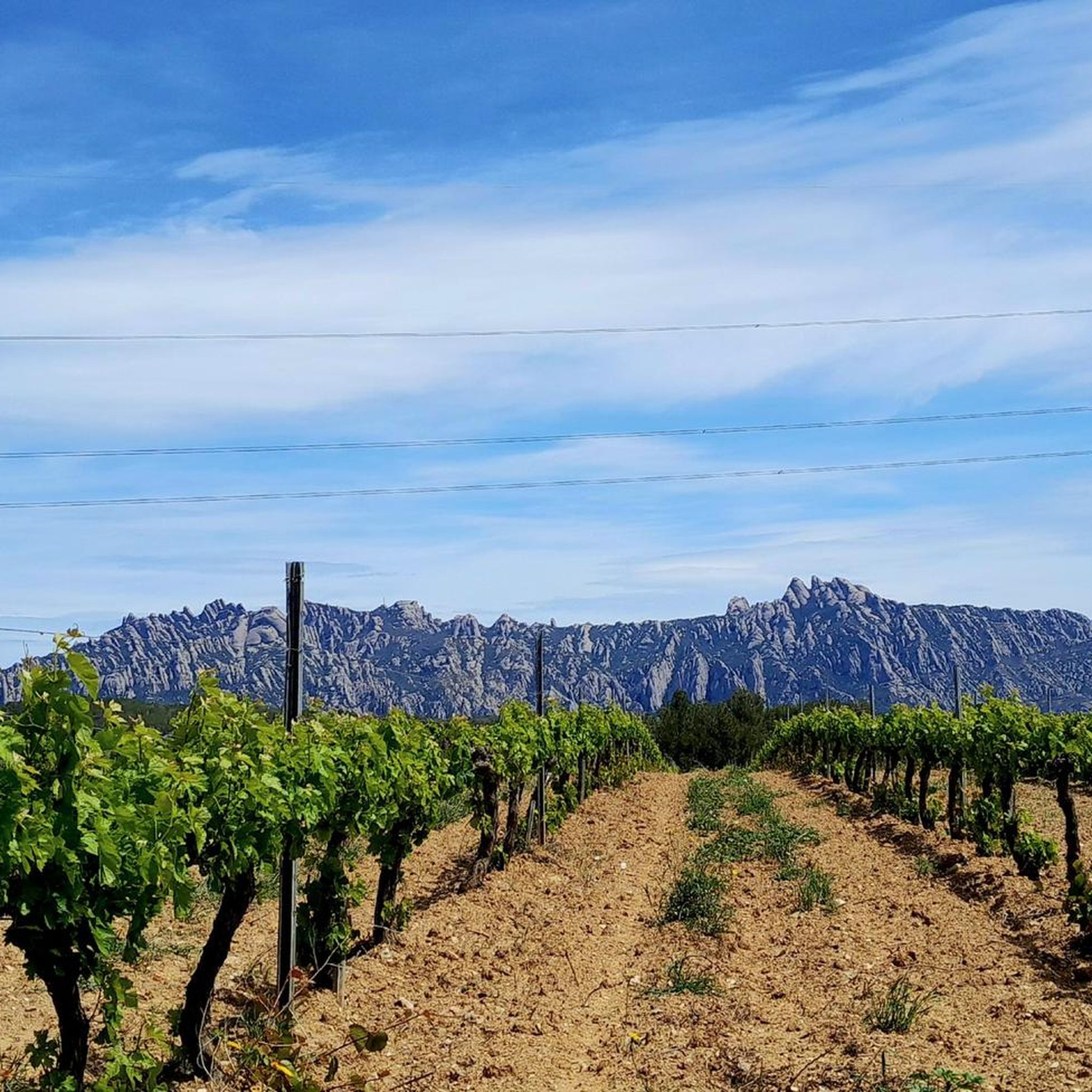
Cycling around Els Hostalets De Pierola
Gravel biking around Els Hostalets De Pierola
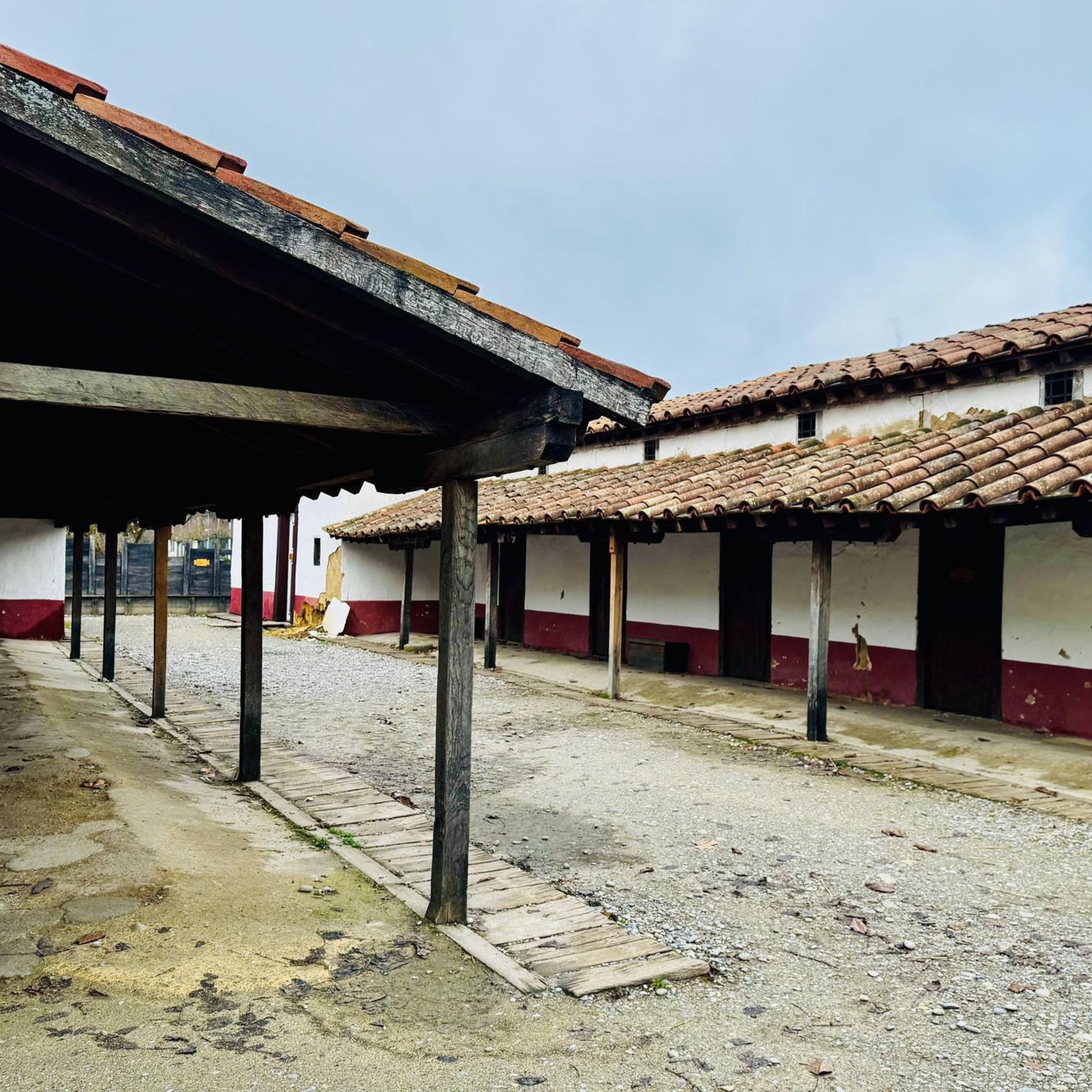
Mountain Hikes around Els Hostalets De Pierola
Tips from the Community

Interesting black virgin.
0
0

Oratory dedicated to Our Lady of Montserrat where we can see a small image with offerings of rosemary. It is located about 60 meters below the hermitage of Sant Salvador. It is usually open on the same days as the hermitage of Sant Salvador.
1
0
Spacious balma that had been enabled as a refuge in Montserrat Despite the fact that in many maps and texts it appears as a balm, we prefer to mention it as a cave, which is what it is in reality and, moreover, this is how it appears on the map of the Cartographic and Geological Institute of Catalonia. It is a fairly spacious cave, it is 16 meters deep and 45 meters wide, inside there is a small wall of stones. Josep Fatjó tells us about this cavity, "it was fixed throughout the year 1959 and on the day of the inauguration the climbing monks said a mass". In the cave there was a wall in front of wood, bedrooms with two rows of wooden bunks and logs with a capacity for about 15-20 people, there was also a firewood store and a dining room with a fireplace, all made by members of the GAM of the Barcelonès Mountain Club. The unsightly people who roam the mountains with their lack of civility have dedicated themselves to burning everything and have reduced this emblematic place to a pile of ashes.
0
0
Cavity 23 meters long by 5 meters wide. It is formed under some rocks off the cliff, hence the toponym of the landslide. Inside there is a small perennial water cistern, built in 1947, and next to it there is a chest with a fountain, which although years ago we had seen in good condition, is currently unusable. All of this favored the climbers' stay. Known since time immemorial. Mentioned in all the collections of cavities and guides of Montserrat, but of little speleological interest.
1
0

Small fountain hidden inside a bauma.
0
0
On the northern slope of the Serrat del Cabrit, there is a deep torrent hidden in the shade of holm oaks: the Coma Alta. This torrent, usually dry, descends in a SW direction until it reaches a vertical jump of 50 meters. At the foot of this jump, we find the Cova de l'Arcada. Unlike the Salnitre, the Arcada is not underground and has a small entrance. It's just the opposite: open and shallow, but of colossal size. Its monumental arch is approximately 30 meters high by 60 meters wide and 10 meters deep. Canyoning enthusiasts can access it from above, through the Torrent de la Coma Alta, abseiling to the entrance of the cave.
0
0
It was located at the head of the torrent of the same name, under the rocks known as the viewpoint of Sant Joan, about fifty meters below the hermitage of Sant Joan, a little to the right of the ravine, facing south, at an altitude of 985 meters. For the construction, a wide balma was used, in which some parts of the walls are still standing, holes to point the beams, and, above all, the important pipes worked in the rock, of considerable depth and very well distributed for water conduction. Due to its excellent orientation towards the south and well sheltered, it had a reputation for sheltering many nests, especially nightingales and blackbirds, so much so that it was known by the Montserrat Birdhouse.
0
0

Cave descending from Sant Salvador d'Espases. There is a virgin.
5
0
Frequently Asked Questions
What are the most notable caves near Els Hostalets de Pierola?
The most significant caves in the vicinity are the Montserrat Caves, also known as the Salnitre or Collbató Caves, located at the base of Montserrat Mountain. These feature extensive formations and prehistoric significance. Within the immediate area, you can explore the Cave of Our Lady of Montserrat, which houses an oratory, and Font de l'Esllavissada, a natural monument with a perennial water cistern.
What kind of geological features can I expect to see in the caves around Els Hostalets de Pierola?
The Montserrat Caves are renowned for their diverse speleothems, including impressive stalactites, stalagmites, columns, and flags. These formations are created by the slow dripping of water. Other local caves, like Font de l'Esllavissada, are natural cavities formed under cliff rocks, while Cova de l'Arcada features a monumental arch approximately 30 meters high by 60 meters wide.
Do the caves near Els Hostalets de Pierola have any historical significance?
Yes, the Montserrat Caves served as a habitat for the first settlers of Montserrat, offering insights into prehistoric human habitation. They are also said to have inspired artists like Antoni Gaudí. The Cave of Our Lady of Montserrat is a historical and religious site with an oratory, and The Birdhouse of Montserrat is a historical site known for its unique water conduction system and reputation for sheltering birds.
Are the caves around Els Hostalets de Pierola accessible for all visitors?
The Montserrat Caves require a guided visit and involve climbing 244 exterior steps to the entrance, followed by approximately 500 internal steps, covering a vertical distance of 64 meters. This makes them challenging for those with mobility issues. Some local caves, like Cova de l'Arcada, are described as 'challenging' and may require canyoning skills to access from above.
What is the best time of year to visit the caves?
The Montserrat Caves maintain a constant temperature of 14°C and 99% humidity year-round, making them a suitable visit in any season. However, the exterior approach and surrounding hiking trails are best enjoyed during spring and autumn when the weather is milder. Summer can be hot, and winter might bring colder conditions to the mountain paths.
What should I wear when visiting the caves?
For the Montserrat Caves, comfortable sports shoes are recommended due to the numerous steps. Warm clothing is also advisable, as the interior temperature remains a constant 14°C with high humidity, which can feel cool even on a warm day. For other local caves, sturdy footwear is always a good idea, especially if exploring uneven terrain.
Are there family-friendly caves near Els Hostalets de Pierola?
The Montserrat Caves offer a guided tour that can be educational and engaging for families, explaining geological processes and historical importance. However, the significant number of steps (over 700 in total) might be challenging for very young children or those with limited mobility. Always check specific accessibility requirements for each cave.
What outdoor activities can I do near these caves?
The region around Els Hostalets de Pierola offers various outdoor activities. You can find numerous mountain hikes, including challenging routes around Montserrat. There are also road cycling routes and MTB trails that allow you to explore the natural landscapes surrounding the cave areas.
Are there hiking trails that include cave exploration?
Yes, many hiking trails in the Montserrat area and around Els Hostalets de Pierola pass by or lead to various caves and natural shelters. For example, the Cave of Our Lady of Montserrat is located below the hermitage of Sant Salvador, often accessed via hiking paths. Similarly, Cova del Cabrit is a spacious shelter known to climbers and hikers.
Where can I find parking for the caves?
For the Montserrat Caves (Salnitre/Collbató Caves), parking is typically available in the nearby town of Collbató, from where you can access the cave entrance. For other local caves, parking availability varies, and you may need to park at trailheads or designated areas and hike to the cave locations. Always check local signage.
Are there any cafes or places to eat near the caves?
Near the Montserrat Caves in Collbató, you will find options for cafes and restaurants. For other caves located within natural areas around Els Hostalets de Pierola, dining options might be limited to the nearest villages or towns. It's advisable to carry snacks and water, especially if embarking on longer hikes.
What do visitors enjoy most about the caves in this region?
Visitors appreciate the unique geological formations, the historical context of human habitation, and the natural beauty of the caves. The guided tours, particularly at the Montserrat Caves, are highly valued for their educational content. The opportunity to combine cave exploration with hiking in the stunning Montserrat mountain range is also a major draw.
Most popular routes around Els Hostalets De Pierola
Most popular attractions around Els Hostalets De Pierola

Get inspired with the komoot mobile app


Explore more
Extend your search for the best caves by checking out these guides of the top ones around Els Hostalets De Pierola:
