Top 6 Castles around Saelices
Best castles around Saelices are found in a municipality in the province of Cuenca, Spain. This region is known for its historical fortifications, including the 15th-century El Castillejo, also known as Luján Castle. The area features a landscape with low hills and views over the Cigüela river, near the Roman city of Segóbriga. This historical landscape offers a blend of medieval architecture and significant sites.
Best castles around Saelices
- The most popular castles is Views of the Castle of Puebla…
Last updated: August 13, 2026
Monastery of Uclés
Highlight • Religious Site
From Madrid starts a famous pilgrimage route called the …
Translated by Google •
Tip by

Views of the Castle of Puebla de Almenara
Highlight • Viewpoint
Translated by Google •
Tip by

Sign up now to discover places like this
Get recommendations on the best single tracks, peaks, & plenty of other exciting outdoor places.
Sign up for free
Monastery of Uclés and Castle
Highlight • Religious Site
Translated by Google •
Tip by
Luján Castle
Highlight • Castle
Translated by Google •
Tip by

Start today with a free account
Your next adventure awaits.
Login or Signup
Popular around Saelices
Tips from the Community

You have to climb up to the antenna of the hermitage of the Virgin of Mercy, along the road on the side of the hermitage, it is a tough 400 meters but it is worth it.
0
0

The Monastery welcomes you at the top of the village with a stunning view from the road leading to Uclés. After a long bike ride, it is a good reward.
0
0

Uclés is a very beautiful city but the monastery located there is something extraordinarily spectacular that is definitely worth visiting. Nowadays you can visit a part of the monastery by paying an entrance fee, since not everything is included in the interior tour, and also it no longer offers the possibility of staying there, which is a shame because sleeping in its rooms would be quite an experience. unique in the world.
12
0
This point is wrong because the town of Uclés is a few kilometers further from here.
12
0
Built by the Order of Santiago, construction began in 1529 while Charles I reigned and was completed in 1735 under the reign of Philip V. Monumental construction that leaves no one indifferent, and that during the civil war was first a hospital for one side and later a prison for the other. You can visit it by paying an entrance fee and it is no longer used as a guest house because only one monk lives there, who possibly does not reside there at the time I write this chronicle.
2
0
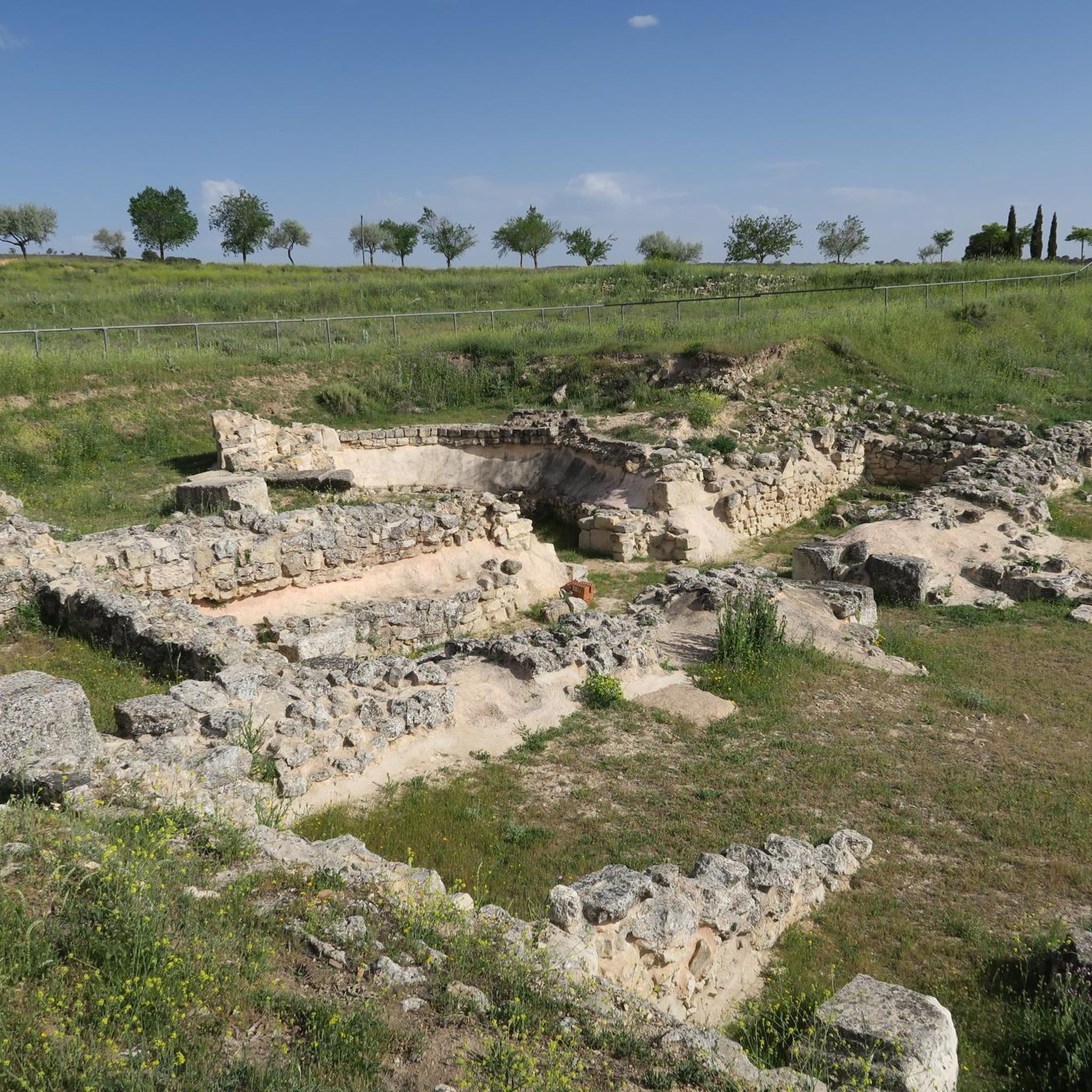
It is a fortification from the Middle Ages in ruins, and very close to the town that gives its name to the old castle: Puebla de Almenara, a town in the province of Cuenca that in 2023 has a census of 331 residents.
4
0
This spectacular building built by the Order of Santiago is the end of the route or pilgrimage path that starts from the Church of Santiago in Madrid, and is usually done by numerous pilgrims both on foot and by bike.
1
0

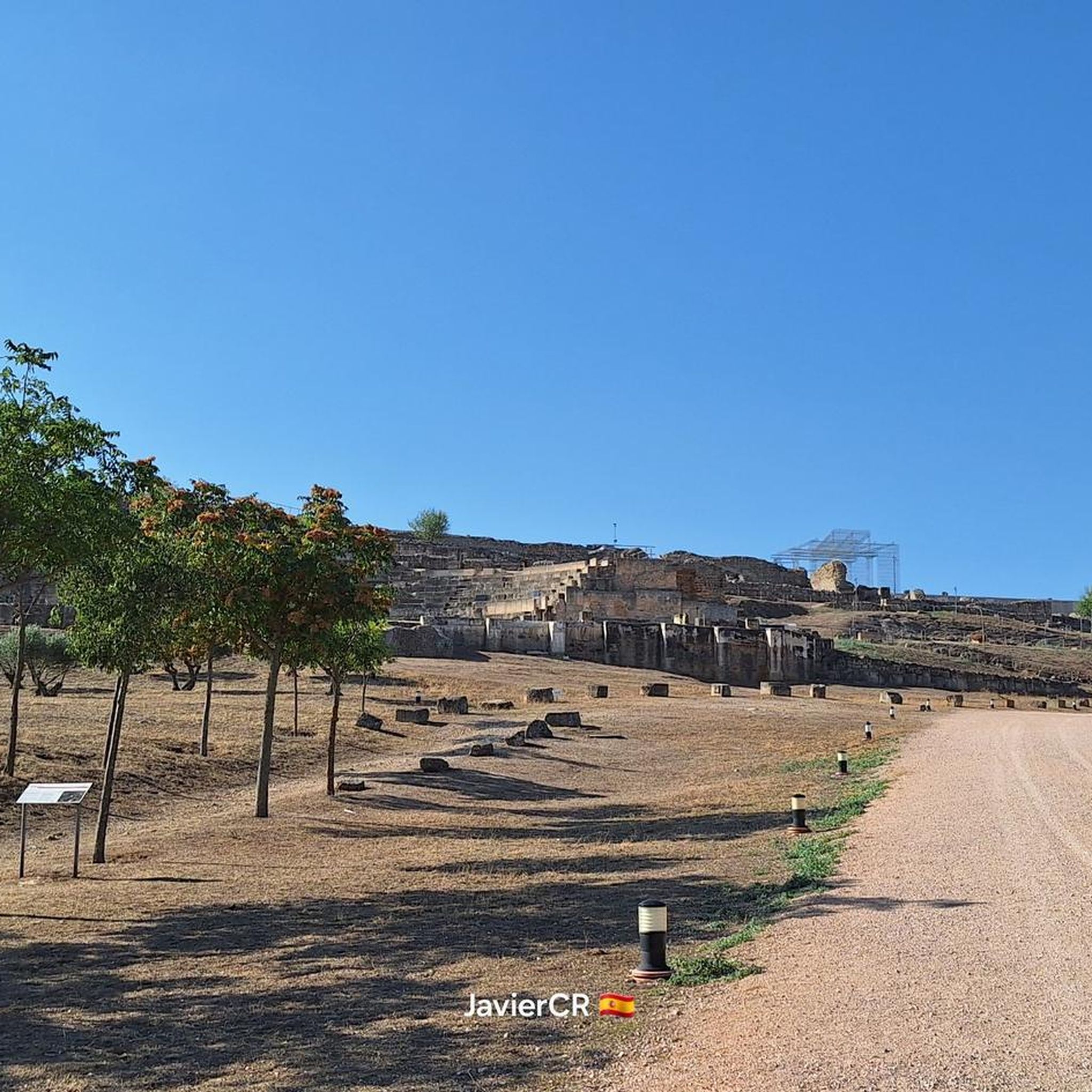
It is a 16th century Renaissance-style construction that is based on an old fort house. Due to the thin thickness of its walls and embrasures, it is evident that, rather than a military intention, the structures were dedicated to residential use. It is currently in the process of reconstruction.
2
0
Frequently Asked Questions
What historical sites can I explore near Saelices besides castles?
The region around Saelices is rich in history. You can visit the Roman city of Segóbriga, which is close to Luján Castle. This archaeological park offers a glimpse into ancient Roman life and is a significant landmark in the area. Additionally, the Monastery of Uclés and Castle, known as 'El Escorial de La Mancha', is built on an old 9th-century castle and played a key role in the Reconquest.
Are there good viewpoints to see the castles and surrounding landscape?
Yes, the area offers excellent viewpoints. One notable spot is Views of the Castle of Puebla de Almenara, which provides panoramic views of a medieval fortification in ruins and the entire surrounding area. The climb to this viewpoint is steep but rewarding.
What are the architectural characteristics of the castles in the Saelices area?
The castles around Saelices showcase a blend of architectural styles. For instance, Luján Castle (also known as El Castillejo) is a 16th-century Renaissance-style construction built on an older fort house, featuring both defensive and residential elements. It has a unique design with a prominent entrance bastion, six towers, and decorative features like machicolations and ogee brick windows, despite its current ruined state. The Monastery of Uclés and Castle retains three towers and part of its original 9th-century wall, reflecting its medieval origins.
What outdoor activities can I do near the castles around Saelices?
The Saelices area is great for outdoor enthusiasts. You can find various cycling and mountain biking routes that pass by historical sites. For road cycling, consider routes like the 'Segóbriga and Uclés Monastery Loop' or the 'Segóbriga Archaeological Park Loop from Saelices'. If you prefer mountain biking, options include the 'Puebla de Almenara, Segóbriga, and Hoz del Cigüela MTB Loop' or the 'Hoz del Cigüela y Castillo — circular desde Saelices'. You can find more details on these and other routes in the Road Cycling Routes around Saelices, Cycling around Saelices, and MTB Trails around Saelices guides.
Are there family-friendly activities or castles to visit in the Saelices area?
While the castles themselves are historical ruins, exploring them can be an educational and engaging activity for families interested in history. The vast grounds of sites like the Monastery of Uclés and Castle and the nearby Segóbriga Archaeological Park offer space for children to explore. The scenic routes around these sites, such as easy cycling or walking paths, can also be enjoyed by families.
What is the best time of year to visit the castles around Saelices?
The best time to visit the castles around Saelices is generally during the spring (April-May) and autumn (September-October) months. During these periods, the weather is typically mild and pleasant for exploring outdoor historical sites and enjoying the surrounding natural landscape. Summers can be very hot, and winters can be chilly, making extensive outdoor exploration less comfortable.
Are there any natural features or wildlife to observe near the castles?
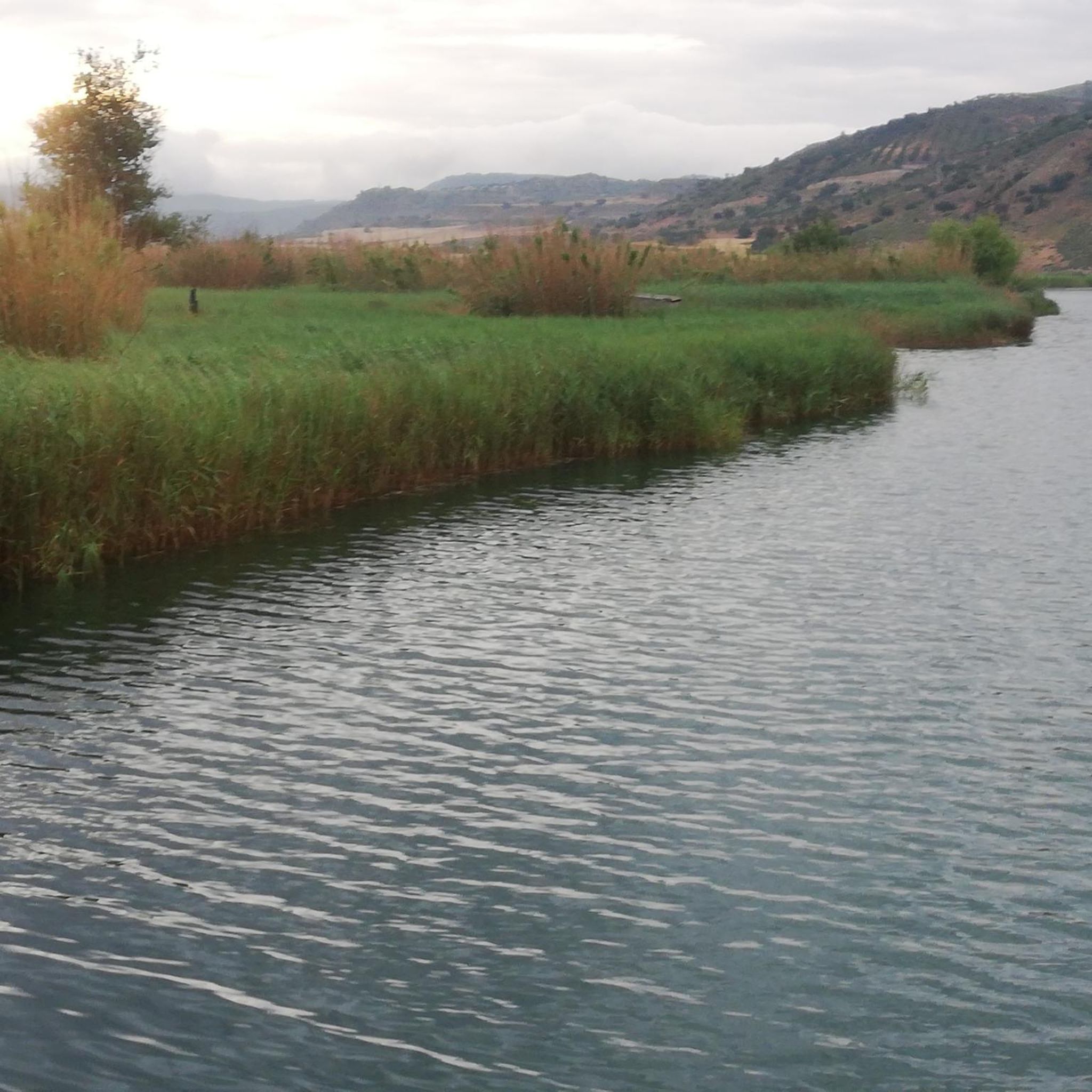
The castles are set within a natural landscape, with Luján Castle, for example, located on a low hill overlooking the Cigüela river. This river valley and the surrounding rural areas can offer opportunities for observing local flora and fauna. While not a dedicated wildlife reserve, the natural setting provides a peaceful environment for nature appreciation alongside historical exploration.
Is parking available at the castles or nearby historical sites?
Parking availability varies by site. For Luján Castle, access is via a dirt road, and parking would likely be informal nearby. For more established sites like the Monastery of Uclés and Castle and the Segóbriga Archaeological Park, dedicated parking facilities are usually available, though it's advisable to check specific site information for details.
Can I visit the castles with my dog?
Many outdoor historical sites in Spain, especially those in a ruined state or with open grounds, are generally dog-friendly, provided dogs are kept on a leash and owners clean up after them. However, specific rules can apply to interiors of monasteries or archaeological parks. For the outdoor areas around Luján Castle and the viewpoint at Views of the Castle of Puebla de Almenara, it's likely permissible. For the Monastery of Uclés and Castle, check their official visitor guidelines regarding pets.
Are there any easy walking routes near the castles for a leisurely stroll?
Yes, the rural landscape around Saelices offers opportunities for easy walks. While specific marked 'easy' routes to the castles aren't detailed, the general area around the Cigüela river and the approaches to sites like Luján Castle can be explored on foot. Many of the cycling routes mentioned also have sections suitable for walking, especially those around the Segóbriga Archaeological Park.
What do visitors appreciate most about the castles around Saelices?
Visitors appreciate the historical significance and the unique architectural blend of these sites. The impressive scale of castles like Luján Castle, even in its ruined state, and the panoramic views from spots like Views of the Castle of Puebla de Almenara are highly valued. The opportunity to explore sites like the Monastery of Uclés and Castle, with its deep history and impressive structure, also leaves a lasting impression.
Are there any cafes or restaurants near the castles for refreshments?
The castles themselves are typically in rural or isolated locations without direct amenities. However, nearby towns such as Saelices, Uclés, and Puebla de Almenara will have local cafes, bars, and restaurants where you can find refreshments and meals. It's a good idea to plan your visit to coincide with a stop in one of these villages.
Most popular routes around Saelices
Most popular attractions around Saelices

Get inspired with the komoot mobile app


Explore more
Looking for the best castles somewhere else? Discover other guides around Saelices:
