Top 10 Castles around Molins De Rei
Best castles around Molins de Rei are found within a region characterized by its historical significance and natural landscape. Molins de Rei is situated near the Llobregat river and nestled within the Collserola mountains, offering a blend of historical sites and natural beauty. The area served as a defensive stronghold during the high medieval period, with fortifications guarding the Llobregat valley. Visitors can explore ancient ruins and historical buildings that reflect centuries of regional history.
Best castles around Molins de…
Last updated: August 27, 2026
Casa de les Punxes (Casa Terradas)
Highlight • Monument
Translated by Google •
Tip by

Torre Baró Castle
Highlight • Castle
Translated by Google •
Tip by

Sign up now to discover places like this
Get recommendations on the best single tracks, peaks, & plenty of other exciting outdoor places.
Sign up for free
Castellciuró Ruins
Highlight • Castle
Translated by Google •
Tip by
Fossada Tower (Castellbisbal)
Highlight • Historical Site
Translated by Google •
Tip by

Castellciuró
Highlight • Castle
Translated by Google •
Tip by

Sign up for free to discover even more castles around Molins De Rei.
Sign up for free
Already have an account?
Start today with a free account
Your next adventure awaits.
Login or Signup

Tips from the Community

The façade features various symbolic decorations, including a sculptural panel with an angel representing Angela Terradas and ceramic panels depicting Saint George slaying the dragon, a nod to Catalan heritage and its patron saint
0
0
Casa de les Punxes, also known as Casa Terradas, was designed by architect Josep Puig i Cadafalch, a prominent figure in Catalan Modernism. It features six pointed towers, giving it the nickname "House of Spikes". It was commissioned in 1905 by Bartomeu Terradas Brutau for his three sisters, Angela, Josefa, and Rosa. The design was meant to create three distinct homes, yet architecturally it appears as a single unified structure.
0
0

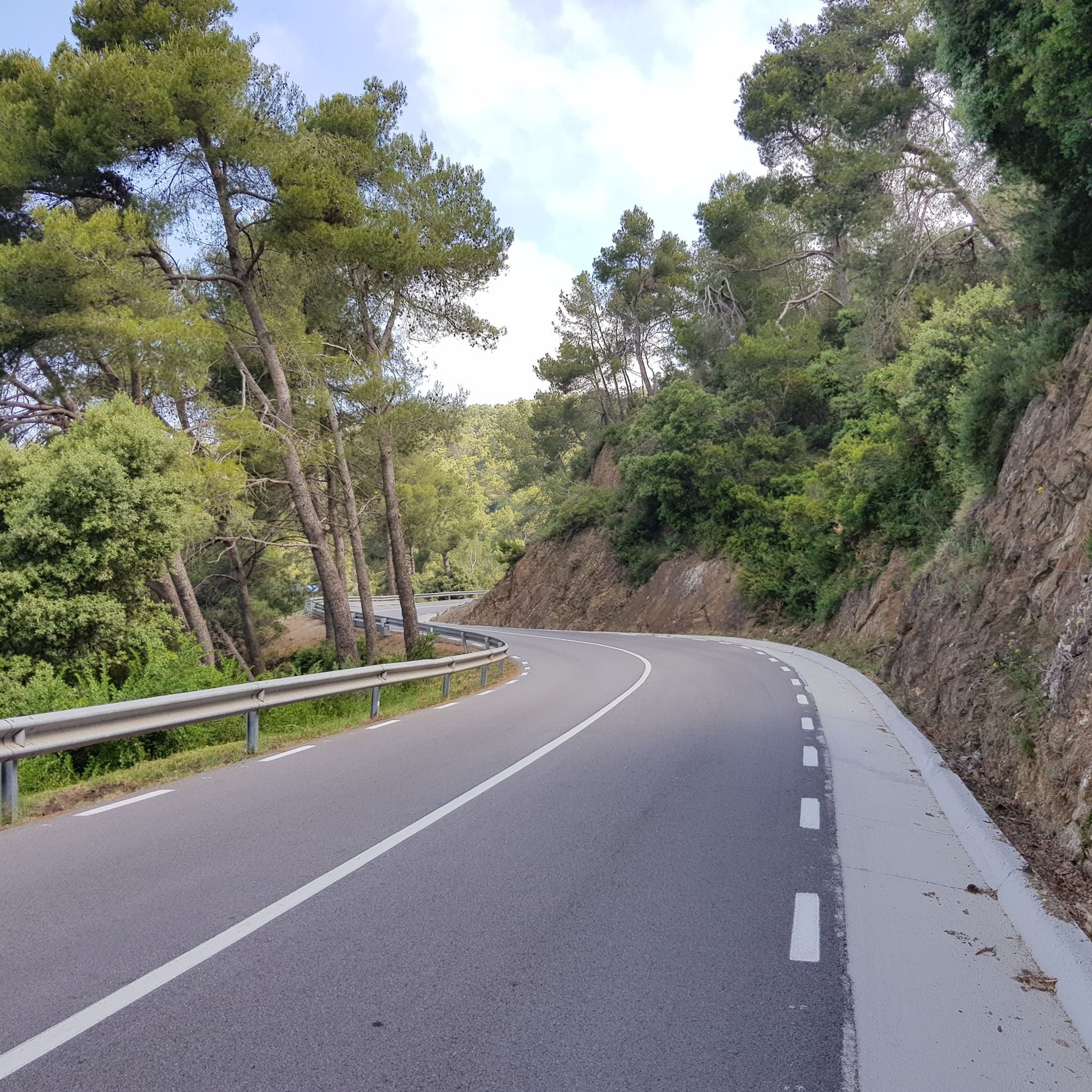
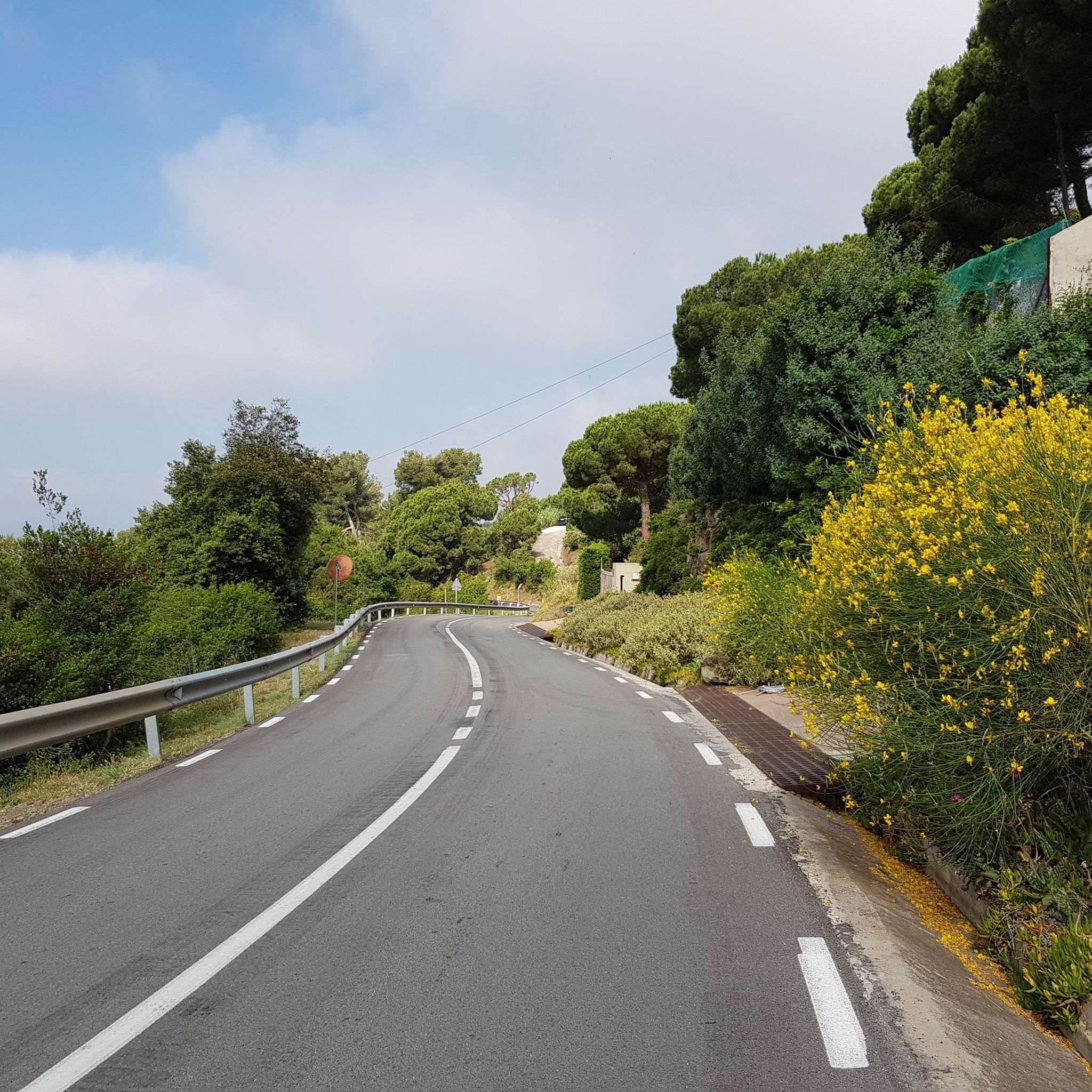
climb from the train station, difficult stretch of + or - 2 km.
0
0
Go up from the train station.
0
0

The magnificent building was declared a National Historic Landmark in 1975 and is currently privately owned
17
0

The Casa de les Punxes breaks all architectural conventions. This majestic mansion, designed by Josep Puig i Cadafalch, was built in 1905. It is reminiscent of Neuschwanstein Castle and a medieval castle. It shows the influences of various architectural movements, countless technical innovations and a wealth of decorative elements of great artistic value.
0
0


The Casa de les Punxes breaks with all architectural conventions. This majestic mansion, designed by Josep Puig i Cadafalch, was built in 1905. It is reminiscent of Neuschwanstein Castle and a medieval castle. It shows the influences of different architectural movements, countless technical innovations and a wealth of decorative elements of great artistic value. More: https://www.barcelona.de/de/barcelona-casa-de-les-punxes.html
5
0
Frequently Asked Questions
What are some of the most historically significant castles around Molins de Rei?
The most prominent historical site is Castellciuró, with documented records dating back to the 10th century. It served as a defensive fortress and features ancient origins, including 10th-century opus spicatum facings and a circular tower. While largely in ruins, it offers a deep dive into the region's medieval past. Another significant, though not a castle, is the Palau Requesens, a 15th-century Gothic building in Molins de Rei itself, which hosted historical figures like the Catholic Monarchs and Christopher Columbus.
Which castles offer the best views of the surrounding area?
Both Castellciuró and Fossada Tower (Castellbisbal) are excellent for panoramic views. Castellciuró, despite its ruined state, provides breathtaking views over the Baix Llobregat and Montserrat. Fossada Tower, a historical watchtower, offers beautiful vistas over Martorell and the Devil's Bridge. Additionally, Torre Baró Castle, an early 20th-century construction, serves as an information point in Collserola park and offers one of the best viewpoints in Barcelona, overlooking Nou Barris, Horta, Sant Andreu, Sant Martí, and the Besòs river.
Are there family-friendly castles to visit near Molins de Rei?
Yes, Casa de les Punxes (Casa Terradas) is listed as family-friendly. While not a traditional castle, this magnificent modernist building in Barcelona offers an engaging architectural experience. For outdoor family activities, the areas around Castellciuró within the Collserola Natural Park are suitable for nature walks and picnics, though the castle itself is in ruins.
What kind of outdoor activities can I do near these castles?
The castles around Molins de Rei are often situated within natural parks, offering various outdoor activities. For instance, Castellciuró is located within the Collserola Natural Park, providing opportunities for nature walks and exploring forest land. You can find numerous MTB Trails around Molins De Rei, Cycling routes, and Road Cycling Routes that pass by or near these historical sites.
Are there hiking trails that lead to the castles?
Yes, Castellciuró is accessible via interesting routes, such as the path of Santa Creu d'Olorda, which leads directly to its ruins. The surrounding Collserola Natural Park offers many hiking opportunities. For more detailed hiking options, you can explore the various MTB Trails around Molins De Rei, which include routes like 'La Rierada Waterfall – Santa Creu d'Olorda loop from Molins de Rei' that might incorporate parts of these historical paths.
What is the best time of year to visit the castles in Molins de Rei?
The region around Molins de Rei, including its castles, can be enjoyed throughout much of the year. Spring and autumn generally offer pleasant temperatures for exploring the outdoor ruins and hiking trails. Summer can be warm, so early mornings or late afternoons are advisable. Winter walks are also possible, especially on clear days, to enjoy the views without the summer heat.
What should I know about accessibility and parking for these sites?
Access to sites like Castellciuró often involves walking or hiking, as they are located on hills within natural parks. While specific parking details for each ruin might vary, many are reached via paths from nearby towns or designated trailheads. For sites like Casa de les Punxes (Casa Terradas), which is in an urban setting, public transport options are readily available, and it is listed as wheelchair accessible.
Can I find cafes or other amenities near the castles?
The castles themselves, especially the ruins like Castellciuró, typically do not have on-site cafes. However, Castellciuró does feature a picnic area, making it an ideal spot for enjoying the fresh air. For cafes, pubs, and accommodation, you would generally need to visit the nearby towns such as Molins de Rei itself or other larger settlements in the region.
What makes Castellciuró unique among the castles in the area?
Castellciuró stands out due to its ancient origins, with parts potentially dating back to Visigothic times (8th century) or pre-Romanesque (10th century), and its strategic location overlooking the Llobregat river. It's a prime example of a defensive fortress from the high medieval period of the Spanish March. Despite being in ruins, its archaeological remains, including opus spicatum walls and a circular tower, offer a tangible connection to centuries of history, and it provides stunning views from its perch in the Collserola mountains.
Are there any castles that are more restored versus those that are mostly ruins?
Many of the historical sites around Molins de Rei, such as Castellciuró, are primarily ruins, offering archaeological insights into their past. While these ruins have often undergone restoration efforts to preserve them, they are not fully reconstructed castles. Torre Baró Castle, despite its medieval appearance, is a 20th-century construction that was restored in 1989 and now functions as an information and environmental education point, making it more of a preserved structure with a modern purpose rather than a medieval restoration.
What do visitors enjoy most about the castles and historical sites in this region?
Visitors frequently appreciate the blend of historical significance and natural beauty. The opportunity to explore ancient ruins like Castellciuró, which still stand contemplating the Baix Llobregat, is a highlight. The breathtaking views from sites such as Castellciuró and Fossada Tower (Castellbisbal) are also highly praised. The integration of these historical sites within natural parks like Collserola allows for enjoyable outdoor activities alongside cultural exploration.
Most popular routes around Molins De Rei
Most popular attractions around Molins De Rei

Get inspired with the komoot mobile app


Explore more
Looking for the best castles somewhere else? Discover other guides around Molins De Rei:
