Top 9 Caves around Mollet Del Vallès
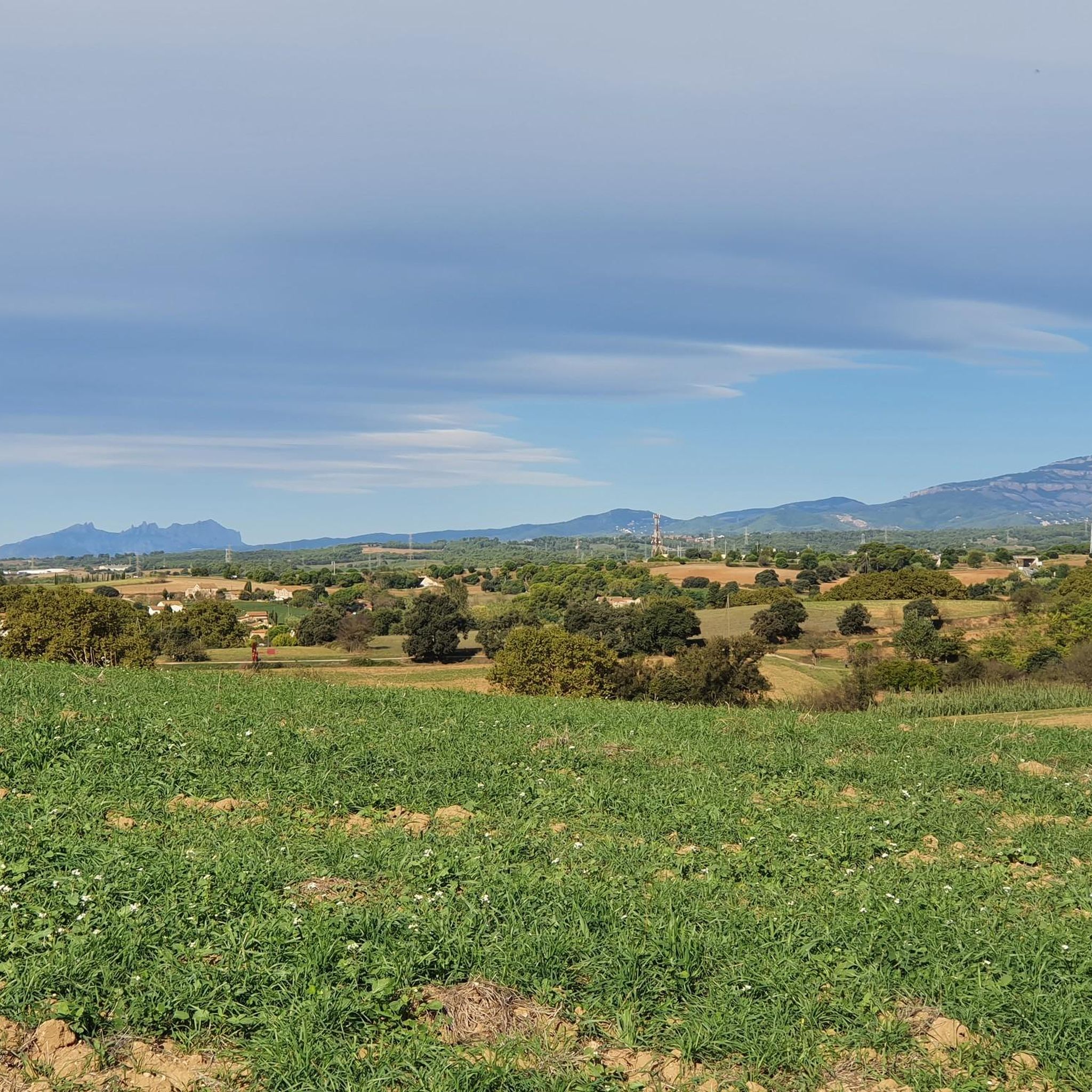
Best caves near Mollet Del Vallès are situated within the region's diverse natural surroundings, including areas like the Gallecs Special Conservation Area. While prominent natural caves are not directly within the municipality, the broader vicinity offers significant speleological and archaeological sites. These locations provide insights into ancient human presence and showcase unique geological formations. The landscape is characterized by its natural parks and varied terrain, offering opportunities for exploration.
Best caves around Mollet Del Vallès
- The most popular caves is…
Last updated: July 4, 2026
The Swallows' Rock
Highlight • Natural Monument
Translated by Google •
Tip by

Cave of the Frog
Highlight • Cave
Translated by Google •
Tip by

Sign up now to discover places like this
Get recommendations on the best single tracks, peaks, & plenty of other exciting outdoor places.
Sign up for free
Cova d'en Genís Paradolmen
Highlight • Cave
Translated by Google •
Tip by

The Cave Near Can Coll
Highlight • Cave
Translated by Google •
Tip by

Pedra Foradada
Highlight • Natural Monument
Tip by

Sign up for free to discover even more caves around Mollet Del Vallès.
Sign up for free
Already have an account?
Start today with a free account
Your next adventure awaits.
Login or Signup
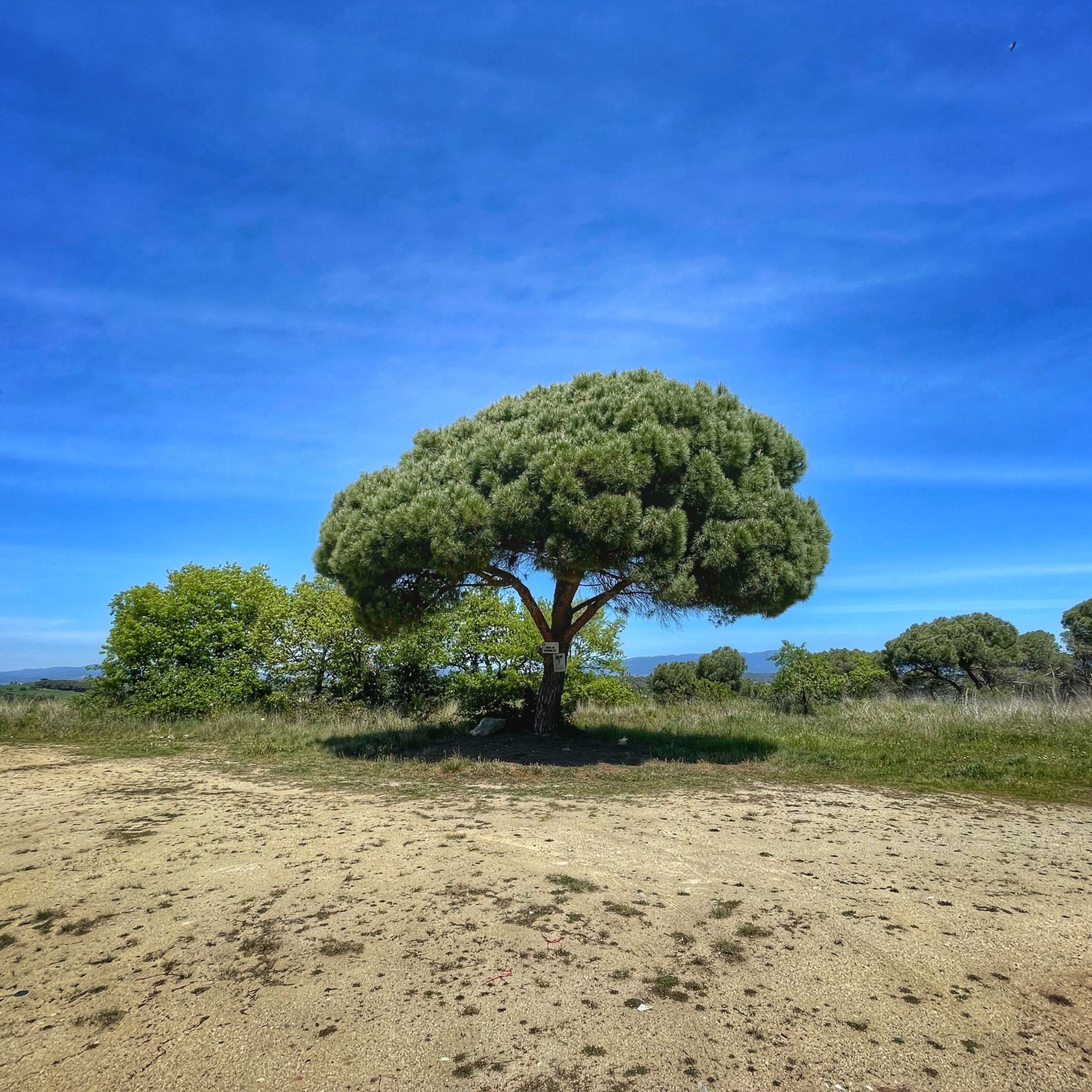
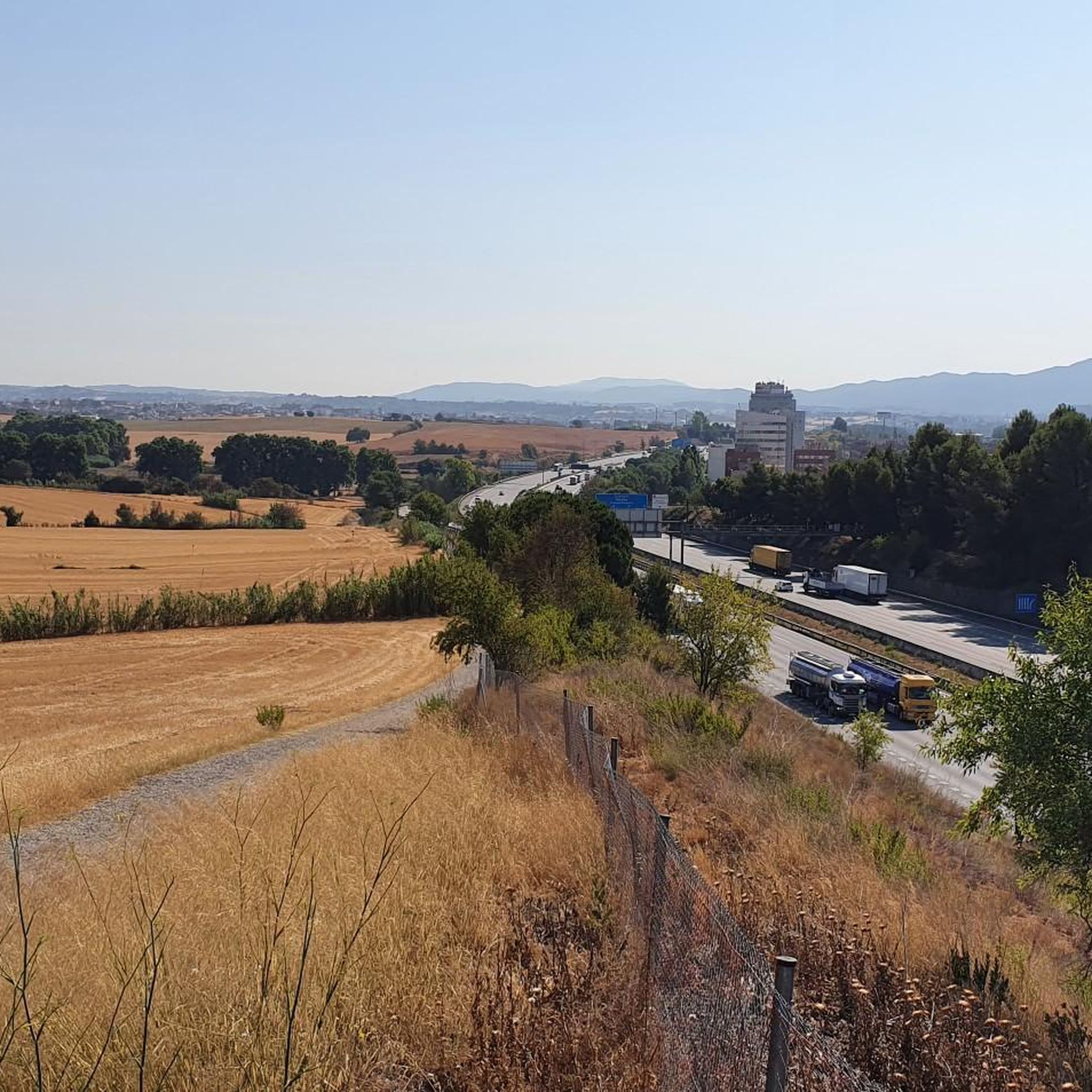
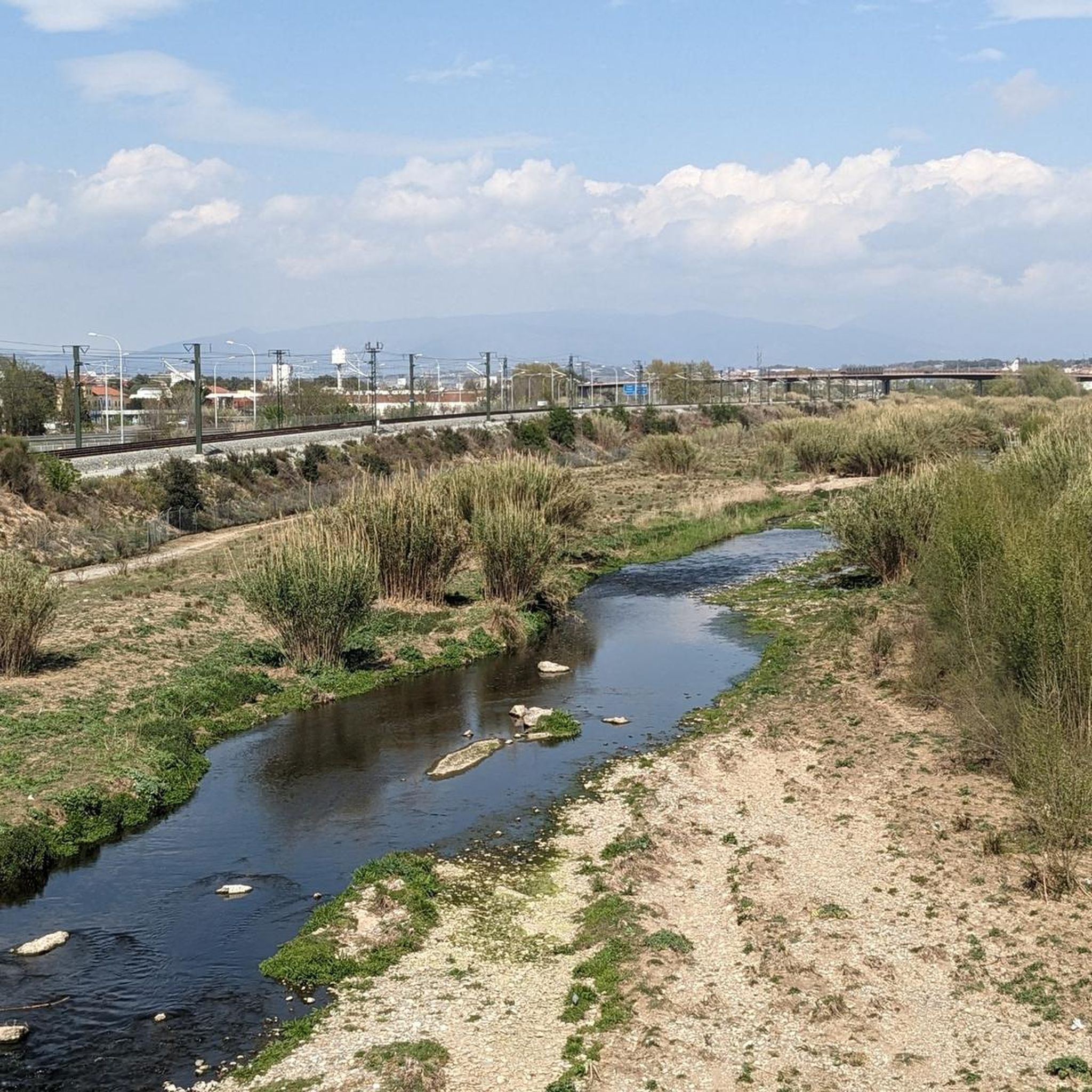
Tips from the Community

Jaciment arqueològic amb pintures rupestres, declarat Patrimoni de la Humanitat.
0
0

A small cave hidden in a crevice of Montseny, damp and cool even in the height of summer. Its name comes from the constant croaking of frogs from the nearby stream, which seem to guard the entrance at dusk. Locals say that during storms, forest animals would take refuge inside, and that a hiker once found an old, rusty lantern hanging from the rock, as if someone had left it there to return.
0
0
Another natural and magical gem of the area. Don't miss the prehistoric-style clay carvings by a contemporary street artist. Some say that ancient peoples used the stone in initiation rituals: young people who passed through the rock were "born again" as adults of the clan. It is said that if you passed through the hole, especially children or pregnant women, you were cured of illnesses or protected from spirits. It was like a kind of "magic door" between two worlds.
2
0
This cave, inhabited in prehistoric times, contains remains that demonstrate its use in the Neolithic or Bronze Age, such as stone tools, pottery fragments, and evidence of fire. Its strategic location, hidden but with good visibility of the surroundings, made it ideal as a refuge or stopover. Today, for cyclists like us, it's an excellent shelter in case of rain or to enjoy breakfast in the shade, thanks to its peaceful and protected location.
1
0

The "Pedra de Les Orenetes" (Swallows' Stone) is made up of a large granite block about 8 m long, 3 m wide and 3 m high, which has been heavily eroded. The basal part shows several cavities, one of which is a medium-sized shelter, which is the main area of the paintings. From this concavity, through which the block can be crossed from below, other concavities and eroded points with pictographic representations continue to the right. These correspond to curved, serpentine strokes, points, female figures, cruciform figures, bars, finger marks, anthropomorphic forms, quadrupeds, branch-shaped figures and human representations, as well as remains of pigment that are difficult to interpret. the schematic-semi-schematic to the stylized and naturalistic), chromatic (reddish, reddish-brown, reddish-orange and yellowish-orange) and techniques (fingering, simple stroke and flat ink) as well as a diverse degree of erosion that seems to indicate a process with superimpositions and diverse phases, some of which seem to be related to those of the Cogul shelter.
1
0

Genís Cave, also known as Genís Cave, is a paradolmen located in the municipality of Santa Coloma de Gramenet. It is located in the Serralada de Marina park, on the southwest side of the Pollo hill, near the hermitage of Sant Climent and 500 meters from the Puig Castellar archaeological site.
22
0

Spectacular rocks found in this area near the Bosc de Rsucalleda, with curious shapes.
6
0

It is a cave formed by two large blocks of granite on top of which rests another block that acts as a cover, with two chambers distributed on two different levels. The lower chamber is composed of a stone of two sides, quadrangular, which was located in the center. No materials were found in this room. In the upper chamber, three burials were found with badly decomposed bones. Ceramic fragments were found in all of them. In the first there was a flint knife, an arrowhead of the same material with a peduncle, and a plate of light green diorite (143 x 55 x 7 mm.). In the second burial, two flint knives, a flint arrowhead and a rectangular light green diorite plate (78 x 37 x 8 mm.) were found in the third, a flint knife and arrow. When sifting the soil inside the cave, four flint arrowheads, a piece of greenish-colored silicate perforated round necklace, and two flint knife fragments were exhumed. It seems that cardiac material was also found in this coat. Therefore it can be said that it is a collective sepulchral crypt from the end of the Chalcolithic and the beginning of the ancient bronze. It can be considered a type of burial that coexists with the final stages of the megalithic phenomenon.
1
0
Frequently Asked Questions
Are there prominent natural caves directly within Mollet Del Vallès?
While the broader region offers significant speleological and archaeological sites, prominent natural caves are not directly within the municipality of Mollet Del Vallès itself. The area is more known for its diverse natural surroundings and nearby natural parks.
What kind of historical or archaeological significance do the caves in the Mollet Del Vallès region hold?
The caves in the region, such as The Swallows' Rock, are rich in history. This site features pictographic representations and evidence of prehistoric human use, including stone tools, pottery fragments, and fire from the Neolithic or Bronze Age. Additionally, the Cave of the Frog served as a collective sepulchral crypt from the Chalcolithic and early Bronze Age, with burials and artifacts discovered within.
Are there any family-friendly caves to visit near Mollet Del Vallès?
Yes, The Cave Near Can Coll is considered family-friendly. It's a curious cave with both an entrance and exit, located on a popular trail, making it an accessible and interesting spot for families to explore.
What unique geological features can be found in the caves around Mollet Del Vallès?
The region's caves showcase unique geological formations. The Swallows' Rock is a large, heavily eroded granite block with several cavities. The Cave of the Frog is formed by two large granite blocks with another resting on top, creating two chambers on different levels.
What outdoor activities can I do near the caves in the Mollet Del Vallès area?
The area around Mollet Del Vallès offers various outdoor activities. You can find numerous hiking trails, such as those in the Gallecs Rural Space, which are detailed in the Hiking around Mollet Del Vallès guide. There are also cycling routes, including moderate and difficult options, as highlighted in the Cycling around Mollet Del Vallès guide, and running trails, particularly within the Gallecs Rural Area, available in the Running Trails around Mollet Del Vallès guide.
Is there a cave in the region with significant speleological interest?
Yes, the Cova de Mollet I, located within the Serinyà Prehistoric Cave Park (some distance from Mollet Del Vallès), is considered to have significant speleological interest. It has preserved its original shape well and offers insights into ancient human presence and geological formations.
Can I find panoramic views near any of the caves?
Absolutely. Turó de Montcada i Reixac, a summit near Mollet Del Vallès, offers spectacular 360-degree panoramic views of the Vallès and Barcelonès plains, the Besòs, and the Marina and Collserola mountain ranges. This mountain also features very beautiful caves to explore.
What do visitors appreciate most about the caves and natural sites in this region?
Visitors often appreciate the historical and archaeological significance of sites like The Swallows' Rock, which offers a glimpse into prehistoric human life. The unique geological formations, the opportunity for shelter during outdoor activities, and the scenic views from places like Turó de Montcada i Reixac are also highly valued by the komoot community.
Are there any caves that are part of a natural park?
Yes, Turó de Montcada i Reixac, which features several beautiful caves, has been part of the Serra de Collserola Natural Park since 2013. This offers a protected natural setting for exploration.
What kind of wildlife or ancient animal remains have been found in the region's caves?
In caves like Cova de Mollet I within the Serinyà Prehistoric Cave Park, remains of ancient animals such as the ancient elephant, prairie rhinoceros, and cave lynx have been discovered, providing valuable insights into the prehistoric fauna of the region.
Is there a cave that is known for being a good shelter during bad weather?
The Swallows' Rock is known for its large granite block with several cavities, one of which is a medium-sized shelter. It's described as an excellent spot for cyclists and hikers to take refuge in case of rain or to enjoy a shaded break.
What is the Cova d'en Genís Paradolmen?
Cova d'en Genís Paradolmen, also known as Genís Cave, is a paradolmen located in the Serralada de Marina park. While initially believed to be a megalithic construction, it is now considered a natural structure. Excavations found remains of bones and ceramic vessels from the Bronze Age.
Most popular routes around Mollet Del Vallès
Most popular attractions around Mollet Del Vallès

Get inspired with the komoot mobile app


Explore more
Extend your search for the best caves by checking out these guides of the top ones around Mollet Del Vallès:
