Top 4 Caves around Campillo De Ranas
Best caves around Campillo De Ranas are found within the surrounding Sierra Norte de Guadalajara, a region known for its "Black Architecture" villages and diverse natural landscapes. While traditional underground caves are not directly within the village, the area features remarkable natural and man-made cave-like formations. These include geological marvels, prehistoric sites, and unique rock-hewn structures. The region offers a blend of natural beauty and historical intrigue for explorers.
Best caves around Campillo De Ranas
- The most popular caves is Enchanted City of Tamajón, a natural monument featuring karst formations of calcareous and limestone rocks, sculpted over millennia. It includes whimsical rocky "sculptures," natural caves, arches, and tunnels, with some caves showing stalactites and stalagmites. This site offers a unique landscape for nature lovers and geology enthusiasts, with evidence of Upper Paleolithic habitation.
- Another must-see spot is Hoces del Jarama, a dramatic gorge where the Jarama River winds between towering walls of limestone rock, containing "Caves of the walls" with historical and prehistoric significance. The landscape offers picturesque river views and is part of popular hiking routes.
- Visitors also love Prehistoric Cave of Los Torrejones, a cave where human remains and animal bones from more than 50,000 years ago have been found. It is possibly the oldest place in the center of the Iberian Peninsula inhabited by man.
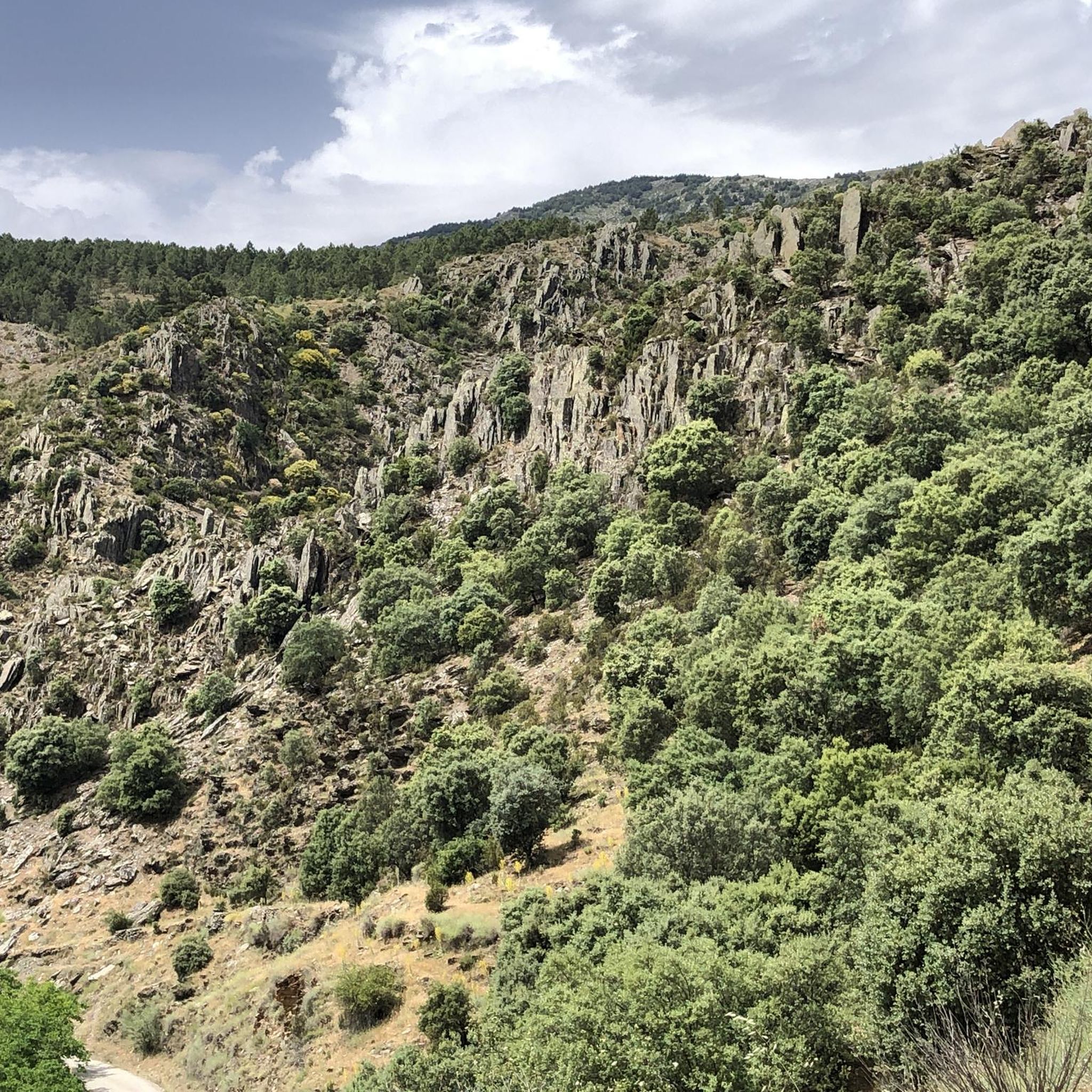
- Campillo De Ranas is known for natural rock formations, geological marvels, and historical caves. The region offers a variety of cave-like structures and prehistoric shelters to see and explore.
- The caves around Campillo De Ranas are appreciated by the komoot community, with 12 upvotes and 6 photos shared.
Last updated: July 4, 2026
Enchanted City of Tamajón
Highlight • Natural Monument
Translated by Google •
Tip by

Hoces del Jarama
Highlight • Gorge
Translated by Google •
Tip by

Sign up now to discover places like this
Get recommendations on the best single tracks, peaks, & plenty of other exciting outdoor places.
Sign up for free
Prehistoric Cave of Los Torrejones
Highlight • Cave
Translated by Google •
Tip by

Los Enebrales Shelters
Highlight (Segment) • Cave
Translated by Google •
Tip by
Cueva del Tío Remigín
Highlight • Cave
Translated by Google •
Tip by
Start today with a free account
Your next adventure awaits.
Login or Signup
Tips from the Community

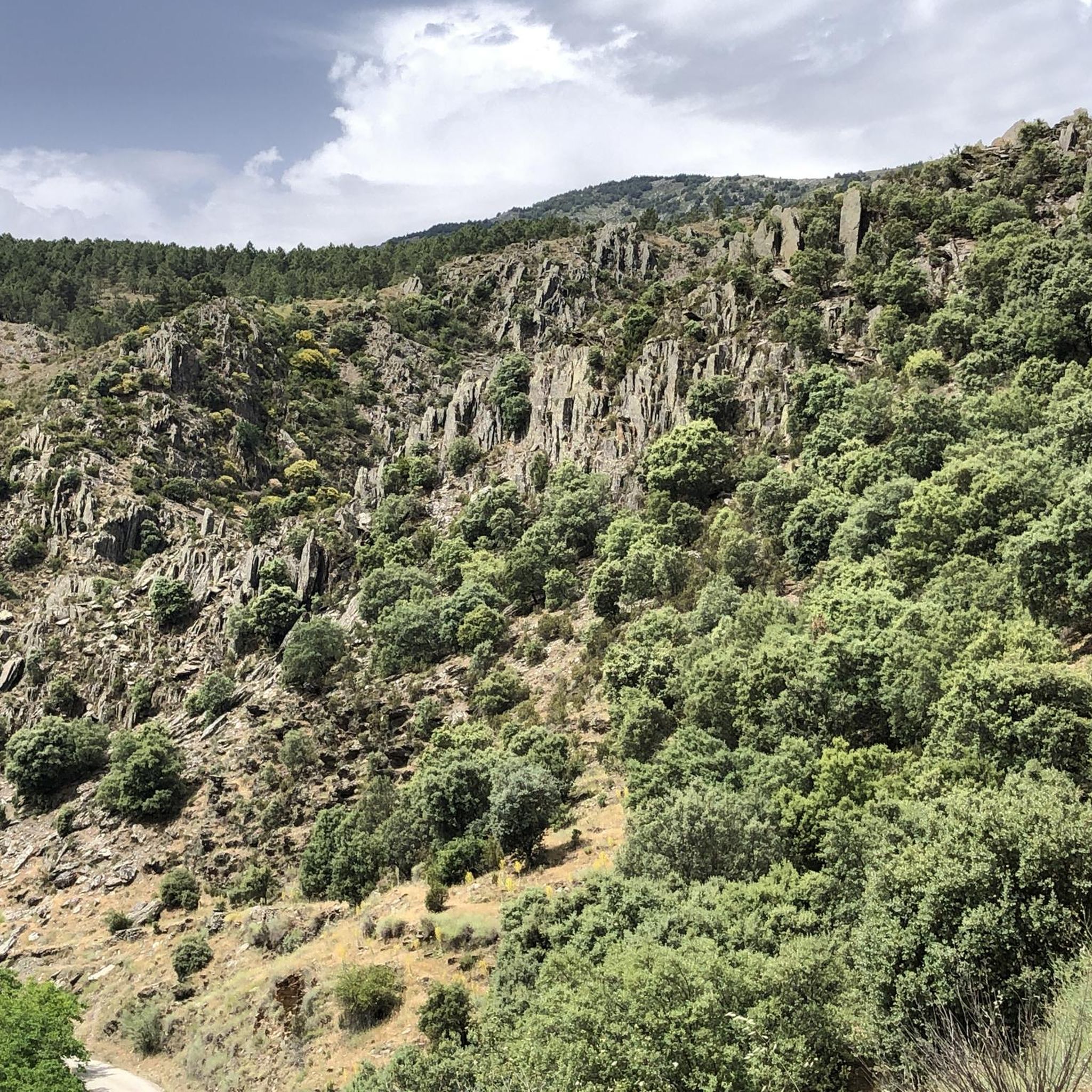
He also calls from Uncle Remigin. Prehistoric Paleolithic, with many valuable finds from a scientific point of view.
1
0
They are shelters under the rocky cliffs that were inhabited in Prehistory and that have been studied by Archaeologists from the University of Alcalá. The antiquity of use dates back to the Paleolithic, more than 30,000 years ago.
1
0
Eroded rocks with shapes of great beauty.
1
0
It is a Cave very well studied by Archaeologists from the University of Alcalá, in which human remains and animal bones from more than 50,000 years ago have been found. It is possibly the oldest place, in the center of the Iberian Peninsula, inhabited by man.
0
0
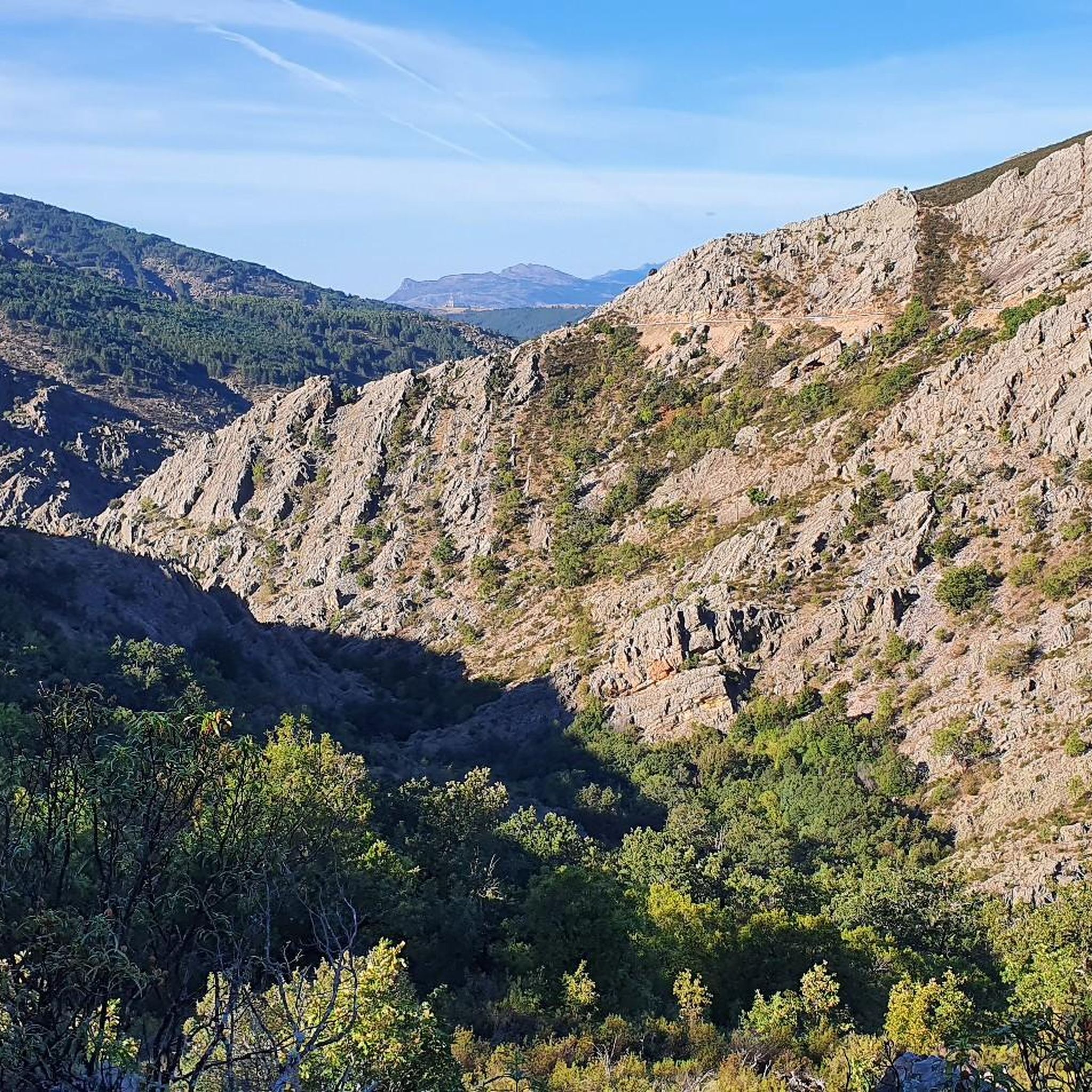
A good mid-hill path allows you to enjoy the Hoces from El Monasterio de Bonaval to the Medieval Bridge of Valdesotos. In the Caves of the walls, there is a lot of history and prehistory.
1
0

Limestone rock formation with caves, cavities in the rock, rock arches, sinkholes and other formations. Thus, among the rocks and their capricious shapes you will be able to find small caves, bridges to cross and many strange shapes.
2
0

La Hoz del Jarama is a strip of land located between the well-known Cistercian Monastery of Bonaval and the Medieval Bridge (which many call “Roman”) of Valdesotos. In this section, the river twists and its bed is sometimes wedged between large walls of limestone rock.
10
0
Frequently Asked Questions
What kind of cave exploration is available near Campillo De Ranas?
While traditional deep spelunking caves are not the primary focus, the region offers unique natural and man-made cave-like formations. You can explore geological marvels like the Enchanted City of Tamajón with its whimsical rock sculptures and natural cavities, or discover historical shelters such as the Los Enebrales Shelters and the Prehistoric Cave of Los Torrejones, which hold significant archaeological findings.
Are the cave sites near Campillo De Ranas suitable for beginners or require specific skills?
Most of the notable cave-like formations, such as the Enchanted City of Tamajón and the Hoces del Jarama, are accessible for general exploration and hiking. They are more about appreciating geological formations and historical sites rather than technical caving. Some areas might involve walking on uneven terrain, so a moderate fitness level is recommended.
What unique natural features can I expect to see at these cave sites?
At the Enchanted City of Tamajón, you'll find karst formations of limestone rocks sculpted into arches, bridges, monoliths, and tunnels, with some small caves featuring stalactites and stalagmites. The Hoces del Jarama features dramatic gorges with river views and 'Caves of the walls' within towering limestone rock faces. Civica, while man-made, presents a unique 'vertical village' carved into rock with extensive cavities and passageways.
When is the best time of year to visit the cave sites around Campillo De Ranas?
The spring and autumn months are generally ideal for visiting the cave sites and surrounding natural areas. The weather is milder, making hiking and exploration more comfortable. Summer can be hot, while winter might bring colder temperatures and potentially snow, especially in higher elevations, which could affect accessibility to some sites.
Are there family-friendly cave experiences near Campillo De Ranas?
Yes, the Enchanted City of Tamajón is particularly family-friendly. Its whimsical rock formations invite imagination and are suitable for children to explore. The paths are generally manageable, offering an engaging outdoor experience for all ages. Civica also offers a fascinating, unique exploration that can captivate families.
Is parking available at the cave sites?
Parking availability varies by site. For the Enchanted City of Tamajón, there are usually designated parking areas nearby as it's a popular natural park. For more remote or historical cave shelters like the Prehistoric Cave of Los Torrejones or Los Enebrales Shelters, parking might be less formal, often requiring parking along roadsides or at trailheads leading to the sites.
Do I need a permit to visit or explore these cave sites?
Generally, no specific permits are required for visiting the publicly accessible natural formations like the Enchanted City of Tamajón or the Hoces del Jarama. These are open natural areas. For archaeological sites such as the Prehistoric Cave of Los Torrejones, access might be restricted or require prior arrangement, especially if they are active research sites.
What should I wear or bring when visiting these cave sites?
Comfortable hiking shoes with good grip are essential, as terrain can be uneven. Dress in layers suitable for the weather, and consider bringing water, snacks, and a small backpack. A headlamp or flashlight can be useful for exploring darker cavities, even if they are not deep caves. Sun protection is also advisable for outdoor sections.
Are there facilities like cafes or restaurants near the cave sites?
The cave sites themselves are generally in natural, undeveloped areas without direct facilities. You will find cafes, restaurants, and accommodation in nearby towns and villages such as Tamajón (near Ciudad Encantada) or Campillo de Ranas itself. It's advisable to plan for refreshments before or after your visit to the sites.
Are there any lesser-known or "hidden gem" cave sites worth exploring?
Civica, with its unique 'vertical village' carved into rock, is a truly surprising and lesser-known destination that offers an extensive network of cavities and a mystical atmosphere. It's a blend of human ingenuity and natural landscape, making it a captivating experience distinct from purely natural cave formations.
Can I expect to see any wildlife in or around these cave formations?
The natural areas surrounding these cave formations are rich in biodiversity. The Enchanted City of Tamajón is within one of the largest juniper forests on the Iberian Peninsula, offering opportunities to spot various bird species and other forest wildlife. The Hoces del Jarama, being a river gorge, is also home to diverse flora and fauna. While large mammals are less common, you might encounter smaller animals, insects, and birds.
What outdoor activities can I do near these cave sites?
The region around Campillo De Ranas is excellent for various outdoor activities. You can find numerous hiking trails, including routes like the 'Aljibe Waterfall and Trillos Bridge - circular via the Aljibe Pools'. There are also MTB trails, such as the 'Los Huertos - Tamajón – circular a las ruinas del Monasterio Bonaval', and running routes like the 'Arcipreste de Hita Trail'.
Most popular routes around Campillo De Ranas
Most popular attractions around Campillo De Ranas

Get inspired with the komoot mobile app


Explore more
Extend your search for the best caves by checking out these guides of the top ones around Campillo De Ranas:
