Top 8 Castles around Pradell De La Teixeta
Castles around Pradell De La Teixeta offer a glimpse into the region's rich medieval history and strategic importance. While the original castle in Pradell de la Teixeta is largely in ruins, the area was historically part of the Barony of Escornalbou, centered around the significant Castell Monestir d'Escornalbou. This region, nestled in the Priorat area, features diverse landscapes from mountainous terrain to valleys. Visitors can explore historical fortifications that blend medieval origins with later architectural influences, providing insight into centuries…
Last updated: July 4, 2026
La Mola Castle, Colldejou
Highlight • Castle
Translated by Google •
Tip by

Sant Miquel d'Escornalbou Castle and Monastery
Highlight • Castle
Translated by Google •
Tip by

Sign up now to discover places like this
Get recommendations on the best single tracks, peaks, & plenty of other exciting outdoor places.
Sign up for free
Escornalbou Castle-Monastery
Highlight (Segment) • Castle
Translated by Google •
Tip by

Falset
Highlight • Settlement
Translated by Google •
Tip by

Control Towers of the Castle
Highlight • Castle
Translated by Google •
Tip by

Sign up for free to discover even more castles around Pradell De La Teixeta.
Sign up for free
Already have an account?
Start today with a free account
Your next adventure awaits.
Login or Signup
Popular around Pradell De La Teixeta
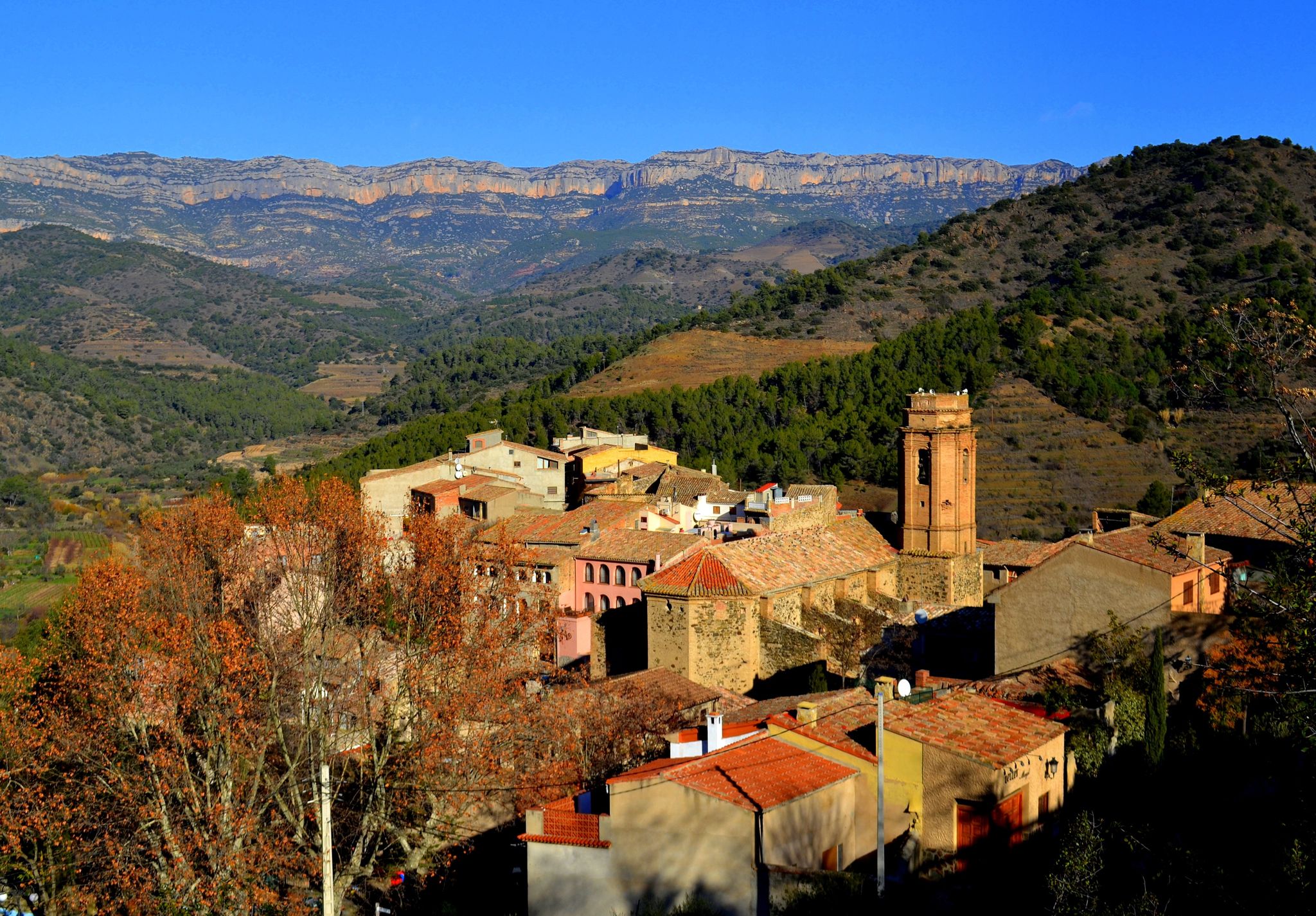
Mountains, views and vineyards – Sendero del Priorato (GR 174)
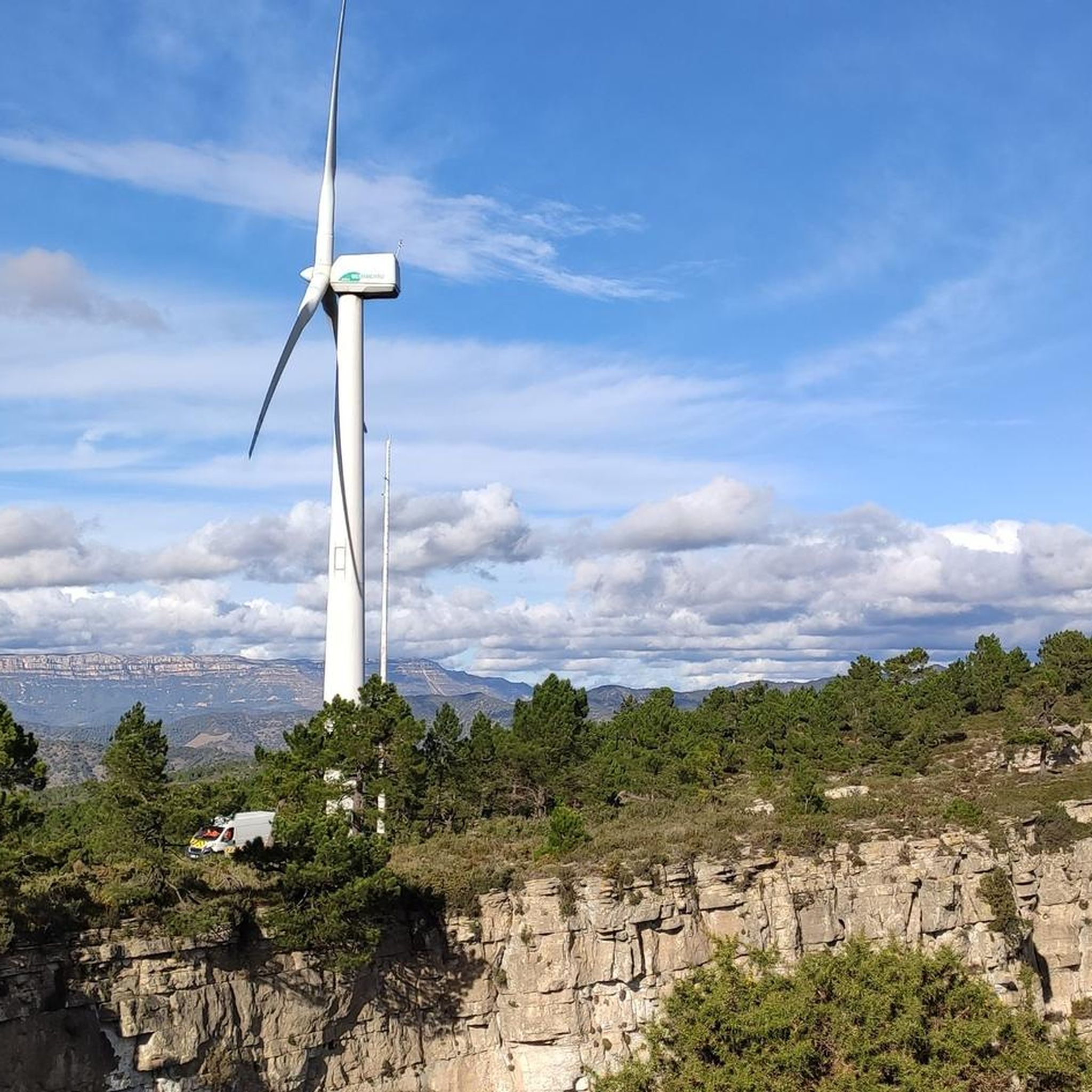
Road Cycling Routes around Pradell De La Teixeta
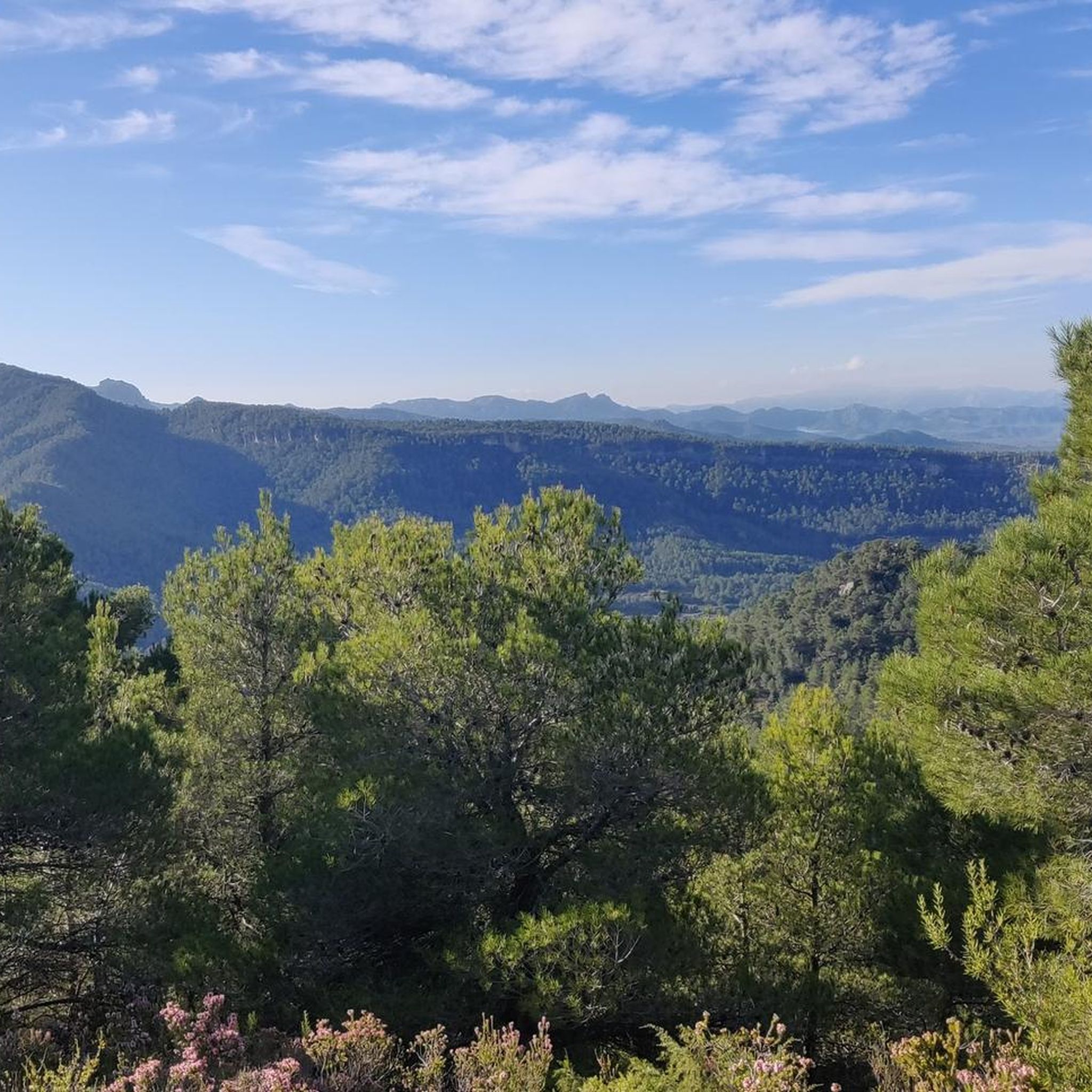
Hiking around Pradell De La Teixeta
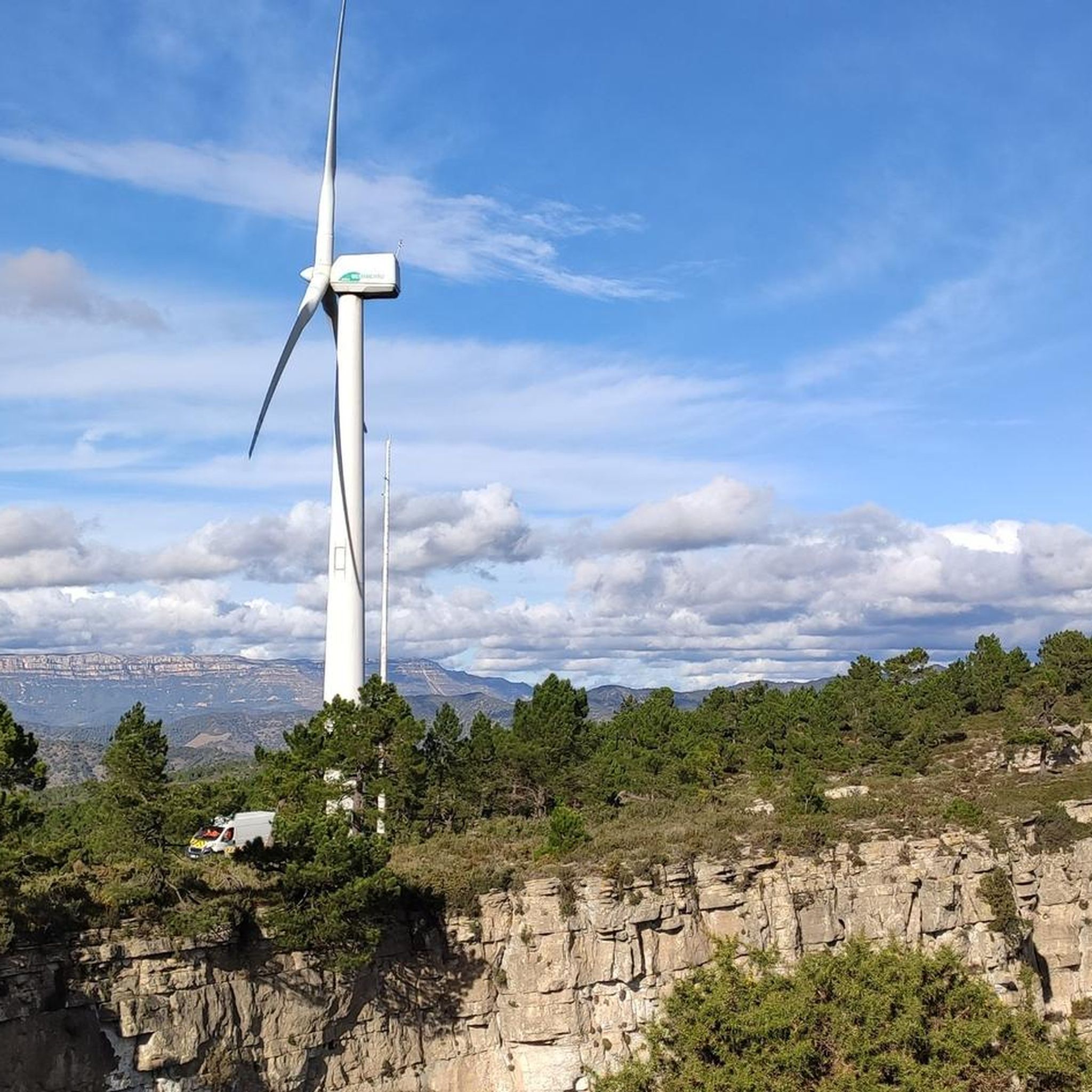
MTB Trails around Pradell De La Teixeta
Cycling around Pradell De La Teixeta
Running Trails around Pradell De La Teixeta
Gravel biking around Pradell De La Teixeta

Mountain Hikes around Pradell De La Teixeta
Other adventures around Pradell De La Teixeta

Tips from the Community


From up here you have a beautiful view.
0
0

Stately mansion from the early 20th century, made up of the remains of two medieval buildings, the Escornalbou monastery, founded in 1153, and the castle, built on the remains of a Roman fortress. For six centuries this architectural complex formed the barony of Escornalbou, but after the confiscation of Mendizabal it was practically in ruins. In 1911 it was acquired by the philanthropist, diplomat and writer Eduard Toda, who restored it following very personal criteria: some structures were demolished and towers were erected in an "exotic" medieval style. Of the old monastery, only the Romanesque church remains, remains of the chapter house and the structure of the cloister, converted into a viewpoint of the Camp de Tarragona region.
3
1

Falset is the capital of Priorat. It is located in a valley surrounded by mountains and in the very center of the Siurana river basin. The town has a castle built in the 12th century. Two queens were born in it: Eleonor of Cyprus and Margarita de Prades. From 1825 and for more than a century it was used as a prison. Currently, it houses the Museum of Falset and the region.
0
0

the panorama is brutal
0
0

The Castillo Monasterio de Escornalbou de Riudecanyes is a stately mansion from the beginning of the 20th century formed by the remains of two medieval buildings: the castle, built on the remains of a Roman fortress, and the monastery of Sant Miquel.
5
0

Castle and monastery of Sant Miquel d'Escornalbou. From this point you can see a great panorama of the town of Argentera.
2
1

The stone tower was built during the third Carline war and was used for optical telegraphy in a very similar way to the Torre de l'Esquirol de Cambrils, making use of a system of planks that could be seen from miles away .
0
0
Frequently Asked Questions
What is the historical significance of castles in the Pradell de la Teixeta area?
The castles in the Pradell de la Teixeta area are historically significant due to their role in the medieval Barony of Escornalbou. While the original castle in Pradell de la Teixeta is largely in ruins, it was an important medieval fortification. The region's history is closely tied to the Sant Miquel d'Escornalbou Castle and Monastery, which served as the center of this barony and offers a unique blend of medieval monasticism and early 20th-century aristocratic life.
Are there any well-preserved castles to visit near Pradell de la Teixeta?
Yes, while the castle within Pradell de la Teixeta itself is mostly ruins, the Sant Miquel d'Escornalbou Castle and Monastery is extensively restored. It combines a medieval monastery with a stately mansion from the early 20th century, offering a glimpse into both historical periods. Another notable site is Falset, a settlement with a 12th-century castle that now houses a museum.
What kind of views can I expect from the castles in this region?
Many castles in the area offer spectacular views. For instance, the Sant Miquel d'Escornalbou Castle and Monastery provides breathtaking panoramic views over the Tarragona region and coastline from its elevated position. Similarly, La Mola Castle, Colldejou, offers wonderful views of nature after a challenging hike.
Are there family-friendly castles to visit around Pradell de la Teixeta?
Yes, Falset is considered family-friendly. Its 12th-century castle, which once housed queens and served as a prison, now hosts the Museum of Falset and the region, providing an engaging historical experience for all ages. The Sant Miquel d'Escornalbou Castle and Monastery also offers guided tours and theatrical experiences that can be enjoyable for families.
What outdoor activities can I do near these castles?
The region around Pradell de la Teixeta offers various outdoor activities. You can find numerous mountain hikes, including challenging routes to sites like La Mola Castle, Colldejou. There are also cycling routes and running trails that allow you to explore the diverse landscapes surrounding the castles.
Can I hike to any of the castles?
Absolutely. For example, reaching La Mola Castle, Colldejou, involves a challenging hike through beautiful natural terrain. There are also mountain hikes available in the area that can lead you to various historical sites and viewpoints.
What should I know about visiting the original castle in Pradell de la Teixeta?
The original castle of Pradell de la Teixeta is almost entirely disappeared. Only the southern facade and remains of two other walls are visible. The site is now largely a car park. While not a visually imposing structure today, its historical significance lies in its role as a medieval fortification within the Barony of Escornalbou, offering a glimpse into the early history of the village.
What makes the Castell Monestir d'Escornalbou unique?
The Castell Monestir d'Escornalbou is unique because it's a blend of a medieval monastery and a castle, extensively restored in the early 20th century into an elegant manor house by Eduard Toda. It features Romanesque architecture, early 20th-century aristocratic rooms with collections from Toda's travels, and a cloister converted into a garden viewpoint with stunning views. It's also set in a unique geological landscape with red sandstone formations.
Are there any castles that require good physical condition to visit?
Yes, visiting La Mola Castle, Colldejou, requires good physical condition and sturdy, non-slip footwear due to its challenging terrain. The hike to this castle is rewarding with great nature and views, but it is not recommended for inexperienced hikers.
What can I expect from the Falset castle?
The castle in Falset is a 12th-century fortification with a rich history, having housed two queens and later serving as a prison. Today, it is home to the Museum of Falset and the region, offering cultural and historical insights into the capital of Priorat.
What are the geological features around the castles?
The region around the castles, particularly near the Castell Monestir d'Escornalbou, is known for its unique geological setting. You can find distinctive red sandstone formations and nearly ninety hectares of woodland, making the natural landscape as interesting as the historical sites.
Are there any other historical sites besides castles in the area?
Yes, beyond the castles, the region offers other historical sites. For example, the Sant Miquel d'Escornalbou Castle and Monastery itself is a complex of medieval monastic and Roman fortress remains. The area also features historical settlements like Falset, which has a rich past as the capital of Priorat.
Most popular routes around Pradell De La Teixeta
Most popular attractions around Pradell De La Teixeta

Get inspired with the komoot mobile app


Explore more
Looking for the best castles somewhere else? Discover other guides around Pradell De La Teixeta:
