Top 3 Caves around Porrera
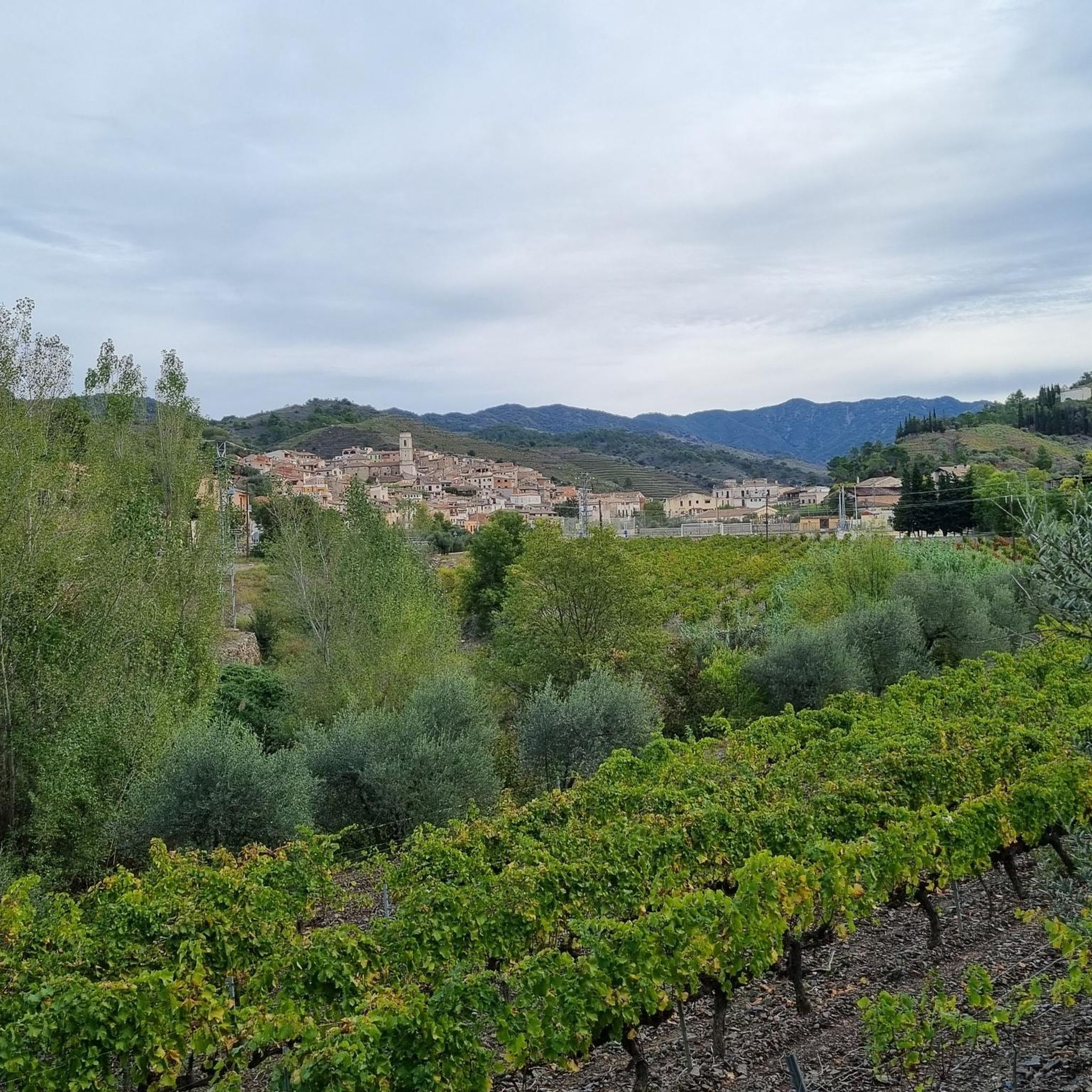
Best caves around Porrera, a village in the Priorat DOCa region of Catalonia, Spain, are primarily associated with its renowned wine cellars. The area is characterized by a rugged landscape of steep slopes and "llicorella" slate soils, contributing to its unique viticultural heritage. While natural caves are found in the broader Priorat region, Porrera itself offers a blend of cultural and natural exploration. This region provides opportunities to explore both historic winemaking traditions and geological formations.
Best caves around Porrera
…Last updated: July 4, 2026
Clot del Cirer
Highlight • Natural Monument
Translated by Google •
Tip by

Cova Santa
Highlight • Cave
Translated by Google •
Tip by

Sign up now to discover places like this
Get recommendations on the best single tracks, peaks, & plenty of other exciting outdoor places.
Sign up for free
Cova de l'Os
Highlight • Cave
Translated by Google •
Tip by
Els avencs del Masroig
Highlight • Cave
Translated by Google •
Tip by

La Covassa Cave
Highlight • Cave
Translated by Google •
Tip by

Start today with a free account
Your next adventure awaits.
Login or Signup
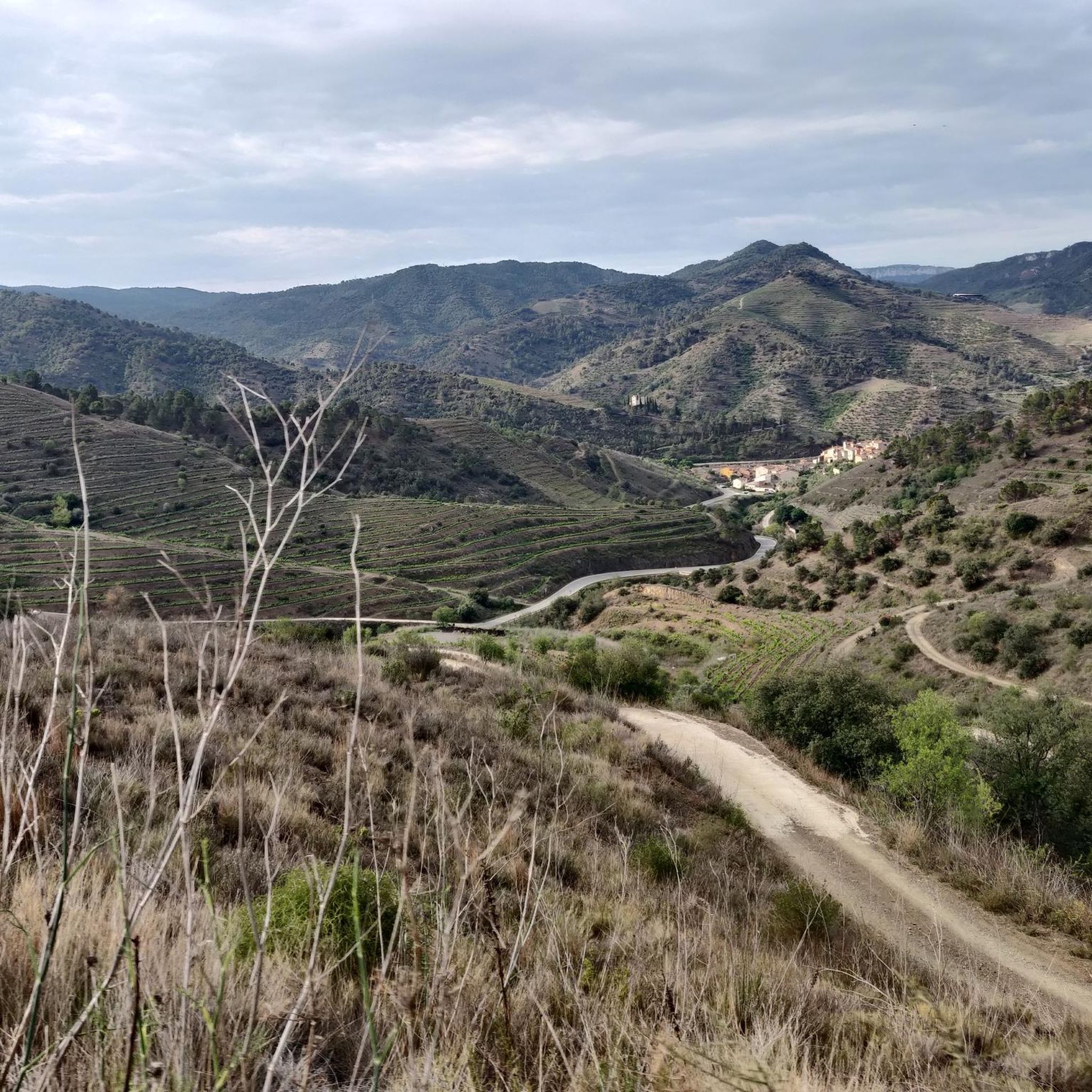
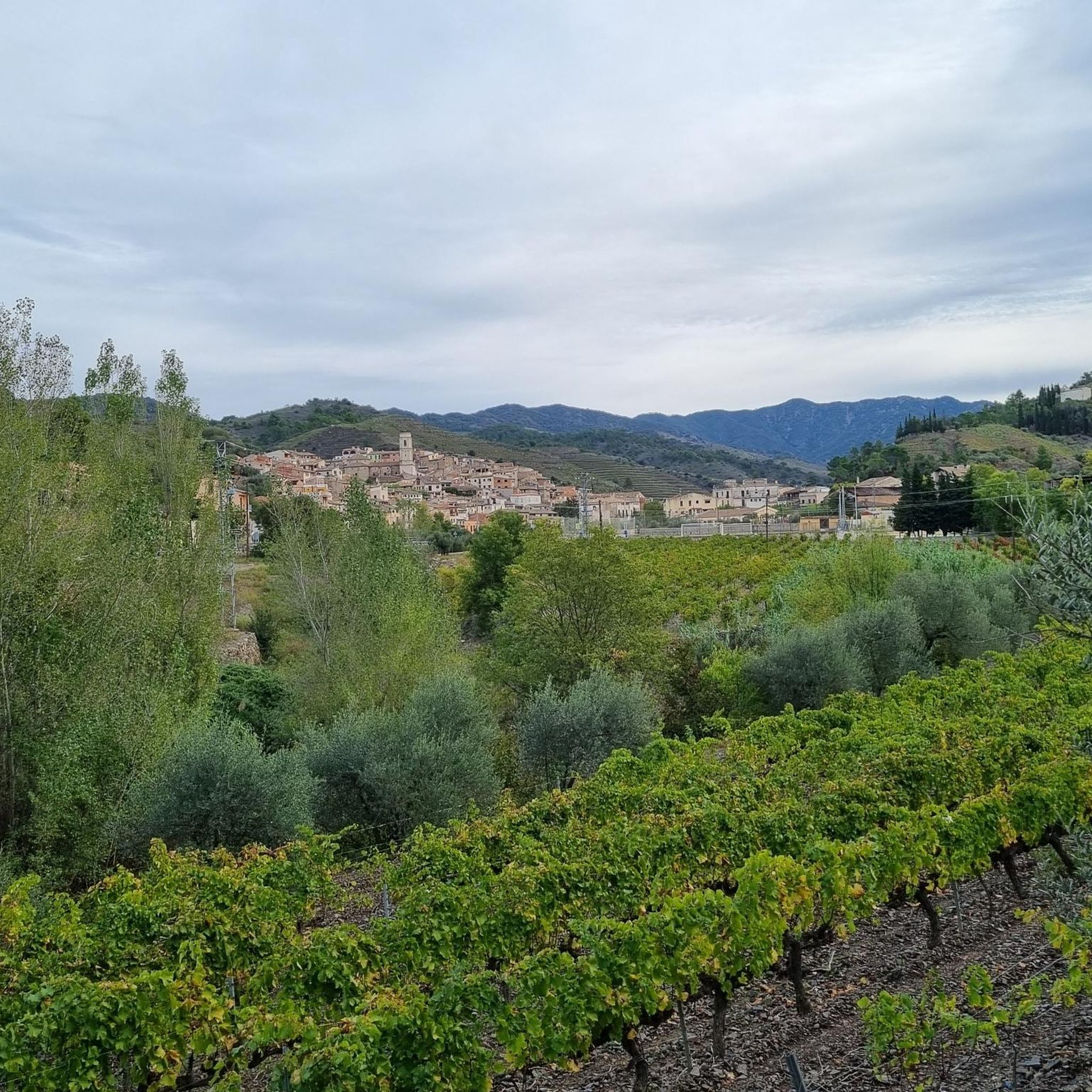
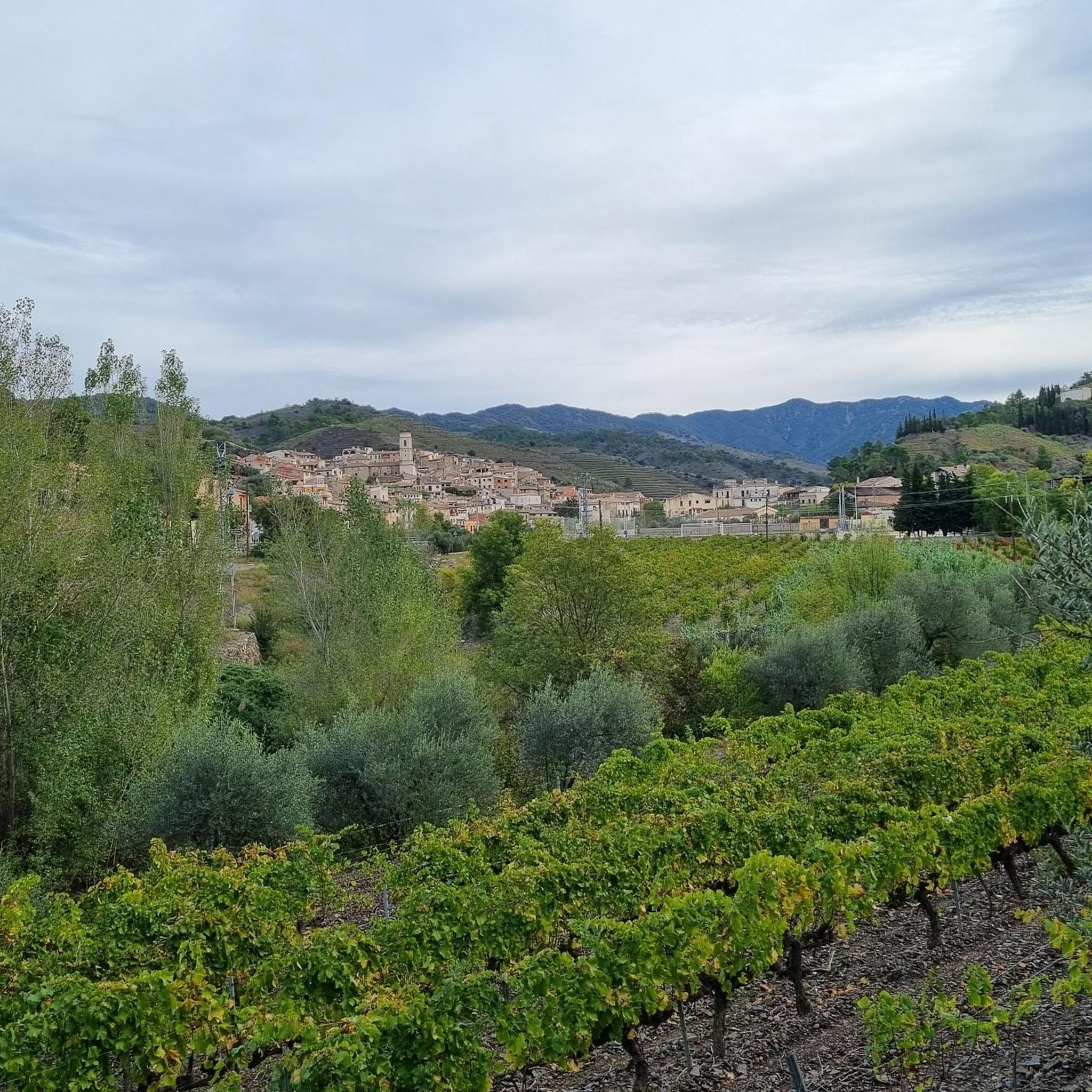
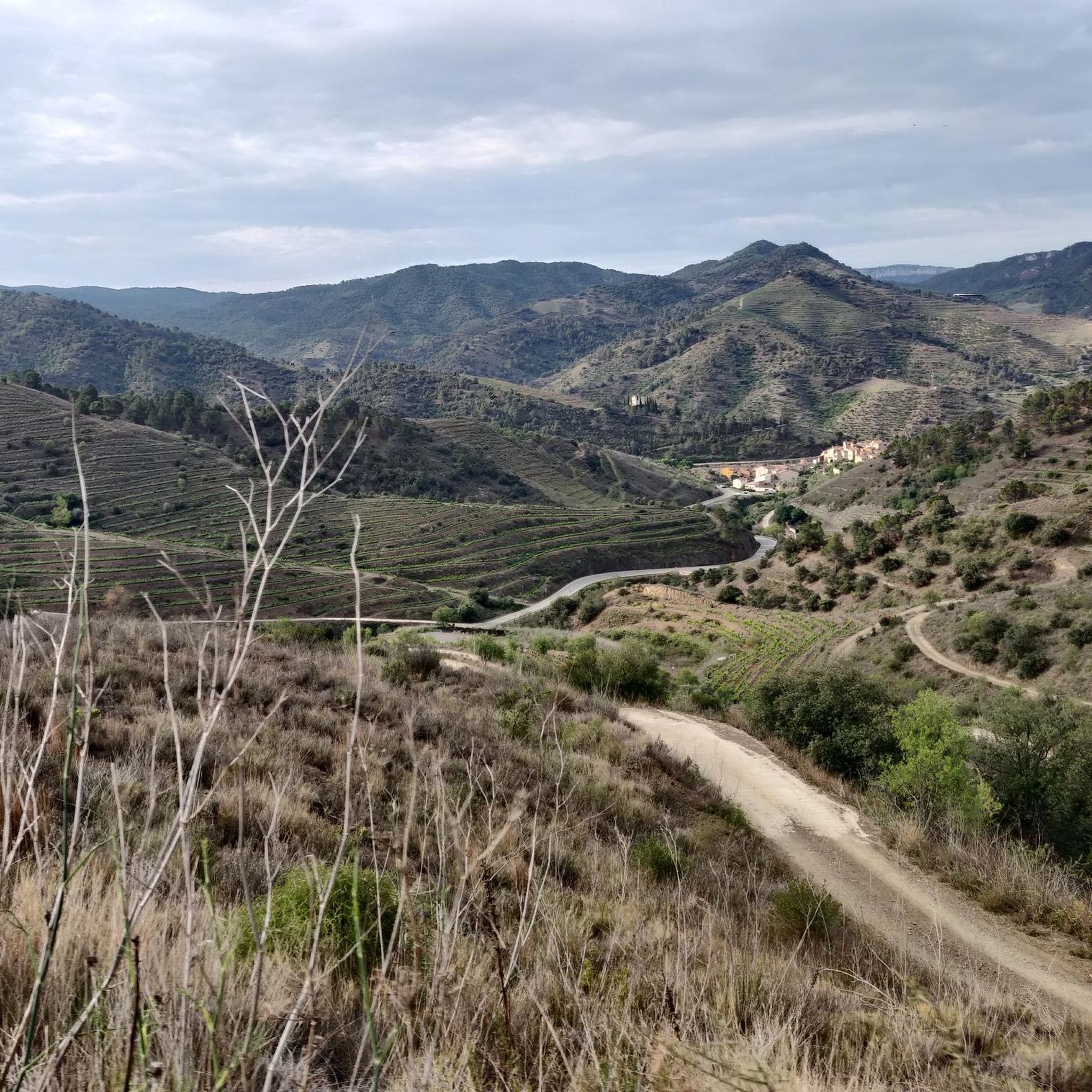

Tips from the Community

For the Avencs Pass, it can be very useful to carry some ropes to help you climb the large rocks.
0
0

Deep cave with wide chambers. Strong flashlight recommended.
0
0

Nice corner that invites you to silence and meditation
0
0

Located in Cabacés, la Covassa, is a cave with two buildings inside, one of which is in ruins.
2
0

Balma wide but not very suitable for bivouac due to the humidity and the large amount of vegetation that is found. In case of emergency it can be used as a shelter. It has the remains of a stone wall, which suggests that at some point it was used for human or livestock use.
0
0
This corner of Montsant is one of the emblematic places of the Natural Park. It is located in the heart of the mountains and can be reached from La Morera de Montsant, either by the Grau de Salfores, or by the Grau de la Grallera towards the Piló dels Senyalets, and from both points to the Pi del Cugat , where you have to take a path that goes down to the Clot. It is an oasis of greenery in the middle of the arid Serra Major, as there is usually water all year round. Contrary to many people's beliefs, in the middle of nowhere, there is a walnut tree, not a cherry tree. The cherry tree that gave the place its name died years ago and a walnut tree was planted in its place. In the past, shepherds used to bring their flocks to drink, and the drinking troughs they prepared for their flocks are still preserved.
0
0

Beautiful and easily accessible cave, but not the flashlight 🔦 forget!
5
0
Frequently Asked Questions
What kind of 'caves' can I explore in and around Porrera?
In Porrera itself, the most prominent 'caves' are its renowned wine cellars (cellers or bodegas), which are central to the village's identity as a significant wine-producing area. These offer a deep dive into the region's viticultural heritage. For natural geological formations, you'll find several interesting natural caves and rock shelters in the surrounding areas of Porrera.
Are there natural caves directly within the village of Porrera?
While Porrera is famous for its wine cellars, significant natural caves are generally found in the broader Priorat region and the Tarragona province, rather than directly within the village itself. The natural caves mentioned in this guide are located in the areas surrounding Porrera.
What are some notable natural caves near Porrera?
Several natural caves and rock shelters are worth exploring near Porrera. These include Clot del Cirer, an oasis of greenery in Montsant Natural Park, Cova Santa with its deep, wide chambers, and Cova de l'Os, a wide rock shelter with historical traces. Further afield, you can find Els avencs del Masroig and La Covassa Cave.
What makes Clot del Cirer a unique natural cave to visit?
Clot del Cirer is a natural monument located in the heart of the Montsant Natural Park. It's known as an oasis of greenery, often having water year-round, which is rare in the arid Serra Major. Historically, shepherds used this spot to water their flocks, and the old drinking troughs are still preserved. It's a place that invites silence and meditation.
What should I know before visiting Cova Santa?
Cova Santa is a beautiful and easily accessible cave featuring deep, wide chambers. Visitors are strongly recommended to bring a powerful flashlight for exploration to fully appreciate its depths.
What is the historical significance of Cova de l'Os?
Cova de l'Os is a wide rock shelter that features the remains of a stone wall. This suggests it was historically used as a shelter, possibly for humans or livestock, highlighting its past utility in the region.
Are there any natural caves with historical or prehistoric significance in the broader Tarragona region?
Yes, beyond Porrera, the broader Tarragona province offers caves with significant historical and prehistoric value. Examples include the Santa Llúcia Hospital Cave near La Bisbal de Falset, which served as a hospital during the Spanish Civil War, and Cabrafeixet in El Perelló, a UNESCO World Heritage Site with prehistoric cave paintings depicting hunting scenes.
What kind of wine cellars can I visit in Porrera?
Porrera is home to several distinguished wine cellars. You can visit historic wineries like Celler Cal Pla, known for its ancient cellars and traditional methods. Other notable cellars include Celler Vall Llach, focusing on old-vine Carignan and Grenache, family-run Celler Castellet, organic wine producer Alicia i Josep Viticultors, and Cims de Porrera, dedicated to recovering indigenous grape varieties from steep 'llicorella' soils.
What outdoor activities can I combine with exploring caves around Porrera?
The area around Porrera is excellent for various outdoor activities. You can find numerous routes for road cycling, with options like the 'View of La Vilella Baixa – Coll d'Albarca loop'. There are also challenging running trails, such as the 'Mas del Salín loop from Arbolí'. For general cycling, consider routes like the 'View of the Montsant Mountains loop from la Vilella Baixa'.
What is the best time of year to visit the caves and wine cellars in Porrera?
The Priorat region, including Porrera, experiences a Mediterranean climate. Spring (April-May) and autumn (September-October) are generally ideal. During these seasons, the weather is pleasant for exploring natural caves and hiking, and it's also a great time to visit the wine cellars, especially during harvest season in autumn, when many wineries offer special tours and tastings.
Are the natural caves around Porrera suitable for families?
The suitability for families depends on the specific cave and the age/ability of the children. Some caves, like Cova Santa, are described as 'easily accessible'. However, others, especially those requiring ropes or involving steep terrain like Els avencs del Masroig, might be more challenging. Always check specific access details and consider the difficulty of the approach trails before visiting with children.
What do visitors enjoy most about the caves and surrounding area of Porrera?
Visitors appreciate the unique blend of natural beauty and rich viticultural heritage. The natural caves offer geological exploration and tranquil spots like Clot del Cirer. The wine cellars provide a deep dive into the history and production of world-renowned Priorat wines, often with opportunities to taste and learn about the region's distinct 'llicorella' soil and old vines. The komoot community has shared 26 photos and given 13 upvotes, highlighting the area's appeal.
Most popular routes around Porrera
Most popular attractions around Porrera

Get inspired with the komoot mobile app


Explore more
Extend your search for the best caves by checking out these guides of the top ones around Porrera:
