Top 15 Castles around Llers
Best castles around Llers include the remains of the Llers Castle, a significant historical fortress constructed in the 13th century. This region, situated in the Empordà, offers a glimpse into medieval architecture and its strategic importance near the Pyrenees. Visitors can explore various historical sites, including castle ruins and fortified churches, set within a landscape that played a role in historical conflicts. The area provides a tangible connection to Catalonia's past.
Best castles around Llers
- The most popular castles is…
Last updated: June 20, 2026
Church of Sant Llorenç de la Muga
Highlight • Religious Site
santllorencdelamuga.cat/ca/Sant Llorenç de la Muga is located in the high Muga valley, in an area also known as the mountain Empordà or the Garrotxa d'Empordà due to its mountainous terrain.
Translated by Google •
Tip by

Sant Ferran Castle
Highlight • Castle
Translated by Google •
Tip by
Sign up now to discover places like this
Get recommendations on the best single tracks, peaks, & plenty of other exciting outdoor places.
Sign up for free
Sant Martí del Far Church and Castle
Highlight • Historical Site
Translated by Google •
Tip by
Castell de les Escaules
Highlight • Castle
Period 13th to 15th century
Location: Hill to the south of the town of Les Escaules
Special Interest
Protection Cultural property of national interest (BCIN)
Translated by Google •
Tip by

Peralada
Highlight • Settlement
Translated by Google •
Tip by

Sign up for free to discover even more castles around Llers.
Sign up for free
Already have an account?
Start today with a free account
Your next adventure awaits.
Login or Signup
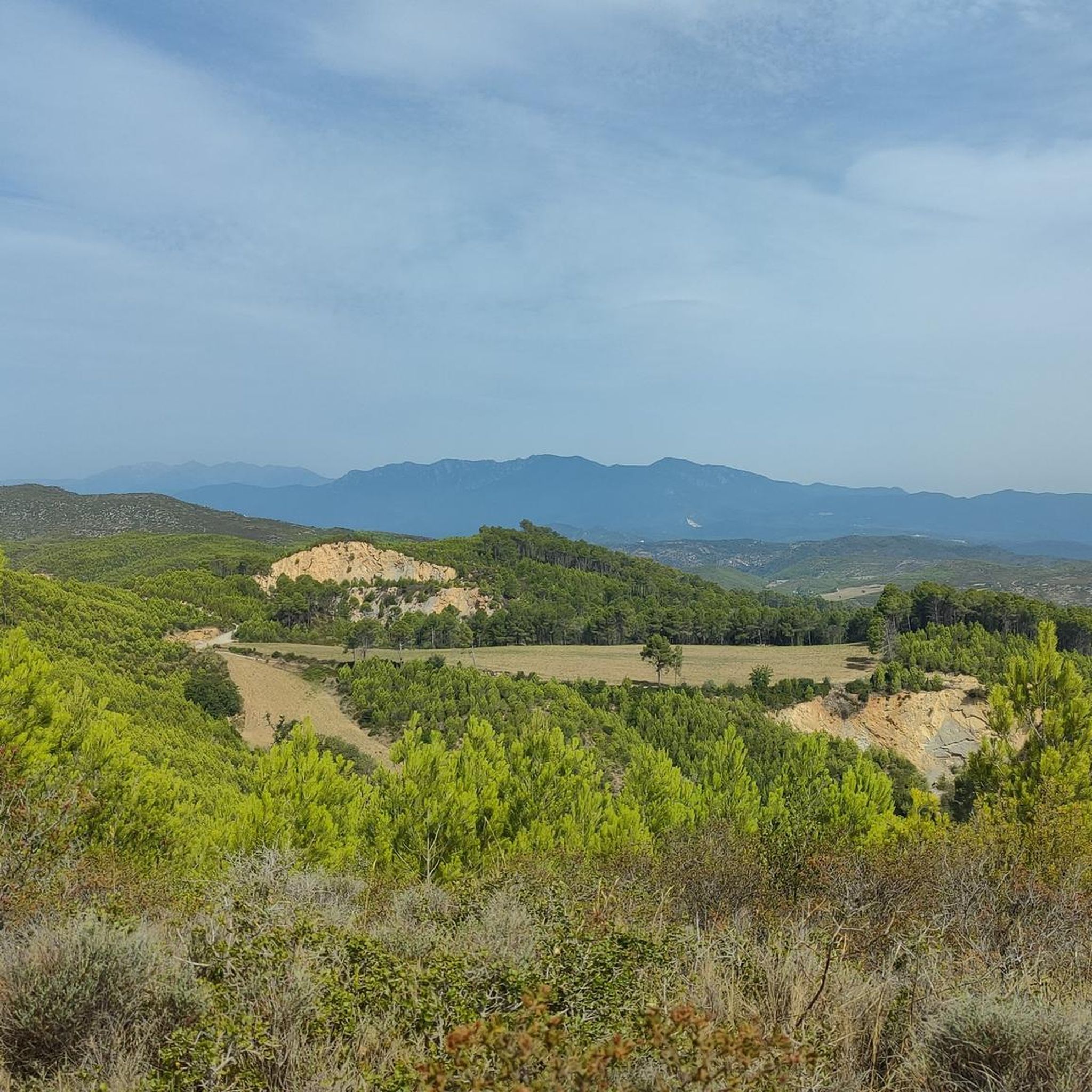
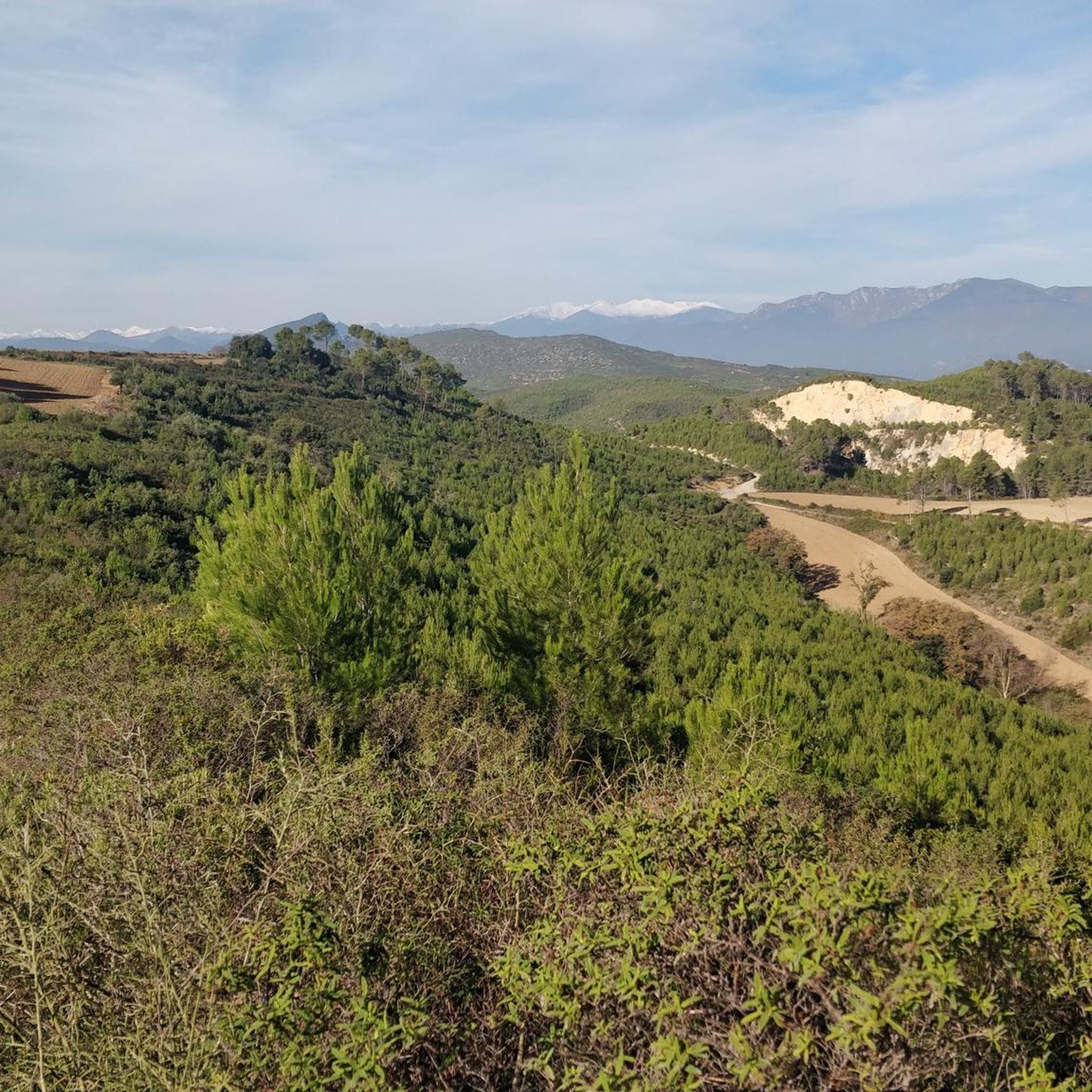
Tips from the Community

...short or long hike possible 👌🥾...great view
0
0


Sant Llorenc de la muga is considered one of the most beautiful towns in Catalonia and is always worth a visit!
0
0

Fanatical medieval village Where you will lose track Of time ⏲️ This town and its surroundings are so beautiful that you will surely fall in love with it 😍
0
0

The octagonal fortress Castell de Sant Ferran, covering 32 hectares, was built to accommodate 6,000 people and 500 horses. It is the largest bulwark fortress built in Europe in the 18th century.
1
0

Panoramic views of the Alt Empordar maritime mountains. You have two benches and a picnic area next to the motorhome and parking area. The neighborhood just below the castle is a bit problematic, so don't leave your bike behind because it can be stolen by the group of young people who come up to smoke boil and...
3
0
https://castellsantferran.com/es/horarios https://castellsantferran.com/es/horarios https://www.youtube.com/watch?v=uB1WPtwXzCo The Castle of San Fernando in Figueres, known as Castell de Sant Ferran, is the largest bastioned fortress in Europe, its construction beginning in 1753 under the reign of Ferdinand VI of Bourbon. It was designed by military engineer Juan Martín Zermeño and could house a garrison of 4,000 men. During the War of Independence, it was occupied by Napoleonic troops and later recovered by the Catalan migueletes. In the Spanish Civil War, it served as a concentration point for the International Brigades and a refuge for the Spanish Artistic Treasure, and in 1939 it hosted the last meeting of the Republican Cortes in national territory. It was subsequently used as a barracks until the 1960s and was opened to the public in 1996. The fortress has suffered significant damage throughout its history, including the destruction of part of its walls and structures during explosions in the Civil War. .
3
0
Located on a hill, at the end of the Castell pujada, it is a large bastioned fortification built in the 18th century following the project of the commander of the Corps of Engineers Juan Martín Zermeño. It occupies an area of 32 hectares with a perimeter of 3,120 meters, and the cisterns, located under the parade ground, hold 9 million liters of water. The castle of San Ferran, which had a capacity for 4,000 men, currently constitutes a heritage legacy of the first order, the largest monument in Catalonia and the largest modern fortress in Europe. Due to its enormous dimensions, the sophisticated construction techniques applied in the military engineering of the time, and its excellent state of conservation, a visit to the Sant Ferran castle constitutes a unique experience.
3
0
Frequently Asked Questions
What is the main historical castle in Llers?
The primary historical fortress in the area is the **Llers Castle**. While largely in ruins due to a gunpowder explosion in 1939, its remains offer a significant glimpse into the region's past. It features a prominent cylindrical keep and thick walls, dating back to the 13th century.
What historical significance does Llers Castle hold?
Llers Castle was strategically important in the Empordà region, dominating the plain and guarding passes near the Pyrenees. It served as a key defensive fortress during conflicts like the 1285 crusade against Catalonia, the War of Succession, and the French Revolution. Notably, Charles of Valois and King Pere el Gran were crowned within its walls in 1285.
Are there other notable castles or fortified sites near Llers?
Yes, beyond Llers Castle, you can explore several other historical sites. These include the Church of Sant Llorenç de la Muga, which is part of a medieval walled enclosure, and the Fortress of Capmany, located within a charming medieval town. Another site is the Sant Martí del Far Church and Castle, a 13th-century site with Romanesque and Gothic influences.
What kind of views can I expect from the castles around Llers?
Many of the castle sites, including the ruins of Llers Castle, offer breathtaking views of the surrounding natural landscape. For example, Sant Martí del Far Church and Castle and Castell de les Escaules are noted for their excellent viewpoints, allowing visitors to appreciate the Empordà region's scenery.
Are there family-friendly options for visiting castles near Llers?
Yes, several castles and historical sites are suitable for families. The Church of Sant Llorenç de la Muga is considered family-friendly, offering a well-preserved medieval village to explore. The Fortress of Capmany is also a great family-friendly option, set in a charming medieval town.
What outdoor activities can I do near the castles around Llers?
The area around Llers offers various outdoor activities. You can find numerous hiking trails, such as the 'Ancient Stone Bridge – Muga Nature Trail loop from les Escaules' or the 'Small Waterfalls of the Muga loop from Molí d'en Calvet'. For cycling enthusiasts, there are routes like the 'Darnius-Boadella Reservoir loop from les Escaules' or the 'Castell de Llers – Sant Quirze d'Olzinelles loop'. You can find more details on these activities in the hiking guide and cycling guide for Llers.
What is the best time to visit the castles in the Llers region?
The Llers region, part of the Empordà, offers pleasant conditions for visiting castles and exploring the outdoors throughout much of the year. Spring and autumn generally provide mild temperatures ideal for walking and sightseeing. Even in winter, castle visits can be rewarding, offering a different perspective of the historical sites and surrounding landscapes.
What kind of architecture can I expect to see at these castles?
The castles and fortified sites around Llers showcase a range of medieval architecture. Llers Castle itself is a 13th-century Romanesque structure with evidence of high medieval construction. Other sites like the Sant Martí del Far Church and Castle feature Romanesque architecture with Gothic influences and fortified elements, reflecting the region's long history.
Are there any castles that are particularly good for photography?
Many of the castles and their ruins offer excellent photographic opportunities, especially those with scenic viewpoints. The remains of Llers Castle, with its prominent keep and views of the surrounding landscape, are very photogenic. Similarly, the Castell de les Escaules is situated on a hill overlooking the village and valley, providing great shots.
What do visitors enjoy most about the castles around Llers?
Visitors appreciate the tangible connection to Catalonia's pivotal historical events and the glimpse into medieval architecture. The well-preserved urban cores of medieval towns associated with castles, like the one around Sant Llorenç de la Muga, are also highly valued. The scenic views from many of the castle sites are frequently mentioned as a highlight.
Can I find food and accommodation near the castles?
Yes, the region offers options for food and accommodation. For instance, the medieval town surrounding the Fortress of Capmany has a courtyard restaurant and is described as a charming place to recharge. The village of Sant Llorenç de la Muga, near its church and castle, retains the spirit of a quiet and welcoming rural town, likely offering local amenities.
What is the current state of Llers Castle?
Llers Castle today consists of significant ruins. While much of it was destroyed in 1939, its prominent cylindrical keep, thick walls, and rectangular enclosure remain. The castle was restored between 1981 and 2013, ensuring its preservation. Some parts are partially integrated with current housing, allowing visitors to imagine its past grandeur.
Most popular attractions around Llers

Get inspired with the komoot mobile app


Explore more
Looking for the best castles somewhere else? Discover other guides around Llers:
