Top 7 Huts and Cabins around Sant Climent Sescebes
Best huts around Sant Climent Sescebes are primarily ancient megalithic structures, including dolmens and menhirs, which offer a glimpse into prehistoric times. The area is situated in the Alt Empordà region of Catalonia, Spain, within the Albera Mountains, known for its extensive megalithic route. This landscape provides a setting for exploring historical sites up to 7,000 years old. The region's natural environment, including the Natura 2000 Network "Basses de l'Albera", complements the historical significance of these structures.
Best huts around…
Last updated: July 4, 2026
Banyuls Pass
Highlight • Mountain Pass
Translated by Google •
Tip by

Tomy Refuge
Highlight • Mountain Hut
Translated by Google •
Tip by

Sign up now to discover places like this
Get recommendations on the best single tracks, peaks, & plenty of other exciting outdoor places.
Sign up for free
Ullat Pass
Highlight • Mountain Pass
Translated by Google •
Tip by

Casot d’en Lic
Highlight • Mountain Hut
Translated by Google •
Tip by

Refuge de la Tanyareda
Highlight • Mountain Hut
Tour to the highlight: komoot.de/tour/295473434?ref=itd
Translated by Google •
Tip by

Sign up for free to discover even more huts and cabins around Sant Climent Sescebes.
Sign up for free
Already have an account?
Start today with a free account
Your next adventure awaits.
Login or Signup


Tips from the Community

In poor condition and dirty, usable in case of emergency
0
0

The Green MEPs Jordi Solé and François Alfonsi, and the Social Democrat Éric Andrieu, launched a letter to Pedro Sánchez and Emmanuel Macron, presidents of Spain and France respectively, calling for the reopening of the crossings to be discussed at the 27th Franco-Spanish summit on 19 January in Barcelona. The letter, signed by 31 MEPs, was presented at a press conference at the European Parliament in Strasbourg. Two days later, on 20 January, residents of Espolla reopened the coll for the annual Feria de l'Oli y de l'Olivera in the village. However, on 23 January the French authorities closed the crossing again.
3
0
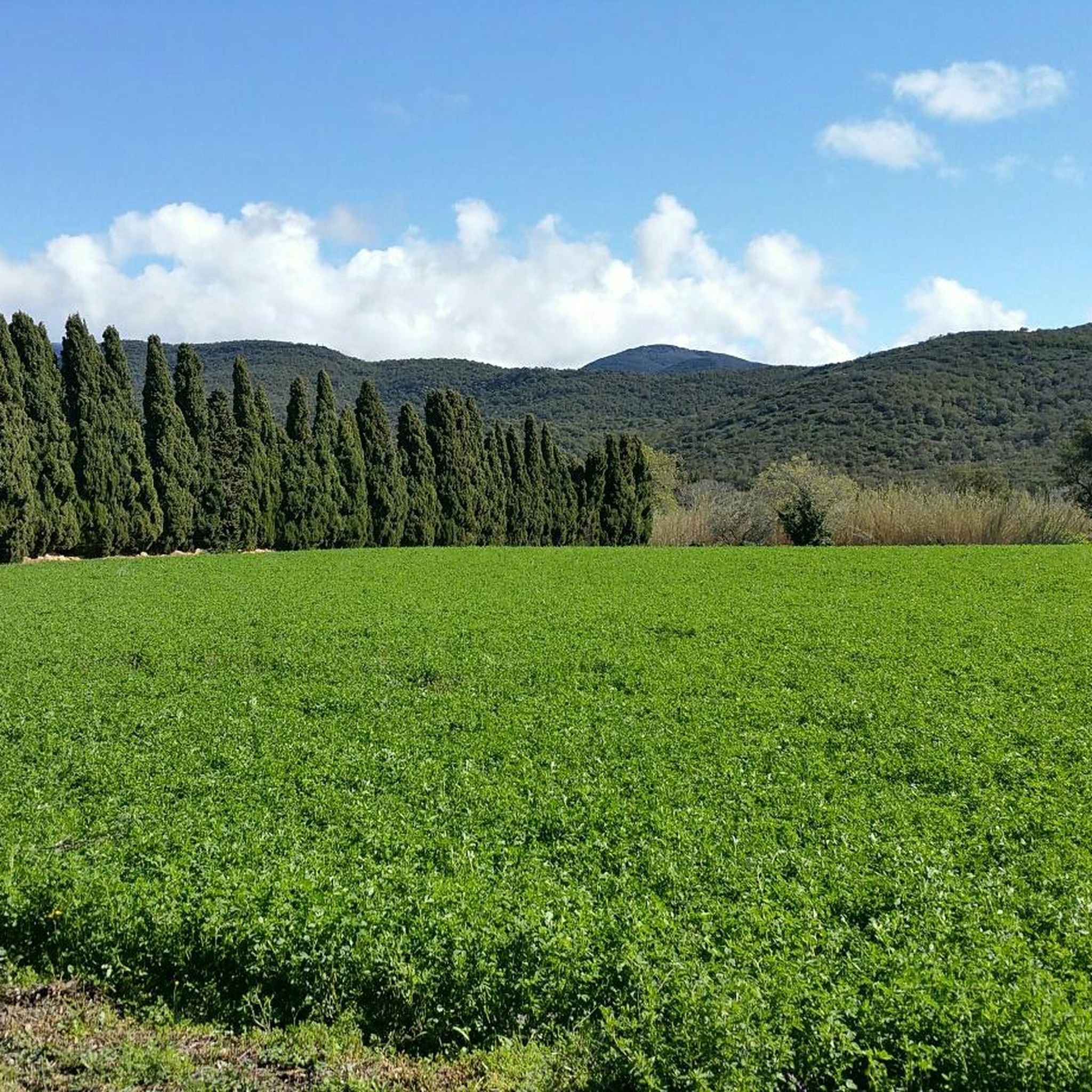
It is located at an altitude of approximately 936 metres in the Albera mountain range in the Pyrénées-Orientales, France. It is accessible by road via a narrow, paved route, which climbs from Le Boulou and Laroque-des-Albères. The road offers panoramic views as it ascends through the forest.
3
0
At the Col de l'Ullat, there is also a refuge that offers basic services for hikers. Surrounded by forests and with panoramic views, it is an ideal place to enjoy nature and explore the region.
3
1

Until the end of the 19th century, the Albera massif was heavily exploited. The “Casot d’en Lic”, a structure larger than a hut, served as a tool shed when the surrounding terraces were cultivated, planted with fruit trees and irrigated. In this building, the Laroque Heritage Association presents you with an overview of the flora and fauna that you can discover in this area (former botanical trail).
8
0

Sporty and not afraid of heights to access it but nothing dangerous
3
0
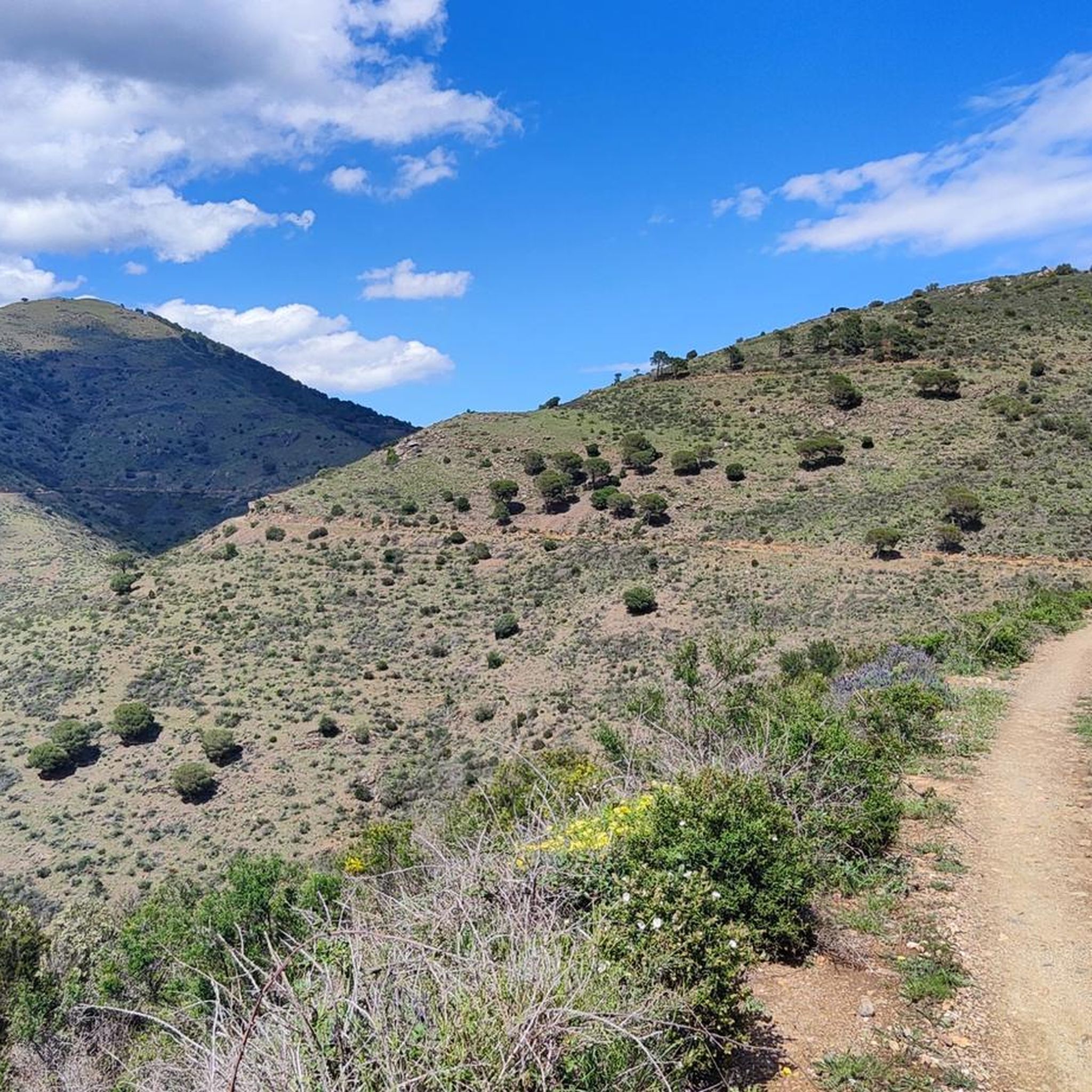
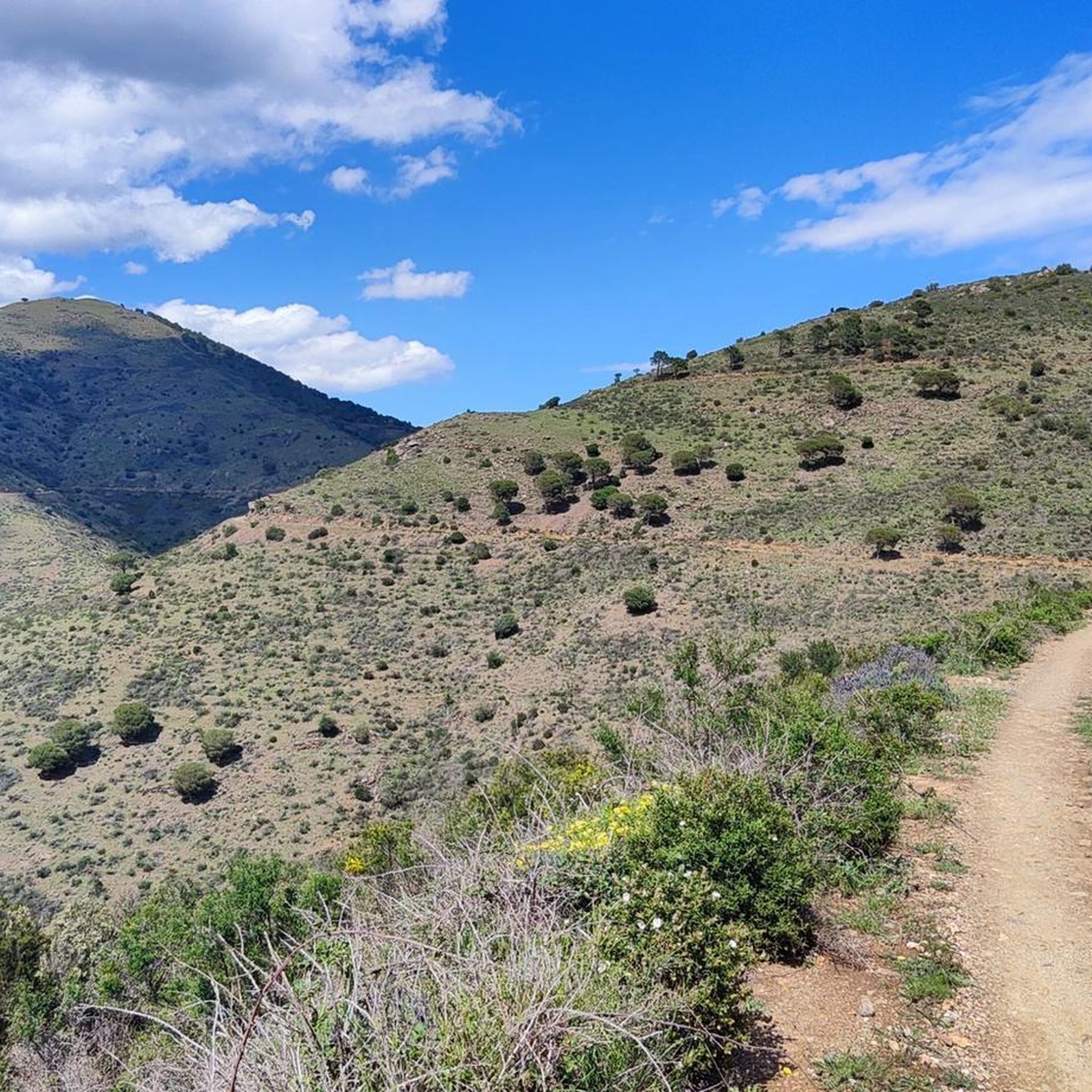
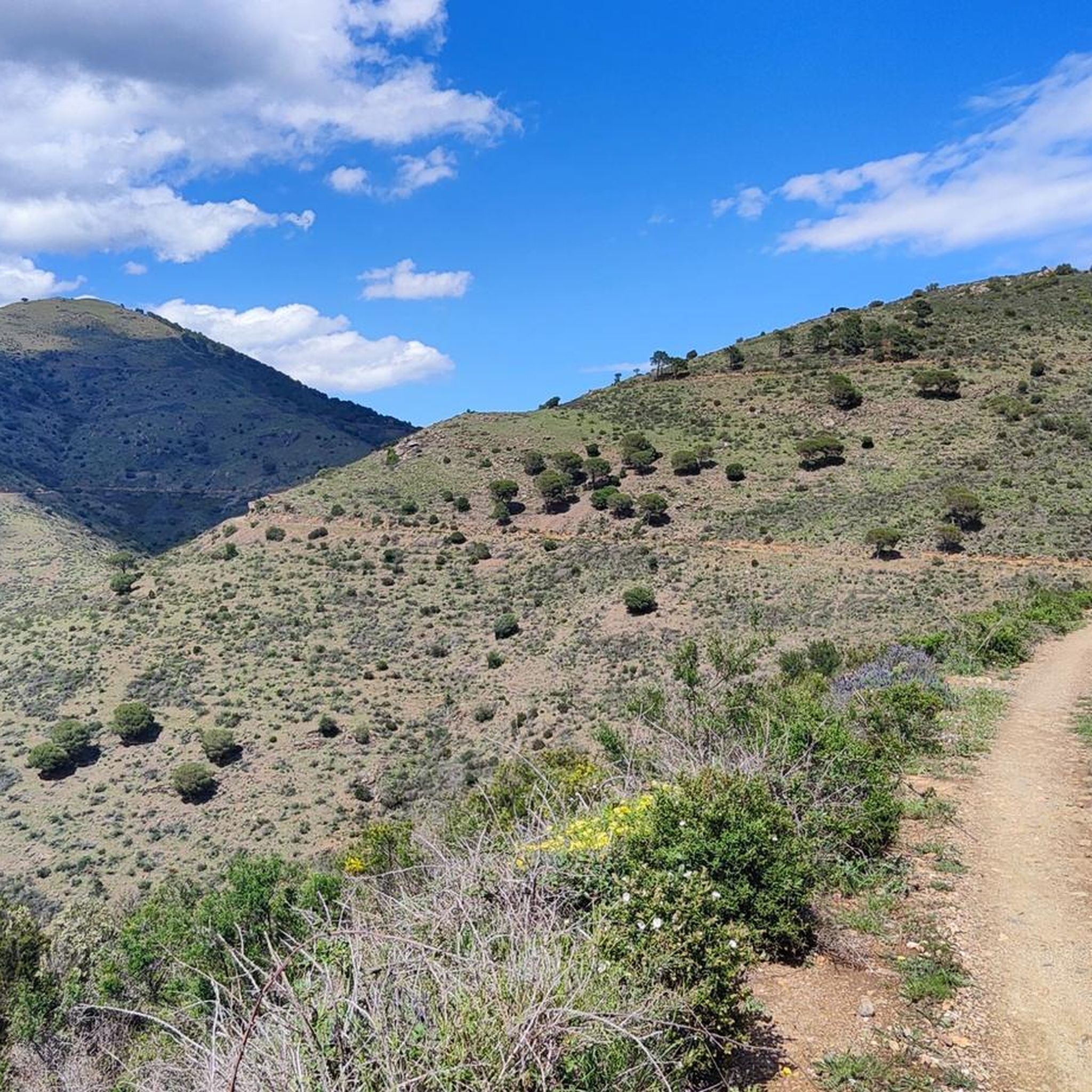
The Coll de Banyuls is a mountain pass and border crossing between France and Spain, located in the Albera Massif, the easternmost extension of the Pyrenees. This pass connects the Spanish municipality of Rabós (Alt Empordà, Catalonia) with the French commune of Banyuls-sur-Mer (Pyrénées-Orientales, Occitania). The saddle point of the Coll de Banyuls is located at about 357 meters above sea level. This pass was blocked with large rocks by the French government on January 11, 2021, under the pretext of curbing irregular immigration and the terrorist threat. However, a grassroots organization that was committed to opening the closed border crossings (Esborrem Fronteres) reopened it on January 20, 2023 using an excavator.
5
0

Mythical pass of the east of the Pyrenees. Mythical pass of the east of the Pyrenees.
3
0
Frequently Asked Questions
What types of 'huts' can I explore in Sant Climent Sescebes?
In Sant Climent Sescebes, 'huts' refer primarily to ancient megalithic structures like dolmens and menhirs, which are burial and cult places up to 7,000 years old. Additionally, you can find modern mountain refuges and passes with shelters, such as Banyuls Pass and Tomy Refuge.
What are some of the most significant megalithic structures to visit?
The region is rich in megalithic monuments. Notable examples include the well-preserved Dolmen de la Gutina, the distinctive Dolmen del Salt d'en Peió with its rare typology, and the Menhir de la Murtra and Menhir de Vilartolí (Pedra Dreta). Other important sites are the Dolmen de les Tires Llargues and Dolmen de Fontanilles.
Are there any modern refuges or shelters available for hikers?
Yes, there are several. Banyuls Pass features a publicly accessible refuge with a table, oven, and extra bedroom, plus a nearby spring. Tomy Refuge is a cozy, windproof, and waterproof hut hidden among rocks, accommodating up to three people. Another option is Refuge de la Tanyareda, an unmanaged refuge in beautiful old oak forests.
What kind of natural environment surrounds these sites?
The megalithic structures and refuges are situated within the Albera Mountains, an area known for its natural beauty. The Dolmen de la Gutina, for instance, is located near the unique Gutina ponds, part of the Natura 2000 Network "Basses de l'Albera." The Ullat Pass is surrounded by pine trees and redwoods, offering great views.
Are there hiking trails to reach these megalithic sites and refuges?
Yes, the area boasts an extensive megalithic route, making these sites accessible via hiking. The surrounding natural landscape, including the Albera Natural Site of National Interest, provides a picturesque setting for exploration. You can find various walking and running routes, such as the 'Menhir of the Serra de l'Albera loop from Sant Climent Sescebes', which can be explored further on the Running Trails around Sant Climent Sescebes guide.
What is the best time of year to visit the huts and megalithic sites?
The region's climate generally allows for visits throughout much of the year. However, the surrounding natural landscape is particularly pleasant for hiking and exploration during spring and autumn when temperatures are milder. Winter hiking is possible, especially to refuges like Refuge de la Tanyareda, but be prepared for colder conditions.
Can I find food or refreshments near the huts?
While many of the ancient megalithic sites are in natural, undeveloped areas, some modern passes offer amenities. For example, Ullat Pass features a restaurant, the Chalet de l'Albère, where you can find refreshments and enjoy views.
What makes the megalithic route in Sant Climent Sescebes unique?
The megalithic route in Sant Climent Sescebes is unique due to its high concentration of prehistoric relics, including dolmens and menhirs, in the Albera Mountains. This area was historically significant for travel and settlement, offering a tangible connection to the Stone Age and allowing visitors to explore sites up to 7,000 years old within a protected natural landscape.
Are there options for different outdoor sports near the huts?
Absolutely. Beyond hiking to the huts and megalithic sites, the region offers diverse outdoor activities. You can find numerous running trails, such as the 'Sant Jaume Church – Dolmen of Espolla loop', and extensive MTB trails, including the 'Albera Massif: Puig Neulós and Requesens Castle Loop'. For more details, explore the Running Trails and MTB Trails around Sant Climent Sescebes guides.
What historical significance do these megalithic structures hold?
These megalithic structures are testaments to early human settlement and practices in the region, dating back to approximately 3500-3200 BC. They served as burial and cult places, providing invaluable insights into the Stone Age and the ancient cultures that inhabited the Alt Empordà region. Archaeological excavations at sites like the Dolmen de la Gutina have unearthed significant artifacts, further enriching our understanding of prehistoric life.
Are there any specific tips for visiting the Banyuls Pass refuge?
The refuge at Banyuls Pass is small but solid, publicly accessible, and includes a table, oven, and extra bedroom. There's a spring nearby, though it may trickle sparingly. The approach from Catalonia is generally more pleasant, leading through a beautiful, solitary landscape. The pass also holds historical significance, with memorial plaques commemorating those who fled repression via this route.
What wildlife might I encounter near the huts?
The Albera Mountains and the Natura 2000 Network "Basses de l'Albera" are protected areas, suggesting a rich biodiversity. While specific wildlife isn't detailed for each hut, the natural setting implies opportunities to observe local flora and fauna. The 'Casot d’en Lic' highlight even mentions an overview of the flora and fauna in the area, indicating its ecological importance.
Are there any less-known or 'hidden gem' huts worth discovering?
While the megalithic sites are well-documented, Tomy Refuge could be considered a hidden gem. It's literally hidden in a fold of large rocks, offering a cozy, windproof, and waterproof shelter for a maximum of three people. Its secluded location on the easternmost mountain of the Pyrenees ensures a tranquil experience away from crowds.
Most popular routes around Sant Climent Sescebes
Most popular attractions around Sant Climent Sescebes

Get inspired with the komoot mobile app


Explore more
Find more beautiful huts and cabins around Sant Climent Sescebes by checking out the top ones in these nearby places:
