Top 5 Castles around Vila-Rodona
Best castles around Vila-Rodona are situated in the province of Tarragona, a region characterized by its historical significance and fertile fluvial terraces. The area, particularly around the Gaià river, has historically supported vineyards and agricultural products. Vila-Rodona itself is home to the Castell de Vila-rodona, a key historical site with origins dating back to approximately 1150. This region offers a blend of historical landmarks and natural landscapes.
Best castles around Vila-Rodona
- The most popular castles is Prenafeta Castle, a…
Last updated: August 27, 2026
Prenafeta Castle
Highlight • Castle
Translated by Google •
Tip by

Selma Castle
Highlight • Castle
Translated by Google •
Tip by

Sign up now to discover places like this
Get recommendations on the best single tracks, peaks, & plenty of other exciting outdoor places.
Sign up for free
Tower of the Quadra de Puigloret
Highlight • Historical Site
Translated by Google •
Tip by
Vespella de Gaià Viewpoint and Sant Miquel Church
Highlight • Viewpoint
Translated by Google •
Tip by

View of Pico del Montmell
Highlight • Viewpoint
Translated by Google •
Tip by
Sign up for free to discover even more castles around Vila-Rodona.
Sign up for free
Already have an account?
Start today with a free account
Your next adventure awaits.
Login or Signup

Tips from the Community

The Castillo de Selma, also known as the Castell de Selma, is a ruined medieval fortress located in the municipality of Montmell, in the Baix Penedès. Documented as early as the 10th century, it was one of the most important castles in the Penedès marca, controlling the roads and lands of the area. For centuries it belonged to the Order of the Templars and then to the Hospitallers, until it was abandoned in the 15th century. Today, only half-collapsed walls, towers and wall locks remain, surrounded by forest and silence. The path to the castle is stony and demanding, perfect for those looking for MTB with a touch of adventure. Once at the top, the view is immense: the entire Penedès plain at your feet, the surrounding mountains and, on clear days, the sea in the background. Despite its dilapidated state, it is a place full of history and mysticism, reminiscent of feudal splendor and the Templar presence in the area.
0
0
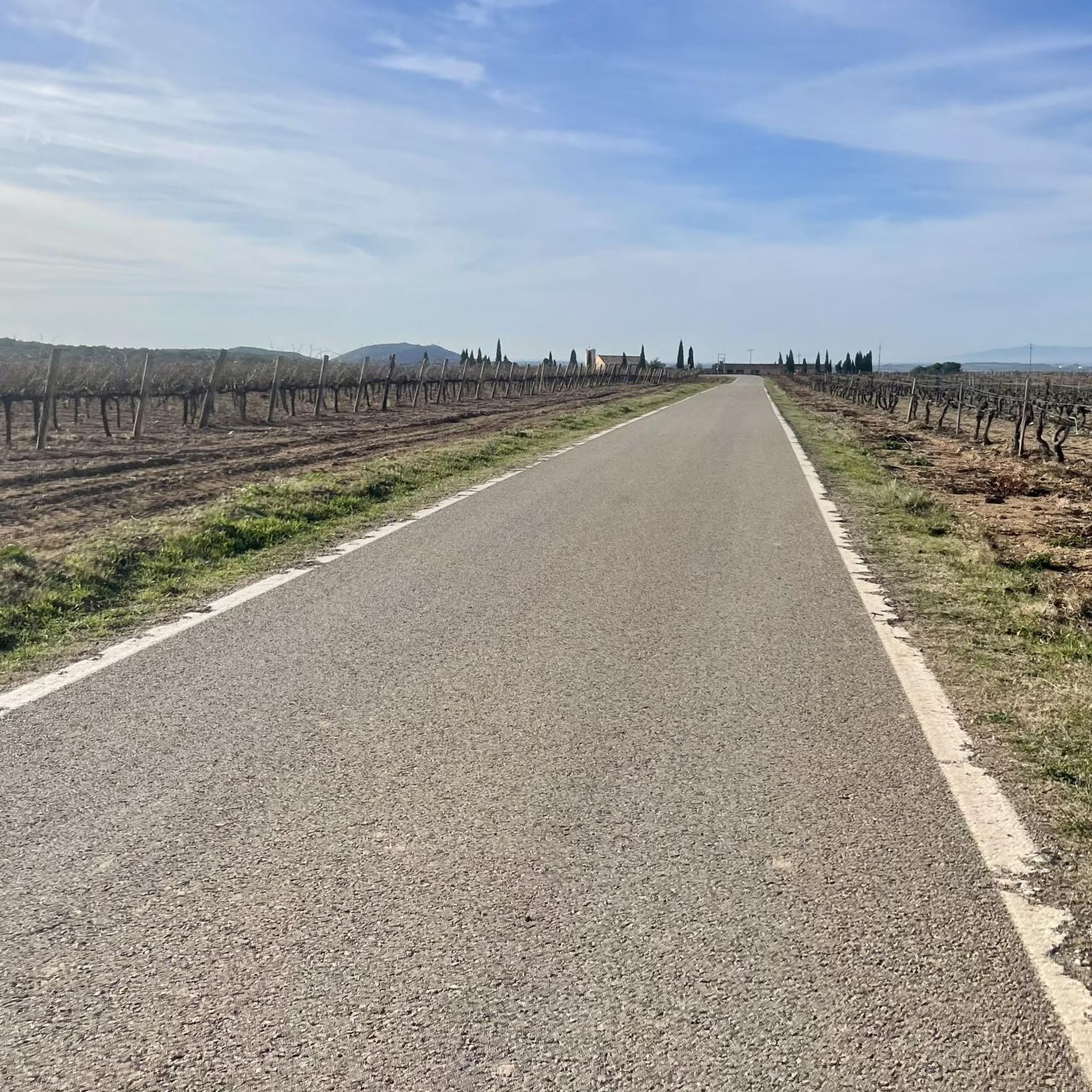
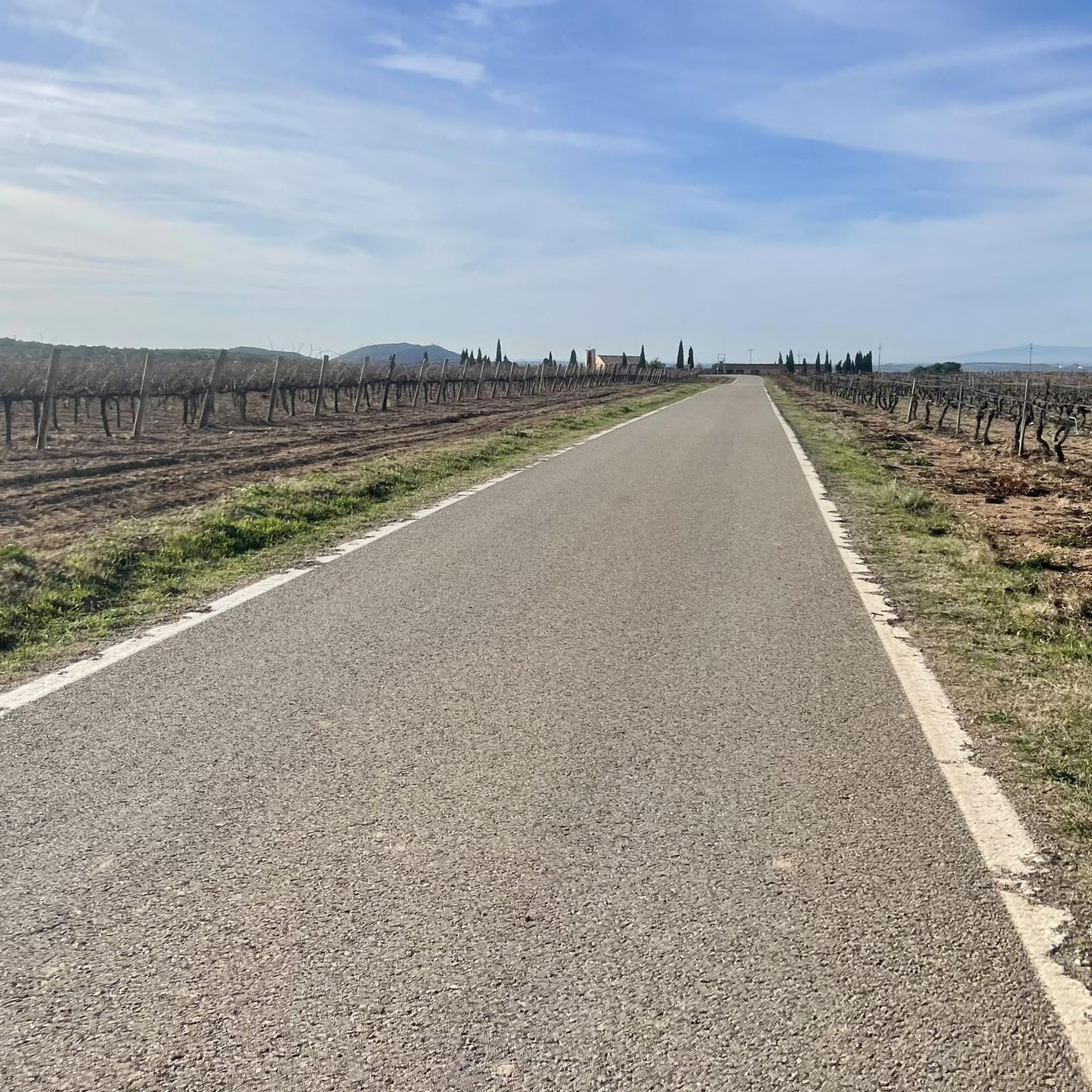
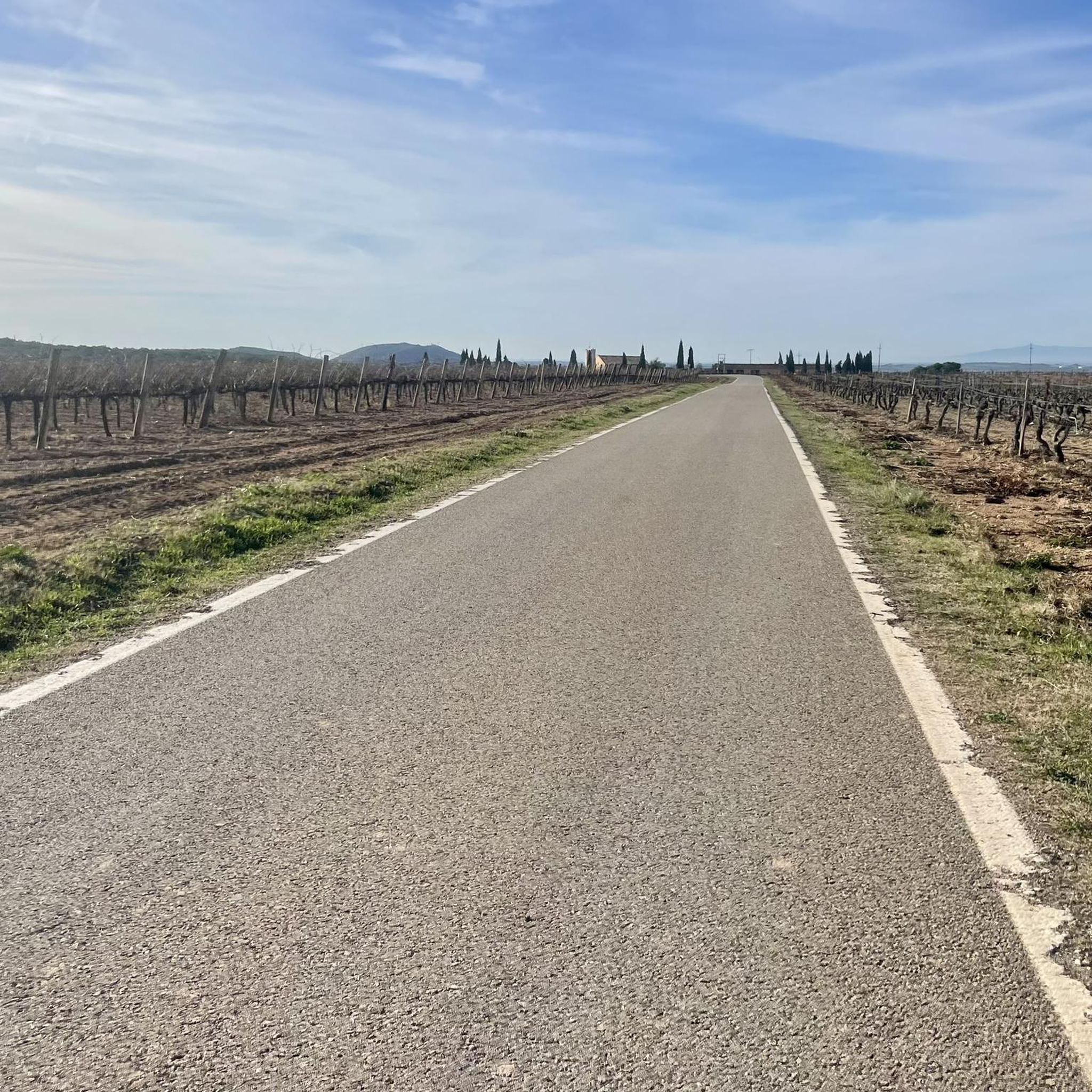
The trail that brings you to this point is in good condition and suitable for all ages. From here, you can choose to descend to Can Marles, or if you turn off the first path, you'll reach Cal Joan de la Torre and then Aiguaviva.
0
0
Three emblematic points of the mountain range come together: Castellot, with the remains of the medieval fortress that guarded the Penedès; the Romanesque hermitage of Sant Miquel, from the 11th century, small and simple, but full of history; and the Creu del Montmell, which crowns the ridge as a symbol visible from afar. Climbing it by MTB or on foot is demanding, with steep and rocky sections, but the reward is immense: a 360º natural viewpoint over vineyards, villages and, on clear days, all the way to the sea. It is a place where nature, heritage and epic panoramas meet in a single point.
0
0
It crowns the mountain range and is one of the most iconic points in Baix Penedès. Located at an altitude of over 780 m, it offers a spectacular panorama of the entire region and, on clear days, as far as the sea. Today, all that remains are the remains of walls and towers, witnesses to a medieval fortress that controlled the roads and served as a refuge for the population. The climb to Castellot is demanding, with steep and rocky sections, but the reward is enormous: a natural viewpoint where history and landscape merge. On MTB you have to be prepared, it is better to climb calmly and perhaps do the last section on foot, but the experience is very worthwhile. It is a place that reminds us of the strategic importance of this peak and at the same time a perfect point to enjoy the immensity of Montmell.
0
0

The ruins of the castle of Prenafeta (11th century) also include part of the original nucleus of the population of Prenafeta. You can still see remains of the castle, the church and the fountain of Sant Salvador. The castle is also known as Torre del Moro.
0
0
Fortified farmhouse with a quadrangular tower, from the 13th to the 15th centuries it had been the home of the minor wardens of the Selma castle, the Montagut family. At the end of the 14th century it became a simple farmhouse, when Juan de Montagut married Blanca Lloret and the family stopped residing in Puiglloret. The tower is hardly distinguishable today, due to the many modifications it has undergone. On the ground floor there is a door with a lowered semicircular arch and on the first floor a rectangular window. The facing is made of irregular crushed stone, except for the corners, which are made of regular ashlars.
1
0

Excellent location to enjoy the views at the top of the Talaia del Montmell.
3
0
At the top of a hill, between the remains of the Castillo de Vespella and the church of Sant Miquel de Vespella, there is a splendid viewpoint from which to contemplate the town of Vespella de Gaià and part of the countryside of Tarragona.
3
0
Frequently Asked Questions
What historical significance do the castles around Vila-Rodona hold?
The castles in the Vila-Rodona area, such as the Castell de Vila-rodona itself, are deeply rooted in the region's history, with origins often tracing back to the 11th or 12th centuries. They served crucial defensive roles, particularly during conflicts like the 15th-century civil war and the Carlist Wars in the 19th century. Many, like Selma Castle, were strategically important, controlling roads and lands for centuries.
Which castles offer the best panoramic views in the Vila-Rodona area?
Several castles and historical sites provide excellent panoramic views. Selma Castle, though ruined, offers immense views of the Penedès plain. Similarly, the Vespella de Gaià Viewpoint and Sant Miquel Church, located between the remains of Castillo de Vespella and the church, provides splendid views of Vespella de Gaià and the Tarragona countryside. The View of Pico del Montmell, near the remains of a medieval fortress, offers a spectacular panorama of the entire region and, on clear days, as far as the sea.
Are there hiking trails that include castles near Vila-Rodona?
Yes, the region offers several hiking opportunities that incorporate historical sites and castles. For instance, you can explore routes like the 'Romanesque Church of Montmell – Puig de la Talaia Summit loop' or the 'Torre del Moro – Tossa Grossa de Montferri loop'. These trails often pass by or offer views of ancient structures. You can find more details on these and other hiking routes on the Hiking around Vila-Rodona guide.
What other outdoor activities can I do near the castles in Vila-Rodona?
Beyond hiking, the area around Vila-Rodona is excellent for mountain biking and running. There are numerous MTB trails, including the 'Penedès 360 All Mountain Trail' and a 'Castell de Vila-rodona loop'. For runners, routes like the 'Coll d'Arca – Puig de la Talaia Summit loop' offer challenging terrain. Explore more options on the MTB Trails around Vila-Rodona and Running Trails around Vila-Rodona guides.
Is the Castell de Vila-rodona open to visitors, and what can I expect to see?
The Castell de Vila-rodona, with origins around 1150, has undergone significant modifications and restoration over centuries. While it has been partially adapted for residential use, visitors can appreciate its architectural elements, including parts of the original medieval structure and later additions from the Carlist Wars. It also offers panoramic views of the town and surroundings. For specific visit information, it's best to inquire with the Vila-Rodona Town Hall.
What is the best time of year to visit the castles around Vila-Rodona?
The region generally enjoys a Mediterranean climate. Spring and autumn offer pleasant temperatures for exploring the castles and engaging in outdoor activities like hiking, avoiding the peak heat of summer. Winter can also be a good time for walks, though some trails might be cooler. Always check local weather conditions before your visit.
Are there any family-friendly castles or activities in the Vila-Rodona region?
While specific 'family-friendly' designations for castles are not always explicit, exploring the ruins of places like Prenafeta Castle or the historical context of the Castell de Vila-rodona can be an engaging educational experience for families. Many of the hiking and walking trails around the castles also offer varying difficulty levels, allowing families to choose routes suitable for their children.
Can I bring my dog to the areas around the castles?
Many outdoor areas and trails around the castles in Vila-Rodona are generally dog-friendly, especially for walks and hikes. However, access to the interior of specific historical sites or private properties may be restricted. It's always advisable to keep dogs on a leash and ensure you clean up after them. Check local signage for any specific regulations at individual sites.
Where can I find parking when visiting the castles?
Parking availability varies by location. For the Castell de Vila-rodona, you would typically find parking within the town of Vila-Rodona. For more remote castle ruins or viewpoints like Selma Castle or the View of Pico del Montmell, parking might be at the start of a trail or in nearby villages. It's recommended to check specific access points for each site.
What are some other notable historical sites besides castles in the region?
Beyond the castles, the region boasts other significant historical sites. The Sant Miquel Church, located near the Vespella de Gaià Viewpoint, is a notable religious building. Additionally, the Tower of the Quadra de Puigloret represents a fortified farmhouse with medieval origins, offering a glimpse into the region's past beyond just castles.
What do visitors particularly enjoy about the castles around Vila-Rodona?
Visitors appreciate the blend of history and natural beauty. The ruins, like those of Selma Castle, offer a sense of ancient grandeur and provide immense views. The strategic locations of these sites often mean stunning panoramic vistas. The komoot community has shared 11 photos and given 15 upvotes, highlighting the visual appeal and historical interest of these locations.
Are there any cafes or places to eat near the castles?
Vila-Rodona, as a municipality, offers local amenities including cafes and restaurants where you can find refreshments and meals. For more remote castle sites or ruins, you might need to plan your visit to include stops in nearby towns or villages for dining options.
What kind of terrain can I expect on trails near the castles?
The terrain around the castles can vary. Many trails, especially those leading to ruined fortresses like Selma Castle or the View of Pico del Montmell, can be stony and demanding, with steep and rocky sections. However, there are also moderate trails, particularly those along fluvial terraces or through agricultural areas, offering easier walks. Always check the difficulty grade of specific routes.
Most popular routes around Vila-Rodona
Most popular attractions around Vila-Rodona

Get inspired with the komoot mobile app


Explore more
Looking for the best castles somewhere else? Discover other guides around Vila-Rodona:
