Top 4 Caves around La Vilella Baixa
Best caves around La Vilella Baixa are found within a region characterized by its unique architecture and its location at the confluence of the Montsant river and the Scala Dei stream. The area, particularly within the Montsant Natural Park, offers numerous hiking opportunities where natural formations, including small grottoes or rock shelters, can be encountered. While extensive natural cave systems with geological formations are not prominent, the region features various natural and historical cave sites. These La Vilella Baixa natural…
Last updated: July 4, 2026
Clot del Cirer
Highlight • Natural Monument
Translated by Google •
Tip by

Santa Llúcia Hospital Cave
Highlight • Cave
During the Civil War, the space became the hospital for the military units made up of republican volunteers who fought in the Battle of the Ebro.
Translated by Google •
Tip by

Sign up now to discover places like this
Get recommendations on the best single tracks, peaks, & plenty of other exciting outdoor places.
Sign up for free
Cova de l'Os
Highlight • Cave
Translated by Google •
Tip by
Cova Fumada
Highlight • Cave
The name smoke, no doubt, is due to the blackness …
Translated by Google •
Tip by
Els avencs del Masroig
Highlight • Cave
Translated by Google •
Tip by

Sign up for free to discover even more caves around La Vilella Baixa.
Sign up for free
Already have an account?
Start today with a free account
Your next adventure awaits.
Login or Signup

Tips from the Community

For the Avencs Pass, it can be very useful to carry some ropes to help you climb the large rocks.
0
0

Nice corner that invites you to silence and meditation
0
0

It is worth visiting to remember the tragedy of the Spanish civil war
0
0

Near the town of La Bisbal de Falset is the cave of Santa Llúcia. During the Civil War, the space became the hospital for the military units made up of republican volunteers who fought in the Battle of the Ebro.
3
0

The hospital cave of Santa Llúcia, near the town of La Bisbal de Falset (Priorat), is a wide and shallow cave, used by man since ancient times, which took on a very important role during the Spanish Civil War by becoming a hospital for the International Brigades that fought, in the summer of 1938, in the Battle of the Ebro. https://ca.wikipedia.org/wiki/Cova_hospital_de_Santa_Ll%C3%BAcia
0
1

Balma wide but not very suitable for bivouac due to the humidity and the large amount of vegetation that is found. In case of emergency it can be used as a shelter. It has the remains of a stone wall, which suggests that at some point it was used for human or livestock use.
0
0
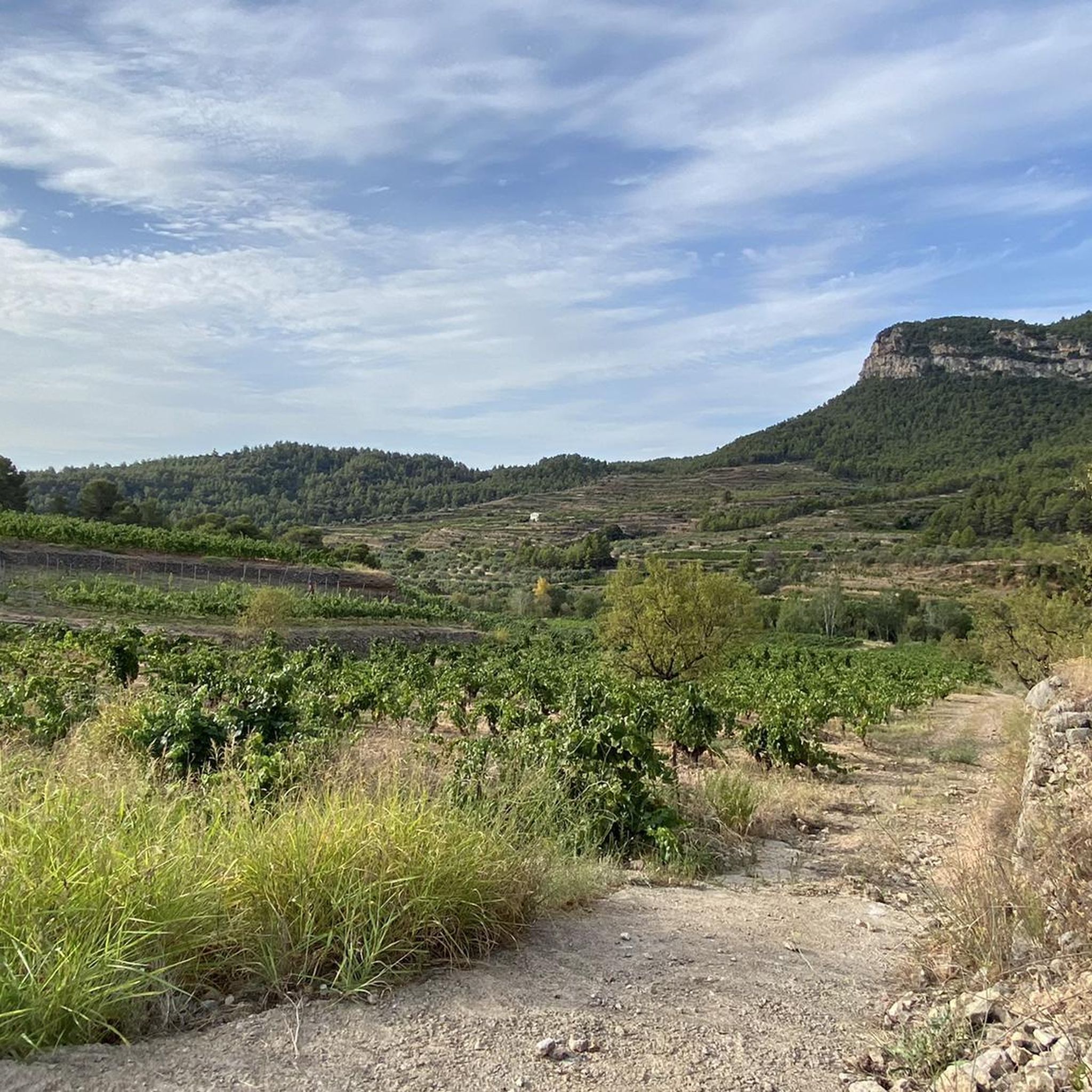
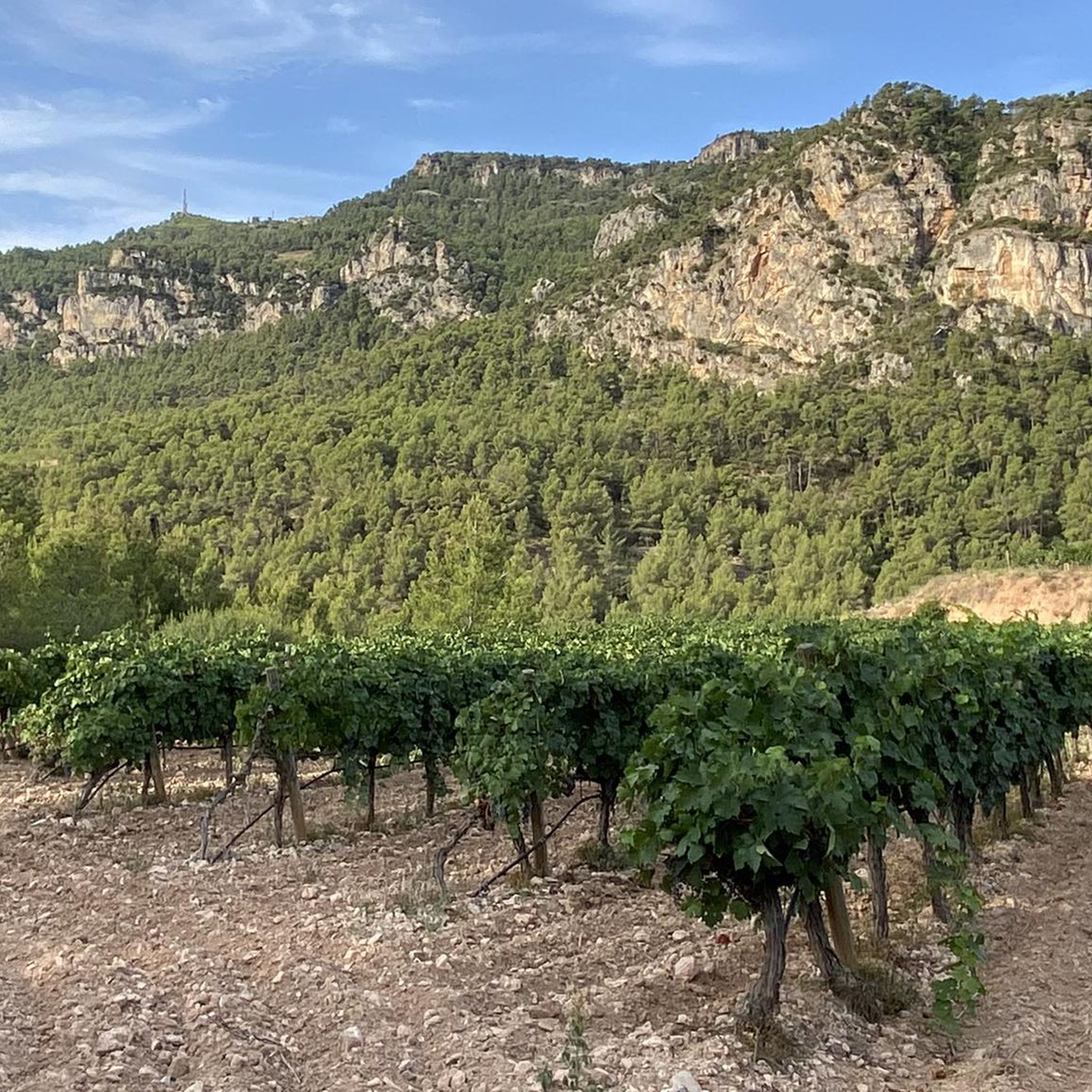
This corner of Montsant is one of the emblematic places of the Natural Park. It is located in the heart of the mountains and can be reached from La Morera de Montsant, either by the Grau de Salfores, or by the Grau de la Grallera towards the Piló dels Senyalets, and from both points to the Pi del Cugat , where you have to take a path that goes down to the Clot. It is an oasis of greenery in the middle of the arid Serra Major, as there is usually water all year round. Contrary to many people's beliefs, in the middle of nowhere, there is a walnut tree, not a cherry tree. The cherry tree that gave the place its name died years ago and a walnut tree was planted in its place. In the past, shepherds used to bring their flocks to drink, and the drinking troughs they prepared for their flocks are still preserved.
0
0
It is a perfectly equipped cavity to spend a season. We found all kinds of cooking utensils and sleeping space. The name smoke, no doubt, is due to the blackness of the roof due to the accumulation of smoke from so many bonfires supported.
0
0
Frequently Asked Questions
What kind of caves can I expect to find around La Vilella Baixa?
The caves around La Vilella Baixa are primarily natural rock shelters, historical caves, and basic cavities. You won't find extensive natural cave systems with prominent geological formations like stalactites or stalagmites. Instead, they offer insights into the area's geology and past human activity, serving as natural shelters or historical sites.
Are there any caves with unique natural features?
Yes, Clot del Cirer is a notable natural monument. It's an oasis of greenery with water present throughout the year, even in the arid Serra Major, and was historically used by shepherds. Another interesting site is Cova Fumada, which is a cavity that shows signs of past human habitation, including a smoke-blackened roof from bonfires.
Are there historical caves to visit in the area?
Yes, the Santa Llúcia Hospital Cave is a significant historical site. Located near La Bisbal de Falset, this natural monument served as a hospital for military units during the Civil War, offering a glimpse into its past importance during the Battle of the Ebro.
What is the typical difficulty level for exploring these caves?
Most of the caves and rock shelters around La Vilella Baixa are considered intermediate in difficulty, often requiring a hike to reach them. For example, reaching Clot del Cirer involves paths from La Morera de Montsant. Some sites, like Els avencs del Masroig, are more challenging and may require ropes for climbing large rocks.
Are there hiking trails that lead to these caves?
Yes, many of the caves and natural shelters are accessible via hiking trails within the Montsant Natural Park. For instance, Clot del Cirer can be reached via trails from La Morera de Montsant. You can find various hiking opportunities in the region, including those that pass by these natural formations. Explore more options on the Running Trails around La Vilella Baixa guide, which also covers general hiking routes.
What other outdoor activities can I do near the caves?
Beyond exploring the caves, the area around La Vilella Baixa, especially within the Montsant Natural Park, offers numerous outdoor activities. You can find extensive options for running and hiking, cycling, and gravel biking. These guides provide routes that allow you to discover the region's scenic landscapes.
Are there any caves suitable for shelter or bivouac?
The Cova de l'Os is a wide natural monument that can serve as a shelter in an emergency. However, due to humidity and abundant vegetation, it's not ideal for bivouac. It also features remains of a stone wall, suggesting past human or livestock use.
What should I bring when visiting the caves?
Given that many caves are reached via hiking trails and some are natural shelters, it's advisable to bring appropriate hiking gear, including sturdy footwear, water, and snacks. For more challenging sites like Els avencs del Masroig, ropes might be useful. Always check the specific requirements for each location you plan to visit.
Are there any guided cave tours available in La Vilella Baixa?
Information on guided tours specifically for the natural caves and rock shelters around La Vilella Baixa is not readily available. The region is more known for its self-guided hiking opportunities to these sites. However, the area is also known for its viticulture, and some local wine cellars (bodegas) may offer tours and tastings, providing a different kind of 'cave' experience.
What do visitors enjoy most about the caves and natural features in La Vilella Baixa?
Visitors appreciate the unique natural settings and the historical context of these sites. The tranquility and opportunity for meditation at places like Clot del Cirer are often highlighted. The historical significance of sites like the Santa Llúcia Hospital Cave also draws interest, offering a chance to reflect on past events.
Is there parking available near the caves?
Access to many of these natural features often involves parking in nearby villages such as La Vilella Baixa, La Morera de Montsant, or La Bisbal de Falset, and then proceeding on foot via hiking trails. Specific parking areas directly adjacent to each cave are generally not available, as they are often remote natural sites.
How long does it typically take to explore these caves?
The time required to explore these caves varies. Most are natural shelters or historical sites that can be visited relatively quickly once reached. The majority of the time will be spent hiking to and from the locations. For example, reaching Clot del Cirer involves a significant hike, while the actual time spent at the site might be shorter.
Most popular routes around La Vilella Baixa
Most popular attractions around La Vilella Baixa

Get inspired with the komoot mobile app


Explore more
Extend your search for the best caves by checking out these guides of the top ones around La Vilella Baixa:
