Top 7 Castles around Igea
Best castles around Igea are primarily found in the La Rioja region of Spain, offering insights into medieval defensive architecture. The area is characterized by its river valleys, such as the Linares and Alhama, and rugged landscapes. These historical structures often sit atop hills or along riverbanks, reflecting their strategic importance. The region provides a blend of natural scenery and historical landmarks for exploration.
Best castles around Igea
- The most popular castles is Cervera del Río Alhama, a settlement that features castle ruins at the top of "La Peña." It is located on the banks of the Alhama River.
- Another must-see spot is Cornago, a settlement with a prominent castle. Visitors can observe the town and its castle situated on a hill within the Sierra de Alcarama.
- Visitors also love Muro de Aguas Castle, the remains of a castle upon which a 16th-century church was built. It offers views of the town of Muro de Aguas and its surroundings.
- Igea is known for its medieval castles, fortified settlements, and historical sites. The region offers a variety of structures, from ruined keeps to castles integrated into village landscapes.
- The castles around Igea are appreciated by the komoot community, with more than 5 upvotes and 4 photos shared across the highlights.
Last updated: May 6, 2026
Cornago Castle
Highlight • Castle
Translated by Google •
Tip by

Tudején Castle
Highlight • Castle
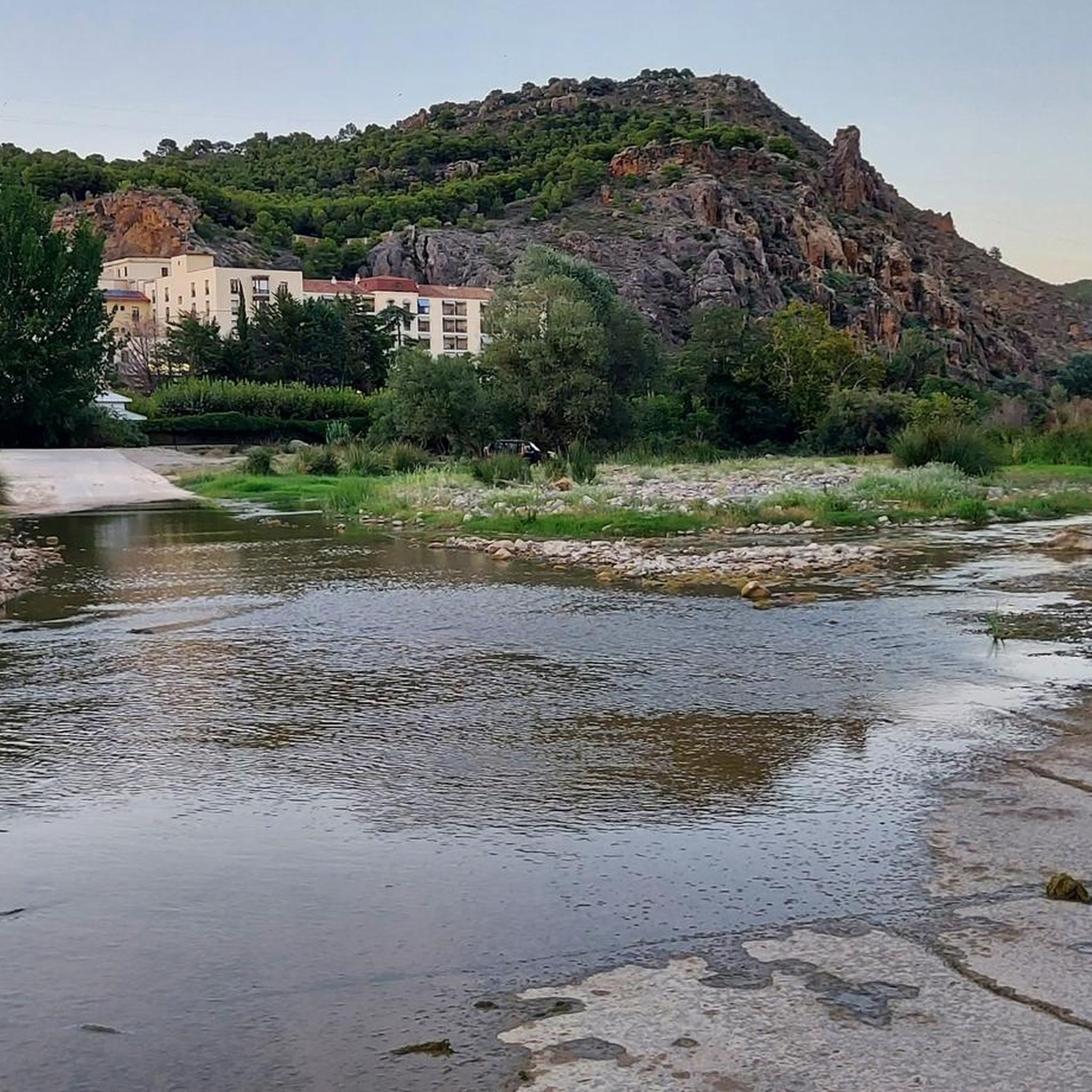
It is located southeast of the Baths, on the right bank of the Alhama River. Remnants of its keep and some dwellings are still preserved. Its earliest records date from the 12th century, although it is believed to have been built during the period of Moorish occupation.
Translated by Google •
Tip by

Sign up now to discover places like this
Get recommendations on the best single tracks, peaks, & plenty of other exciting outdoor places.
Sign up for free
Views of Cornago from the GR 93
Highlight • Viewpoint
Halfway up the slope you can see Cornago and its castle. I can imagine how it would be viewed by the Muslims who tried to take it back from the Christians during the wars.
Translated by Google •
Tip by

Muro de Aguas Castle
Highlight • Castle
Translated by Google •
Tip by

Views of the Castle of Cervera from the GR 93
Highlight • Viewpoint
Translated by Google •
Tip by
Sign up for free to discover even more castles around Igea.
Sign up for free
Already have an account?
Start today with a free account
Your next adventure awaits.
Login or Signup
Tips from the Community

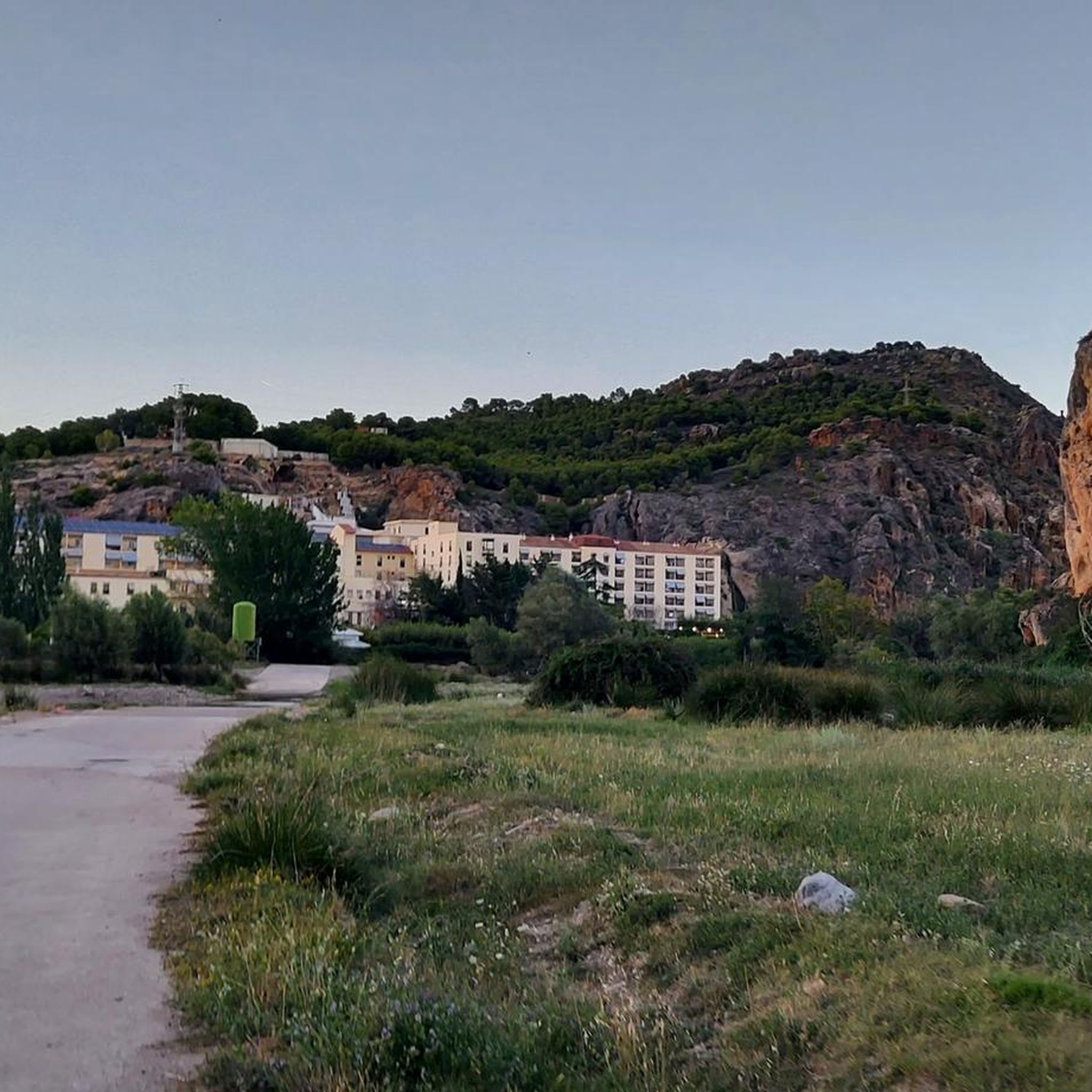
Perched atop a rocky outcrop, guarding passage over the Alhama River, stand the remains of a keep and a building with a vaulted roof. It was here that the Treaty of Tudilén was signed between the Kingdom of Castile and the Kingdom of Aragon in 1151. It is located southeast of the Baths, on the right bank of the Alhama River. Remnants of its keep and some dwellings are still preserved. Its earliest records date from the 12th century, although it is believed to have been built during the period of Moorish occupation.
0
0

Remains of a beautiful church that was built in the 16th century on the walls of the old castle. It is worth going up to this point to admire the views of the town of Muro de Aguas and its surroundings.
1
0

At the top of the Cornago hill is this late 13th century fortress built on a previous castle. The place of construction is not chosen at random, since this area was a borderland between Arabs and Christians and the enclave of the castle played a strategic role in the defense of the Ebro valley.
0
0

At the top of the Cornago hill is a beautiful 18th century castle, built during the Late Middle Ages. Rectangular in plan with a tower at each vertex, the castle was built in ashlar masonry on the ruins of an old fortress from the 9th century.
2
0

This is one of the best views of the GR 93. Coming from Cornago, you reach Cervera del Río Alhama via a cliff where there are some ruins that reveal the Alhama valley. On the ridge above Cervera are the ruins of a typical Moorish fortress built on the most inaccessible site.
0
0
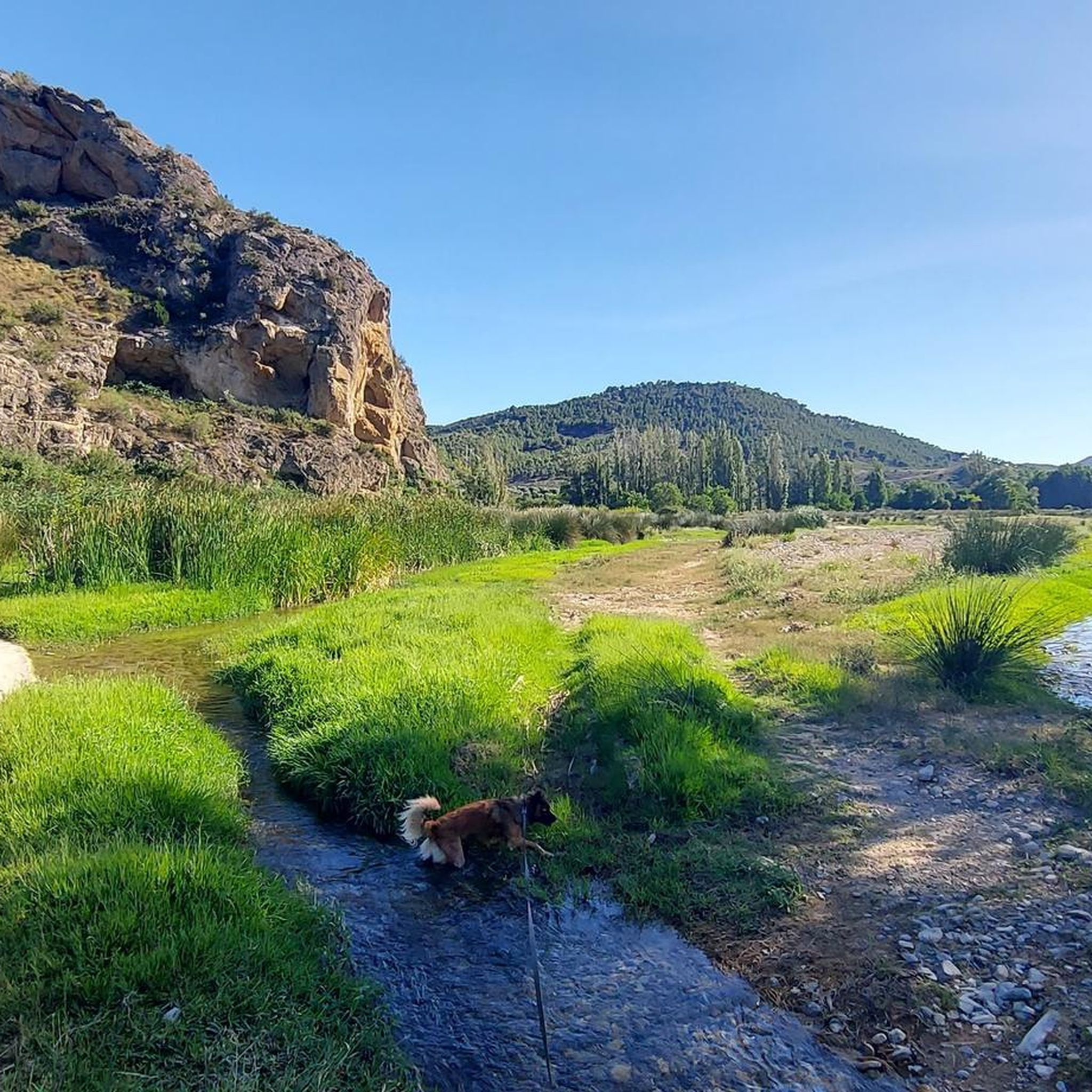
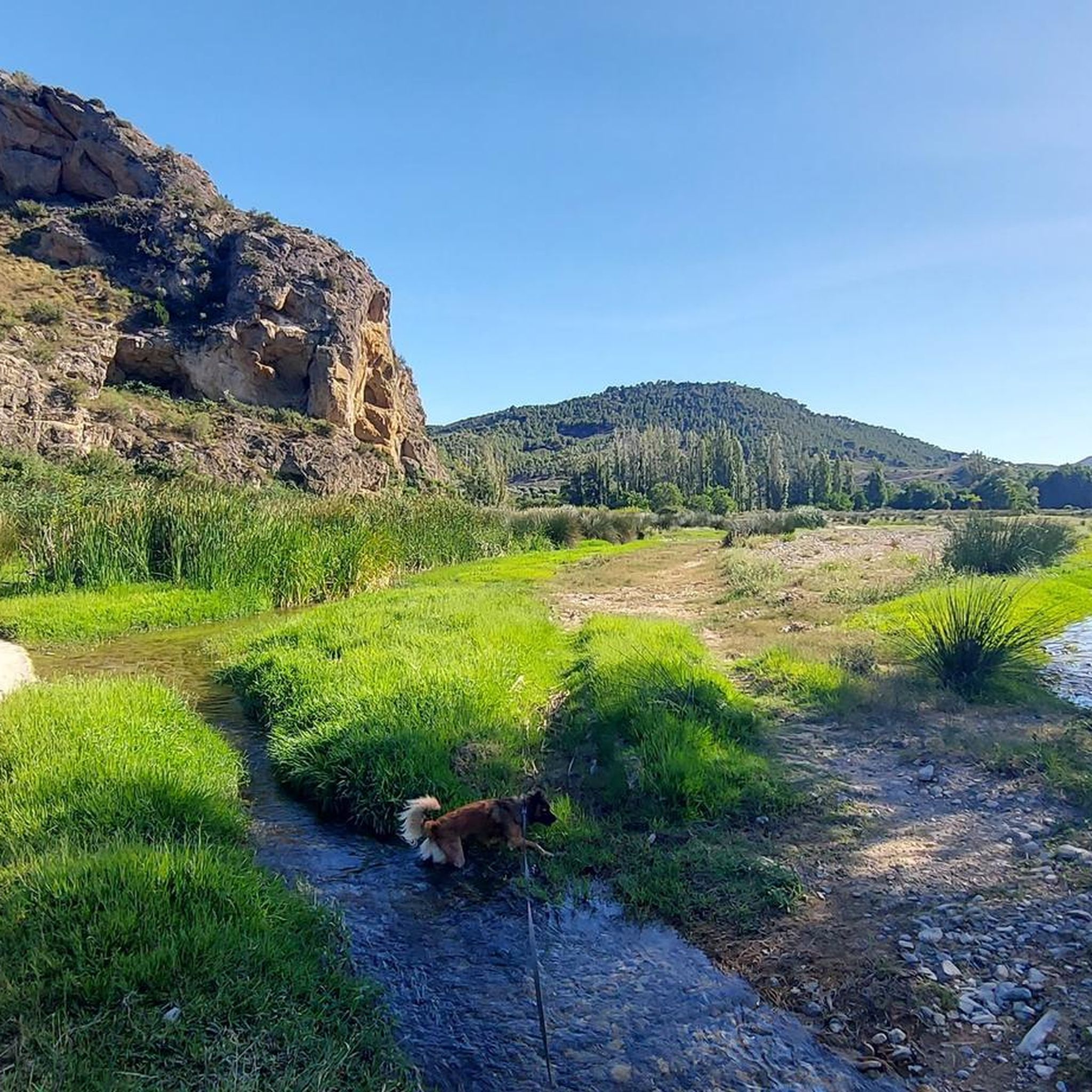
This section of the GR 93 south of Cornago is unforgettable. The hillside is covered with gray, marl-like sediment, which is uncovered at times to reveal strata rock slabs. Look closely as you pass by, this was the shoreline where dinosaurs fished millions of years ago, you might see a footprint. Halfway up the slope you can see Cornago and its castle. I can imagine how it would be viewed by the Muslims who tried to take it back from the Christians during the wars.
1
0
Frequently Asked Questions
Which castles are most popular to visit around Igea?
Among the most appreciated castles in the region are the ruins at Cervera del Río Alhama, situated on "La Peña" overlooking the Alhama River. Visitors also frequently explore Cornago, a settlement featuring a prominent castle on a hill within the Sierra de Alcarama, and the remains of Muro de Aguas Castle, where a 16th-century church was built upon its foundations, offering scenic views.
What historical significance do the castles around Igea hold?
The castles in the Igea region, primarily in La Rioja, Spain, are remnants of medieval defensive architecture. For instance, Tudején Castle, perched on a rocky outcrop guarding the Alhama River, dates back to the 12th century and was a site where the Treaty of Tudilén was signed in 1151. Many structures reflect periods of Moorish occupation and subsequent Christian reconquest.
Are there good viewpoints to see the castles and surrounding nature?
Yes, the region offers several excellent viewpoints. From the GR 93 trail south of Cornago, you can get unforgettable views of Cornago and its castle, set against a hillside with unique geological formations, including ancient dinosaur footprints. The site of Muro de Aguas Castle also provides panoramic views of the town and its surroundings.
What outdoor activities can I do near these castles?
The area around Igea is excellent for outdoor activities. You can find numerous options for hiking, road cycling, and running. For example, there are moderate to difficult hiking trails like the "Peña Isasa — circular desde Muro de Aguas" or the "Yacimiento de los Cayos — circular desde Cornago por GR 93." You can explore more routes on the Hiking around Igea, Road Cycling Routes around Igea, and Running Trails around Igea guide pages.
Are there family-friendly castles or activities in the Igea area?
While specific family-friendly amenities at each castle may vary, the general appeal of exploring historical ruins and the natural landscapes around them can be engaging for families. The GR 93 trail near Cornago, for instance, offers the exciting possibility of spotting dinosaur footprints, which can be a fun discovery for children.
What is the best time of year to visit the castles around Igea?
The region's climate suggests that spring and autumn offer pleasant temperatures for exploring the outdoor castle ruins and engaging in activities like hiking. These seasons typically provide comfortable weather for walking and enjoying the scenic views without the extreme heat of summer or the colder conditions of winter.
Can I find hiking trails that incorporate castle visits?
Absolutely. Many hiking routes in the region offer views of or direct access to historical sites. For example, the GR 93 trail south of Cornago provides excellent views of Cornago Castle. You can find detailed hiking routes that pass by or lead to these castles on the Hiking around Igea guide page.
What kind of natural features can I expect to see near the castles?
The castles are often nestled within diverse natural landscapes. You'll find them along river valleys, such as the Linares and Alhama, and in rugged mountainous areas like the Sierra de Alcarama. The area also features unique geological formations, including marl-like sediment and strata rock slabs, which are particularly visible along the GR 93 near Cornago, where dinosaur footprints have been found.
How long should I plan for exploring a castle in the Igea region?
The time needed varies depending on the castle. Many are ruins or integrated into village landscapes, so a visit might range from 30 minutes to an hour for exploration and enjoying the views. If you combine a castle visit with a hike or exploring the surrounding village, plan for a half-day or more.
Are there any castles with unique architectural features?
While many castles are in various states of ruin, they showcase medieval defensive architecture. Tudején Castle, for instance, preserves remnants of its keep and a building with a vaulted roof, reflecting its ancient origins and strategic design overlooking the Alhama River. Muro de Aguas Castle is notable for having a 16th-century church built directly upon its old walls.
What do visitors appreciate most about the castles around Igea?
Visitors frequently appreciate the historical insights offered by these medieval structures and their integration into the natural landscape. The strategic locations often provide stunning views of the surrounding valleys and mountains. The blend of history, architecture, and the opportunity for outdoor activities like hiking and cycling is a major draw.
Most popular attractions around Igea

Get inspired with the komoot mobile app


Explore more
Looking for the best castles somewhere else? Discover other guides around Igea:
