Top 9 Castles around Sigüenza
Best castles around Sigüenza are found in a historic town in central Spain, known for its medieval architecture and strategic hilltop position. The area features a variety of castles, from ancient fortresses to palatial residences, reflecting centuries of history. Situated near the Dulce River valley and the Barranco del Río Dulce Natural Park, the region offers a blend of historical exploration and natural landscapes. These sites provide insights into the area's past and its defensive importance.
Best castles around Sigüenza
- The most popular castles is Sigüenza Castle, a castle that was originally an Arab citadel, later transformed into a palace-fortress and residence for bishops. It served as the continuous residence of the bishops of Sigüenza for nearly 800 years and is now a Parador.
- Another must-see spot is Pelegrina Castle, a rocky castle built between the 12th and 13th centuries, guarding the Río Dulce valley. Visitors can explore its remains and enjoy views within the Barranco del Río Dulce Natural Park.
- Visitors also love Castle of Atienza, a fortress of Muslim origin, built between the 11th and 12th centuries. It was once considered an almost impregnable fortress and was a location for a Game of Thrones contest.
- Sigüenza is known for palace-fortresses, rocky castles, and medieval fortresses. These structures offer insights into military architecture, historical conflicts, and the lives of bishops and nobility.
- The castles around Sigüenza are appreciated by the komoot community. With more than 27 upvotes and 35 photos, these sites are highly regarded by the komoot community.
Last updated: May 23, 2026
Sigüenza Castle
Highlight • Castle
It has a beautiful chapel and a cell where some say that Doña Blanca de Borbón, wife repudiated by Pedro I the Cruel, lived until the moment of her exile.
Translated by Google •
Tip by

Pelegrina Castle
Highlight • Castle
Translated by Google •
Tip by
Sign up now to discover places like this
Get recommendations on the best single tracks, peaks, & plenty of other exciting outdoor places.
Sign up for free
Castle of Atienza
Highlight • Castle
Translated by Google •
Tip by

Mandayona Village
Highlight • Settlement
Translated by Google •
Tip by

Ruins of Miño de Medinaceli
Highlight • Historical Site
Translated by Google •
Tip by
Sign up for free to discover even more castles around Sigüenza.
Sign up for free
Already have an account?
Start today with a free account
Your next adventure awaits.
Login or Signup
Popular around Sigüenza


Tips from the Community

At the bar, very nice, they have an affordable daily menu
0
0

It is worth spending a few minutes to admire the grandeur of the castle and the beautiful medieval village.
0
1

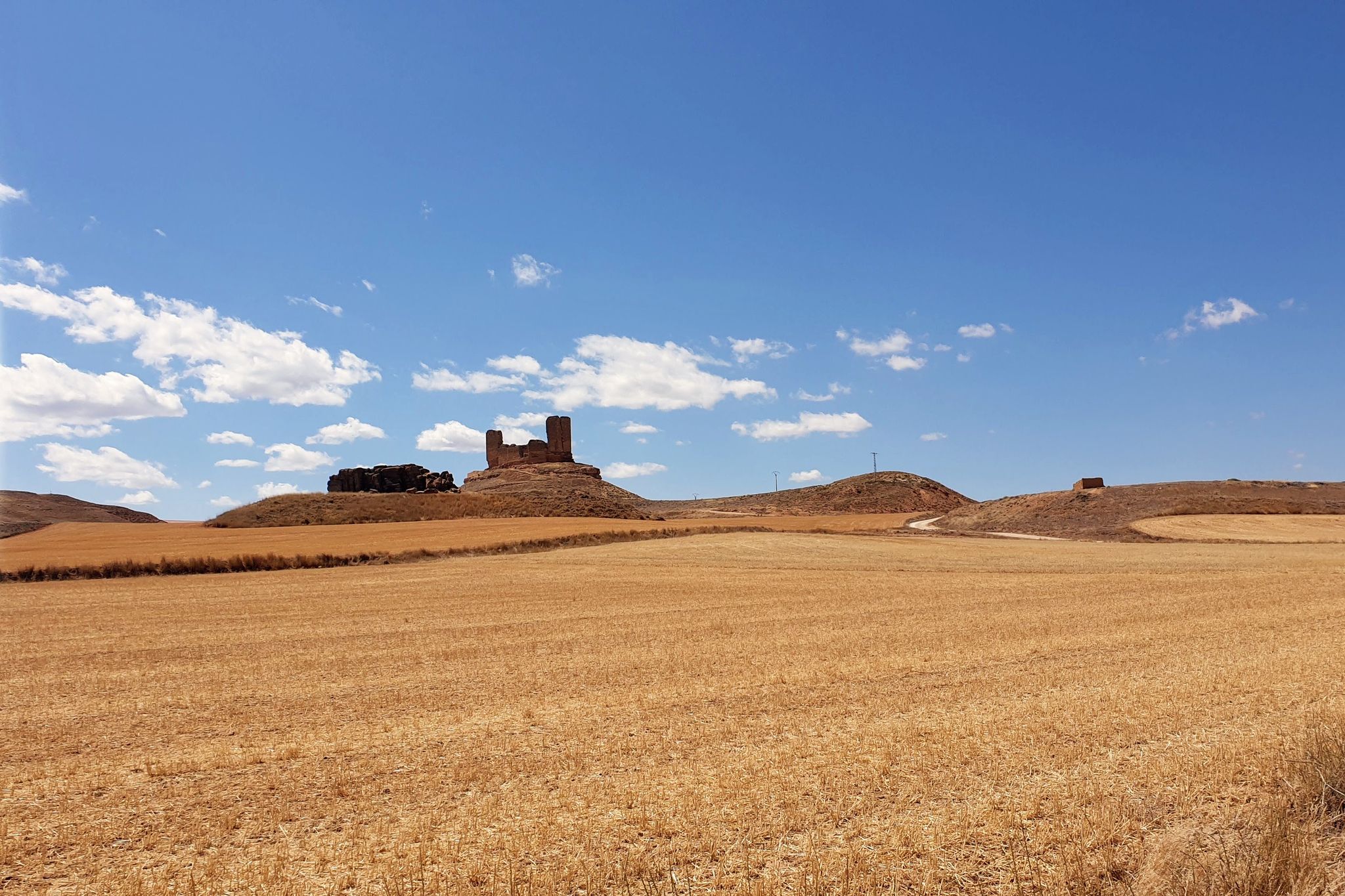
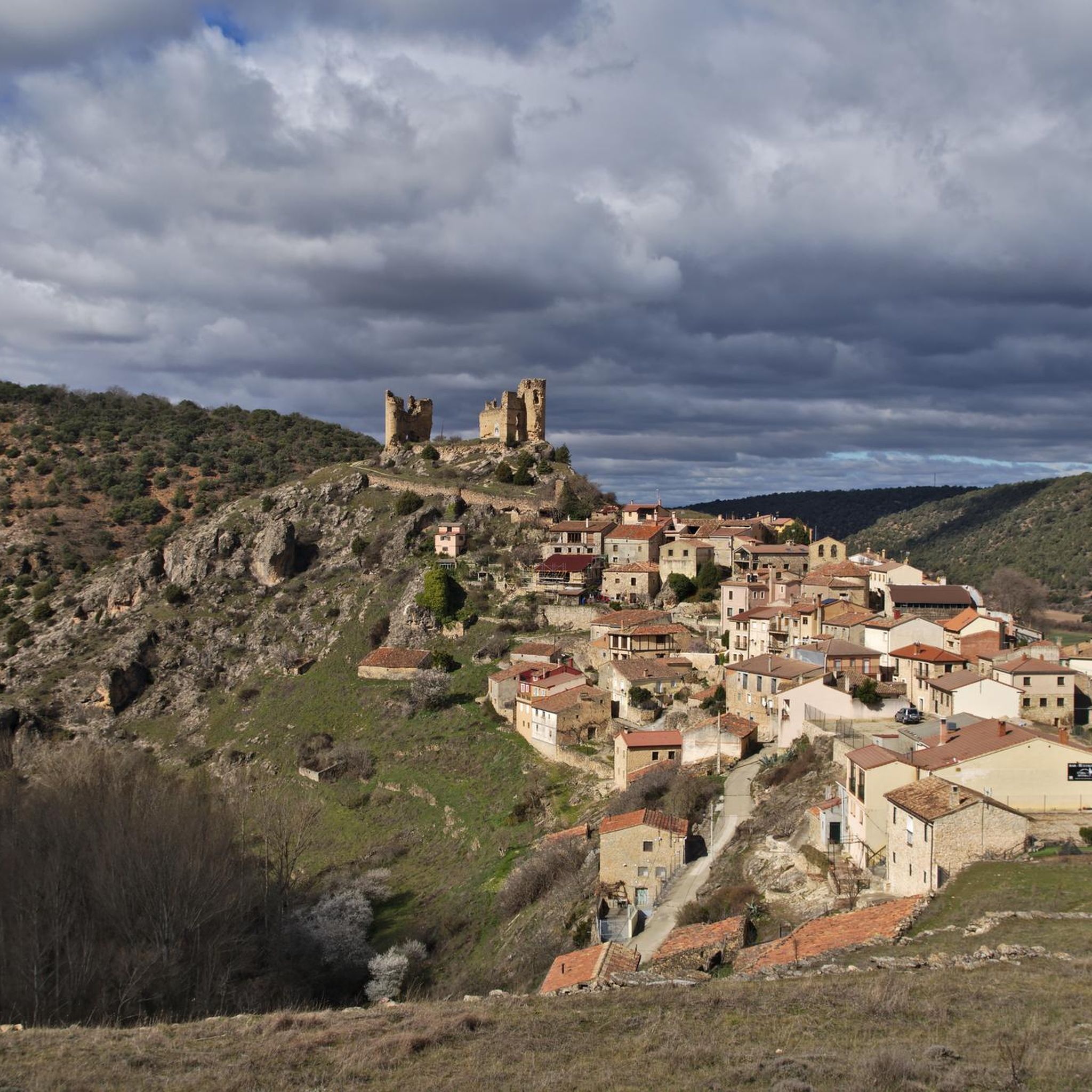
Miño de Medinaceli is a small rural town in the province of Soria. You can park next to the community pools and start your walk. Climb up to see the ruins of a Moorish-occupied castle dating back to the 10th century and sitting on top of a hill above the city.
2
0

Beautiful castle with spectacular views of Atienza and its surroundings
0
1
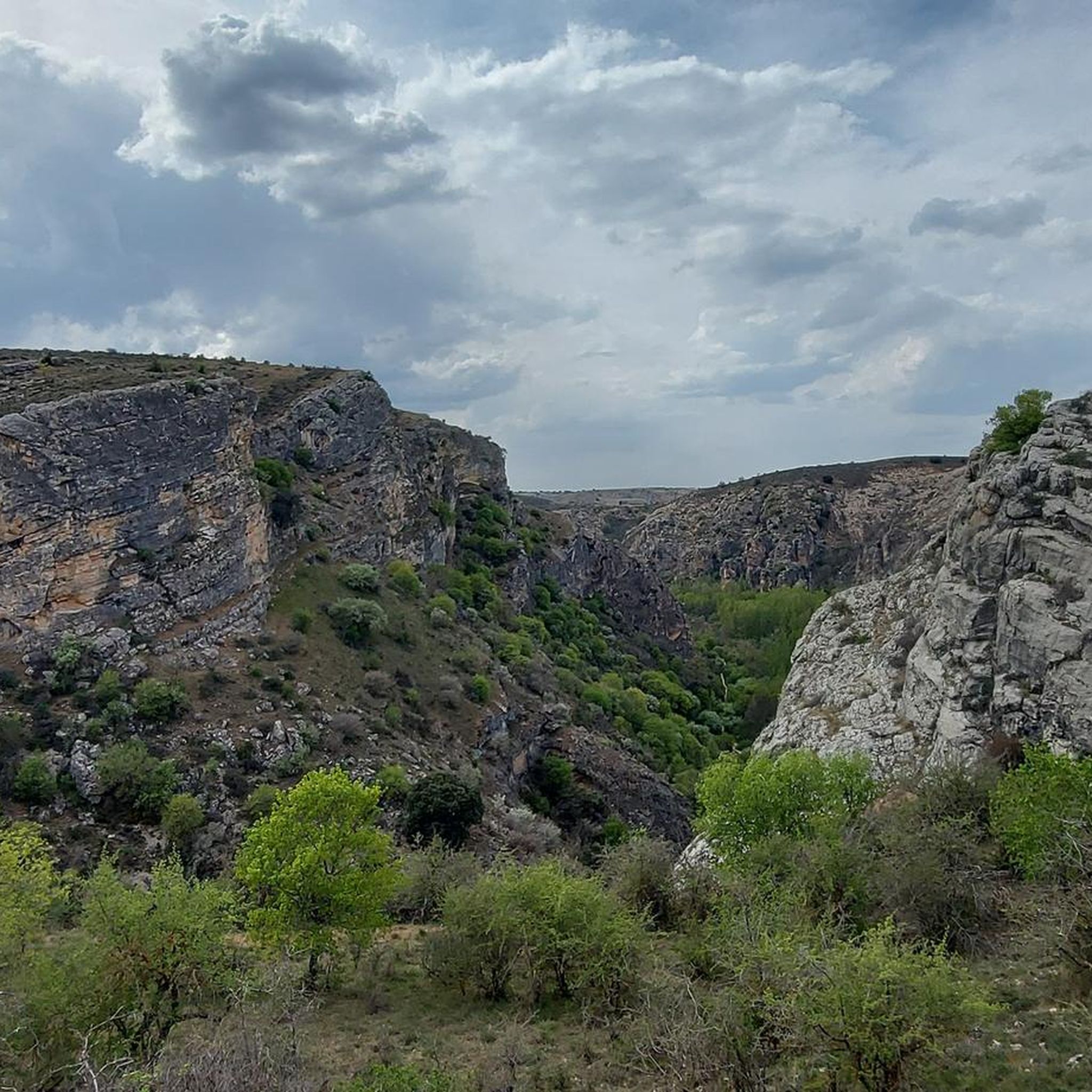
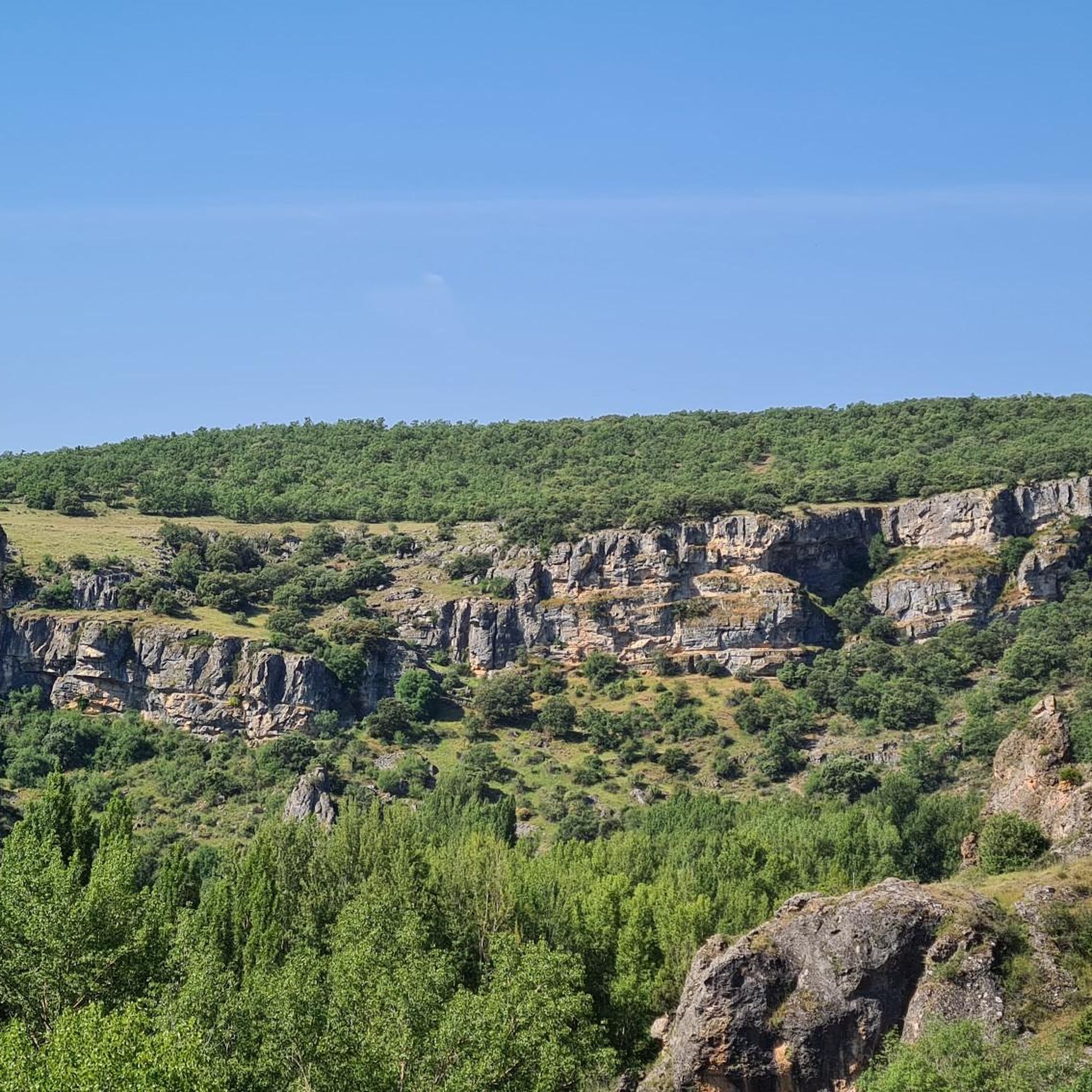
On the curve of the Dulce river are the ruins of the castle of Pelegrina. Incredible viewpoint of the town and what makes the Barranco del Río Dulce Natural Park a unique landscape to visit.
1
0
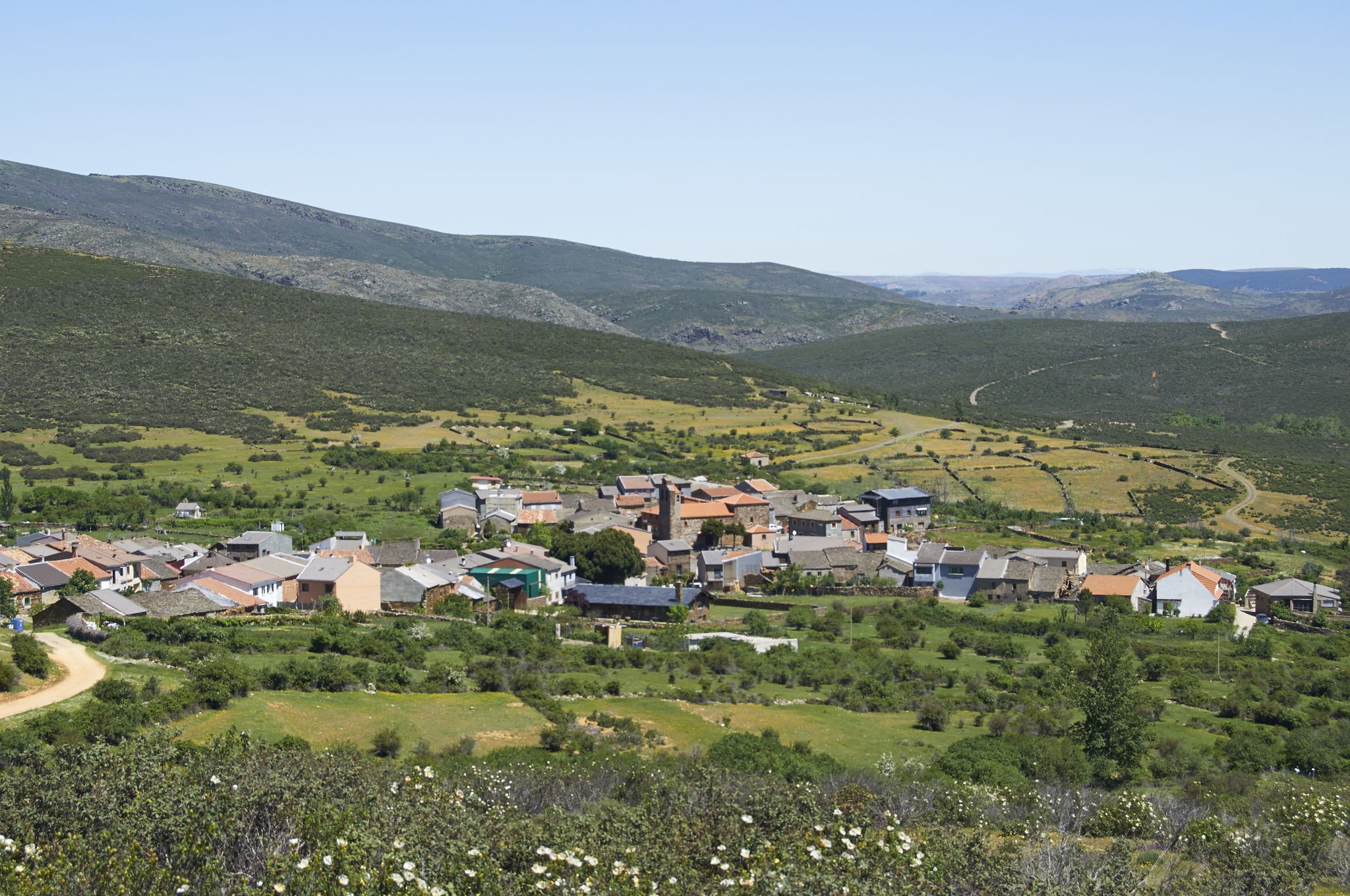
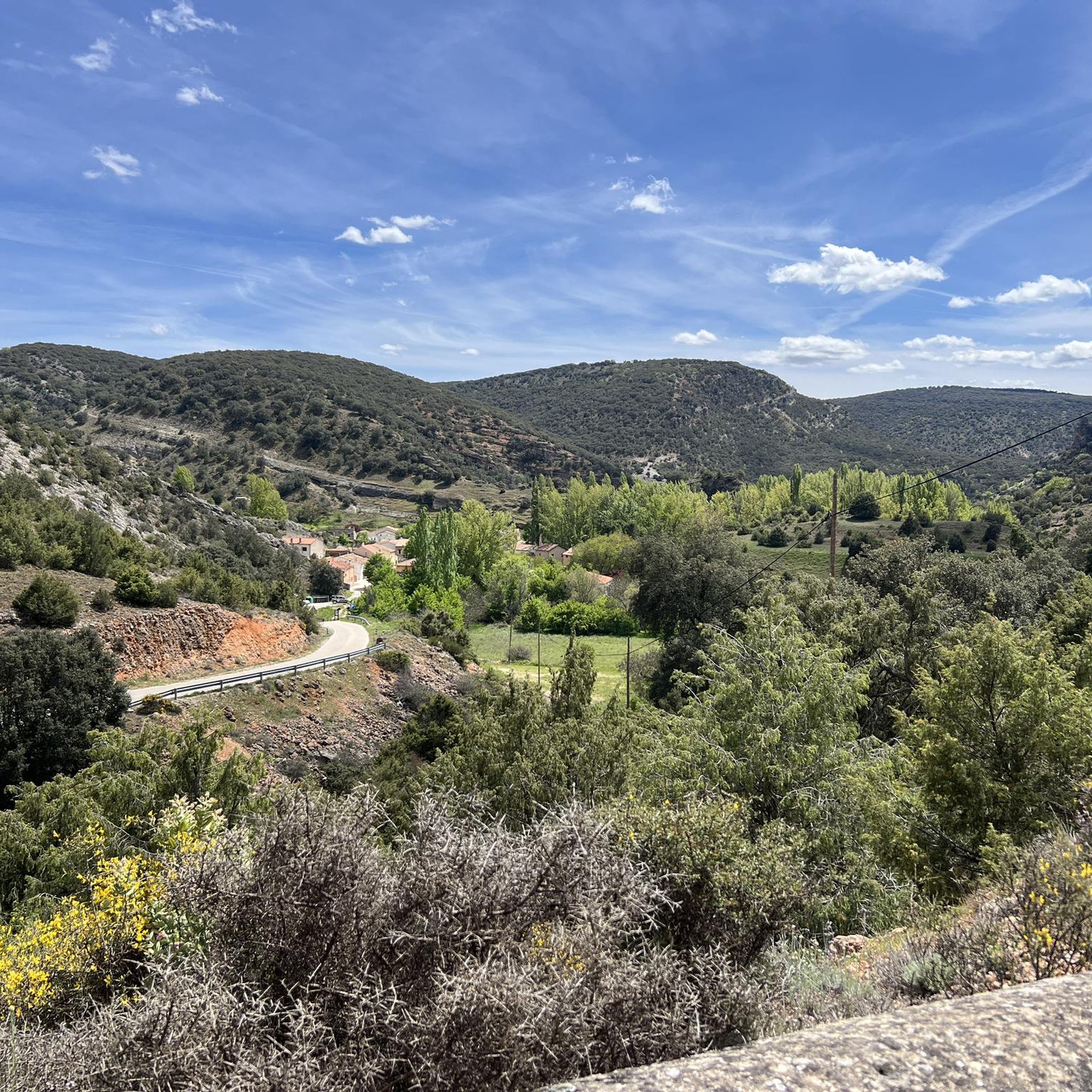
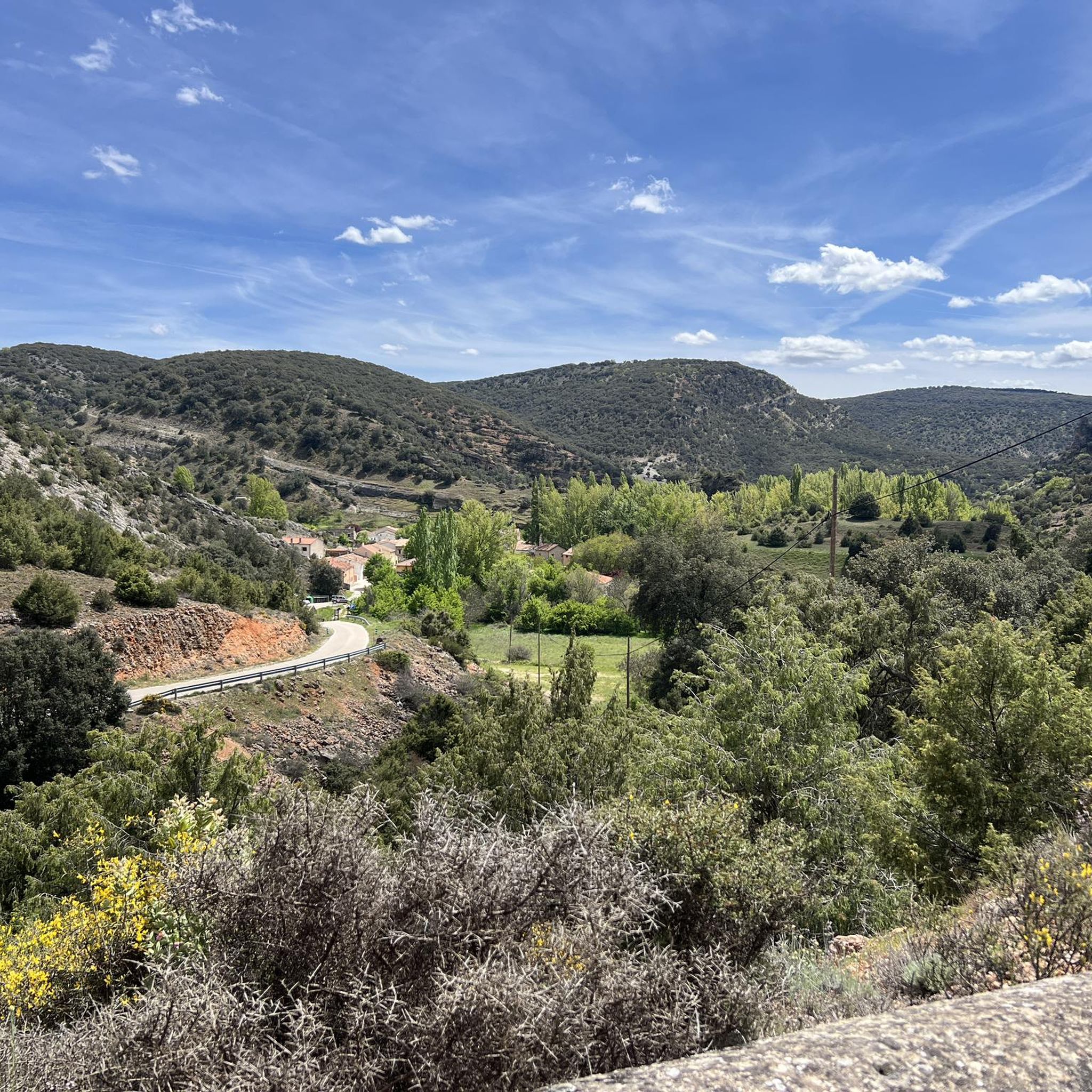
Mandayona sits next to the Camino del Cid. There are ancient caves to visit and the ruins of a historic castle. You can also visit the Barranco Del Rio Dulcen Natural Park Interpretation Center for more information about the area.
1
0

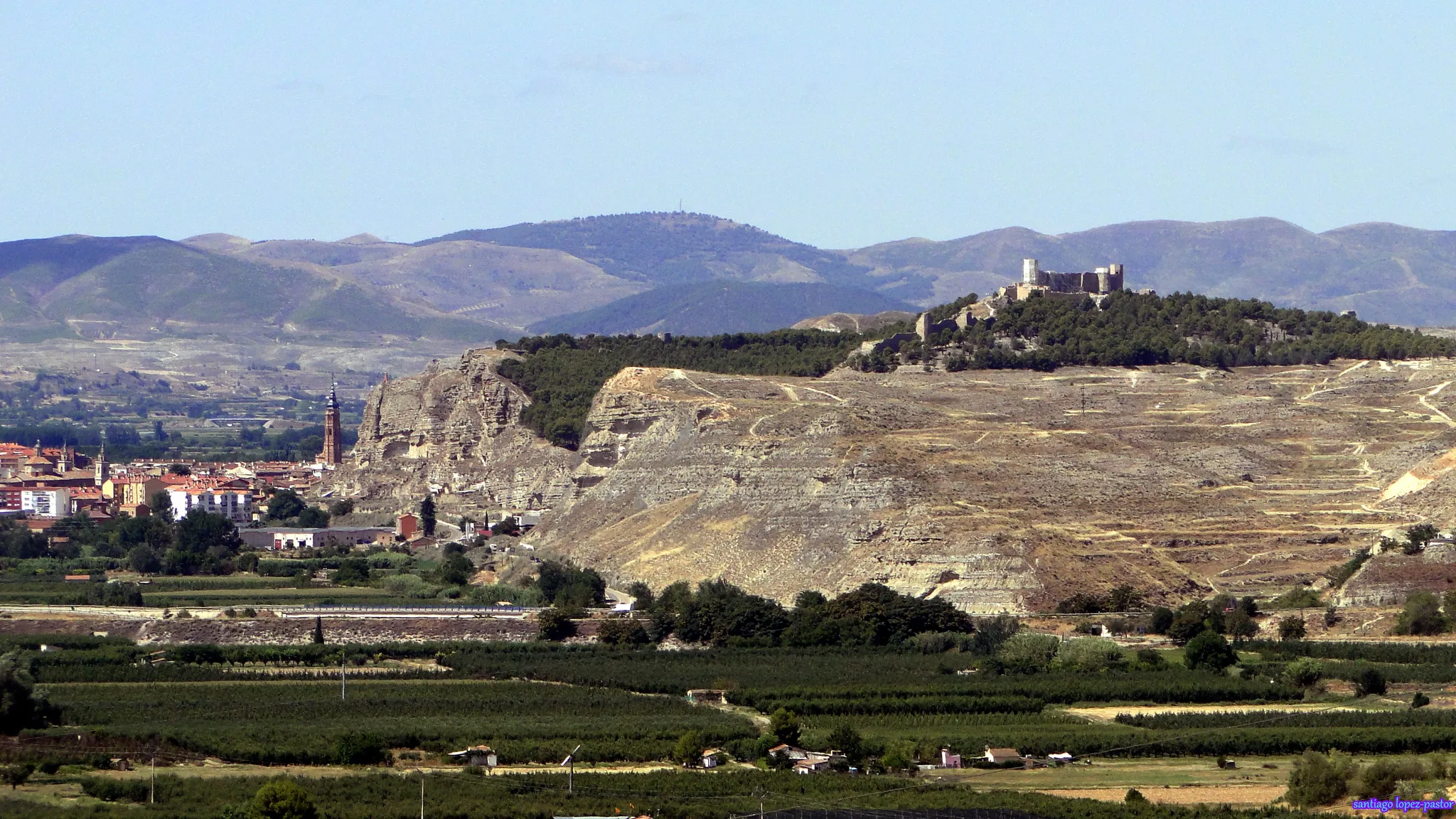
What was originally an Arab citadel, an extension of a small Visigothic castle and a Roman fort, is located at the top of Sigüenza. Construction began in the year 1123 to serve as a palace-fortress and residence of the bishops who were lords of the city for seven centuries. It has a beautiful chapel and a cell where some say that Doña Blanca de Borbón lived, until the moment of her exile, wife repudiated by Pedro I the Cruel.
11
0

Fortress located in the Spanish municipality of Sigüenza, erected in the first quarter of the 12th century on another previous Muslim one from the beginning of the 8th century.
1
0
Frequently Asked Questions
What is the historical significance of the castles in Sigüenza?
The castles around Sigüenza are steeped in history, reflecting centuries of strategic importance. The Sigüenza Castle, for instance, evolved from a Celtiberian and Visigothic defense into a significant Moorish *alcazaba*, and later served as the continuous residence for the bishops of Sigüenza for nearly 800 years. Other castles like Pelegrina Castle played crucial defensive roles in the Christian reconquest, guarding the Dulce River valley.
Are there any castles near Sigüenza that offer a unique visitor experience?
Yes, the Sigüenza Castle offers a unique experience as it has been meticulously restored and repurposed as a Parador (a luxury state-run hotel). Even if you're not staying overnight, you can freely access its exterior and common interior areas, exploring its cobbled courtyard, impressive architecture, and halls furnished with period pieces. It allows visitors to step back in time while enjoying modern amenities.
Which castles are integrated with natural landscapes or parks?
The Pelegrina Castle is notably situated within the stunning Barranco del Río Dulce Natural Park. Its location on a hill overlooking the Dulce River valley makes it an attractive destination for nature lovers and hikers, allowing you to combine historical exploration with enjoying the beautiful landscape known from Félix Rodríguez de la Fuente's documentaries.
Can I visit castles that are still in their original, ruined state?
Yes, the Pelegrina Castle is currently in a progressive state of ruin, but significant remains of its walls, towers, and keep are still preserved. It is freely accessible from the exterior year-round, offering a glimpse into its 12th-13th century origins and its adaptation to the rocky terrain.
Are there family-friendly castles to visit in the Sigüenza area?
Yes, Sigüenza Castle is considered family-friendly, offering an engaging historical experience for all ages. Additionally, the nearby Mandayona Village, which features the ruins of a historic castle and ancient caves, is also listed as family-friendly and provides an opportunity to visit the Barranco Del Rio Dulce Natural Park Interpretation Center.
What kind of outdoor activities can I do near the castles?
The region around Sigüenza offers various outdoor activities. You can find numerous road cycling routes, such as the 'Wool Route: Sigüenza Loop' or 'Ride between Sierra Ministra and the village of Medinaceli'. For touring cyclists, there are routes like 'Palazuelos from Sigüenza — circular by the Castles' which passes by historical sites. Running enthusiasts can explore trails like the 'Hoz de Pelegrina and Gollorio Waterfall Loop Trail'. You can find more details on these and other routes in the Road Cycling Routes around Sigüenza, Cycling around Sigüenza, and Running Trails around Sigüenza guides.
Are there specific hiking trails that include castle views or visits?
Yes, several running and cycling routes offer views or pass by castles. For example, the 'Gollorio Waterfall – Pelegrina Castle loop' is a difficult running trail that includes Pelegrina Castle. Cycling routes like 'Palazuelos from Sigüenza — circular by the Castles' are designed to visit multiple historical sites. These routes provide excellent opportunities to combine outdoor activity with castle exploration.
Which castles offer the best viewpoints of the surrounding area?
Many castles in the region were built for strategic defense, offering excellent viewpoints. Sigüenza Castle, dominating the town from its hilltop, provides stunning views over the medieval town. Pelegrina Castle offers exceptional visual control of the Dulce River valley. Further afield, Castle of Atienza and Medinaceli Castle also boast panoramic views from their elevated positions.
Is it possible to visit castles that are privately owned?
Yes, but access may be limited. For example, the Castillo de Palazuelos, located a few kilometers north of Sigüenza, is privately owned and has been transformed into a residence. While the interior is not open to the public, the exterior is freely accessible, allowing you to appreciate its 15th-century military architecture and its integration within the town's walls.
What is the best time of year to visit the castles around Sigüenza?
The region experiences a continental Mediterranean climate. Spring (April-May) and Autumn (September-October) generally offer pleasant temperatures for exploring the castles and engaging in outdoor activities. Summer can be quite hot, especially in July and August, while winters can be cold. Visiting during the shoulder seasons allows for comfortable exploration of both the historical sites and the natural parks.
Are there any castles known for their unique architectural features?
Absolutely. The Sigüenza Castle showcases a remarkable blend of military design with palatial elements, including a 14th-century main gate with machicolations and battlements, and a large interior patio reminiscent of Arab citadels. The Castillo de Palazuelos, with its quadrangular plan, cylindrical towers, and large keep, is a fine example of 15th-century military architecture.
What are some lesser-known or 'hidden gem' castles in the area?
While not a 'hidden gem' in terms of being unknown, the Castillo de Palazuelos offers a different experience as a privately owned castle integrated into a village's defensive wall, providing a unique perspective on 15th-century architecture without the crowds of more prominent sites. Its exterior is freely accessible for appreciation.
Most popular attractions around Sigüenza

Get inspired with the komoot mobile app


Explore more
Looking for the best castles somewhere else? Discover other guides around Sigüenza:
