Top 5 Caves around Santa María De Huerta
Best caves around Santa María De Huerta are situated in a region known for its diverse natural landscape, including ravines and historical structures. The area features geological formations such as gorges and rock cliffs, which often contain natural caves and shelters. These sites offer a combination of natural exploration and historical context. Visitors can explore various cave types, from challenging natural formations to historical shelters.
Best caves around Santa María De Huerta
- The most popular caves is Sima de Judes…
Last updated: May 23, 2026
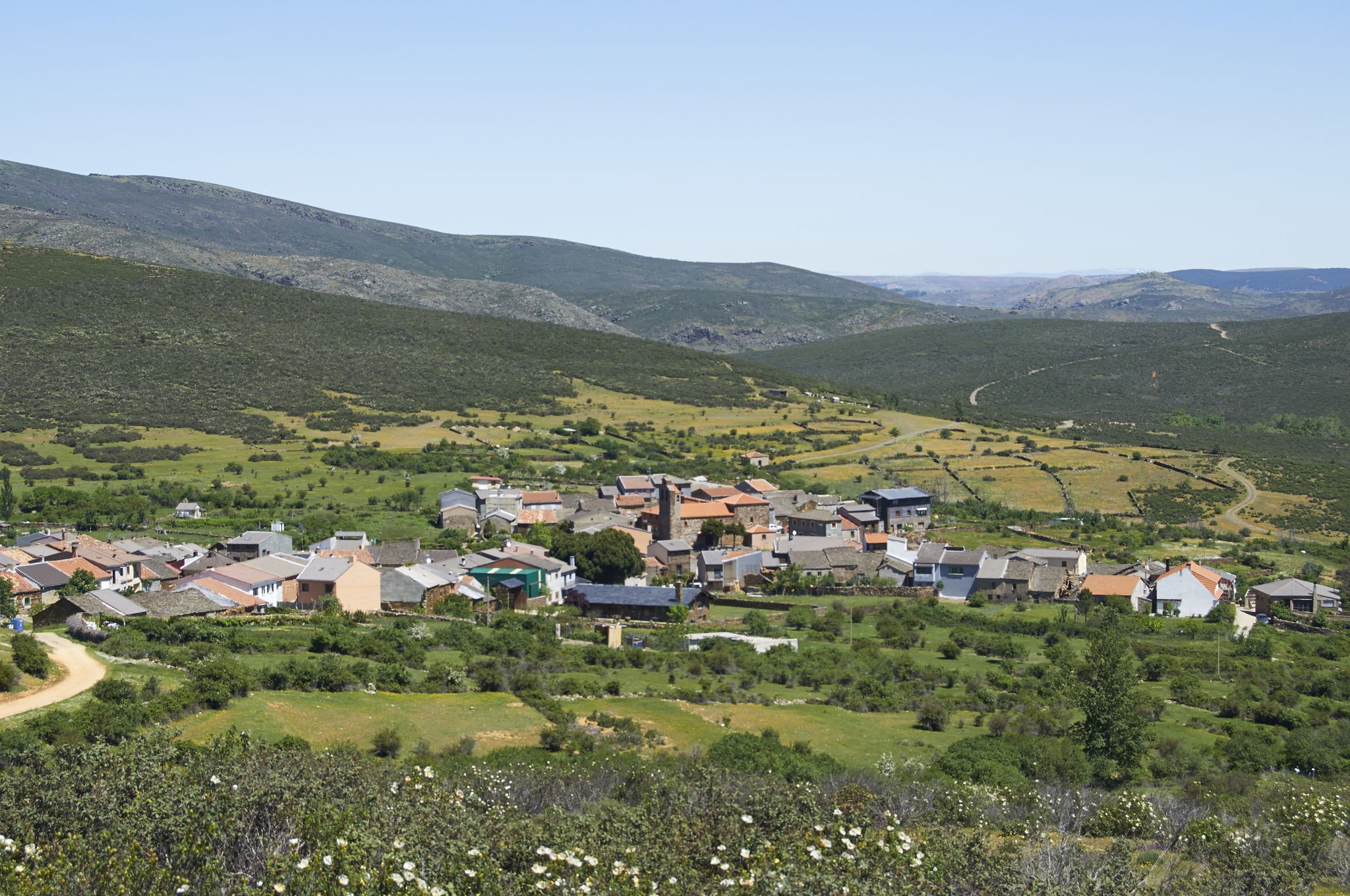
Chaorna Historic Village
Highlight • Settlement
Translated by Google •
Tip by

Barranco de la Escalera
Highlight • Gorge
Translated by Google •
Tip by
Sign up now to discover places like this
Get recommendations on the best single tracks, peaks, & plenty of other exciting outdoor places.
Sign up for free
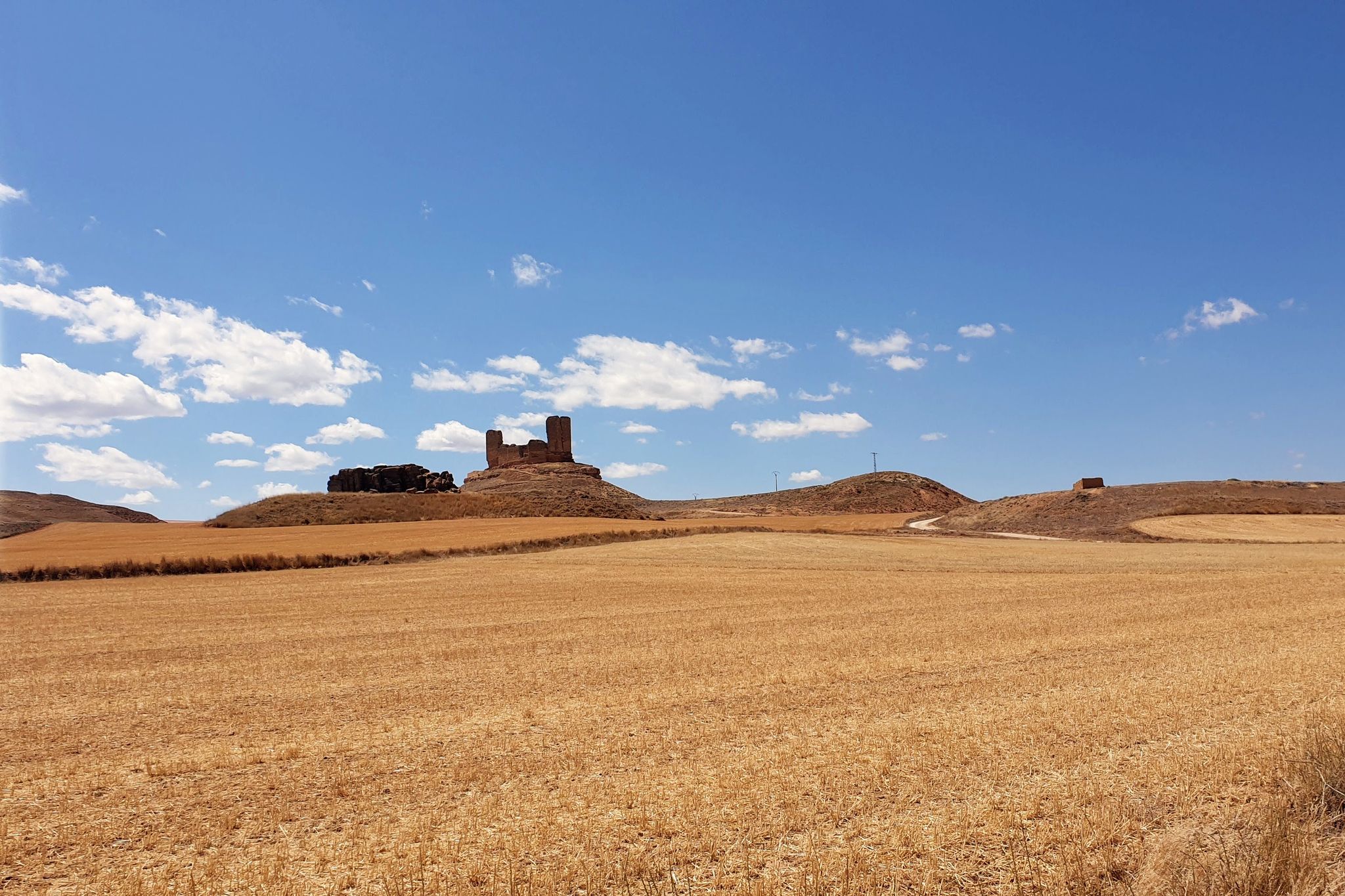
Castillo de Almadeque
Highlight • Castle
Their function was probably to defend the surrounding fields and the people who worked them.
Around …
Translated by Google •
Tip by
Sima de Judes
Highlight • Cave
Translated by Google •
Tip by
Las Canteras Caves
Highlight (Segment) • Cave
Translated by Google •
Tip by
Start today with a free account
Your next adventure awaits.
Login or Signup
Popular around Santa María De Huerta
Tierras de Frontera on a gravel bike – El Camino del Cid
El Camino del Cid – The Borderlands on MTB
Camino del Cid by bicycle — frontier lands in Spain
Hiking around Santa María De Huerta
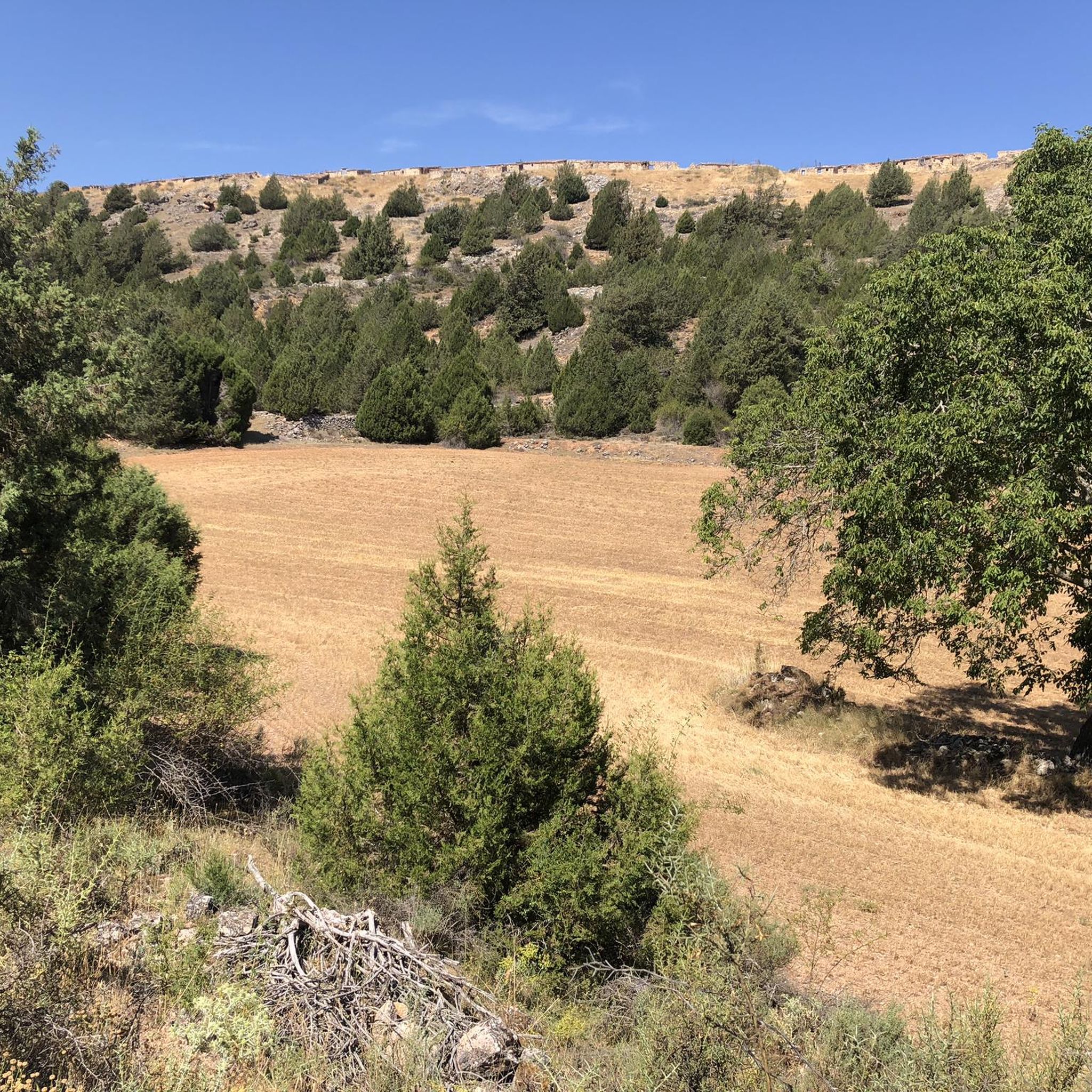
Road Cycling Routes around Santa María De Huerta
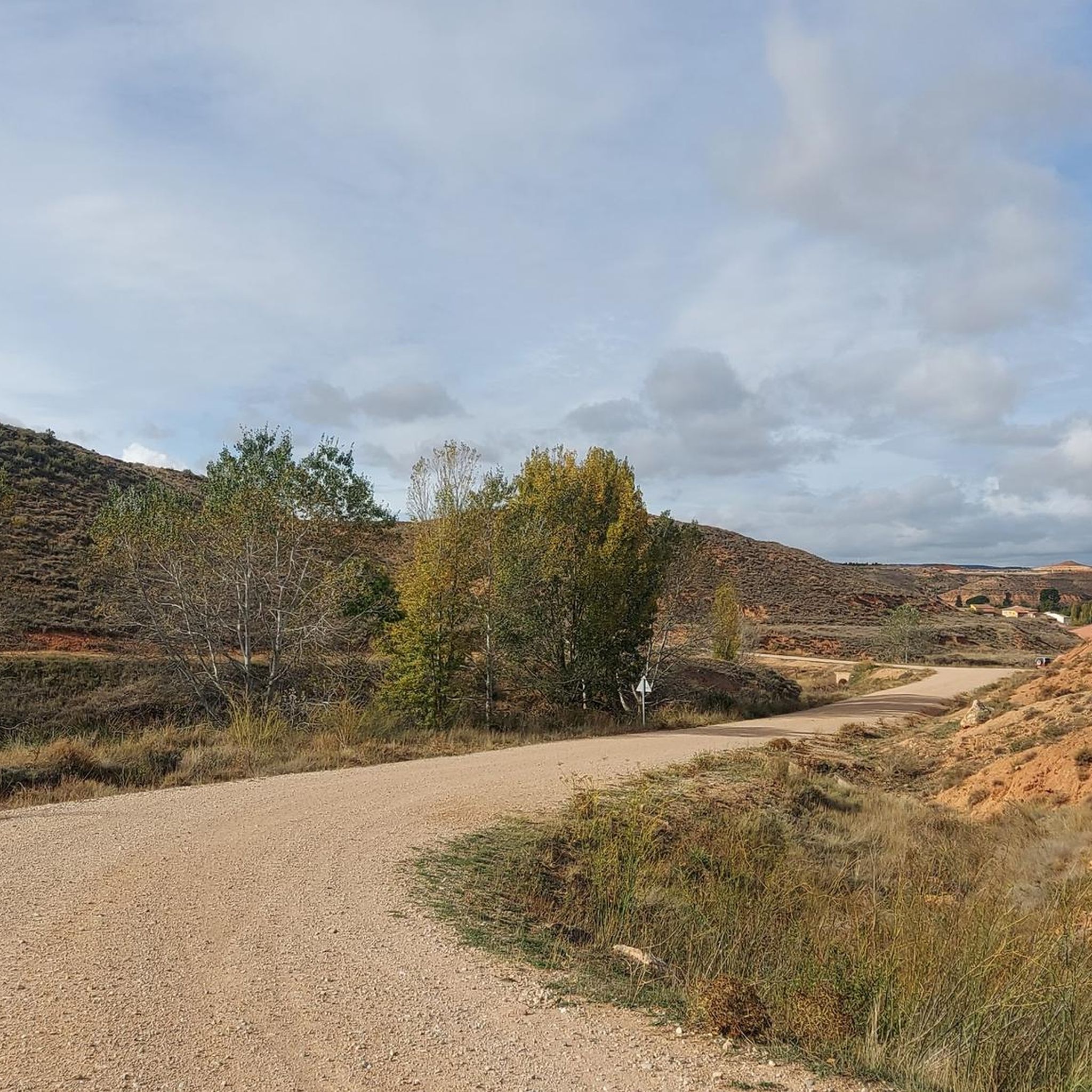
MTB Trails around Santa María De Huerta
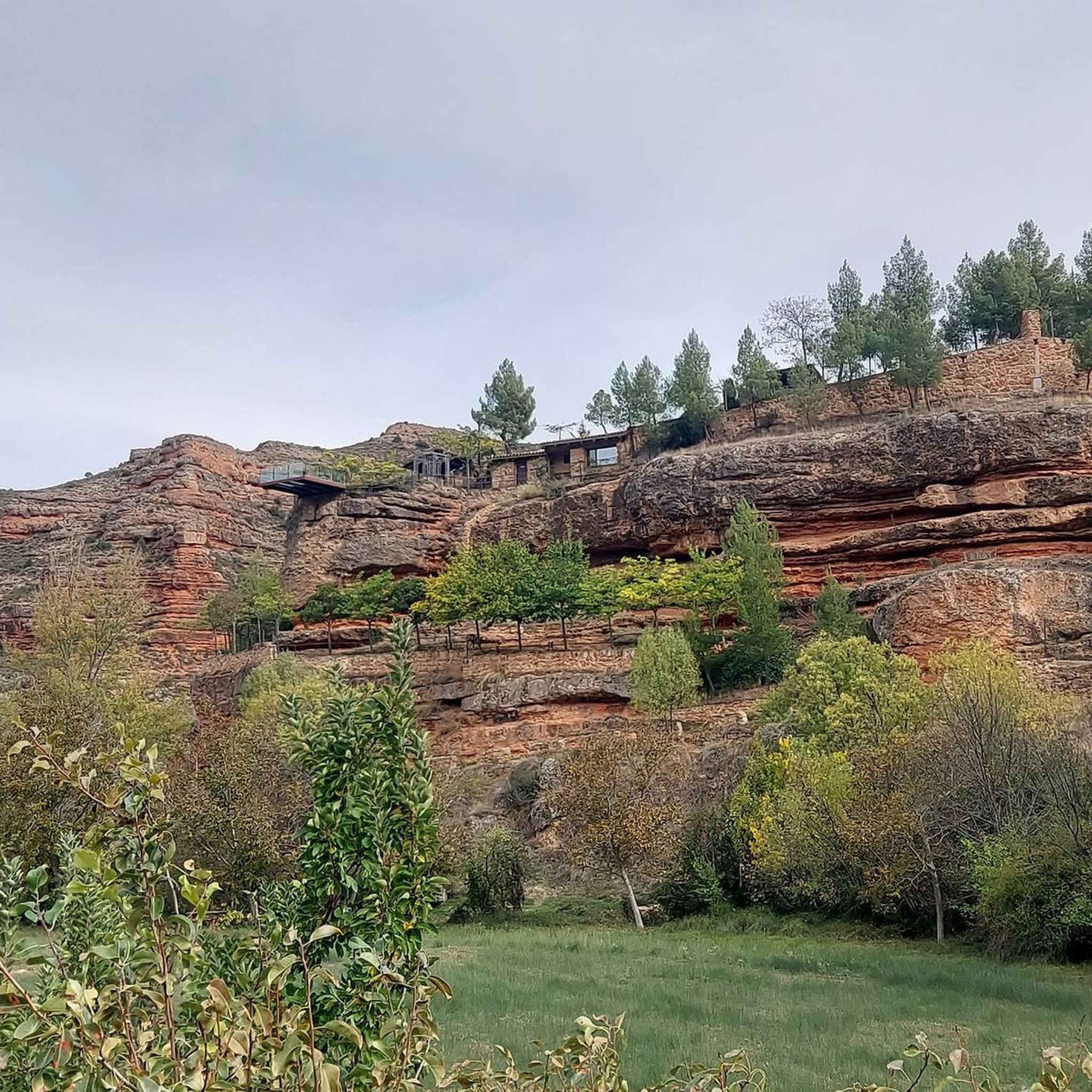
Cycling around Santa María De Huerta
Other adventures around Santa María De Huerta


Tips from the Community

With its multitude of openings and tunnels, this is the place where white sand was once extracted. The openings and tunnels of its caves are still visible, but there are many landslides.
0
0
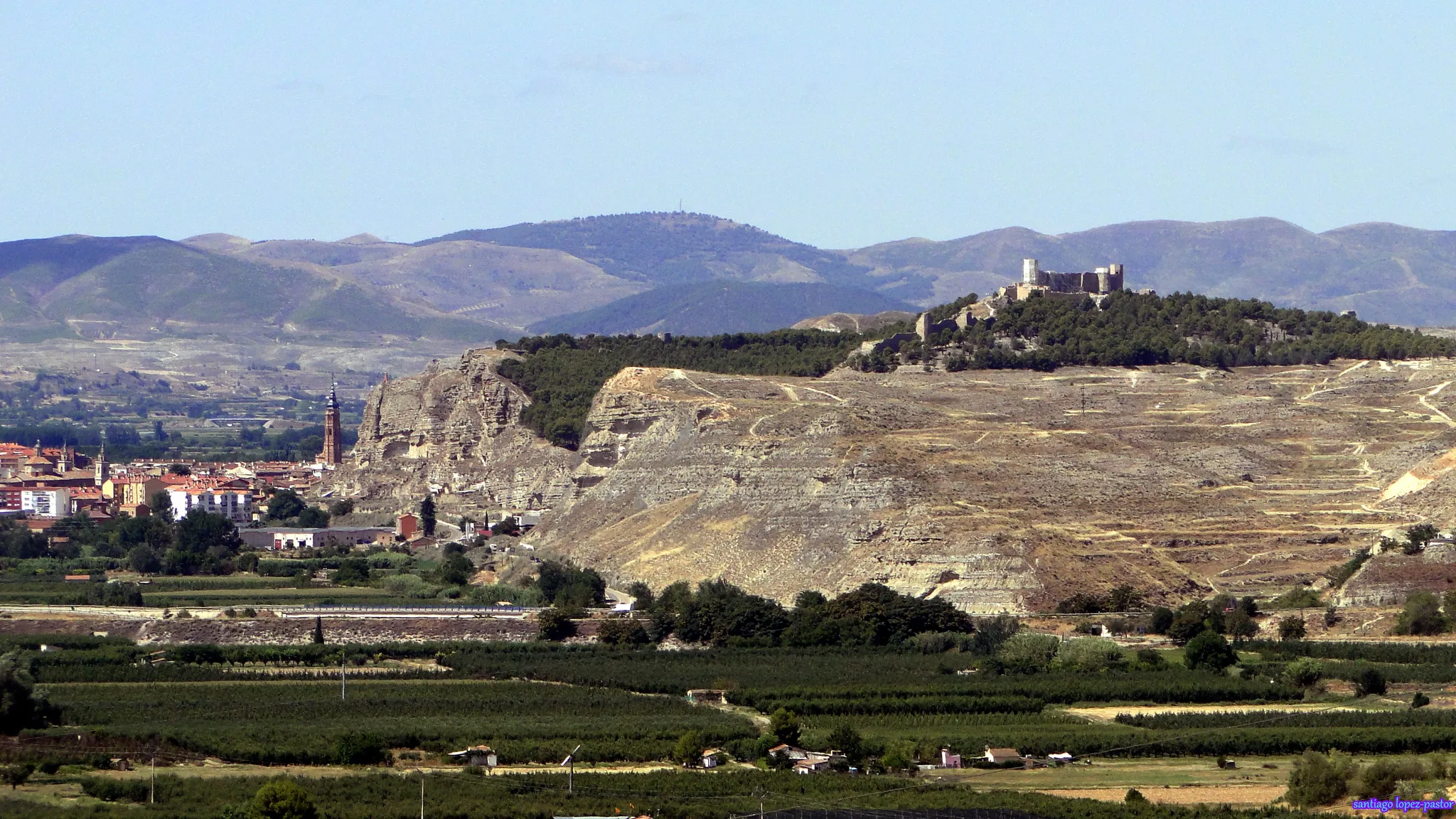
It is an old castle in ruins, with some auxiliary buildings also in ruins. Their function was probably to defend the surrounding fields and the people who worked them. Around the Castle is the impressive ravine of Arroyo Madre or Arroyo de Sagides. It is very well founded on a rock that also provides a step of protection against attackers. Under the Castle rock there are some Caves or Shelters in the rocks,
1
0
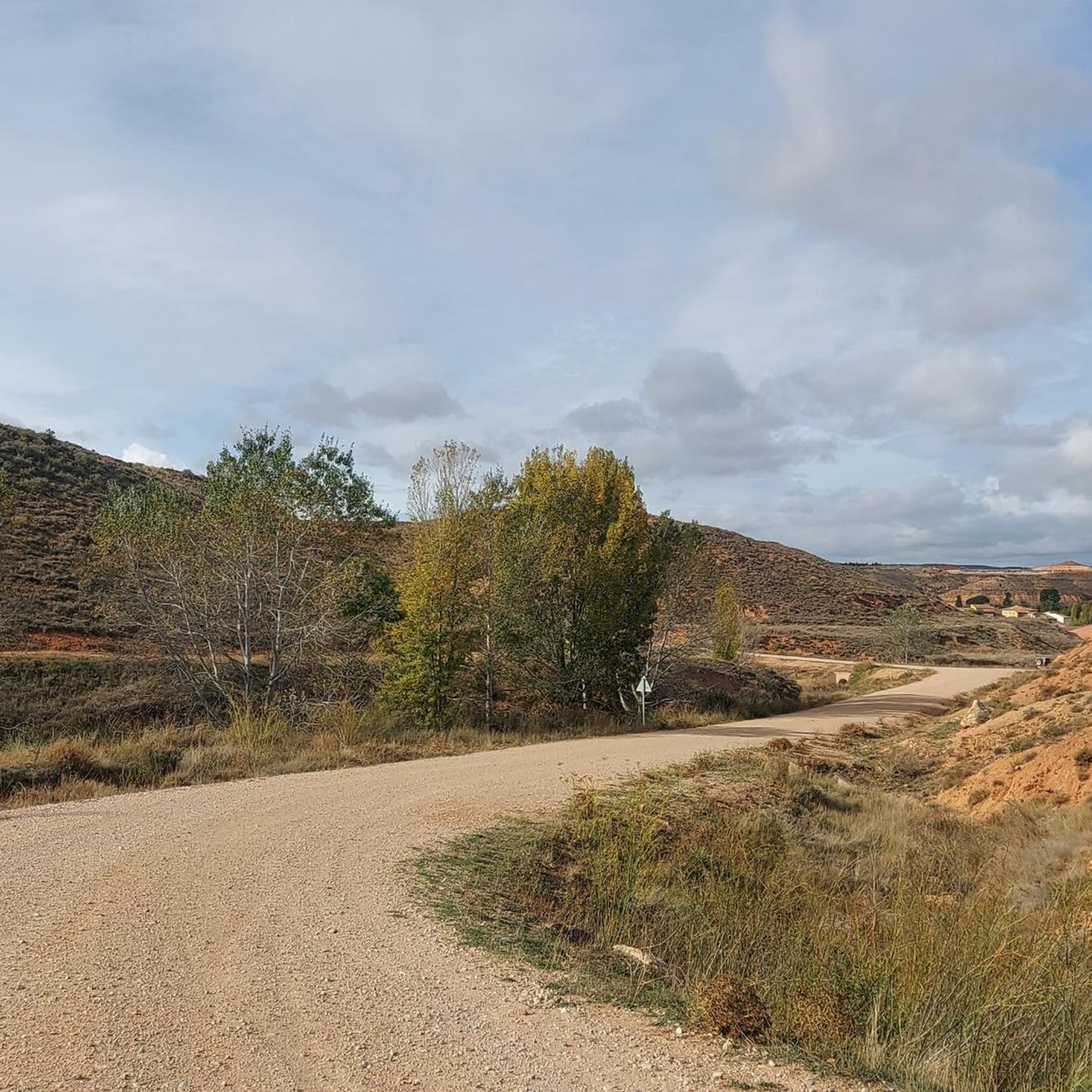
The Sima de Judes is located in the ravine of the same name, the ravine of the Sima, about 7 km from the town. In the center of the path there is a bicycle and a milestone that indicate the place where La Sima is located, on the right side of the ravine, a few meters away. There is a path that leads to it. You cannot enter it without adequate technical means, harness, ropes, and knowledge of the environment.
0
1
It is a beautiful place, but very jungle, with a large number of trees, fallen and undergrowth. However, you can walk well through it. It was generated by the Almuguera stream or Chaorna stream. Its name is due to the fact that in that area, the stream descends a great unevenness, and in one of its areas, it has produced on the ground, a kind of staircase in its descent. On both sides of the ravine there are two rock cliffs. In the cliffs there are some caves.
0
1
It is a charming town located to the south-east of the province of Soria. Among other beauties, it has a Muslim watchtower, a cave under the rock that is below the Tower, a very old church, a laundry room, a drinking trough, a fountain, an old fireplace, a bread oven, a forge, and even a bench (seat ) of style, Dalíliano. The Almugera stream or Chaorna stream runs through the same town, which, a few kilometers below, forms the beautiful ravine of the stairs, in whose lateral cliffs, there are some caves, such as the Cueva de la Mora, with a small entrance, but great depth and interior spaciousness. Chaorna is a town that deserves several visits.
1
0
Frequently Asked Questions
What types of caves can I explore around Santa María De Huerta?
The region offers a variety of caves, from challenging natural formations requiring technical skills, such as Sima de Judes, to historical sites like Las Canteras Caves, which were once used for white sand extraction. You can also find caves integrated into historical settlements, such as the Cueva de la Mora near Chaorna Historic Village.
Are there any family-friendly caves or sites with caves in the area?
Yes, Chaorna Historic Village is a charming settlement where you can find the Cueva de la Mora, known for its small entrance but spacious interior. The village itself offers a pleasant experience with a Muslim watchtower and other historical elements, making it suitable for families.
Do I need special equipment or permits to visit any of the caves?
For challenging caves like Sima de Judes, you cannot enter without adequate technical means, including a harness, ropes, and specific knowledge of the environment. It is advisable to consult local caving experts or guides for such expeditions.
What historical sites with caves can I visit?
You can explore Las Canteras Caves, a historical site where white sand was extracted, featuring visible openings and tunnels despite landslides. Additionally, Chaorna Historic Village has a cave under a rock below its Muslim watchtower, and Castillo de Almadeque, an old castle in ruins, has caves or shelters under its foundational rock.
What outdoor activities can I do near the caves around Santa María De Huerta?
The area around Santa María De Huerta offers various outdoor activities. You can find numerous hiking trails, including routes like the 'Way of El Cid (GR 160)' or 'Santa María de Huerta — circular'. For cycling enthusiasts, there are road cycling routes such as 'Gargantas Río Jalón — circular por las Tierras de Medinaceli', and mountain biking trails like 'Laguna de Judes Loop from Arcos de Jalón'. You can find more details on these activities at the Hiking around Santa María De Huerta, Road Cycling Routes around Santa María De Huerta, and MTB Trails around Santa María De Huerta guide pages.
Are there any natural monuments or gorges with caves nearby?
Yes, the Barranco de la Escalera is a beautiful gorge formed by the Almuguera stream, known for its unique 'staircase' formations and rock cliffs that contain several caves. It's a natural monument offering a scenic exploration.
What should I wear when exploring caves in this region?
Given the varied nature of the caves, it's best to wear sturdy, closed-toe shoes with good grip. For more challenging caves, protective clothing, a helmet, and a headlamp are essential. Even for more accessible sites, comfortable clothing that can get dirty and a light jacket are recommended as cave temperatures can be cooler.
Is it possible to find cafes or refreshments near the cave sites?
Specific cafes are not directly adjacent to all cave entrances, especially those in more remote natural settings. However, visiting villages like Chaorna Historic Village or the main town of Santa María De Huerta will offer options for refreshments and local eateries.
What is the best time of year to visit the caves around Santa María De Huerta?
The best time to visit is generally during spring or autumn when the weather is mild, making outdoor exploration and access to cave sites more comfortable. Summers can be hot, and winters might bring colder temperatures, though caves maintain a more consistent temperature year-round.
Are the caves around Santa María De Huerta accessible for people with mobility issues or wheelchairs?
Many of the natural caves, especially those described as challenging or with landslides like Sima de Judes or Las Canteras Caves, are not designed for wheelchair access or those with significant mobility issues due to uneven terrain, narrow passages, or technical entry requirements. Some historical sites or village areas might offer more accessible viewpoints, but direct cave entry is generally limited.
What kind of wildlife might I encounter in or around the caves?
While specific wildlife details for these caves are not provided, caves are often home to various species adapted to dark environments, such as bats and certain insects. The surrounding natural areas, like the ravines and forests, may host local birds, small mammals, and reptiles.
Where can I find parking when visiting the caves?
Parking availability varies by location. For sites like Chaorna Historic Village, parking is typically available within or near the village. For more remote natural caves such as Sima de Judes, you may need to park at designated trailheads or nearby access points and walk to the cave entrance. Always check local signage for parking regulations.
Most popular attractions around Santa María De Huerta

Get inspired with the komoot mobile app


Explore more
Extend your search for the best caves by checking out these guides of the top ones around Santa María De Huerta:
