Top 9 Castles around San Pedro Manrique
Best castles around San Pedro Manrique, a town in the province of Soria, Spain, are primarily represented by historical ruins and fortified sites. Situated in the Tierras Altas region, the area offers a glimpse into medieval history through its architectural remnants. The landscape is characterized by its elevated positions, providing views of the surrounding area. These sites reflect the region's past importance and the influence of noble families.
Best castles around San Pedro Manrique
- The most popular castles is Préjano…
Last updated: July 4, 2026
Préjano Castle
Highlight • Castle
Translated by Google •
Tip by

Yanguas Historic Village
Highlight • Historical Site
Translated by Google •
Tip by

Sign up now to discover places like this
Get recommendations on the best single tracks, peaks, & plenty of other exciting outdoor places.
Sign up for free
Castle of la Nava del Marqués de Magaña
Highlight • Castle
Translated by Google •
Tip by

San Pedro Manrique
Highlight • Settlement
Translated by Google •
Tip by

Yanguas
Highlight • Settlement
Translated by Google •
Tip by
Sign up for free to discover even more castles around San Pedro Manrique.
Sign up for free
Already have an account?
Start today with a free account
Your next adventure awaits.
Login or Signup
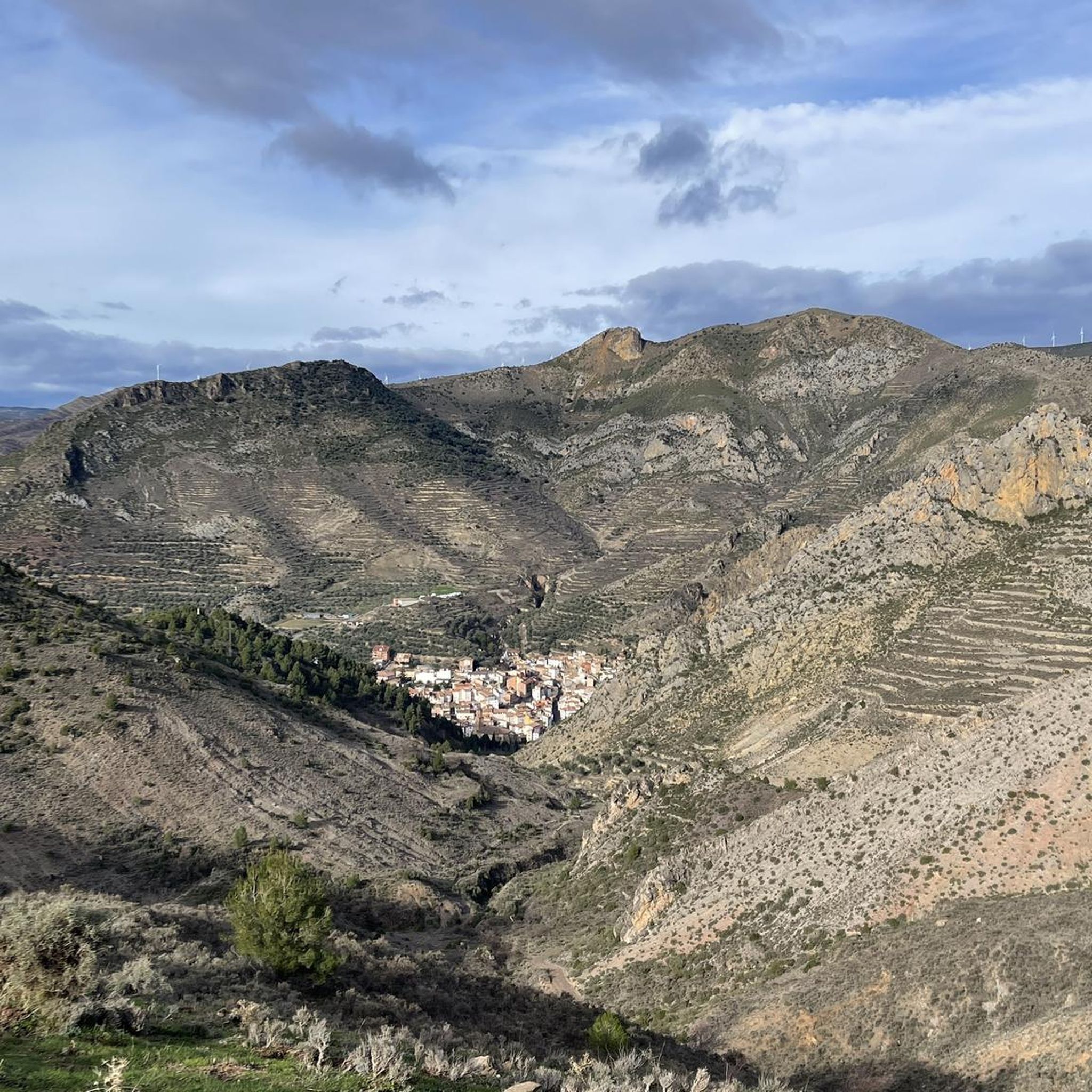
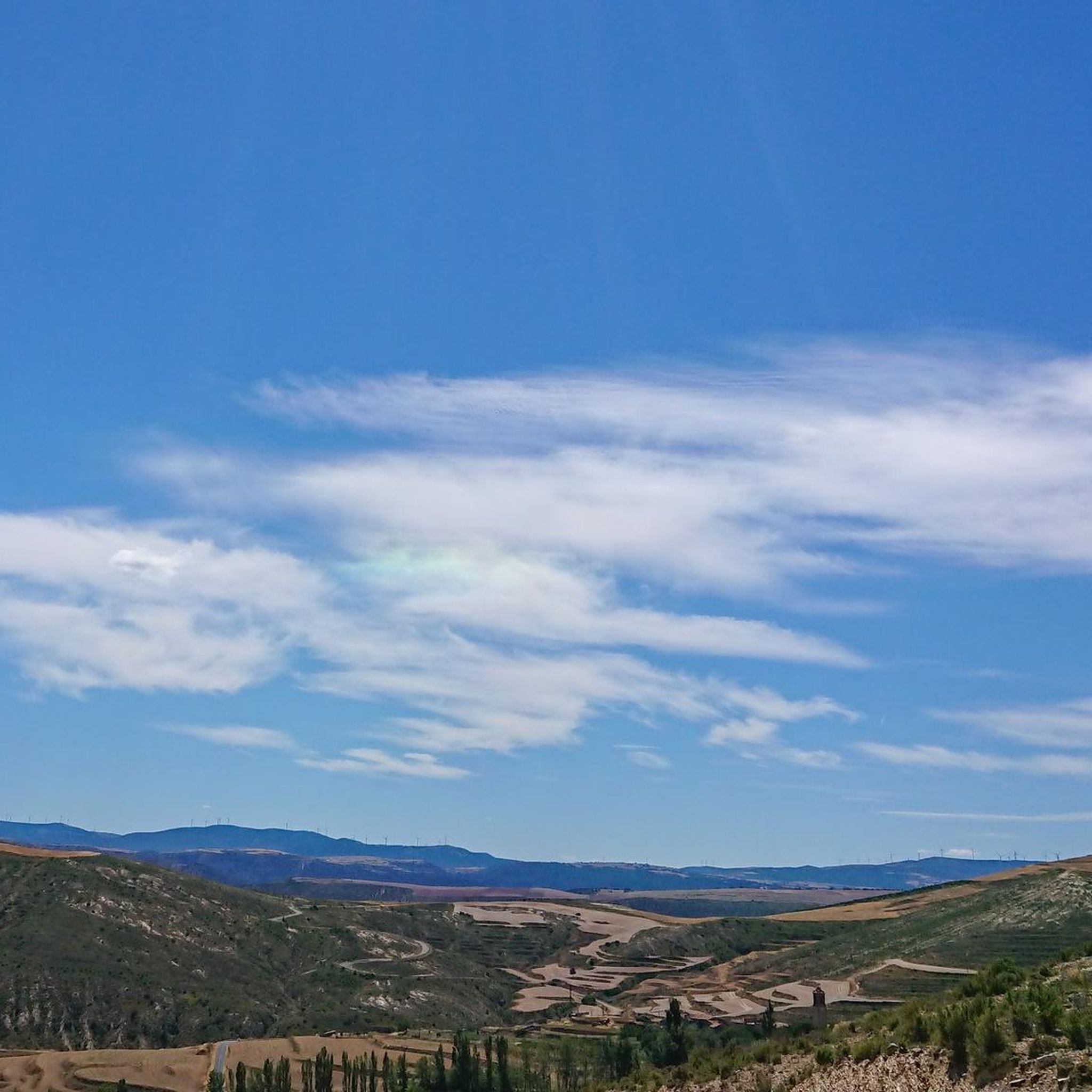
Other adventures around San Pedro Manrique

Tips from the Community

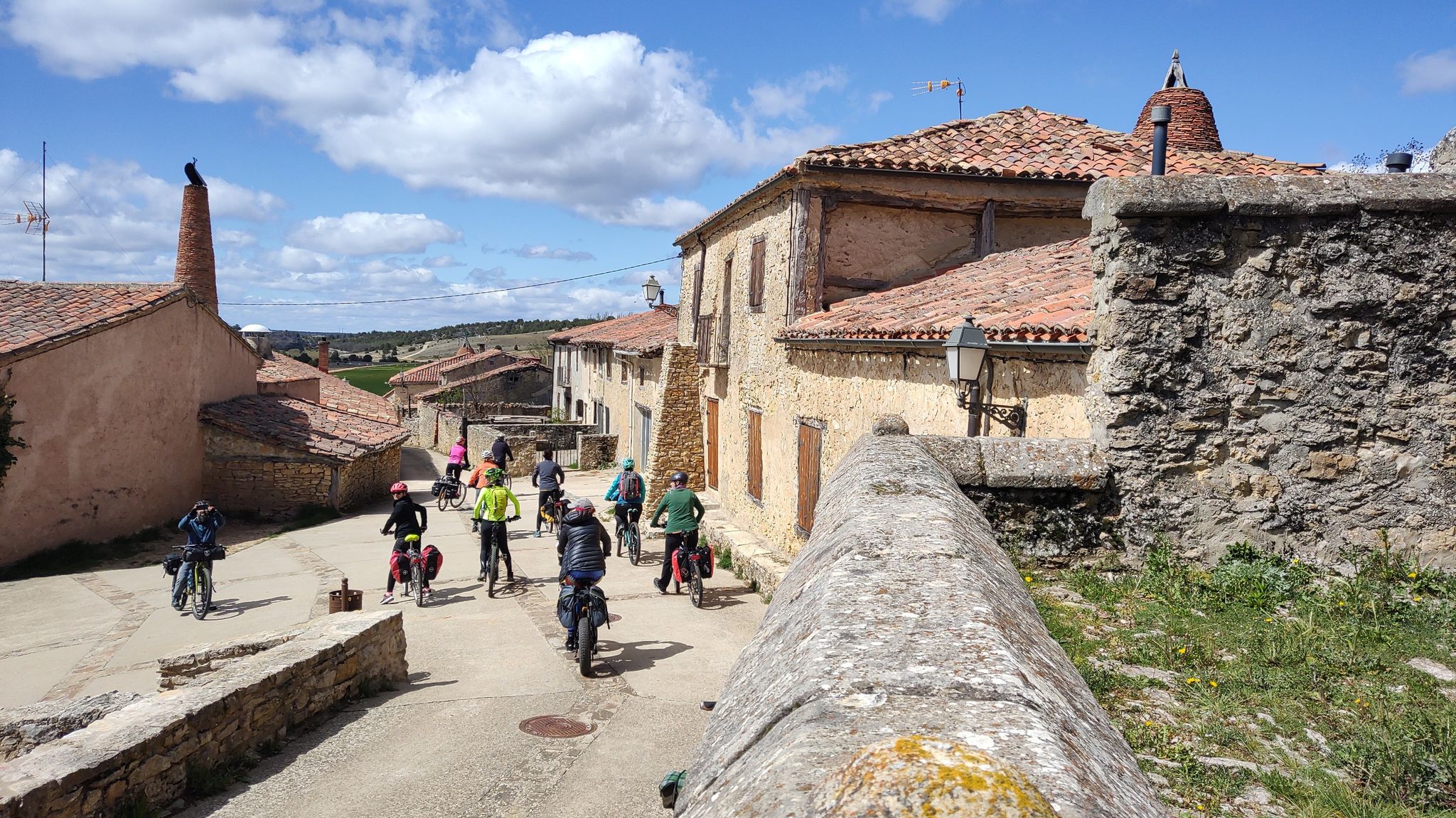
Small and pretty town, area with lots of interesting mountain bike trails
0
0

Picnic area with water and beautiful views of the Prejano castle and the valley
0
1

Accommodation, shops and bar in this beautiful medieval town. They have just restored the castle
0
0

San Pedro Manrique is a municipality in Soria in the Tierras Altas region, in the community of Castilla y León. Its origin dates back to the Celts, Vascones, Iberians and Romans. With the passage of time, other neighboring towns such as Sarnago, Las Fuentes de San Pedro, Matasejún, Palacio de San Pedro, Taniñe, Valdenegrillos and Ventosa de San Pedro have been incorporated into the municipal area. San Pedro Manrique is well known for his particular way of celebrating San Juan Day. On the night of San Juan the well-known "paso del fuego" is carried out, in which the embers of a bonfire are stepped on by the town's natives, barefoot and carrying someone on their backs. Among its heritage, the hermitage of the Virgen de la Peña, the church of San Miguel, the remains of a castle on the outskirts and the ruins of the convent of San Pedro el Viejo stand out.
0
0
Yanguas is a town in Soria in the Tierras Altas region, in the community of Castilla y León. Of pre-Roman origin, it is located at the beginning of the Cidacos river gorge, on the road that linked Numancia and Calahorra. It was declared a Historical-Artistic Site in 1993 and belongs to the Most Beautiful Towns in Spain association. Of its heritage, the Romanesque tower of San Miguel stands out, in Catalan Romanesque style (unique in the province), the Yanguas castle (14th century) and the church of San Lorenzo.
2
0
Magaña Castle is a medieval fortress located on a hill overlooking the town of the same name, in the province of Soria, Tierras Altas region, community of Castilla y León. It is believed to have been built during two stages throughout the 15th century. The inner enclosure would be built in the first stage, and the outer barrier in a second. Due to its architectural characteristics, it belongs to the typology of stately castle of the Valladolid school, very common in the north of Castile in the second half of the 15th century.
2
0

Yanguas is located at the gates of a canyon on the Cidacos River that leads to La Rioja. The beauty of the town has made it enter by its own right into the association of The Most Beautiful Towns in Spain. Its historic group of stone houses, especially slate, preserves the appearance of traditional architecture. In addition, it houses centuries-old monuments such as the Romanesque churches of San Lorenzo and Santa María, among other buildings of heritage relevance.
1
0
Magaña is one of those towns that surprises you greatly the first time you go. It is located on a promontory above the Alhama River valley and at the highest part stands the Nava del Marqués castle, built in the 15th century from a 10th century Berber tower. From the castle wall you can see a beautiful panoramic view of the town, in the foreground the church of San Martín de Tours stands out, built in the 16th century on a Romanesque hermitage.
1
0
Frequently Asked Questions
What are the main historical sites to visit in San Pedro Manrique?
San Pedro Manrique is home to the remains of its main fortification, the Castillo de San Pedro Manrique, a 15th-century noble residence with defensive features. You can also explore the ruins of San Pedro el Viejo, believed to be an ancient Templar monastery with fortified elements.
Are there other notable castles or historical villages nearby?
Yes, you can visit Préjano Castle, which features the remains of a 15th-century fortification including a 15-meter high tower. Another significant site is the Castle of la Nava del Marqués de Magaña, a medieval fortress overlooking the town of Magaña. Additionally, the Yanguas Historic Village offers traditional architecture, medieval monuments, and its own castle.
What kind of views can I expect from the castles?
Due to their elevated positions, both the Castillo de San Pedro Manrique and the Castle of la Nava del Marqués de Magaña offer commanding panoramic views of their respective towns and the surrounding landscapes of the Soria region.
Are the castles around San Pedro Manrique family-friendly?
Many of the historical sites, such as the Yanguas Historic Village, are considered family-friendly, offering an engaging way to explore history. The ruins of Castillo de San Pedro Manrique are freely accessible, making them suitable for families to explore together.
Can I bring my dog to the castle ruins?
The Castillo de San Pedro Manrique is freely accessible, and typically, well-behaved dogs on a leash are welcome at outdoor ruin sites. For San Pedro el Viejo, as it's also ruins, similar conditions usually apply. It's always best to ensure your dog is under control.
What outdoor activities are available near the castles?
The region around San Pedro Manrique offers various outdoor activities. You can find numerous hiking trails, including moderate routes like the 'Despoblado de Vea by the río Linares'. There are also road cycling routes and running trails to explore the natural surroundings.
What is the best time of year to visit the castles and go hiking?
The best time to visit for both castle exploration and hiking is generally during spring and autumn when the weather is milder and more pleasant. Summer can be hot, while winter may bring colder temperatures and potentially snow, especially in higher elevations.
Is there parking available at the Castillo de San Pedro Manrique?
The Castillo de San Pedro Manrique is located on a hill overlooking the town. While there isn't a dedicated parking lot directly at the ruins, you can typically find parking within the town of San Pedro Manrique and then walk up to the site.
What makes the Yanguas Historic Village special?
Yanguas Historic Village is renowned for its traditional stone architecture, medieval monuments, and its inclusion in the association of 'The Most Beautiful Towns in Spain'. It features the Yanguas Castle, ancient town gates, and the unique Romanesque tower of San Miguel, which is the only example of Catalan Romanesque style in Soria province.
Are the castle ruins wheelchair accessible?
The Castillo de San Pedro Manrique and San Pedro el Viejo are largely ruins situated on hills, which may present challenges for wheelchair accessibility due to uneven terrain and historical structures. Accessibility can vary, so it's advisable to assess the specific conditions upon arrival.
What historical significance does the Castillo de San Pedro Manrique hold?
The Castillo de San Pedro Manrique represents a crucial piece of the town's history, reflecting its medieval importance and the influence of the Manrique family. Its construction dates back to the 15th century, following King Juan I's grant of the town to Diego Gómez de Manrique, and it is recognized as a Property of Cultural Interest.
What can I see at the ruins of San Pedro el Viejo?
At the ruins of San Pedro el Viejo, believed to be an ancient Templar monastery, visitors can still observe a few remaining walls, including a tower and a vault from the ancient, supposedly fortified, convent. It offers a glimpse into medieval monastic life and military orders.
Most popular attractions around San Pedro Manrique

Get inspired with the komoot mobile app


Explore more
Looking for the best castles somewhere else? Discover other guides around San Pedro Manrique:
