Top 9 Castles around Almiserà
Best castles around Almiserà offer a glimpse into the region's rich history and strategic military architecture. The area, particularly La Vall de Gallinera, features several historical fortifications, including the Almiserà Fort, perched at 725 meters. These structures, many of Muslim origin, served as strategic points controlling valleys and rivers. Visitors can explore a variety of castle ruins and well-preserved palaces, providing insights into past eras.
Best castles around Almiserà
- The most popular castles is Ducal Palace of the Borgias (Palau…
Last updated: June 20, 2026
Ducal Palace of the Borgias (Palau Ducal dels Borja), Gandia
Highlight • Historical Site
Translated by Google •
Tip by

Castle of Aielo de Rugat
Highlight • Castle
Unfortunately, it was destroyed during the War …
Translated by Google •
Tip by

Sign up now to discover places like this
Get recommendations on the best single tracks, peaks, & plenty of other exciting outdoor places.
Sign up for free
Views of Perputxent Castle
Highlight • Viewpoint
Translated by Google •
Tip by
Castillo de Palma
Highlight • Castle
Tip by

Palace House of the Counts of Ròtova
Highlight • Historical Site
Translated by Google •
Tip by

Sign up for free to discover even more castles around Almiserà.
Sign up for free
Already have an account?
Start today with a free account
Your next adventure awaits.
Login or Signup

Other adventures around Almiserà

Tips from the Community

The Palau del Duc ducal palace was built in the late Gothic and Renaissance style in the 16th and 17th centuries. Opening hours: Mon to Sat 10am–1.30pm and 3pm to 6.30pm (November to March) and 4pm to 7.30pm (April to October) and Sunday/public holiday 10am to 1.30pm.
1
0

7 euro entree
1
0

8.00€ entrance fee 🫣🤔🥶
1
0

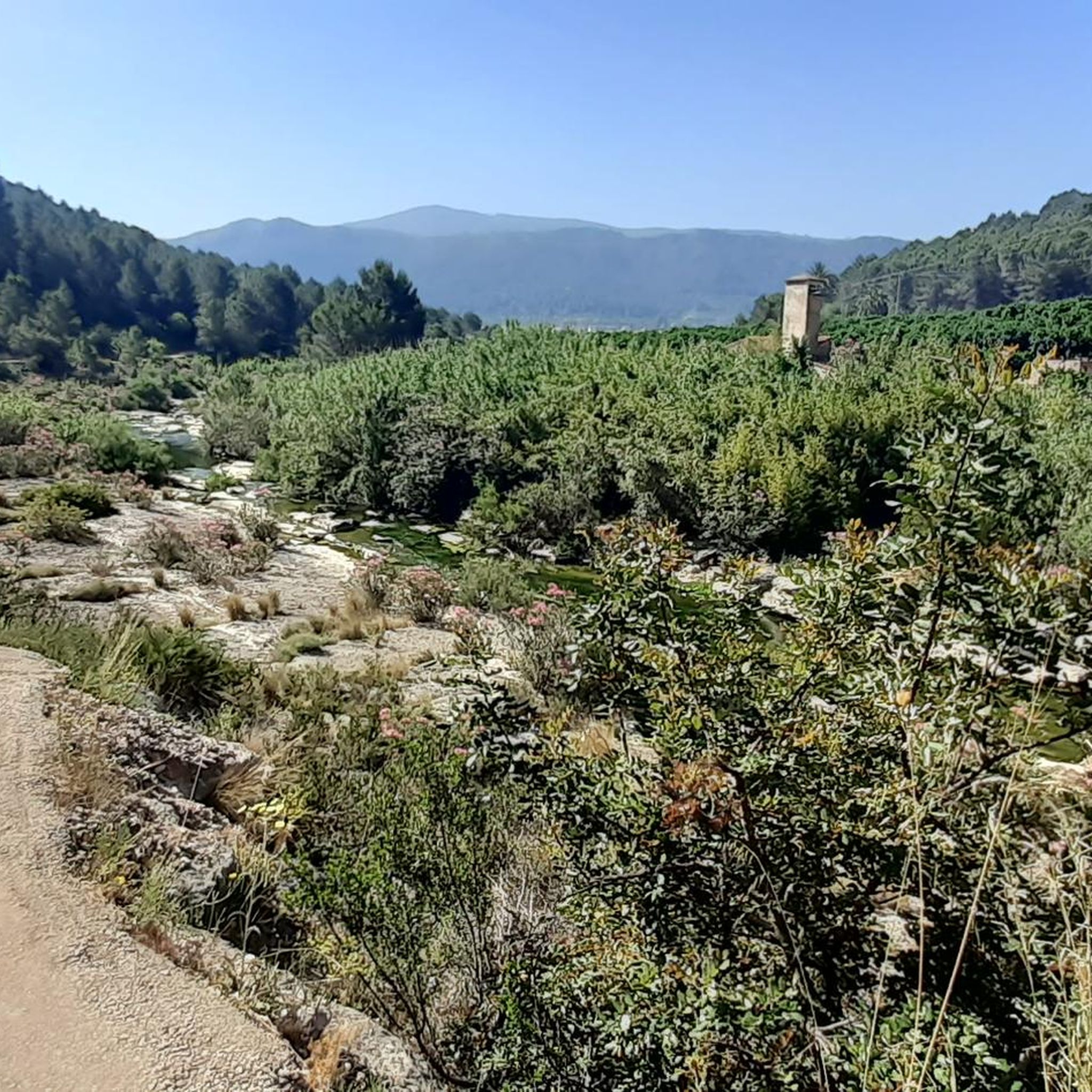
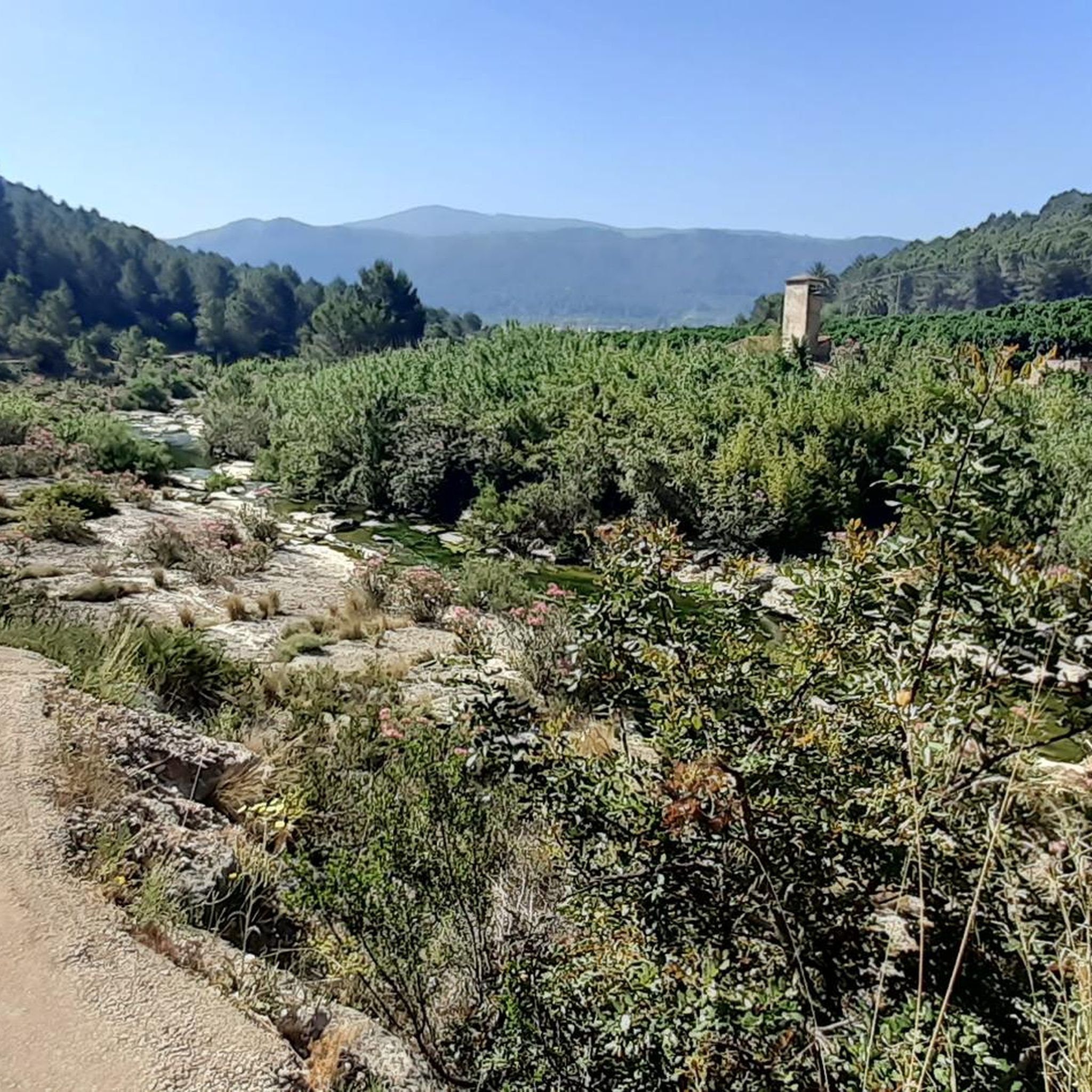
Viewpoint from where you can see the Castell de L'Orxa, a fortress of Muslim origin dating from the end of the 12th century. Before, a path climbed to the 380 meters of its summit in half a kilometer. Now, visiting the also known Castell de L'Orxa is prohibited. There is a risk of detachments and falls.
0
0

beautiful, scenically varied tour
0
0

It is a Baroque urban building built in the second half of the 16th century and remodeled at the end of the 17th century, it is therefore what remains of the original building, the most important architectural heritage element of Ròtova. It is located in the part of the urban center where in the past the town was accessed from the royal road of Xàtiva. Historians say if its original building would not rise on the site occupied by an Arab control tower. Its origin would be an old manor house that covers an entire village block and that still today shows a slender facade on which the noble coat of arms of the family stands out in carved wood. The imperial limestone staircase with a robust column, supporting a canopy made of Arab tiles, also draws attention to the palace. Also pay attention to the pleasant layout of its courtyard enclosed by a battlemented wall, which preserves the tilework of the original 16th century palace. Inside the area of the palace, archaeological excavations have been carried out which have allowed the discovery of ceramic remains dating back to the Iberian era. The building retains some original rooms, being divided into three parts. The external warehouse housed an almássera, the parts of which are now in the Benialí cooperative. Of particular note is the large garden at the back of the palace, of which the remains of the walls that closed the enclosure remain, now partly occupied by the current Passeig del Nou d’Octubre. Since the beginning of 2004, the palace has been the property and heritage of the town of Ròtova, with public use projected with its future restoration that will allow, in addition to the location of the municipal offices, the adaptation of a cultural center with an auditorium and a garden. While the palace is being adapted, the current situation shows a space occupied by the palace has a surface of 1913.06 m2, in which the following spaces can be distinguished: A main building of the 16th-17th century, in the form of "L " with three and one surface per floor of 393.72 m2 and a total surface of 1,181.16 m2 built, which shows masonry walls 60 cm wide, forged with wooden beams and covered with Arabic tiles. In addition to a large access staircase to the main facade, topped with the noble coat of arms of the Comptes de Ròtova. A front access patio of 393.72 m2 with external enclosure formed by a crenellated masonry wall from which access to the garden located in the rear. Back gardens of 742.87 m2, where we will find pine trees. Annex buildings from the beginning of the 20th century, with a floor area of 300.06 m2.
1
0

Beautiful old castle ruins.
1
0

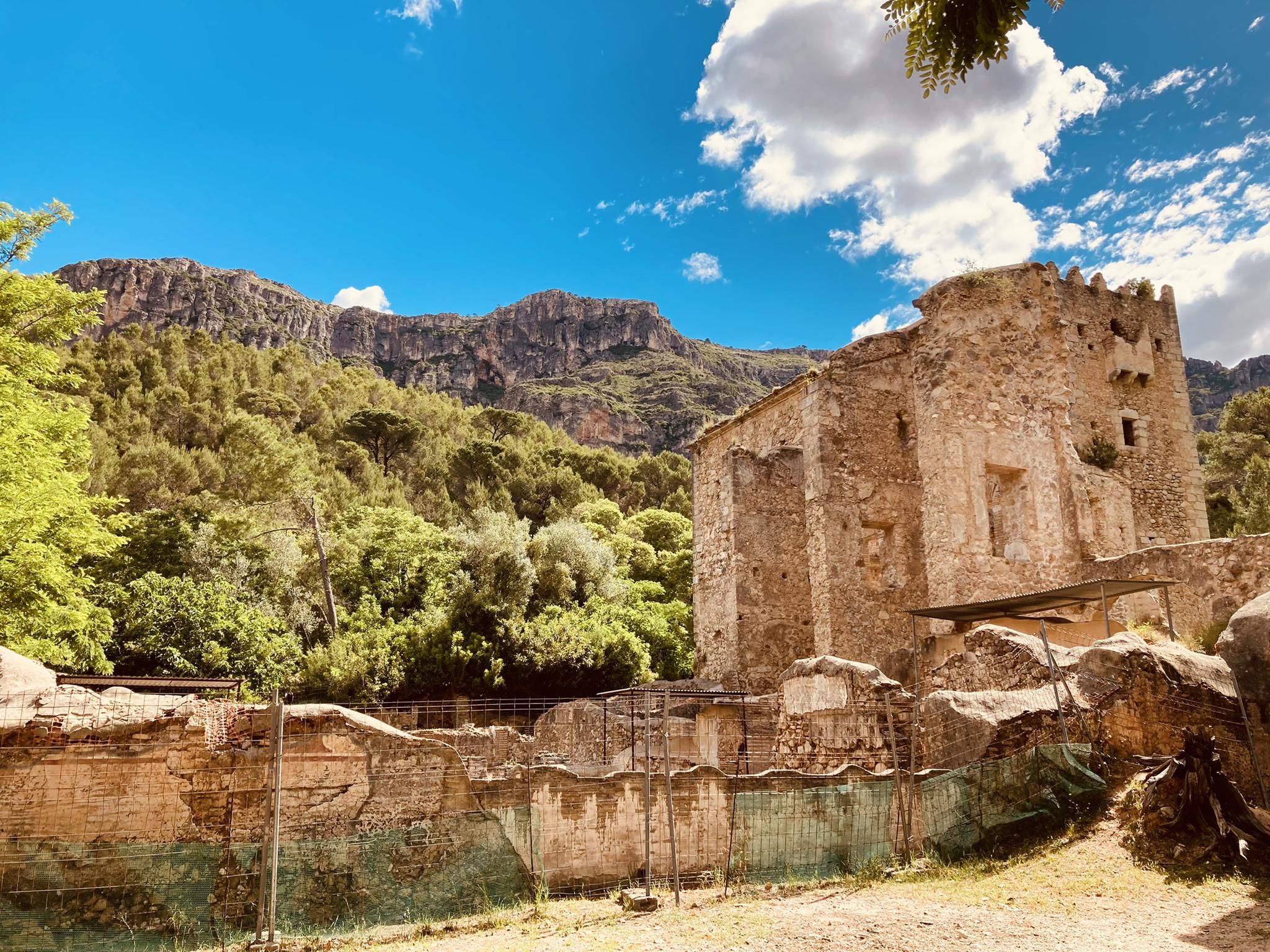
The 12th century castle crowns the mill from where you can get stunning views of the valley and the mountains that surround it. Unfortunately, it was destroyed during the War of Castile in the 14th century. At present, you can distinguish, in some of its walls, the arrow slits that were used to shoot with crossbows during the war. Inside what would be the castle, you can find a well-preserved cistern.
2
2
Frequently Asked Questions
What are the most historically significant castles to visit around Almiserà?
The region is rich in history, particularly with Muslim-era fortifications. The Ducal Palace of the Borgias (Palau Ducal dels Borja), Gandia, is a key historical site, once the residence of the renowned Borja family. The Castle of Aielo de Rugat, a 12th-century ruin, offers a glimpse into medieval military architecture. Additionally, the Almiserà Fort, though damaged, is considered the oldest fortification in La Vall de Gallinera, dating back to 920-930, and provides insight into early Muslim history and strategic military architecture.
Are there any castles around Almiserà that offer great viewpoints?
Yes, several castles provide excellent views. The Castle of Aielo de Rugat, despite being in ruins, offers stunning views of the valley and surrounding mountains. Similarly, Views of Perputxent Castle is a viewpoint of a Muslim fortress strategically dominating part of the Serpis river course. The Castillo de Palma, an old Andalusí fortification, also provides beautiful views from its summit.
What kind of natural features can I expect to see near the castles?
Many castles are strategically located to overlook natural landscapes. For instance, Views of Perputxent Castle offers vistas of the Serpis river course. The Almiserà Fort is perched at 725 meters, providing commanding views of the surrounding mountains and valleys. Hiking trails in the area, such as those around the Castle of Aielo de Rugat, will also expose you to the region's diverse terrain.
Are there family-friendly castles or activities around Almiserà?
The Ducal Palace of the Borgias (Palau Ducal dels Borja), Gandia, is categorized as family-friendly and offers an engaging historical experience. While some castle ruins might involve steep paths, like the Castillo de Palma which is accessible by a steep path, visitors have noted it can be done with children aged 7-8 years old. Always check the specific accessibility for each site.
What outdoor activities can I do near these castles?
The area around Almiserà offers various outdoor activities. You can find numerous hiking trails, such as the 'Senda del Castell Trail (SL-CV 138)' or the 'Llavador of Almisserà – Vilella Castle loop from Almiserà'. For cycling enthusiasts, there are road cycling routes like the 'Sant Nicolau Ravine – Greenway of Safor loop from Palma de Gandía'. You can explore these and more options in the dedicated guides for Hiking around Almiserà, Road Cycling Routes around Almiserà, and Running Trails around Almiserà.
What is the best time to visit the castles around Almiserà?
While specific seasonal considerations are not detailed for each castle, the region generally enjoys a Mediterranean climate. Spring and autumn typically offer pleasant temperatures for exploring historical sites and engaging in outdoor activities like hiking. Summer can be hot, so early mornings or late afternoons are advisable for visits during that season. Winter offers cooler temperatures, suitable for walking routes.
Are there any easy walking trails to reach castles or castle viewpoints?
Yes, there are options for easier walks. The 'Senda del Castell Trail (SL-CV 138)' is rated as easy, and the 'Castillo de Palma – Riverside Promenade of Alfauir loop from Alfauir' is also an easy hiking route. These trails can lead you to or near castle sites, allowing for a more relaxed exploration of the historical landscape.
What do visitors enjoy most about the castles around Almiserà?
Visitors frequently appreciate the historical significance and the stunning views offered by these sites. The Ducal Palace of the Borgias is praised for its picturesque and ostentatious interior. The Castle of Aielo de Rugat and Castillo de Palma are noted for their beautiful views of the valleys and mountains. The overall appeal lies in the blend of ancient ruins, strategic locations, and the historical narratives they represent.
Are there other significant historical fortifications in the broader La Vall de Gallinera region?
Beyond the Almiserà Fort, the broader La Vall de Gallinera region, which historically organized its administration around key fortresses, also contains other notable castles. These include Gallinera Castle and Alcalà Castle, which played important roles in the region's history, particularly during the Muslim era.
What is the architectural style of the Almiserà Fort?
The Almiserà Fort, a Muslim construction, originally featured a rectangular layout with four circular corner cubes projecting outwards and two square ones on a side wall. This architectural style is comparable to Umayyad castles found in Syria or some ribats in North Africa, suggesting an exclusively military purpose due to its strategic location.
Is there parking available near the castles or trailheads?
While specific parking information for every castle is not detailed, many trailheads for routes leading to castles, such as those for hiking around Almiserà, typically have designated parking areas. For urban sites like the Ducal Palace of the Borgias in Gandia, public parking options would be available within the city.
Can I visit the Palace House of the Counts of Ròtova?
The Palace House of the Counts of Ròtova is a Baroque urban building from the 16th century. Since 2004, it has been the property and heritage of the town of Ròtova, with public use projected after future restoration. It is intended to house municipal offices and a cultural center, so its accessibility for general visits may depend on its current stage of adaptation.
Most popular routes around Almiserà
Most popular attractions around Almiserà

Get inspired with the komoot mobile app


Explore more
Looking for the best castles somewhere else? Discover other guides around Almiserà:
