Top 6 Lakes around Pegalajar
Best lakes around Pegalajar are primarily characterized by man-made reservoirs and their associated viewpoints, situated within the province of Jaén. The region's most notable water body is La Charca, an artificial reservoir fed by the Fuente de la Reja spring, which holds significant historical and cultural importance. This area, nestled at the foot of the Sierra Mágina mountains, offers a blend of natural landscapes and engineered water systems. Visitors can explore these sites, which are integral to the local heritage…
Last updated: June 20, 2026
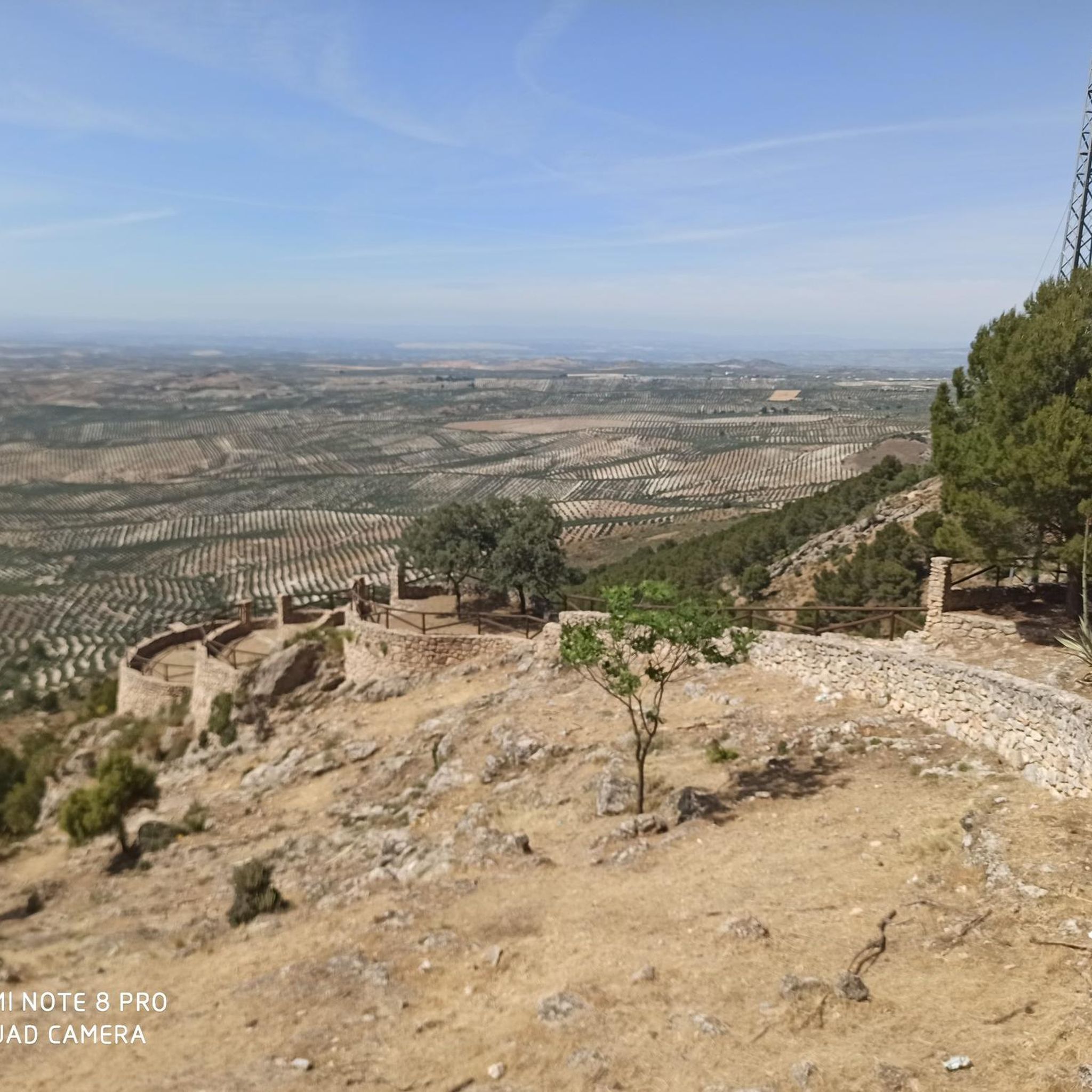
View of Quiebrajano Reservoir
Highlight • Viewpoint
It belongs to the Guadalquivir hydrographic basin and was built in 1976.
Its waters flooded 12 houses and …
Translated by Google •
Tip by

La Charca de Pegalajar
Highlight • Lake
Translated by Google •
Tip by

Sign up now to discover places like this
Get recommendations on the best single tracks, peaks, & plenty of other exciting outdoor places.
Sign up for free
Quibrajano Dam
Highlight • Structure
Translated by Google •
Tip by

View of Quiebrajano Reservoir
Highlight • Viewpoint
Showing Translation
Tip by

Start today with a free account
Your next adventure awaits.
Login or Signup

Tips from the Community

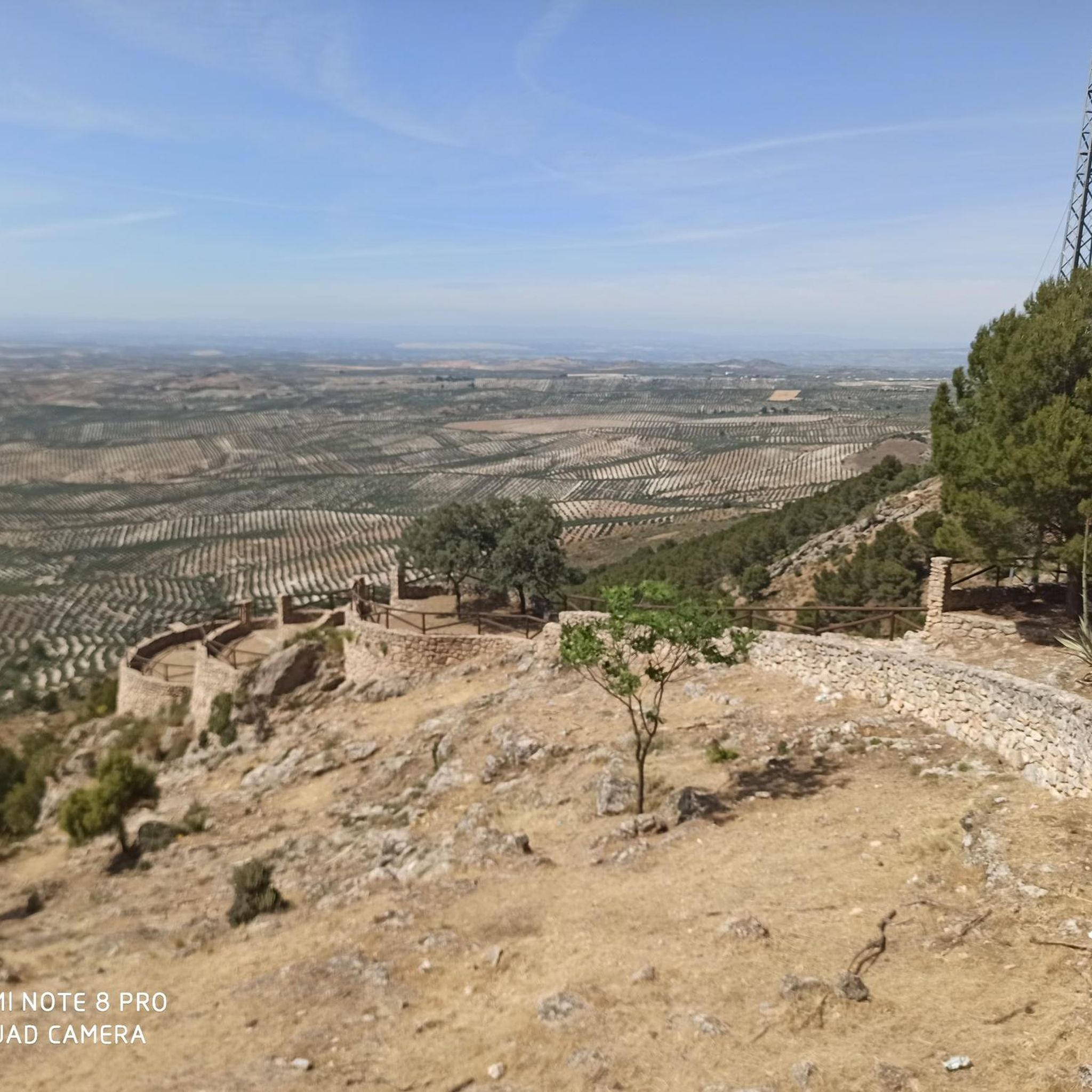
From this viewpoint, you can contemplate the impressive views of the Quiebrajano valley, the Otiñar, and the horizon can be seen: the Jabalcuz mountain range, Jaén, and the majestic La Pandera mountain range.
1
0


The Quiebrajano reservoir is located about 25 km from the capital, and is used to store water for human consumption, which is why bathing or the use of boats is not permitted. Currently you cannot access the viewpoint without knowing the reason for such prohibition.
3
0
It is the area where the dam is located that retains water for human consumption in the capital, and to also serve different populations near Jaén.
10
0
It is a structure built to provide elevation and enjoy the views of the Quiebrajano dam. It has usually been closed to the public for a few months, but fortunately at that time the access doors were open.
12
0

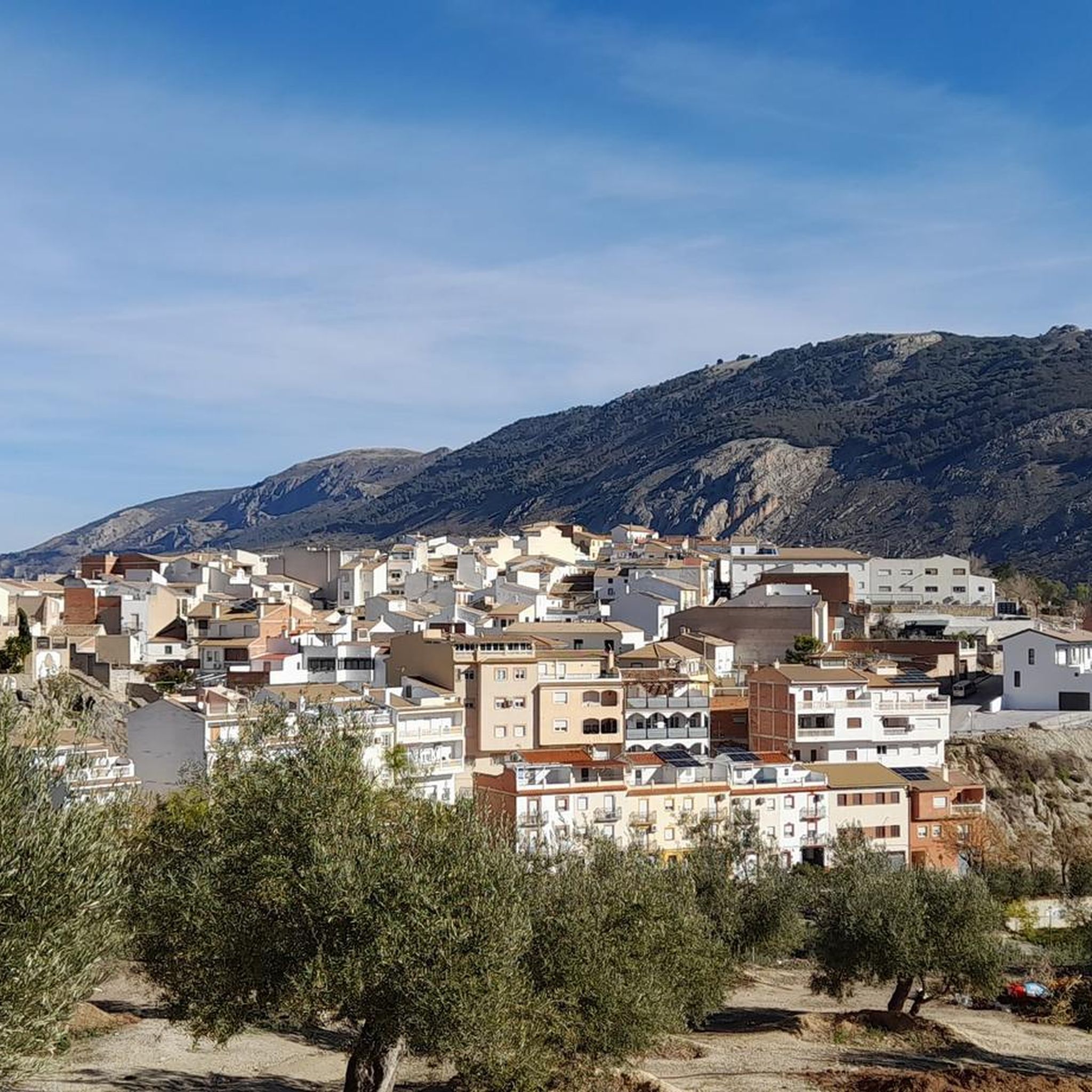
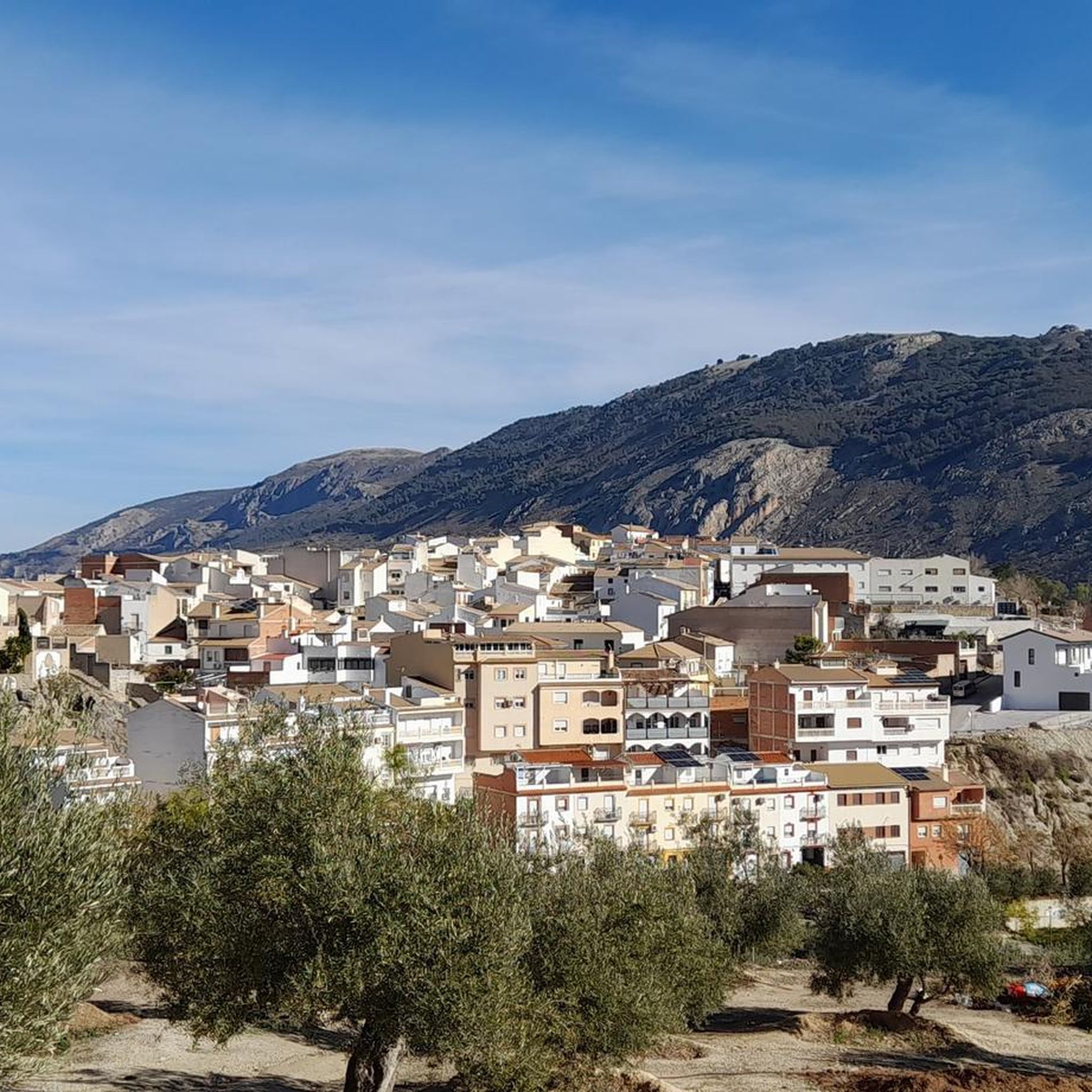
La Charca park is a great stop on a hot summer day. The pond and the irrigation system and the importance of this spring are collected in the Chronicles of Constable Iranzo which, already in the year 1469, mention the Old Fountain and the irrigation of the Huertas de Pegalajar.
1
0
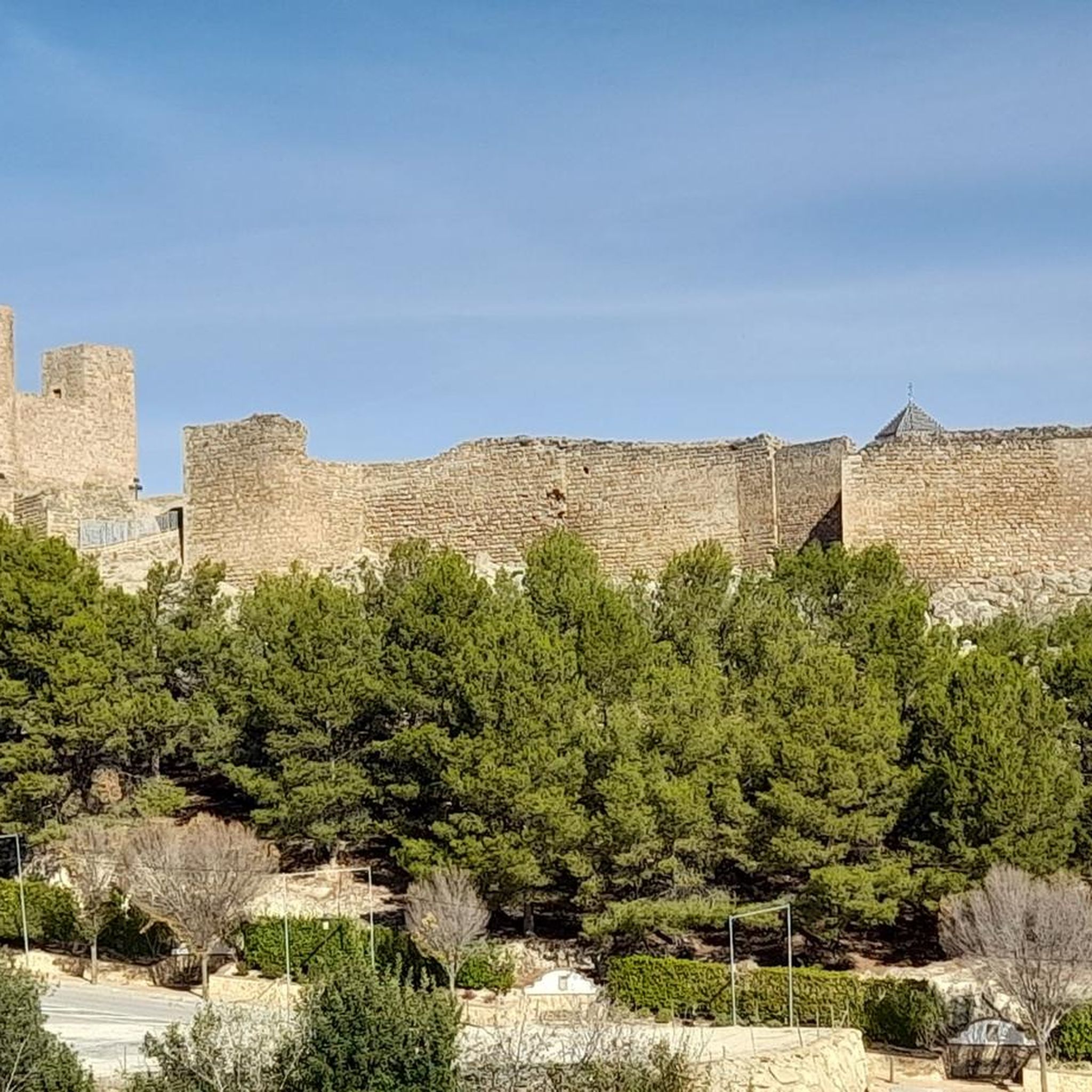
Built in 1976 to collect water from the Quiebrajano River. The water level of the reservoir changes drastically from year to year depending on rainfall. Access to the reservoir, which is located in a steep basin, is via a road tunnel.
3
0
Now the entrance to the viewpoint of the reservoir is not allowed, but it can be seen from other different points.
4
0
Frequently Asked Questions
What is the most significant water body in Pegalajar?
The most significant water body in Pegalajar is La Charca de Pegalajar. It is an artificial reservoir fed by the Fuente de la Reja spring, holding deep historical and cultural importance for the town. It's recognized as a "Place of Ethnological Interest".
What recreational activities can I enjoy at La Charca de Pegalajar?
La Charca de Pegalajar serves as a vibrant center for leisure. Visitors can enjoy musical performances, boat trips, and even swimming competitions. It's a popular public space for gathering, relaxation, and sports, especially during the summer.
Are there good viewpoints to see the reservoirs around Pegalajar?
Yes, there are several excellent viewpoints. You can visit View of Quiebrajano Reservoir, which offers elevated views of the Quiebrajano dam. Another popular spot is View of Quiebrajano Reservoir, providing wonderful vistas of the Quiebrajano valley, Otiñar, and the distant Jabalcuz and Jaén, with La Pandera mountain visible.
What is the historical significance of La Charca de Pegalajar?
La Charca de Pegalajar and its feeding spring, Fuente de la Reja, are crucial to Pegalajar's heritage. Mentioned in chronicles from 1469, this pond and its irrigation system have been vital for local orchards and olive groves for centuries. It represents a unique hydraulic, agricultural, and ecological system in the Mediterranean.
Can I find family-friendly activities near the water bodies in Pegalajar?
Yes, La Charca de Pegalajar is considered a family-friendly area. It's a park and pond where families can relax, enjoy the scenery, and participate in various leisure activities, especially during warmer months.
What kind of cycling routes are available near Pegalajar's water bodies?
There are several cycling routes that pass by or near Pegalajar's water bodies. For example, you can find routes like the 'Lakeside View of Pegalajar – Jaén Cathedral loop from Pegalajar' or the 'Lakeside View of Pegalajar – La Charca de Pegalajar loop from Pegalajar'. You can explore more options in the Cycling around Pegalajar guide or the Road Cycling Routes around Pegalajar guide.
What is the Quiebrajano Dam used for?
The Quibrajano Dam retains water primarily for human consumption in the capital of Jaén and also supplies various nearby populations.
What is the best time to visit La Charca de Pegalajar?
While enjoyable year-round, La Charca de Pegalajar is particularly appreciated during the intense summer months, when its recreational offerings and refreshing atmosphere become a central hub for locals and visitors alike.
Are there any specific natural features to observe around La Charca de Pegalajar?
Beyond the reservoir itself, the area around La Charca de Pegalajar is fed by the natural Fuente de la Reja spring. The entire system, nestled at the foot of the Sierra Mágina mountains amidst olive groves, showcases a unique ecological and agricultural landscape.
What do visitors appreciate most about the water bodies in Pegalajar?
Visitors appreciate the blend of natural landscapes and man-made water systems. The historical and cultural significance of La Charca de Pegalajar, along with the scenic views from spots like the View of Quiebrajano Reservoir, are highly valued. The komoot community has shared 15 photos and given 19 upvotes to these highlights.
Are there any gravel biking opportunities near the lakes in Pegalajar?
Yes, the region offers gravel biking routes that allow you to explore the surrounding landscapes. You can find routes like 'Cortijo Brujuelo – Natural salt flats loop from Mancha Real' or 'Rest area km 1 – El Término Farmhouse loop from Jaén'. More details are available in the Gravel biking around Pegalajar guide.
Most popular routes around Pegalajar
Most popular attractions around Pegalajar

Get inspired with the komoot mobile app


Explore more
Still not found your perfect lake around Pegalajar? Check out the guides of these regions to see even more beautiful places.
