The 7 Most Amazing Peaks around Pegalajar
Best mountain peaks around Pegalajar are found within the Sierra Mágina Natural Park, offering a diverse landscape for exploration. This region, nestled at the foot of the Sierra Mágina mountains in Jaén province, provides a base for experiencing Andalusia's notable peaks. The area features limestone massifs, varied vegetation zones, and panoramic viewpoints. It combines challenging ascents with rich biodiversity, making it suitable for mountaineers and hikers.
Best mountain peaks around Pegalajar
- The most popular mountain peaks is Pico Mágina Summit…
Last updated: July 4, 2026
Pico Mágina
Highlight • Summit
Showing Translation
Tip by

Almadén Summit Radio Repeater (2,078 m)
Highlight • Summit
Translated by Google •
Tip by

Sign up now to discover places like this
Get recommendations on the best single tracks, peaks, & plenty of other exciting outdoor places.
Sign up for free
Peña de Jaén
Highlight • Summit
Showing Translation
Tip by

La Pandera
Highlight • Summit
Translated by Google •
Tip by
Ascent to the Sierra de la Pandera from Los Villares
Highlight (Segment) • Climb
Translated by Google •
Tip by

Sign up for free to discover even more peaks around Pegalajar.
Sign up for free
Already have an account?
Start today with a free account
Your next adventure awaits.
Login or Signup

Tips from the Community

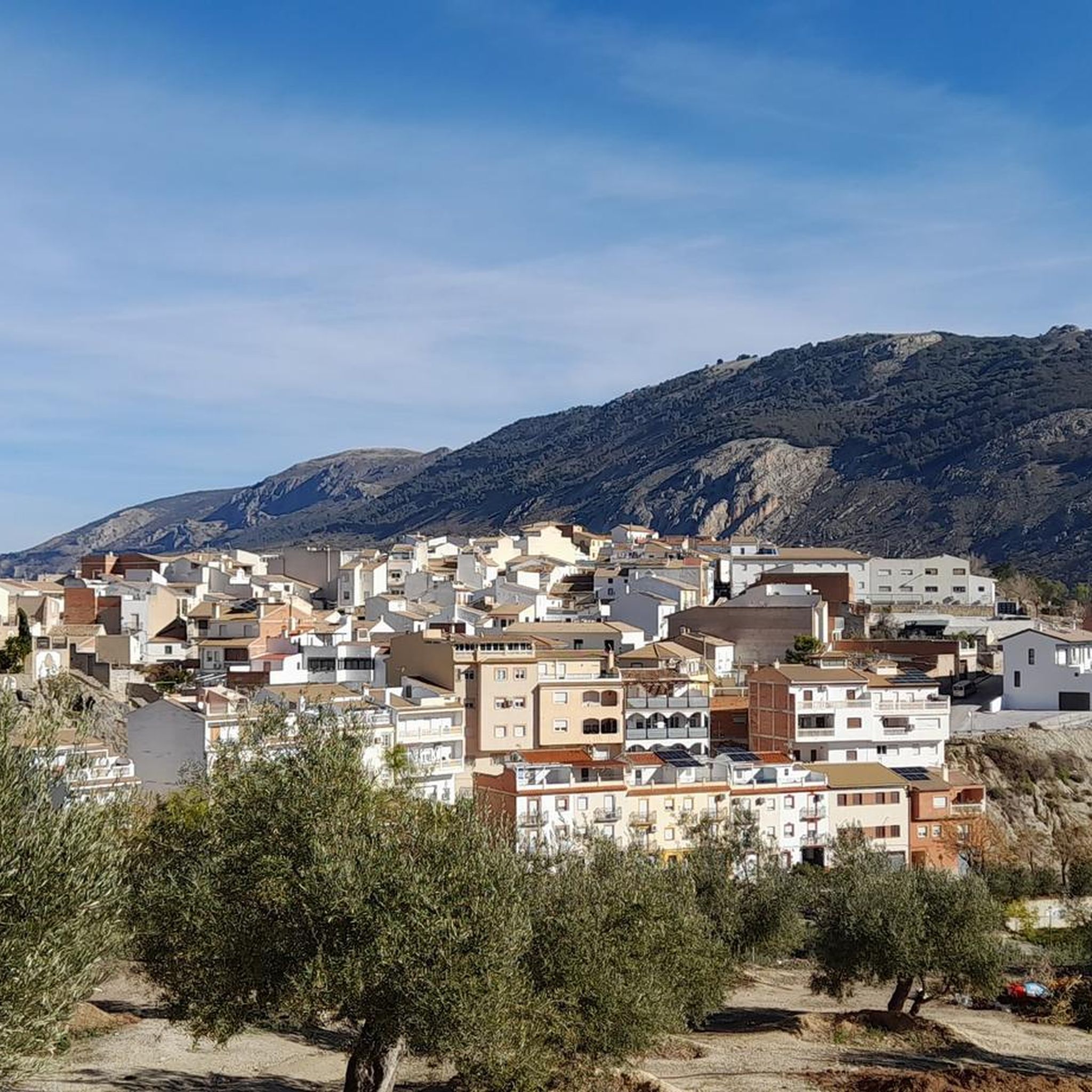
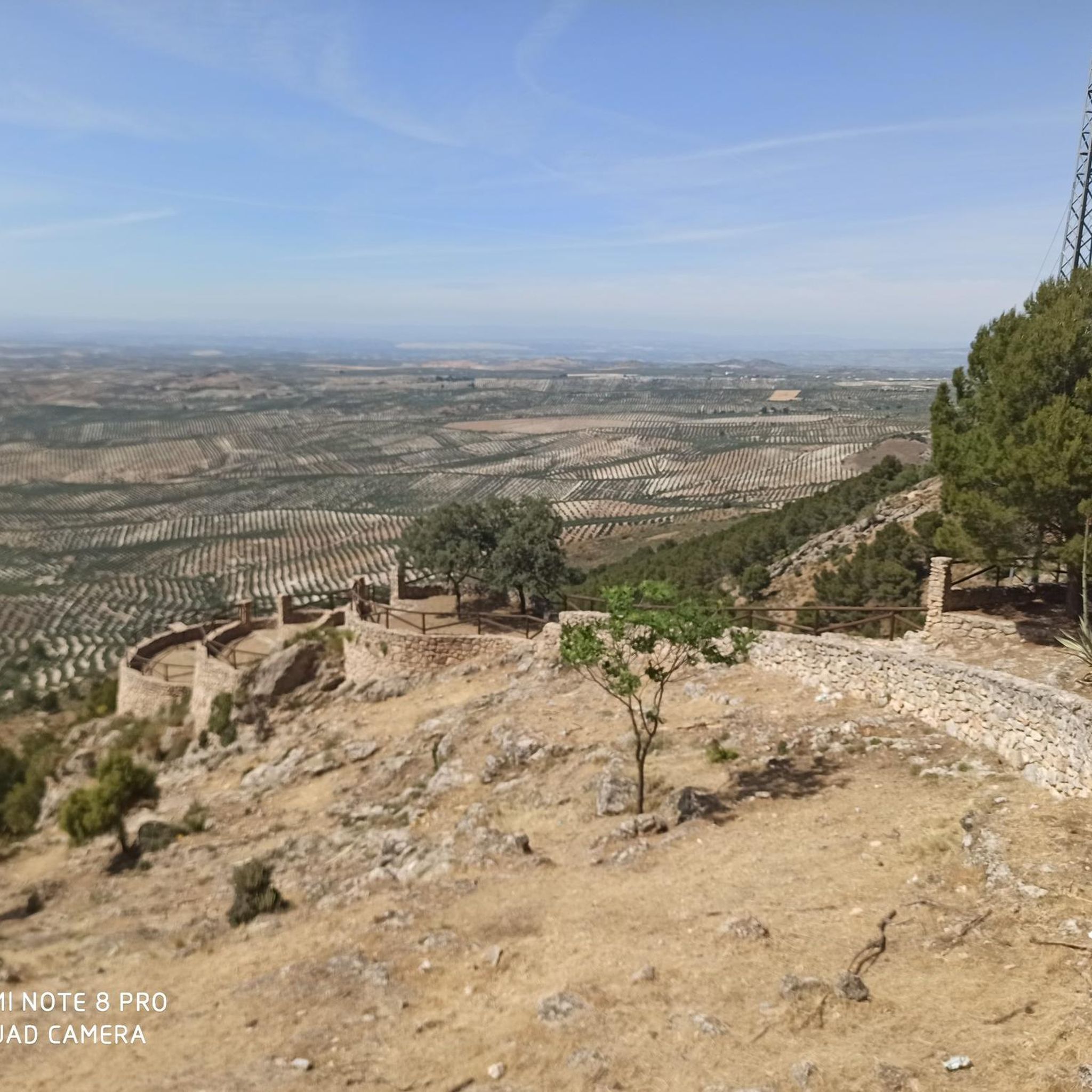
Together with the summit of Mágina, the Peña de Jaén is the two highest peaks in the province. The site itself is a natural paradise and is full of stories of shepherds who came with their flocks in search of pastures.
1
0

I loved it 😍🎈 "Where the earth touches the sky, there Mágina watches, eternal sentinel of the Holy Kingdom."
0
0
spectacular site, breathtaking views. The Peña de Jaén, Sentinel of the Lost Worlds The old shepherds of Sierra Mágina tell that, long before the Christian kings and the emirs of Granada dreamed of these lands, the Peña de Jaén was already a silent guardian between two worlds: that of man and that of the spirit. They say that, on full moon nights, the winds that lash its limestone walls are not mere breezes: they are the echoes of ancient invisible wars, where ghostly armies of Iberians and Romans crossed their weapons of light on the summit. That when the fog envelops the Peña, those who dare to walk its paths hear the gallop of invisible horses and fleetingly see broken flags waving in the void. For centuries, the Peña was a beacon for the border warriors: from its heights, Christian lookouts lit bonfires to warn of Moorish raids, and the Moors, in turn, used it as a last refuge when all was lost. It is said that whoever climbs the Peña alone on the coldest dawn of the year, and touches the oldest rock "a block detached near the summit", hears in their heart the cry of the old gods of the sierra, swearing to protect, as long as there are stars above Mágina, the secrets of a forgotten time. There, where the sky seems closer and the earth more eternal, the Peña de Jaén is not just stone: it is an oath, it is memory, it is a border between what was and what can still be.
1
1

Good views from the summit. There is no area to take shelter, so it must be taken into account in adverse weather conditions.
1
0

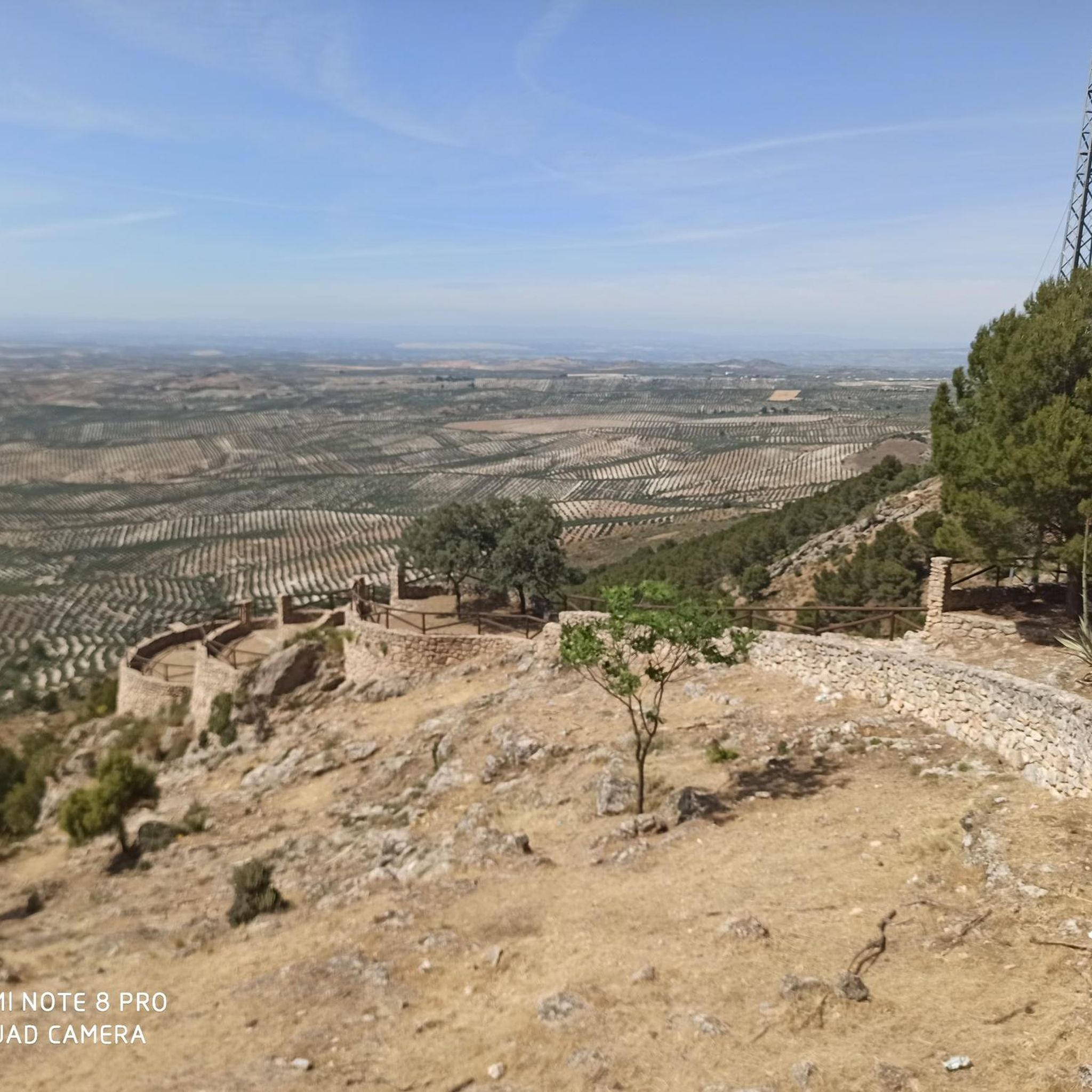
No one can imagine what is up there regarding the facilities that serve as a radio and television repeater. It is a true technical complex that until recently served as the residence of the workers who looked after and maintained the facilities. Today there is no one there. Cycling up to the top is rewarded with some of the most spectacular views that exist in Jaén
2
0

Climb above the tree line from Los Villares to reach one of Jaén's most famous climbs, La Pandera. Spectacular views of the surrounding landscape the entire way.
1
0
The top of the famous rise of the Pandera. Spectacular views of the surrounding landscape once the ascent to the Sierra de la Pandera is finished. Do not forget to breathe.
1
0

La Pandera with 1872 m of altitude is the highest point of the Sierra Sur de Jaén. At its summit is a military station.
2
0
Frequently Asked Questions
What are some of the most prominent mountain peaks near Pegalajar?
The region around Pegalajar, primarily within the Sierra Mágina Natural Park, features several notable peaks. These include Pico Mágina Summit (2,167 m), the highest peak in Jaén Province, and Almadén Summit Radio Repeater (2,078 m), offering extensive panoramic views. Closer to Pegalajar, you can explore the Sierra de la Serrezuela and La Pandera.
What makes Pico Mágina a significant peak to visit?
Pico Mágina Summit (2,167 m) is the highest peak in Jaén Province and the Sierra Mágina range. Its ascent is demanding but highly rewarding, offering extensive panoramic views across Jaén, Sierra Nevada, and the Guadalquivir Valley. The area is also known for its protected endemic flora, such as *Glandora nitida*, and wildlife like golden eagles and mountain goats.
What can I expect when visiting Pico Almadén?
Almadén Summit Radio Repeater (2,078 m) provides breathtaking 360-degree panoramic views of almost the entire Jaén province and even Sierra Nevada on clear days. The climb involves diverse terrains, from forest areas to open landscapes above the tree line. While a road leads to the summit, it's often deteriorated, making it more suitable for mountain biking or careful hiking.
Are there any accessible peaks directly near Pegalajar for local hikes?
Yes, the Sierra de la Serrezuela is located in the immediate vicinity of Pegalajar. It offers an accessible and spectacular circular route, ideal for hikers seeking a closer experience with beautiful views of the local natural environment and potentially the city of Jaén.
What kind of hiking trails can I find around Pegalajar's peaks?
The Sierra Mágina Natural Park, where many of Pegalajar's peaks are located, offers a range of hiking experiences. Trails vary from challenging ascents like those to Pico Mágina and Pico Almadén, which test endurance, to more moderate routes. You'll traverse diverse landscapes including olive groves, oak forests, and high-altitude rocky terrain. For specific running trails, you can explore options like the 'Sierrezuela de Pegalajar loop' or 'La Charca de Pegalajar loop' mentioned in the Running Trails around Pegalajar guide.
What is the best time of year to hike the mountain peaks near Pegalajar?
The Sierra Mágina Natural Park offers different experiences throughout the year. Spring (March-May) and autumn (September-November) are generally ideal for hiking, with pleasant temperatures and vibrant landscapes. In winter, higher peaks like Pico Mágina can experience snow and cold conditions, requiring appropriate gear. Summer can be very hot, so early morning hikes are recommended if visiting during this season.
What natural features can I observe in the Sierra Mágina Natural Park?
The Sierra Mágina Natural Park is characterized by its limestone massifs and diverse vegetation zones. You can observe a transition from lower-altitude olive, cherry, and almond trees to mid-mountain forests of oak, gall oak, and maple. Higher altitudes feature padded plants and Austrian pine. The park is also home to protected endemic flora, such as *Glandora nitida* and the *Viola cazorlensis*, and wildlife including golden eagles and mountain goats.
Are there any family-friendly hiking options around Pegalajar's peaks?
While some peaks like Pico Mágina are challenging, the broader area around Pegalajar and within the Sierra Mágina Natural Park offers more accessible routes. The Sierra de la Serrezuela provides a local, less arduous experience. For specific family-friendly activities, it's best to look for trails with moderate difficulty and shorter durations, often found at lower elevations or around natural features like La Charca de Pegalajar.
What other outdoor activities are available near the mountain peaks of Pegalajar?
Beyond hiking, the area around Pegalajar is excellent for cycling. You can find various routes for both touring and road cycling. For instance, the Cycling around Pegalajar guide features routes like the 'Lakeside View of Pegalajar – La Charca de Pegalajar loop'. Road cyclists might enjoy the 'Tour of the Sierra Mágina Natural Park' or the 'Puerto de Albanchez Loop' from the Road Cycling Routes around Pegalajar guide.
What are the views like from the mountain peaks around Pegalajar?
The mountain peaks around Pegalajar are renowned for their spectacular panoramic views. From Pico Mágina Summit (2,167 m), you can see across Jaén, neighboring provinces, and even Sierra Nevada. Almadén Summit Radio Repeater (2,078 m) also offers 360-degree vistas. Even lower peaks like the Sierra de la Serrezuela provide beautiful perspectives of the local landscape and the city of Jaén.
Are there any historical or cultural points of interest along the mountain routes?
Yes, along some routes, particularly on Pico Mágina, you can find traditional dry-stone constructions such as shepherds' huts and ancient snowfields. These structures offer a glimpse into the historical agricultural and pastoral practices of the region, adding a cultural dimension to the natural exploration.
What are the general terrain characteristics of the Sierra Mágina Natural Park?
The Sierra Mágina Natural Park is primarily characterized by its abrupt limestone massif. The terrain varies significantly with altitude, transitioning from cultivated areas at lower elevations to dense forests of oak and maple in the mid-mountains, and finally to rocky, high-altitude environments with specialized padded vegetation and some Austrian pine near the summits. This diversity makes for challenging yet rewarding exploration.
Most popular routes around Pegalajar
Most popular attractions around Pegalajar

Get inspired with the komoot mobile app


Explore more
See even more amazing summits around Pegalajar with these guides:
