The 5 Most Amazing Peaks around Torrijas
Best mountain peaks around Torrijas, a municipality in the province of Teruel, Spain, offer diverse natural landscapes. The region is characterized by its mountainous terrain, including the Sierra de Javalambre range. Visitors can explore various peaks and natural features, providing opportunities for outdoor activities. The area is known for its distinct vegetation and panoramic views.
Best mountain peaks around Torrijas
- The most popular mountain peak is Pico Javalambre, a summit that is 2019 meters high. It is considered the…
Last updated: November 3, 2026
Pico Javalambre
Highlight • Summit
Translated by Google •
Tip by

Alto de las Barracas or Cerro Calderón 1838m
Highlight • Summit
Translated by Google •
Tip by

Sign up now to discover places like this
Get recommendations on the best single tracks, peaks, & plenty of other exciting outdoor places.
Javalambre Astrophysical Observatory (Pico del Buitre)
Highlight • Monument
Translated by Google •
Tip by

Climb to Pico del Buitre from Arcos de las Salinas
Highlight (Segment) • Climb
Translated by Google •
Tip by
Start today with a free account
Your next adventure awaits.
Tips from the Community

The summit is 2019 meters high. The path is demanding, but it is worth the effort. The panoramic views of the surrounding mountains are like something out of a movie.
2
0


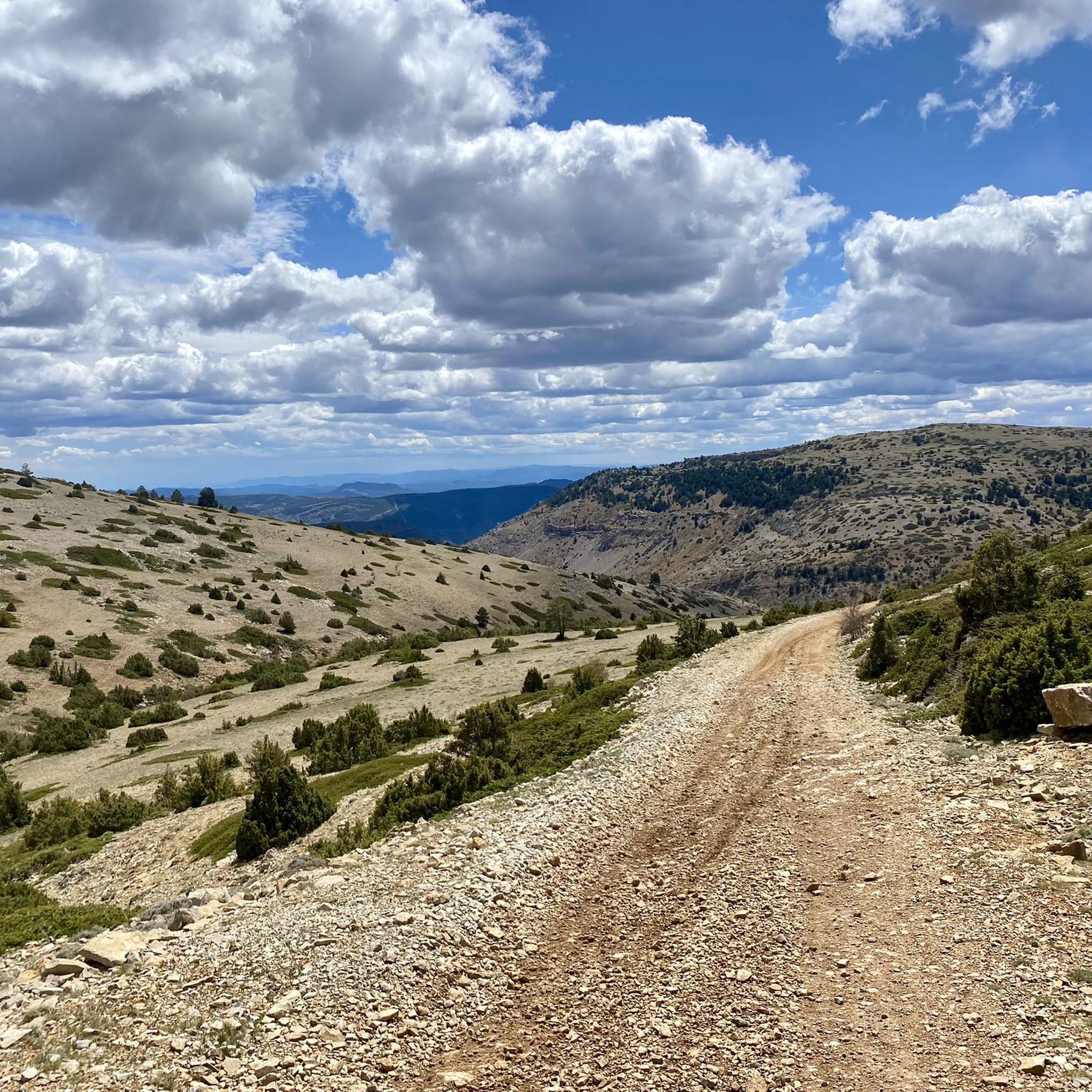
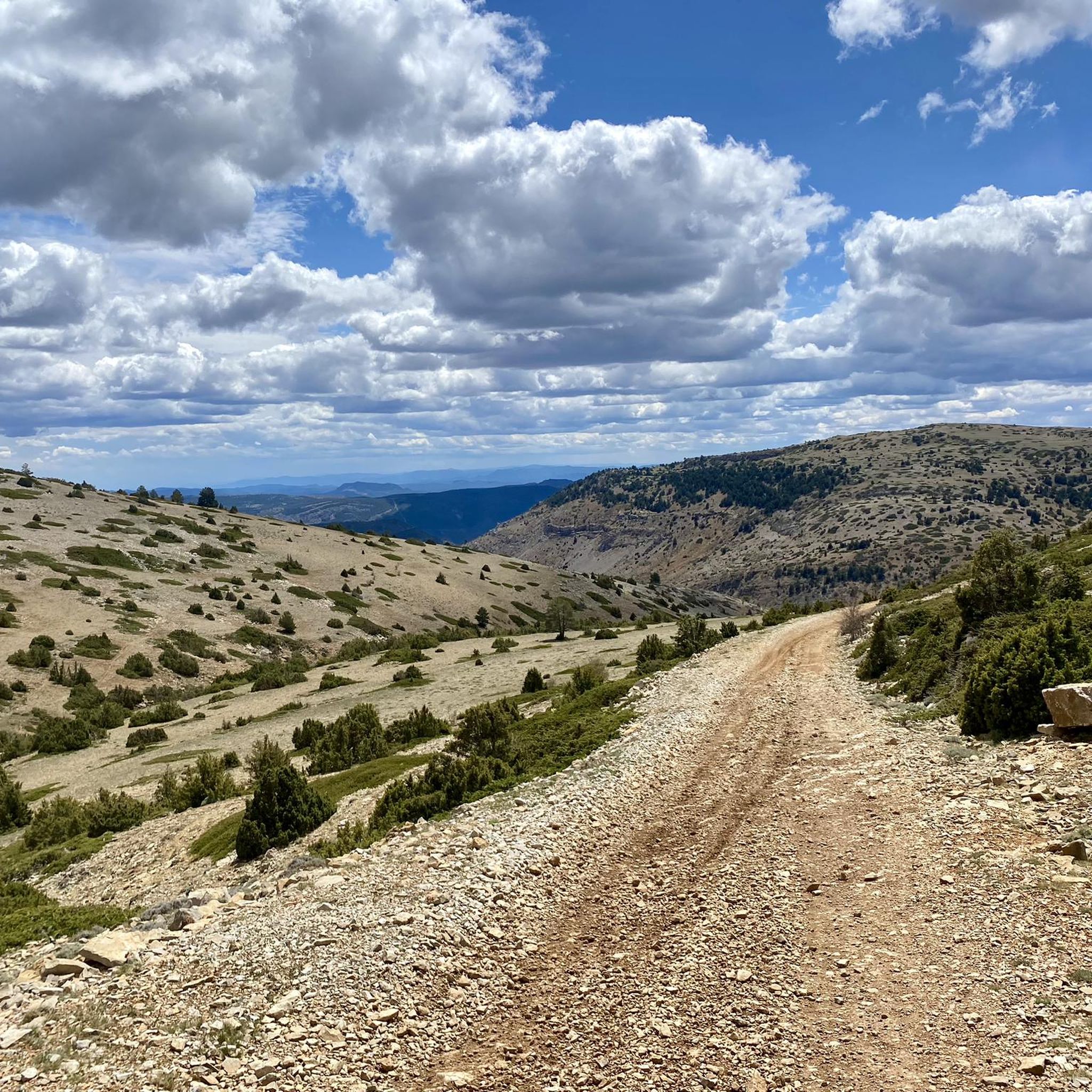
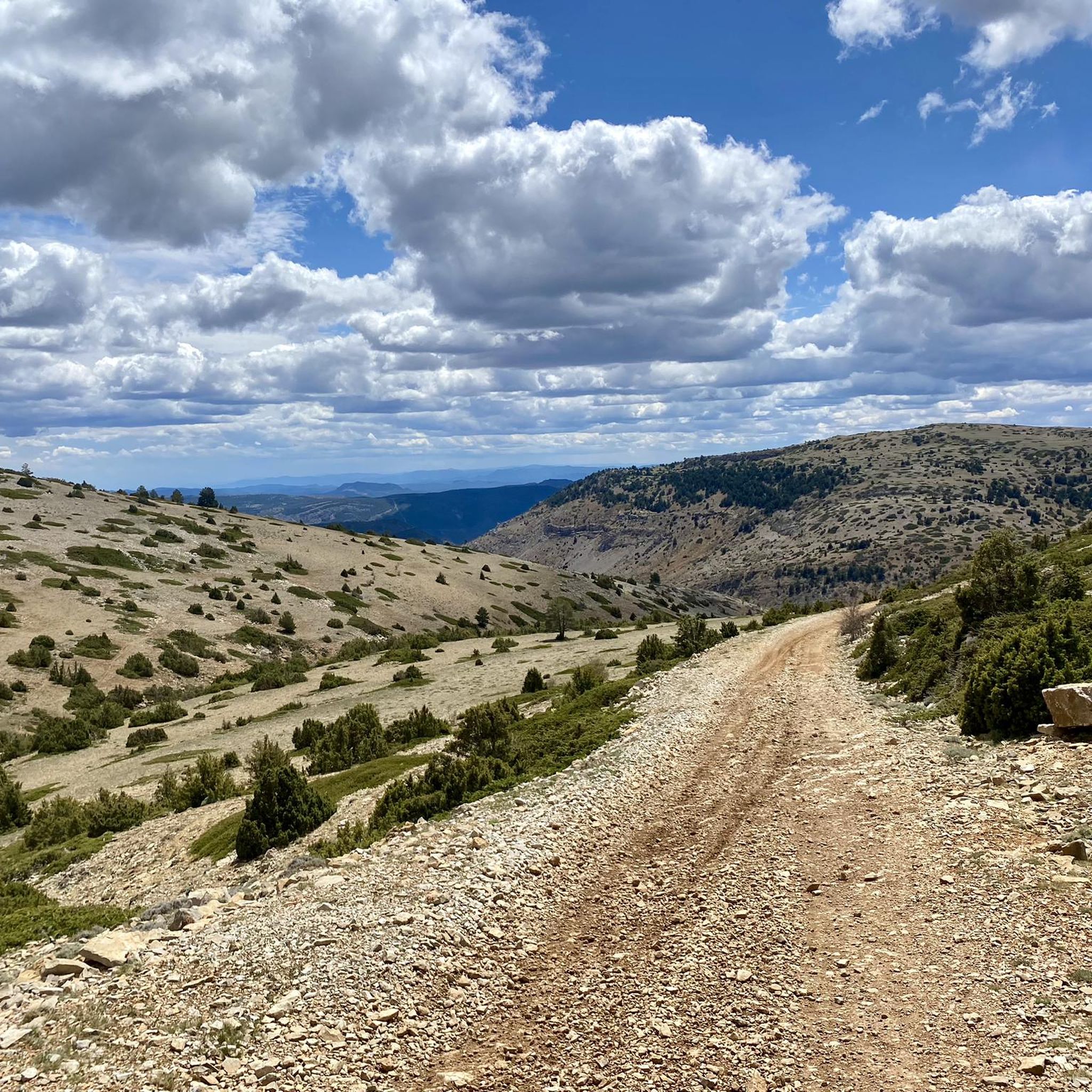
The final section of the climb to Alto de las Barracas (1,838 m) is not cyclable but it is easy to climb pushing the bicycle. The trail markings pass through the vertex and continue in the direction of Pino Vicente. White and yellow signs are painted on the limestone rocks and there are also stone milestones marking the way.
0
0

We are at Pico Javalambre at an altitude of 2,019 meters, considered a sacred mountain by many nature lovers and/or Turolenses. It is the highest peak of the mountain range that bears his name, it is considered by the majority of Teruel residents to be the roof of their province, although the true roof of Teruel is the top of Peñarroya. If we have the opportunity to climb here when there is no snow, we will be able to appreciate the so-called "leopard skin" caused by the vegetation on the entire surface of the massif, a work of art of nature!
2
0

The Javalambre Peak at 2,019 m is the highest in the mountain range that bears its name. It is considered by the majority of Teruel residents to be the roof of their province, although the true roof of Teruel is Peñarroya. At the top of Pico Javalambre, in addition to the enormous antenna that helps you orient yourself but destroys the landscape, there are other smaller antennas, apart from a track that reaches the same summit, some ski slopes next to it. All this spoils the beautiful surrounding landscape quite a bit.
1
0

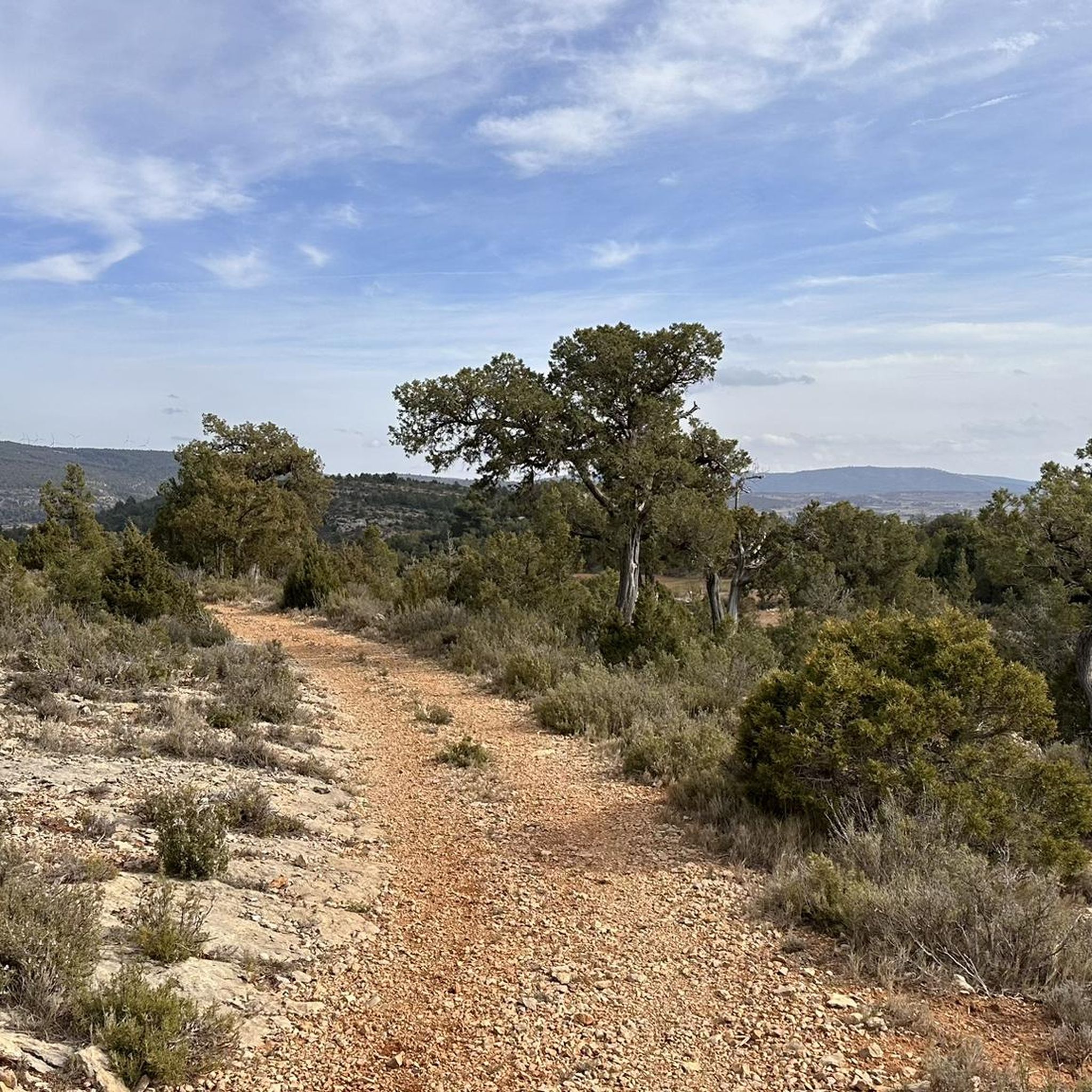
A very privileged site with amazing views on all sides, chosen by many athletes to challenge the demanding climb. The peak of Picón del Buitre is located at 1956 meters above sea level and was chosen to build the Astronomical Observatory given its remote location, altitude and low light pollution.
2
0
For many a sacred mountain and undoubtedly a reference of the province of Teruel. The top of Javalambre at 2019 masl offers very nice views in all directions. A few km away is the Javalmabre ski station, a very popular place in the winter season and from where you can start the ascent to the summit. If you go up here when there is no snow, you will be able to appreciate the curious "leopard skin" caused by the vegetation over the entire large area of the massif, a work of art of nature!
3
0
The top of Picón del Buitre at 1956 meters above sea level was chosen as the ideal site to build the Astronomical Observatory. Its remote location, altitude, and low light pollution from cities is all that is needed to be able to observe the stars at night. During the day it is a very privileged place with amazing views on all sides, chosen by many hikers and cyclists to challenge the demanding climb.
2
0
Frequently Asked Questions
Which are the most notable mountain peaks to explore around Torrijas?
The region around Torrijas features several significant peaks. Among them, Pico Javalambre stands out as the highest point of the Sierra de Javalambre, offering panoramic views. Another prominent peak is Alto de las Barracas or Cerro Calderón 1838m, which is the maximum height of Valencia. Additionally, the Javalambre Astrophysical Observatory (Pico del Buitre) is a popular destination, known for its demanding climb and exceptional views.
What unique natural features can I observe on the mountain peaks near Torrijas?
On Pico Javalambre, when there is no snow, you can observe the distinctive 'leopard skin' effect on the massif, caused by its unique vegetation. This natural phenomenon is often described as a 'work of art of nature' by locals. The area also provides stunning panoramic views of the surrounding mountains.
Are there challenging climbs for experienced hikers or cyclists in the Torrijas mountain region?
Yes, several peaks offer challenging ascents. The climb to Javalambre Astrophysical Observatory (Pico del Buitre) is known for being quite demanding, attracting many athletes. Similarly, reaching the summit of Pico Javalambre involves a demanding path, but rewards with spectacular panoramic views.
What kind of views can I expect from the mountain peaks around Torrijas?
The mountain peaks around Torrijas, particularly Pico Javalambre and Javalambre Astrophysical Observatory (Pico del Buitre), offer amazing panoramic views of the surrounding mountains and landscapes. The observatory, situated at 1956 meters above sea level, provides a privileged site with extensive vistas in all directions.
What outdoor activities can I do near these mountain peaks?
The region offers diverse outdoor activities. For hiking, you can explore routes like the 'Javalambre – circular from Javalambre Station via Rabadá y Navarro Refuge' or the 'Pico del Buitre Circular Trail'. Cyclists can enjoy challenging routes such as 'Empty Mountains - circular by Javalambre' or 'Pico Javalambre – Fuente de la Teja loop'. There are also running trails, including the 'Picón del Buitre - Astrophysical Observatory of Javalambre – circular trail run'. You can find more details on these activities in the Hiking around Torrijas, Cycling around Torrijas, and Running Trails around Torrijas guides.
Are there any shelters or refuges available for overnight stays in the Sierra de Javalambre?
Yes, within the Sierra de Javalambre, you can find the Refugio Collado del Buey at 1,720 meters. While not a peak itself, this minimalistic shelter provides basic protection from the weather and is considered a charming spot for an overnight stay for those exploring the mountains. Remember to bring your own water as there is no nearby spring.
What is the best time of year to visit the mountain peaks around Torrijas?
The best time to visit depends on your activity. To observe the unique 'leopard skin' vegetation on Pico Javalambre, it's ideal to visit when there is no snow. For challenging climbs like to the Javalambre Astrophysical Observatory, it's advisable to avoid the hottest hours in summer, as there is little shade at higher elevations. Generally, spring and autumn offer pleasant temperatures for hiking and cycling.
What should I pack for a hike to the mountain peaks in this region?
For demanding climbs, it's recommended to bring plenty of water, especially during warmer months, as shade can be scarce at higher altitudes. If you're cycling, consider a light gear development for the challenging ascents. Always check the weather forecast and pack appropriate layers, as mountain weather can change quickly.
Are there any easy or moderate hiking routes suitable for beginners near Torrijas?
Yes, there are routes with varying difficulty levels. For an easier option, consider the 'Torrijas - circular route on the Cholesterol Route'. A moderate choice is the 'Javalambre – circular from Javalambre Station via Rabadá y Navarro Refuge'. You can find more details on these and other hiking trails in the Hiking around Torrijas guide.
What makes the Javalambre Astrophysical Observatory a significant site?
The Javalambre Astrophysical Observatory (Pico del Buitre) was chosen for its remote location, high altitude (1956 meters above sea level), and minimal light pollution from cities, making it an ideal spot for observing stars at night. During the day, it offers incredible panoramic views, making it a popular destination for hikers and cyclists seeking a challenging ascent.
What do visitors appreciate most about the mountain peaks around Torrijas?
Visitors frequently praise the stunning panoramic views from summits like Pico Javalambre, often describing them as 'like something out of a movie'. The unique natural features, such as the 'leopard skin' landscapes, are also highly appreciated. Many enjoy the challenge of the demanding climbs and the sense of accomplishment from reaching the peaks.
Is there a peak that marks the highest point of Valencia in this area?
Yes, Alto de las Barracas or Cerro Calderón 1838m represents the maximum height of Valencia. The final section to the summit is easy to climb, making it accessible for many to reach this significant geographical point.
Most popular attractions around Torrijas

Get inspired with the komoot mobile app


Explore more
See even more amazing summits around Torrijas with these guides:
