Top 10 Castles around Tivissa
Best castles around Tivissa reveal a region rich in history, featuring remnants of medieval fortifications and ancient Iberian settlements. The area is strategically located, with sites often overlooking the Ebro river and controlling historical trade routes. Visitors can explore a diverse range of historical sites, from castle ruins integrated into modern town structures to ancient fortified communities. These locations offer insights into the region's past, from prehistoric times through medieval periods.
Best castles around Tivissa
- The most popular castles is…
Last updated: July 4, 2026
La Mola Castle, Colldejou
Highlight • Castle
Translated by Google •
Tip by

Sant Miquel d'Escornalbou Castle and Monastery
Highlight • Castle
Translated by Google •
Tip by

Sign up now to discover places like this
Get recommendations on the best single tracks, peaks, & plenty of other exciting outdoor places.
Sign up for free
Sant Jordi d'Alfama Castle
Highlight • Castle
Translated by Google •
Tip by

Miravet Castle
Highlight • Castle
Translated by Google •
Tip by

Escornalbou Castle-Monastery
Highlight (Segment) • Castle
Translated by Google •
Tip by

Sign up for free to discover even more castles around Tivissa.
Sign up for free
Already have an account?
Start today with a free account
Your next adventure awaits.
Login or Signup
Popular around Tivissa
From Cambrils to the Ebro Delta - Camí del Vent (GR 192)
A land of contrasts – Tarragona to the Pyrenees on the GR 7
Hiking around Tivissa
Road Cycling Routes around Tivissa
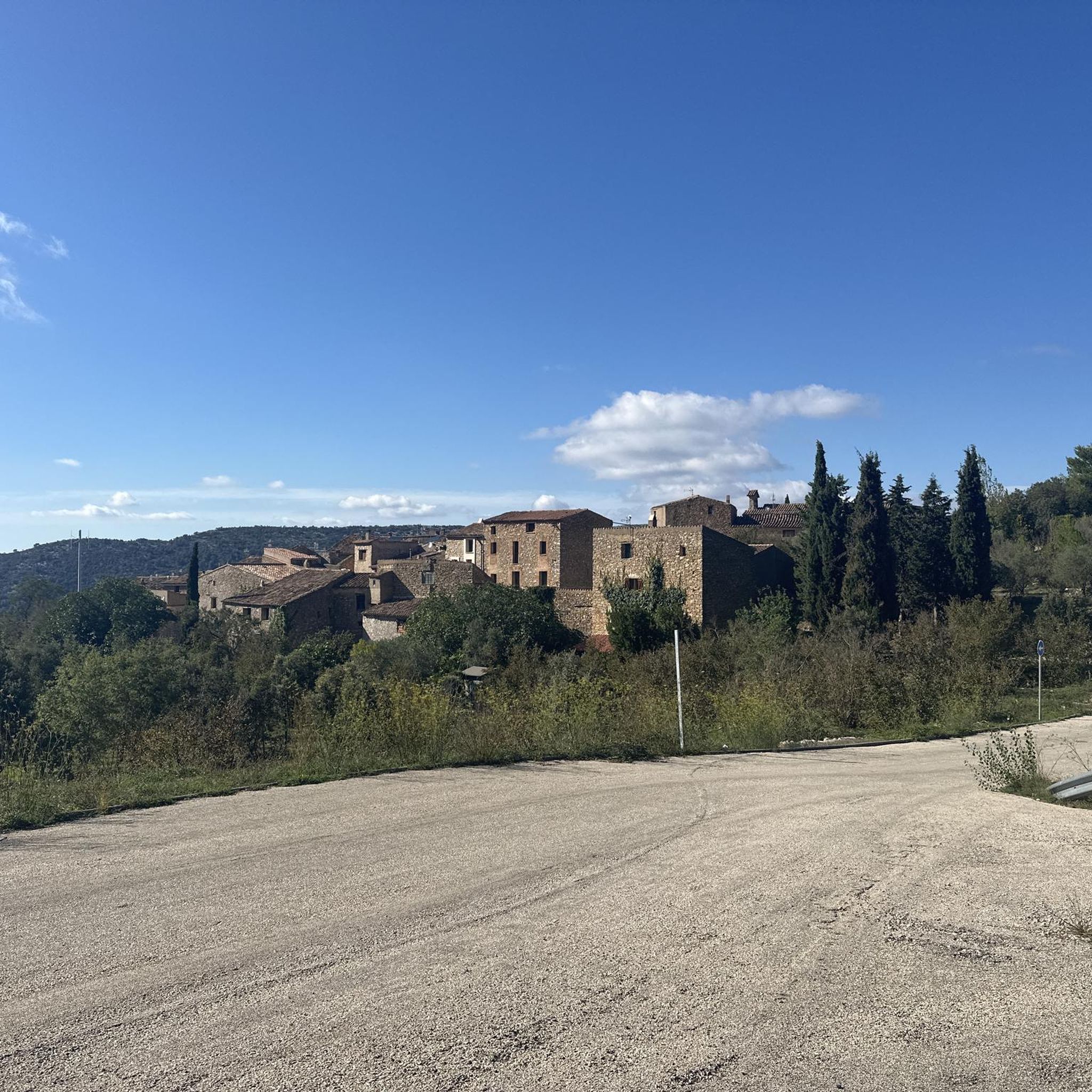
MTB Trails around Tivissa
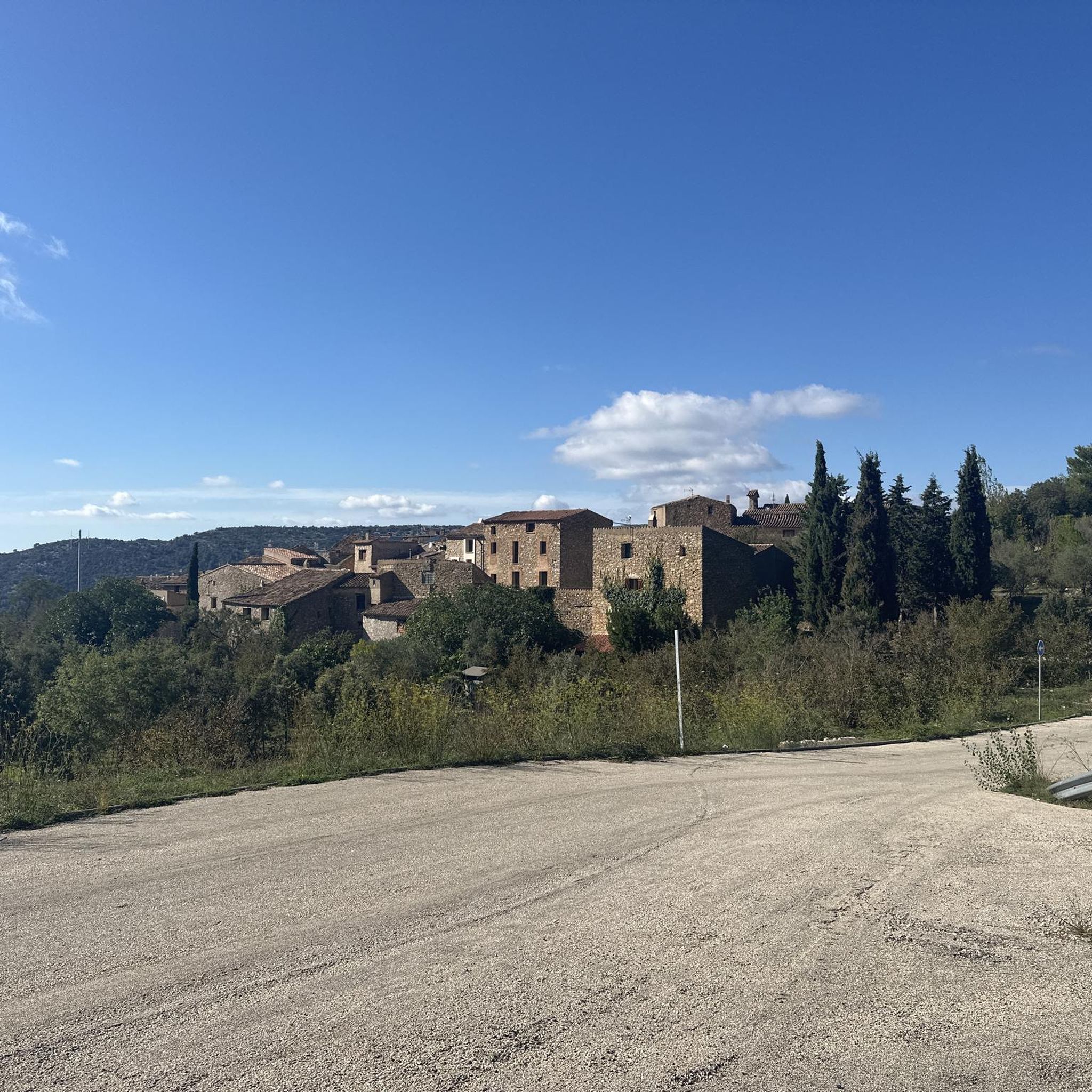
Running Trails around Tivissa
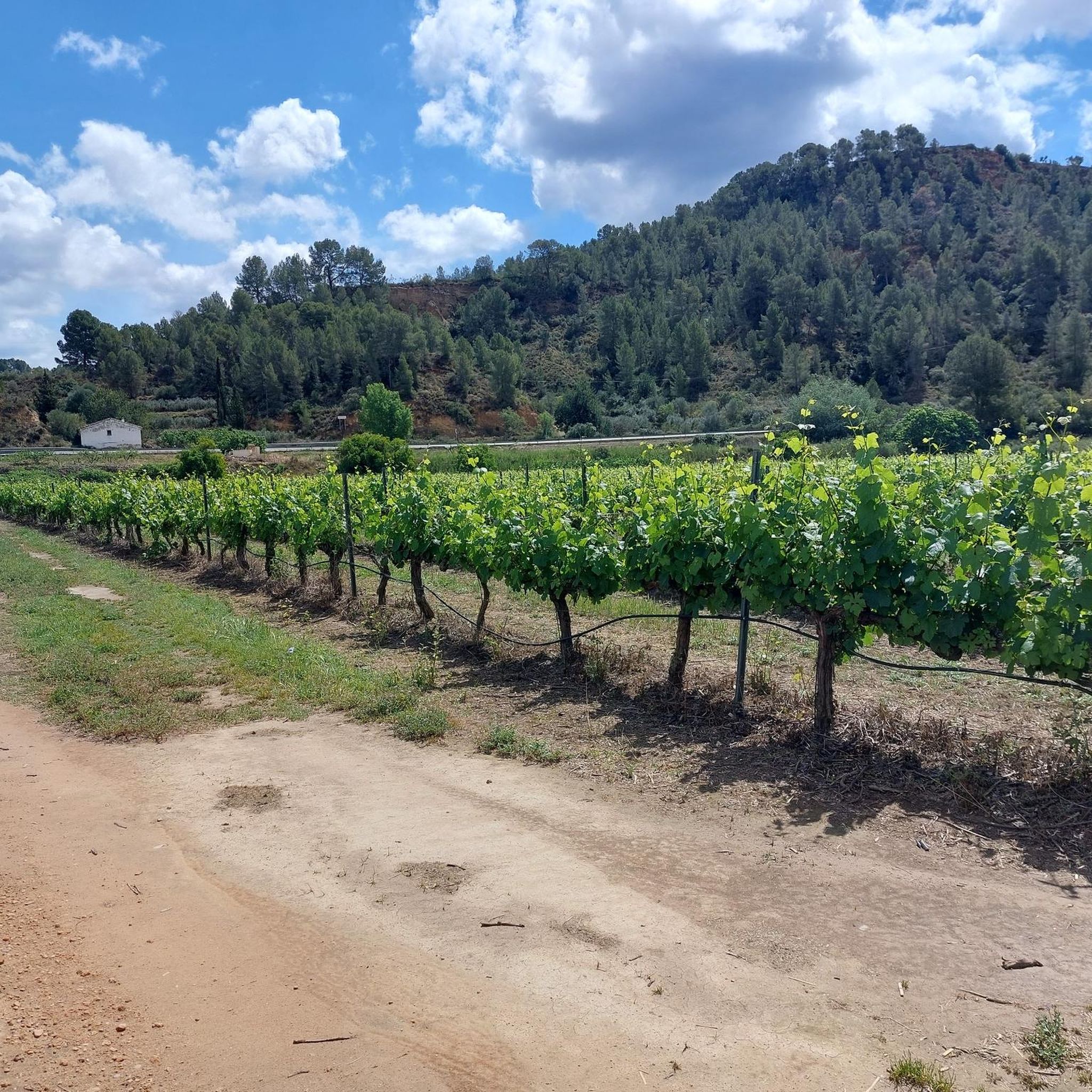
Cycling around Tivissa

Gravel biking around Tivissa

Mountain Hikes around Tivissa


Tips from the Community


Go better in off summer season
0
0

From up here you have a beautiful view.
0
0

Stately mansion from the early 20th century, made up of the remains of two medieval buildings, the Escornalbou monastery, founded in 1153, and the castle, built on the remains of a Roman fortress. For six centuries this architectural complex formed the barony of Escornalbou, but after the confiscation of Mendizabal it was practically in ruins. In 1911 it was acquired by the philanthropist, diplomat and writer Eduard Toda, who restored it following very personal criteria: some structures were demolished and towers were erected in an "exotic" medieval style. Of the old monastery, only the Romanesque church remains, remains of the chapter house and the structure of the cloister, converted into a viewpoint of the Camp de Tarragona region.
3
1

the panorama is brutal
0
0

The castle of Sant Jordi d'Alfama was built in the 13th century in order to defend the area from pirate attacks. Although it was almost completely destroyed in the 17th century, it was completely restored in the 18th century and now constitutes a beautiful historical place by the sea.
1
0

There would be three constructions that would be included under the name of Sant Jordi d'Alfama Castle, the old convent-castle, the modern fort and the optical tower, as all of them were of vital importance in coastal defense. Today we know as the castle of Sant Jordi d'Alfama the one that corresponds to the fortification built between the end of the 17th century and the 18th century according to the new fortification system of the French Marquis de Vauman, who modernized the defenses of this coast, replacing the 'old convent-castle of Sant Jordi d'Alfama that the Castilian troops shot down with cannons in 1650, during the Reapers' War, to prevent the French and Catalans from fortifying there, as the place was a place of forced passage, both by land and by sea. All that remains of the old medieval fortress-convent are fragments of the lower part of the walls and traces of others that would draw a plan adapted to the terrain. According to an inventory of 1576, it was a fortified body with a square plan (20 m side), centered by a courtyard around which were distributed the dormitory, the church and other typical dependencies of a convent (chapter, refectory... .). There was still a tower or watchtower that went up another four meters, reaching almost sixteen meters. At the end of the 17th century and the beginning of the 18th, the defense of this coastal area was rebuilt following the so-called Vauman system, the military fort of Sant Jordi d'Alfama was born, which we know today as Sant Jordi Castle. Two thick parallel walls, united frontally by another in the form of a rare arch and a fourth wall where the entrance is located, protected by two advanced wall lines, delimit a polygonal central courtyard surrounded by a lattice of towers, bulwarks and revells.
0
1

The castle of Miravet is a medieval fortress located on top of a hill in the municipal term of Miravet. The castle of Miravet rises on a large rock next to the Ebro river, from where it offers a great panorama of the town, as well as the region of the Ribera de Ebro, and the river.
2
0
Frequently Asked Questions
What historical sites can I explore in Tivissa beyond traditional castles?
Beyond the medieval structures, you can visit the Tivissa Castle remnants, which are now integrated into the town's Ayuntamiento (Town Hall) building, showcasing its historical evolution. Additionally, the Iberian Settlement of Castellet de Banyoles, located about five kilometers from Tivissa, offers a glimpse into ancient fortified communities and was the site where the 'Treasure of Tivissa' was discovered.
Which castles near Tivissa offer the most impressive views?
For spectacular panoramas, Miravet Castle stands on a hill dominating the Ebro river. Sant Miquel d'Escornalbou Castle and Monastery also provides a viewpoint over the Camp de Tarragona region. Sant Jordi d'Alfama Castle, located by the sea, offers beautiful historical views.
Are there any family-friendly castles to visit around Tivissa?
Yes, Sant Jordi d'Alfama Castle is categorized as family-friendly. Its historical significance and coastal location make it an enjoyable visit for all ages.
What kind of outdoor activities can I do near the castles around Tivissa?
The region offers a variety of outdoor activities. You can find numerous hiking trails, such as the 'Morral de Pena-Roja and Voltes de la Llena Trail' or the 'Llena Caves – View of Tivissa loop from Tivissa'. For more challenging adventures, there are mountaineering routes like the 'Mountaineering loop from Colldejou'. You can explore these and more in the Hiking around Tivissa or Mountain Hikes around Tivissa guides.
What is the best time of year to visit the castles and historical sites in the Tivissa region?
While specific seasonal recommendations are not provided, visiting during the off-summer season is often suggested for coastal sites like Sant Jordi d'Alfama Castle to avoid crowds and high temperatures. Spring and autumn generally offer pleasant weather for exploring historical sites and engaging in outdoor activities.
Are there any challenging hikes to castles near Tivissa?
Yes, La Mola Castle, Colldejou, offers a challenging hike with sections that require good condition and sturdy, non-slip footwear. The climb to Escornalbou Castle-Monastery also includes multiple ramps of 15%, making it a leg-breaker for cyclists and a strenuous climb for hikers.
What should I wear for walks and hikes to castles in the Tivissa area?
For challenging sections, such as those found near La Mola Castle, Colldejou, sturdy, non-slip footwear is highly recommended. Generally, comfortable walking shoes, weather-appropriate clothing, and sun protection are advisable for exploring the historical sites and trails in the region.
What makes the Iberian Settlement of Castellet de Banyoles significant?
Castellet de Banyoles is one of Catalonia's most important ancient Iberian settlements, established between the 4th and 6th centuries BC. It was a fortified community crucial for controlling trade routes and is famous for the discovery of the 'Treasure of Tivissa,' a unique collection of silver Iberian votive offerings.
Can I find any hidden gems or less-known historical sites around Tivissa?
While not a 'hidden gem' in the traditional sense, the remnants of the original Tivissa Castle, integrated into the modern town hall, offer a unique perspective on urban historical evolution. The nearby Castillo de Sant Blai also holds historical relevance as a fortified structure, though specific visitor details are less prominent.
What do visitors enjoy most about the castles and historical sites near Tivissa?
Visitors frequently highlight the spectacular views from fortresses like Miravet Castle and the rewarding nature of challenging hikes to sites such as La Mola Castle, Colldejou. The blend of rich history, architectural remnants, and natural beauty, often overlooking the Ebro river or the sea, is a major draw.
Are there any routes suitable for running near the castles?
Yes, there are several running trails around Tivissa. For example, you can find routes like 'Mola de ColldeJou - Circular route through the Sierra de Llaberia' or 'El Gegantó – la Tossa loop from Tivissa'. These are often challenging and offer a great way to experience the landscape. More details can be found in the Running Trails around Tivissa guide.
Most popular routes around Tivissa
Most popular attractions around Tivissa

Get inspired with the komoot mobile app


Explore more
Looking for the best castles somewhere else? Discover other guides around Tivissa:
