Top 6 Castles around Castellnou De Bages
Best castles around Castellnou De Bages offer a glimpse into the region's medieval past and provide extensive views of the surrounding landscape. The area is characterized by its historical fortifications, often situated on elevated positions overlooking the Llobregat valley. These sites provide a tangible link to centuries of history, from ancient watchtowers to more preserved structures. Visitors can explore the remnants of these castles, which are integral to the cultural heritage of Castellnou De Bages.
Best castles around Castellnou De…
Last updated: July 4, 2026
Castellnou Castle Tower
Highlight • Castle
Tip by

Balsareny Castle
Highlight • Castle
Translated by Google •
Tip by

Sign up now to discover places like this
Get recommendations on the best single tracks, peaks, & plenty of other exciting outdoor places.
Sign up for free
Torres de Fals
Highlight • Castle
Translated by Google •
Tip by

Torre Sagimona (La Torra)
Highlight • Historical Site
Translated by Google •
Tip by

Artés Castle
Highlight • Castle
Translated by Google •
Tip by

Sign up for free to discover even more castles around Castellnou De Bages.
Sign up for free
Already have an account?
Start today with a free account
Your next adventure awaits.
Login or Signup

Tips from the Community

On January 22, 1939, Franco's troops occupied the summit of Cal Xamal, where General García Valiño installed the major plain, and deployed to the upper part of Pla de Fals. Some rudimentary coats that the soldiers made to spend the night can still be found. On the morning of the 23rd, the soldiers began to advance through the Plan, surrounding the group of houses in the Raval d'Oliveres. A republican machine gun, installed at the top of La Torra (see photo above), fired, while another fired from the corner of the boulder. Artillery responded and destroyed part of the construction. The machine gunners withdrew in the direction of Manresa. On the other side of Pla de Fals, on an elevated point in Les Costetes, another machine gun was placed there, which killed a non-commissioned officer of the nationals. In retaliation, the machine gun soldiers were shot. The next day, the owner of Grauet found the bodies of seven soldiers, and a patrol hung them all together. Because the grave was shallow, animals and rains soon uncovered some of the remains, and even today scattered bones of the soldiers are found. Since then, the place has been known as the "Plan of the Dead".
0
0
The Sagimona Tower, also known as "La Torra", is a square-plan farmhouse, covered on four sides and with ridges parallel to the facades. Although it is probably a work of the 17th century, much reformed in the 18th century, it was built next to an old medieval tower of the 11th century. This tower was probably a keep of the neighboring castle of Fals, built to control access through the corner of Pla de Fals and to protect the path from Fals to Rajadell. The tower is cylindrical, with an external diameter of 5.85m and a height of 14.25 metres. Surely, the people of Torreda should acquire rights over the land that surrounded it until it became a prosperous farm, which made the construction of the farmhouse possible. A set of 10 tubs are located on the west side of the building.
0
0

The castle of Artés stands on a hill overlooking the town. It is a construction from the 12th-15th centuries, currently considered an Asset of National Interest. Much of the old castle is part of a farmhouse, but the bell tower of the church and other vestiges are still preserved.
1
0

Castle with good views of the valley
0
0

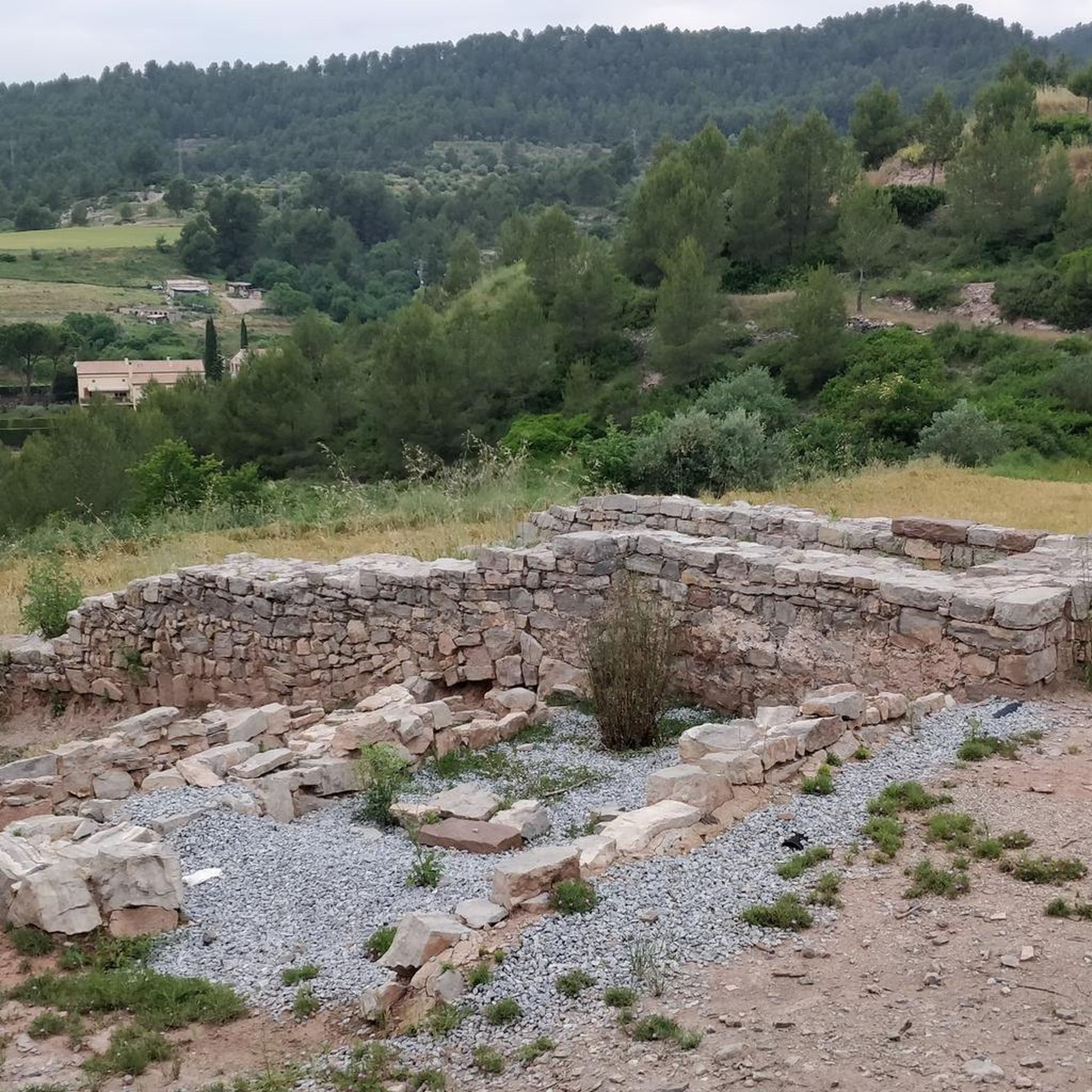
The Torres de Fals is a really interesting place. It is formed by the remains of the old castle of the town of Fals. There are two towers and a church separated from the town by a ravine.
0
0

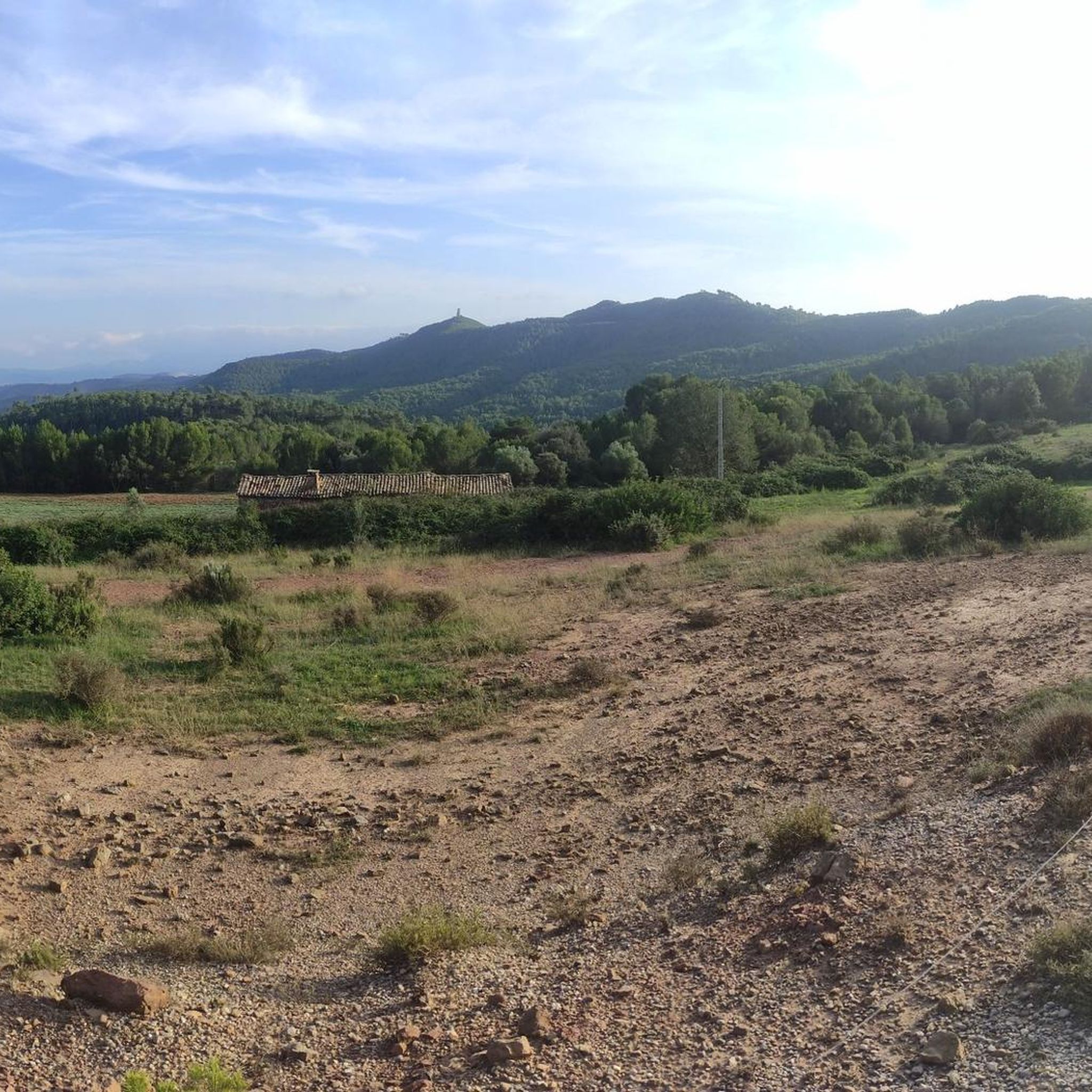
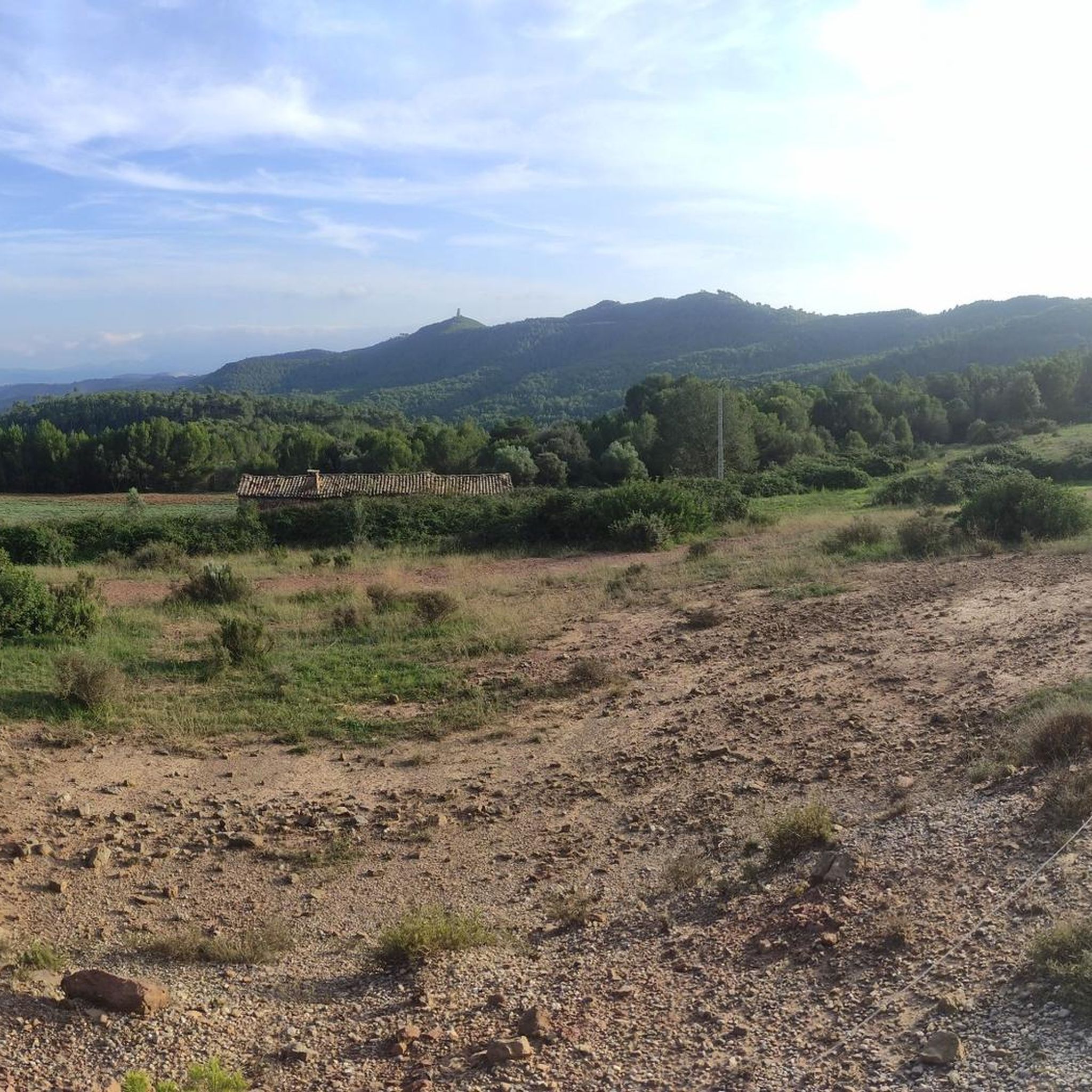
Castellnou Castle was a fortification from the middle of the 10th century. In 1346, King Jaime I gave it to the bishopric of Vic, together with the castle and the town of Sallent. Only a cylindrical tower remains of the old castle, a high watchtower over the Llobregat valley, in the eastern part of the Castellnou term.
0
0

© Balsareny Castle is located on a small hill that controls the Llobregat valley.
0
0
Frequently Asked Questions
What is the historical significance of the castles in Castellnou de Bages?
The castles in Castellnou de Bages, such as the Castellnou Castle Tower, are significant as medieval military fortifications. They served as frontier defenses and watchtowers, offering a tangible link to the region's past, particularly its role in controlling the Llobregat valley since the 10th century.
Which castles offer the best panoramic views of the Llobregat valley?
For extensive views, the Castellnou Castle Tower is an excellent choice. Situated as a high watchtower, it provides splendid natural balcony views that are said to stretch from the Pyrenees to Montserrat. Balsareny Castle also offers good views of the valley from its elevated position.
Are there any castles in the region that are particularly interesting for their unique features or legends?
The Castellnou Castle Tower, also known as "Torre dels Moros," is notable for its impressive cylindrical keep and the local legend of buried treasure and a secret underground passage. Another unique site is Torres de Fals, which features two towers and a church separated by a ravine, remnants of an old castle.
What kind of outdoor activities can I do near the castles?
You can combine your castle visits with various outdoor activities. For gravel biking, consider routes like the "Balsareny Castle – The Manresa canal loop from Navàs" which passes near Balsareny Castle. You can find more options in the Gravel biking around Castellnou De Bages guide, Road Cycling Routes around Castellnou De Bages, and MTB Trails around Castellnou De Bages.
Is it possible to visit the castles with children?
While specific family-friendly amenities vary, exploring the ruins of castles like the Castellnou Castle Tower can be an engaging historical adventure for children. The short walk to the tower from the parking area makes it accessible for families. The mystery and legends associated with some sites can also capture their imagination.
Are there any well-preserved castles or mostly ruins in the area?
The region features a mix. The Castellnou Castle Tower is primarily a ruin, with its cylindrical tower and remnants of walls still standing. Balsareny Castle is more preserved, offering a clearer picture of a medieval fortification. Artés Castle also has parts integrated into a farmhouse, with its bell tower and other vestiges preserved.
What is the best time of year to visit the castles around Castellnou de Bages?
Visiting during spring or autumn is generally recommended. The weather is milder, making it more comfortable for exploring the outdoor sites and enjoying the panoramic views without the intense heat of summer or the chill of winter. These seasons also offer pleasant conditions for combining castle visits with nearby hiking or cycling routes.
How accessible are the castles, particularly regarding parking?
For the Castellnou Castle Tower, an itinerary is available starting from the La Figuera urbanization, with clear signs guiding visitors to the tower, which is a short walk from a designated parking area. Accessibility for other castles may vary, but generally, many historical sites in the region are reachable by car with nearby parking options, followed by a walk.
Can I bring my dog to the castle sites?
Many outdoor historical sites and trails in the Castellnou de Bages region are dog-friendly, especially those that are open-air ruins or viewpoints. For instance, the walk to the Castellnou Castle Tower is suitable for dogs. However, it's always advisable to keep dogs on a leash and check specific regulations for any enclosed or privately owned castle areas before your visit.
Are there any lesser-known or 'hidden gem' castles worth exploring?
While not strictly a castle, the Torre Sagimona (La Torra) is a fascinating historical site. It's a square-plan farmhouse built next to an 11th-century medieval tower, likely a keep of the neighboring Fals castle. It offers a glimpse into both medieval defense and later rural life, with a rich local history including events from the Spanish Civil War.
What other historical sites are near the castles in Castellnou de Bages?
Beyond the castles, you can explore the historic center of Castellnou de Bages itself, which retains its character with scattered farmhouses and a Romanesque church. The Maquis Museum in Castellnou de Bages also provides insight into the history of resistance in the region, offering a broader historical context to your visit.
Most popular routes around Castellnou De Bages
Most popular attractions around Castellnou De Bages

Get inspired with the komoot mobile app


Explore more
Looking for the best castles somewhere else? Discover other guides around Castellnou De Bages:
