Top 9 Gorges around Collbató
Best canyons around Collbató are primarily characterized by the unique geological formations of the Montserrat Natural Park, including significant cave systems. The region features impressive karst scenery with limestone caves like the Coves del Salnitre, showcasing stalactites, stalagmites, and large chambers. Beyond these underground wonders, the area also offers several gorges and trails that provide diverse natural exploration opportunities. These features contribute to Collbató's appeal as a destination for natural exploration and historical interest.
Best canyons around Collbató
- The most…
Last updated: June 20, 2026
Pools of the Font dels Llaminers
Highlight • Gorge
Translated by Google •
Tip by

Trail below cliffs
Highlight • Trail
Translated by Google •
Tip by

Sign up now to discover places like this
Get recommendations on the best single tracks, peaks, & plenty of other exciting outdoor places.
Sign up for free
Canal dels Micos
Highlight (Segment) • Gorge
It is a narrow channel where we will have to overcome a …
Translated by Google •
Tip by

Canal de la Cadena
Highlight (Segment) • Climb
Mandatory step to ascend to Miranda dels Ecos on its western side.
It consists of two …
Translated by Google •
Tip by
Natural Bridge of the Torrent del Pont
Highlight • Natural Monument
It is the culmination of the …
Translated by Google •
Tip by
Sign up for free to discover even more gorges around Collbató.
Sign up for free
Already have an account?
Start today with a free account
Your next adventure awaits.
Login or Signup
Popular around Collbató
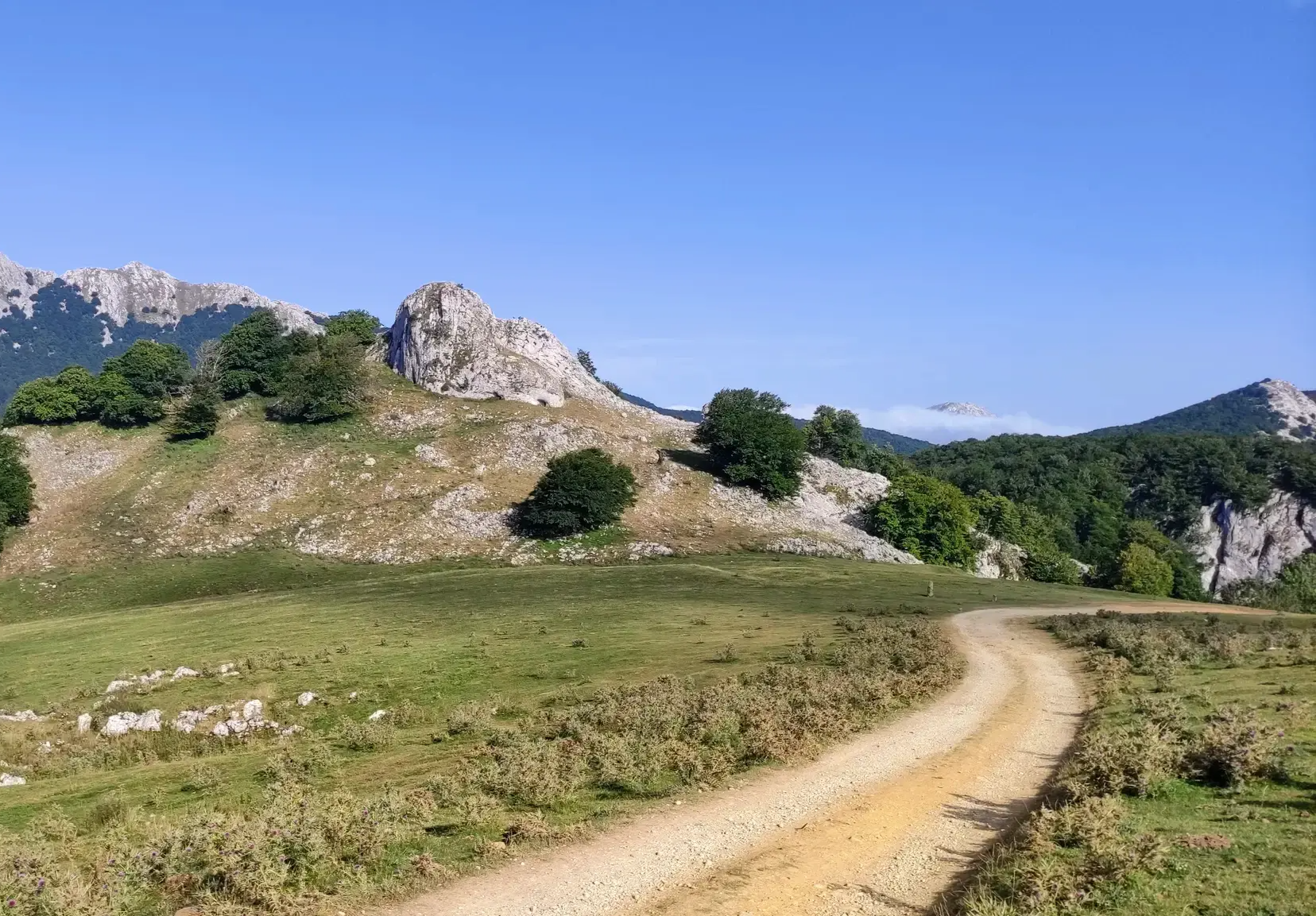
The Ignatian Way - In the footsteps of Ignatius of Loyola
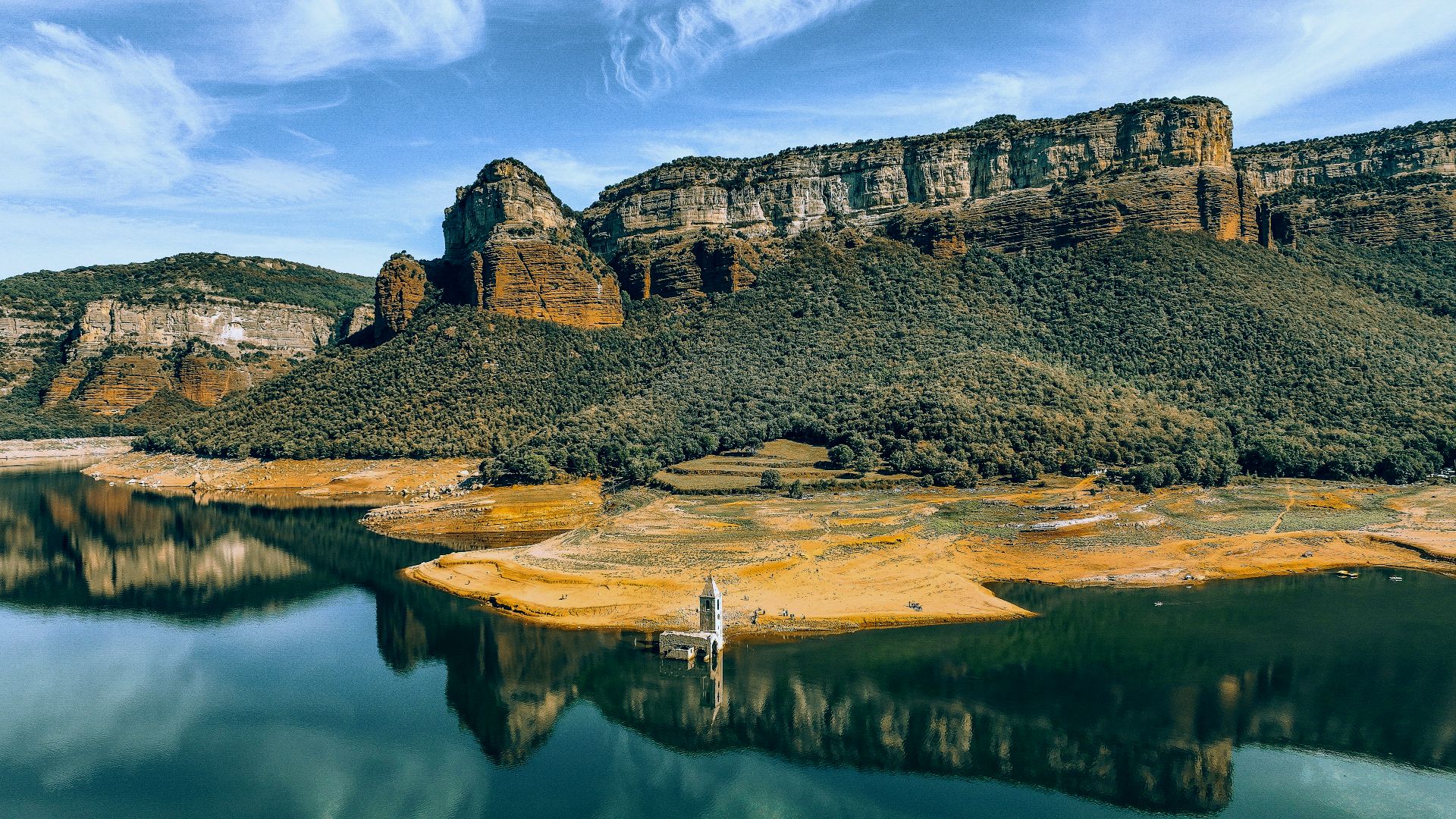
In the footsteps of the Catalan Romanesque – El Camino Oliba
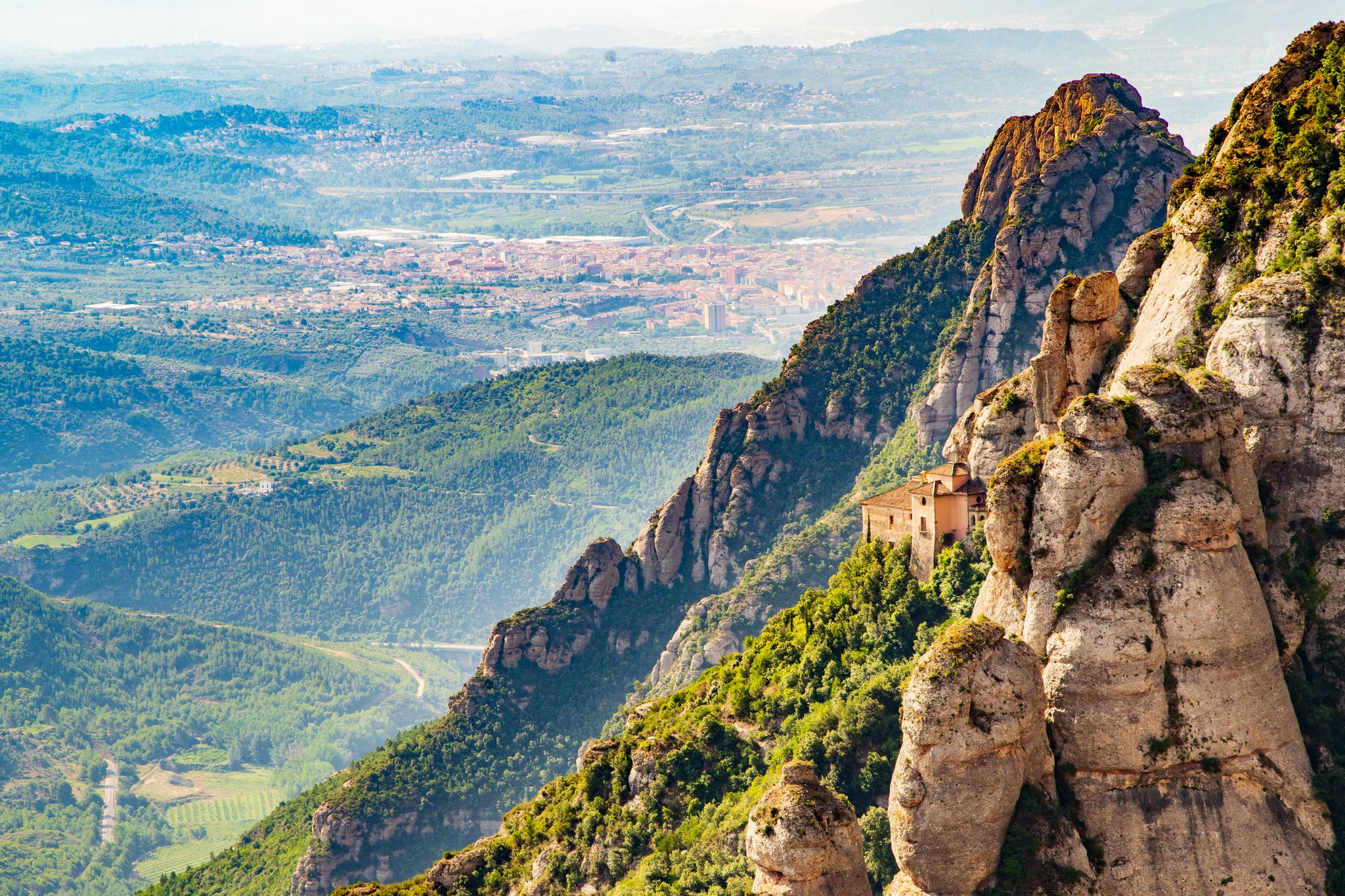
The Barcelona Arch – Natural Parks Trail (GR 5)
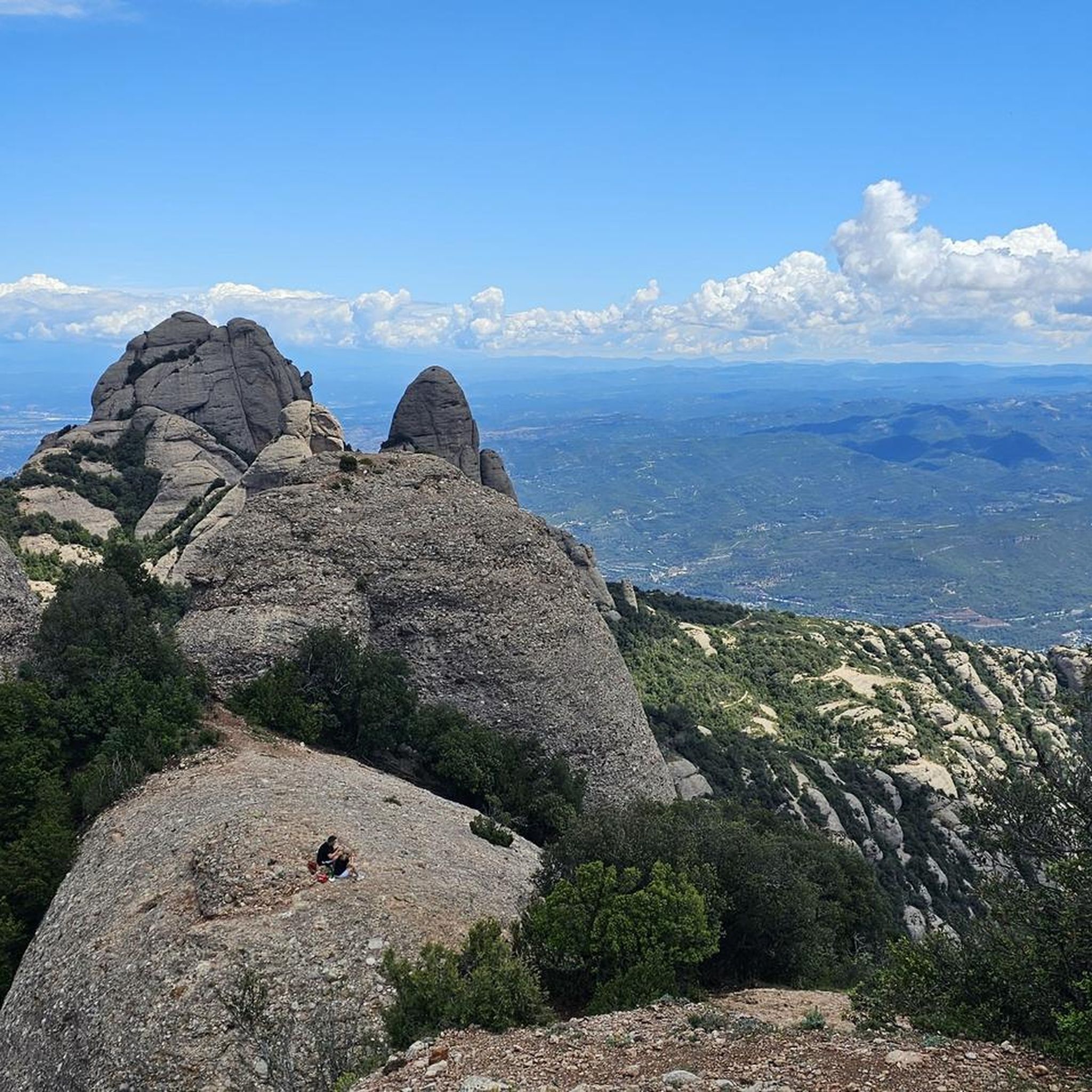
Hiking around Collbató
Road Cycling Routes around Collbató
MTB Trails around Collbató
Running Trails around Collbató
Cycling around Collbató
Mountain Hikes around Collbató
Gravel biking around Collbató


Tips from the Community


Very cool but you have to be in good shape
0
0


Nice section of path under the cliffs and then reaching a gorge where you can see water or even a waterfall if it has just rained
2
0

Channel that is between the Echo of Nubiola and the Miranda of the Echoes. Mandatory step to ascend to Miranda dels Ecos on its western side. It consists of two distinct parts: the upper part where the terrain is quite steep and the ground quite flat and with a good amount of loose stone between tree branches and bushes. Three sections of rope help a lot, whether you're going up or down. You have to be very careful because it is difficult not to drop a stone. In the lower part we find a wall lock of about 12 meters equipped with a chain and depending on the time the occasional rope added. It is necessary to assess the ability of each person to overcome this section with strength of arms, both uphill and downhill. Almost mandatory to wear a helmet if you go in a group, not to drop a stone is really difficult. It is recommended to bring a rope to secure those who have doubts or simply to rappel quietly.
1
0
The Canal dels Micos is part of the ascent to the Miranda dels Ecos on the eastern side. It is a narrow channel where we will have to overcome a first section where you have to place your feet alternately to be able to progress and a second part where the branches of a yew tree force us to make a monkey to be able to overcome it. Finally the channel is blocked and you have to go out on the right in a side pass where a cable as a handrail will give us enough confidence to get out of the channel. From this point we will continue the ascent through the Canal del Camell. We must not forget that we are in Montserrat, so those who are not used to exposed steps without securing it should take it easy. It is advisable to bring a 40 meter rope in case we want to rappel back and especially if we want to go down the Echos chain on the way back, about 12 meters quite vertical. It is highly recommended, if not mandatory, to wear a helmet to protect us from falling rocks, which is frequent in this area.
1
0
Frequently Asked Questions
What kind of natural features are referred to as 'canyons' in Collbató?
In Collbató, the term 'canyons' primarily refers to the impressive underground formations of the Coves del Salnitre (also known as the Montserrat Caves), which are limestone caves featuring spectacular speleothems. Additionally, the area offers several surface gorges and trails, such as the Trail below cliffs and Pools of the Font dels Llaminers, which are more traditional gorge-like features.
What are the most popular gorges or trails to explore around Collbató?
Among the most popular natural features are the Trail below cliffs, which offers a path under cliffs leading to a gorge with potential waterfalls after rain. Another highly regarded spot is the Sant Jeroni Channel, known for its challenging climb and stunning views. The Pools of the Font dels Llaminers are also a favorite, featuring a rocky platform with eroded channels where water flows after continuous rain.
What is the difficulty level of the gorges and trails around Collbató?
The difficulty varies. Many trails and gorges, like the Trail below cliffs and Pools of the Font dels Llaminers, are classified as intermediate. However, some, such as the Sant Jeroni Channel, Canal dels Micos, and Canal de la Cadena, are considered challenging and may require careful footing, or even ropes and helmets due to steep sections and potential for falling rocks.
Does the Collbató area have any historical or cultural significance related to its natural features?
Yes, the Coves del Salnitre have significant historical and cultural importance. Neolithic remains dating back to 4000 BC have been found within the caves, indicating ancient human habitation. Historically, the caves were used for extracting sodium nitrate (saltpetre). The famous architect Antoni Gaudí also drew inspiration from these caves for his architectural designs.
Is it possible to go canyoning directly in Collbató?
While Collbató is known for its caves and gorges, traditional outdoor canyoning experiences are typically offered by local operators and take place in other spectacular ravines within Catalonia, such as the Núria Ravine or Riu Glorieta Ravine in Alto Campo. These are true canyons featuring slides, jumps, and abseils, but they are not located directly in Collbató.
Are there family-friendly options for exploring the natural features around Collbató?
Yes, the Coves del Salnitre offer guided tours that are generally suitable for families. The tours last approximately one hour and cover a 500-meter route. While there are 244 exterior steps to reach the entrance and an additional 500 steps inside, the experience is educational and visually stunning. For surface exploration, some of the less challenging trails and viewpoints might also be suitable for families.
What is the best time of year to visit the canyons and caves in Collbató?
The Coves del Salnitre maintain a cool ambient temperature of 14ºC with 97% humidity year-round, making them a good option regardless of the season, though warm clothing is recommended. For surface gorges and trails, spring and autumn generally offer pleasant weather for hiking. If you are interested in traditional canyoning in nearby regions, summer is often ideal due to warmer water temperatures.
What should I know about accessibility for the Coves del Salnitre?
Access to the Coves del Salnitre involves climbing 244 exterior steps to reach the cave entrance. The guided tour inside includes an additional 500 steps along a 500-meter route. The interior temperature is a constant 14ºC with high humidity, so dressing in layers is advisable. The caves are easily accessible by road, and the entrance itself offers stunning views of the Montserrat massif.
What other outdoor activities can I do near the canyons and caves of Collbató?
The area around Collbató, particularly within the Montserrat Natural Park, offers a wide range of outdoor activities. You can find numerous hiking trails, including routes to Sant Jeroni Summit and the Montserrat Monastery. There are also running trails and road cycling routes that explore the scenic landscapes surrounding Collbató.
Are there specific hiking trails recommended near Collbató's natural attractions?
Yes, there are many excellent hiking opportunities. Popular routes include the challenging 'Montserrat: from the Monastery to Sant Jeroni – Circular route' and the 'Montserrat Monastery and Santa Cova Loop from Collbató'. For more options, you can explore the hiking guide for Collbató.
What do visitors particularly enjoy about the natural attractions around Collbató?
Visitors frequently highlight the stunning views from various points, especially from trails like the Sant Jeroni Channel. The unique geological formations within the Coves del Salnitre are also a major draw, offering a blend of natural wonder and historical insight. Many appreciate the diverse exploration opportunities, from accessible paths to challenging climbs, and the chance to see natural phenomena like intermittent springs and waterfalls after rain.
Most popular routes around Collbató
Most popular attractions around Collbató

Get inspired with the komoot mobile app


Explore more
Already discovered everything in this region? See additional gorges around Collbató for your next adventure:
