Top 7 Castles around Bellprat
Castles near Bellprat, Catalonia, are situated in a region characterized by its elevated terrain and historical significance. This area, part of the Anoia region, offers a landscape where medieval fortresses once played a crucial defensive role. The castles provide insights into Catalonia's past, with structures dating back to the 10th and 11th centuries. Visitors can explore ruins and preserved sections that offer panoramic views of the surrounding countryside.
Best castles around Bellprat
- The most popular castles is Queralt Castle Ruins…
Last updated: May 6, 2026
Sant Miquel de Montclar
Highlight • Religious Site
Translated by Google •
Tip by

Mas de Pontons
Highlight • Historical Site
Translated by Google •
Tip by

Sign up now to discover places like this
Get recommendations on the best single tracks, peaks, & plenty of other exciting outdoor places.
Sign up for free
Miralles Castle
Highlight • Castle
Tip by

Tossa and Montbui Castle
Highlight • Castle
Translated by Google •
Tip by

Queralt Castle Ruins
Highlight • Castle
Tip by
Sign up for free to discover even more castles around Bellprat.
Sign up for free
Already have an account?
Start today with a free account
Your next adventure awaits.
Login or Signup

Tips from the Community

There is a fountain in the square above
0
0

Hermitage that is located close to the mountain that bears the same name. The environment is beautiful to take a break and see the whole that surrounds it.
0
0
The Castell de Montbui, also called Castell de la Tossa or Castell de la Tossa de Montbui, is a castle located at the top of the Tossa de Montbui. From this point you can see impressive views of the entire Conca d'Òdena and one of the most mythical mountains in the area, Montserrat.
0
0
Miralles Castle is located at the top of the municipality of Santa Maria de Miralles. Its remains are on a hill in the Queralt and Miralles mountain ranges that dominate the upper valley of the Miralles stream. These ranges connect the towns of Santa Coloma de Queralt to La Poble de Claramunt.
0
0

Fortified farmhouse from the 16th century that currently functions as a wine and food tasting venue. It has a rectangular floor plan and is covered on all four sides, at the top of which there are four protruding sentry boxes, as well as burlap in different parts of its walls and a machicolation. Its portal has a voussoired semicircular arch and the windows are framed with worked and molded stone. It had a chapel, dedicated to Sant Miquel, consecrated in 1668 and later converted into a stable. Its origin seems to be in the disappeared old castle of Pontons, already in 1358 it was owned by Jaume d'Avinyò, known as "Cuadra del Mas de Pontons", being reformed in the 17th-18th centuries with its current appearance.
1
0

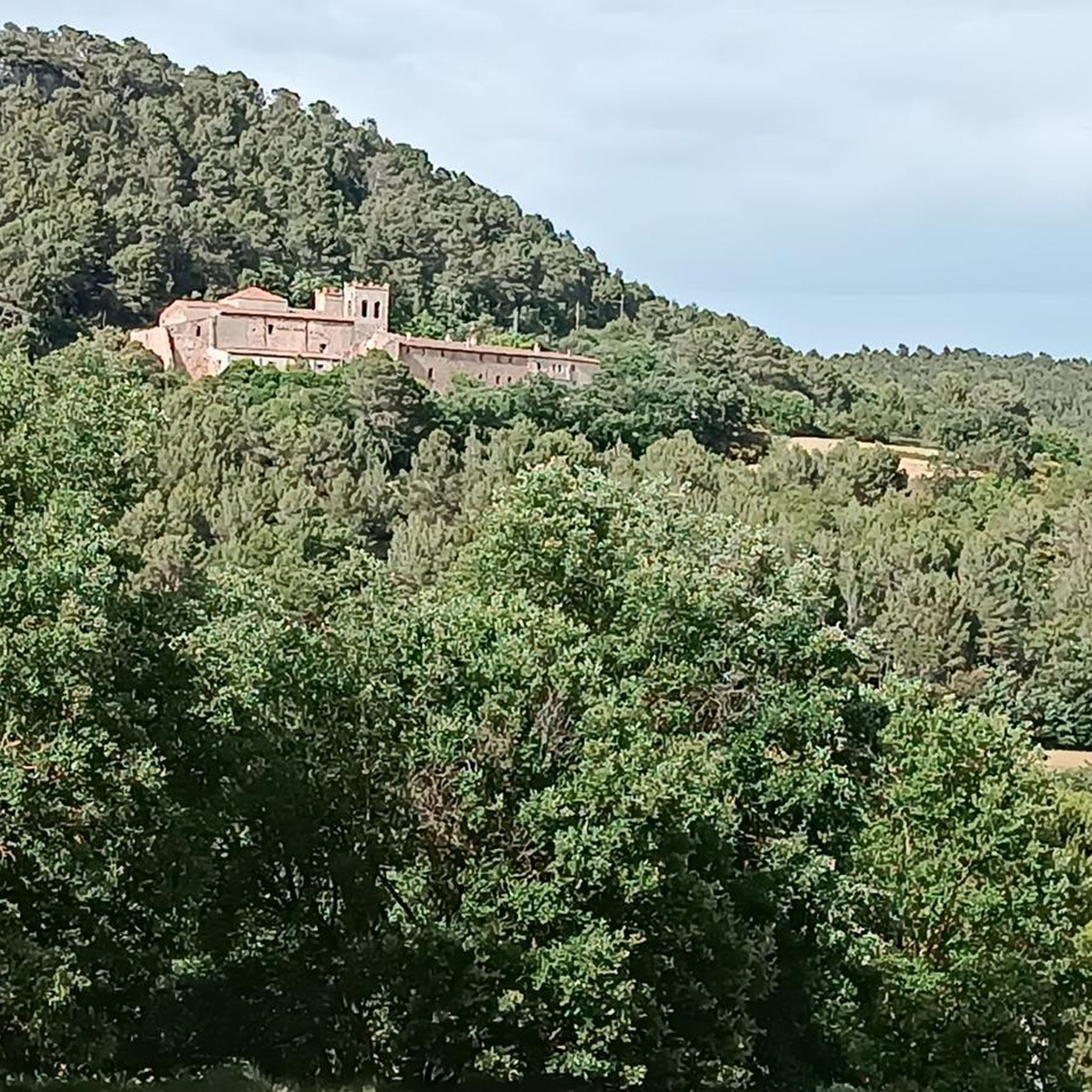
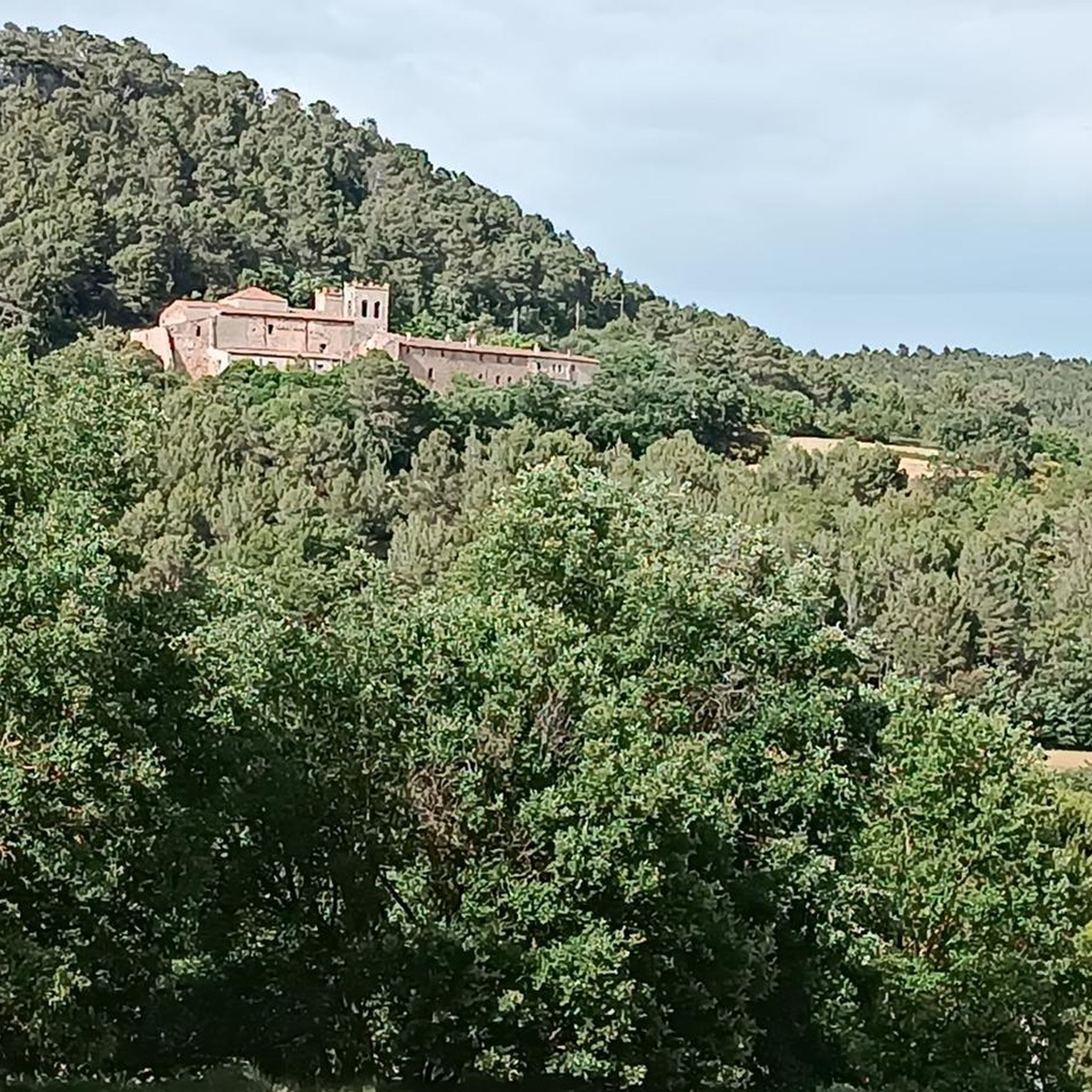
Small hermitage built with stone located at the top of the peak of Montclar. Next to it are the remains of the Montclar castle from where you get a great view of the Conca de Barberà and the Alt Camp.
2
0

Queralt Castle is a building in Bellprat (Anoia) declared a cultural asset of national interest. Nearby is the Church of Sant Jaume de Queralt, part of the Architectural Heritage of Catalonia Inventory. The most photogenic, however, is the remaining fragment of the Sant Miquel's chapel. The origins of the buildings are located in the IX-XI century. Accessible by car (from the road B-220), bicycle, on foot.
0
0
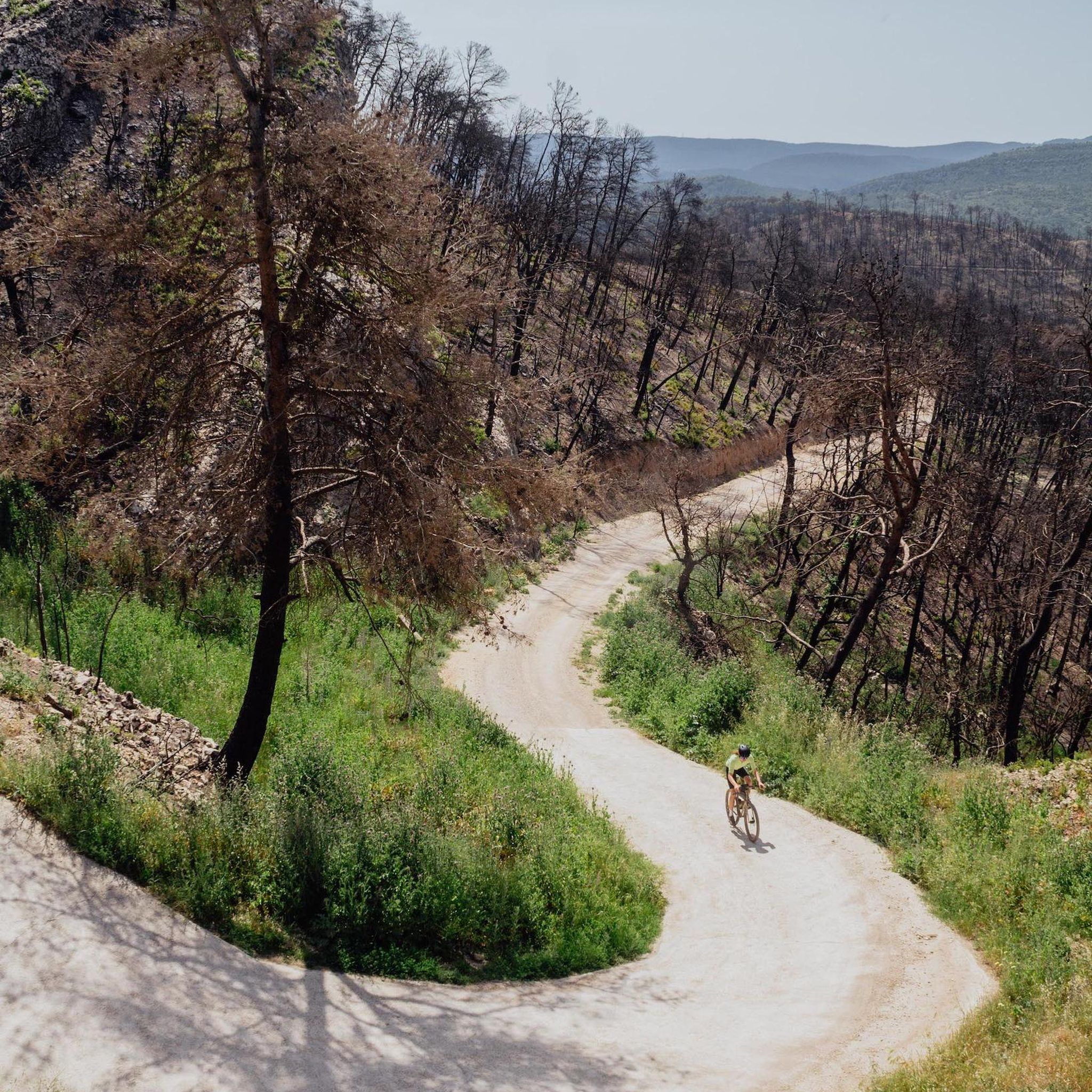
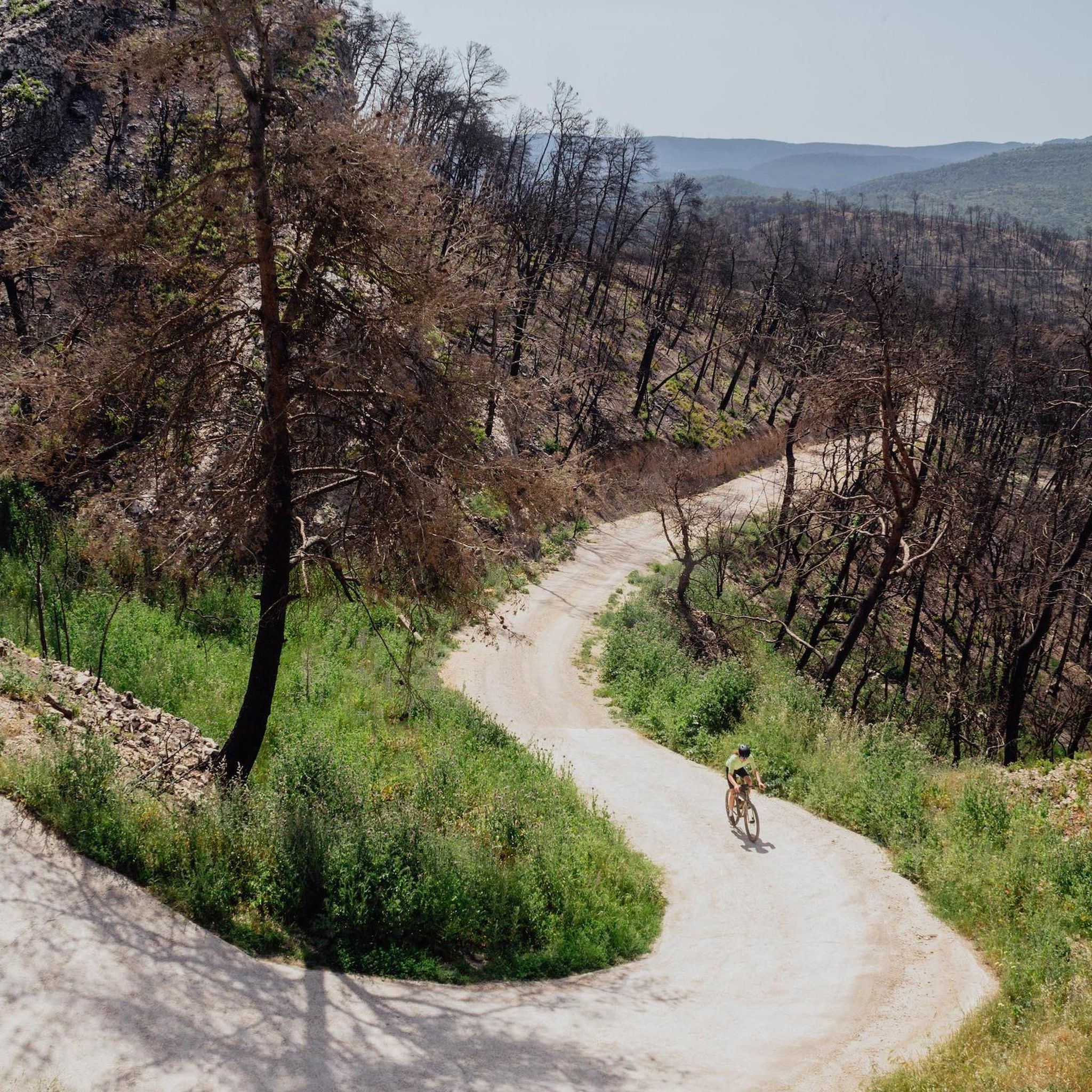
The ruins of the castle, the first time mentioned in the year 960. Except for the ruins, there is also a roman capel. A tower, part of the castle, has been converted into a viewpoint. The place is accessible from route C-37, Santa Maria de Miralles by car or road bike, also accessible from the side of the mountains by feet or MTB.
1
0
Frequently Asked Questions
What is the historical significance of castles in Bellprat?
The castles around Bellprat, such as the Castell de Queralt, served as crucial defensive points in medieval Catalonia. Dating back to the 10th and 11th centuries, these fortresses controlled territories and marked the border with Moorish lands, reflecting their strategic importance in the region's history. They offer a tangible connection to the area's past as a stronghold.
Which castles offer the best panoramic views around Bellprat?
Several castles provide excellent views. The Castell de Queralt, perched on elevated terrain, offers panoramic vistas of the surrounding landscape. Similarly, Sant Miquel de Montclar, located at the top of Montclar peak, provides great views of the Conca de Barberà and Alt Camp. The tower of Miralles Castle has also been converted into a viewpoint.
Are there hiking trails to the castles near Bellprat?
Yes, there are several hiking opportunities. For instance, Miralles Castle is accessible by foot from the mountainside. You can find various running and cycling routes in the area that pass by or near these historical sites. Explore options like the "Castillo de Miralles y L'Aubereda" route on the Running Trails around Bellprat guide.
What is the difficulty level of walks to the castles around Bellprat?
The difficulty varies. Some castles, like the Castell de Queralt, require some climbing to explore due to their elevated positions. Many of the nearby routes, such as the "Castillo de Miralles y L'Aubereda" running trail, are rated as 'difficult', while others like the "Gaià River Mills loop" are 'moderate'. It's advisable to check the specific route details on komoot for accurate difficulty ratings.
Are there family-friendly castles or activities near Bellprat?
While specific 'family-friendly' categories aren't always listed, the historical and scenic nature of the castles can be engaging for families. Exploring the ruins of Castell de Queralt or the viewpoint at Miralles Castle can be an adventure. Local residents sometimes participate in medieval reenactment events at Castell de Queralt, which could be a unique experience if timed right.
What outdoor activities can I do near the castles around Bellprat?
The region offers a variety of outdoor activities. You can enjoy running on trails like the "Castillo de Miralles y L'Aubereda" or "Roca del Frare – Puig Castellar Summit loop" found in the Running Trails around Bellprat guide. Road cycling and general cycling routes are also popular, with options like the "Santa Coloma de Queralt – Plaça Major loop" available in the Road Cycling Routes around Bellprat and Cycling around Bellprat guides.
What is the best time of year to visit the castles near Bellprat?
Given the outdoor nature of exploring these castles and their surrounding trails, spring and autumn generally offer the most pleasant weather for visits. Temperatures are milder, making hiking and exploring the ruins more comfortable than in the heat of summer or the colder, potentially wetter, winter months.
Are there any unique historical sites besides castles in the Bellprat area?
Yes, beyond the traditional castles, you can find other historically significant structures. For example, Mas de Pontons is a fortified farmhouse from the 16th century that has been reformed and now functions as a wine and food tasting venue. It showcases a different aspect of the region's historical architecture.
What should I pack for a visit to the castles and trails around Bellprat?
For exploring the castles and nearby trails, it's recommended to pack comfortable walking shoes suitable for uneven terrain, water, and sun protection (hat, sunscreen) especially during warmer months. Layers of clothing are advisable as weather can change, and a camera to capture the scenic views is a must.
Are there any places to eat or drink near the castles?
While the castles themselves are historical sites, some nearby locations offer amenities. Mas de Pontons, a fortified farmhouse, currently functions as a wine and food tasting venue. For other options, you might find cafes and restaurants in the nearby towns, which are often mentioned in local tourism information.
What do visitors enjoy most about the castles around Bellprat?
Visitors particularly appreciate the historical depth and the stunning panoramic views offered by these ancient sites. The opportunity to connect with medieval Catalonia's defensive past, coupled with the natural beauty of the elevated landscapes, makes for a memorable experience. The ruins and preserved sections provide a unique glimpse into history.
Is public transport available to reach the castles in Bellprat?
Access to many of these castles, especially those on elevated terrain like Castell de Queralt, is often via local roads. While some sites are accessible by car or bicycle, direct public transport links to the castle ruins themselves might be limited. It's generally recommended to use a car or bicycle, or plan for a hike from a nearby town.
Most popular routes around Bellprat
Most popular attractions around Bellprat

Get inspired with the komoot mobile app


Explore more
Looking for the best castles somewhere else? Discover other guides around Bellprat:
