Top 8 Lakes around Bigues i Riells del Fai
Best lakes around Bigues i Riells del Fai are found within the Vallès Oriental region of Catalonia, Spain, an area characterized by its natural environment, forests, and water features. While traditional large lakes are not prominent, the region offers reservoirs, artificial ponds, and natural pools formed by rivers. These water bodies, alongside rivers and waterfalls, provide opportunities for hiking and experiencing the natural landscape. The area is notable for its diverse aquatic environments, including those within the Sant Miquel del…
Last updated: July 3, 2026
Vallforners Reservoir
Highlight • Lake
Translated by Google •
Tip by

Lake at Parc del Falgar i la Verneda
Highlight • Lake
Translated by Google •
Tip by
Sign up now to discover places like this
Get recommendations on the best single tracks, peaks, & plenty of other exciting outdoor places.
Sign up for free
La Garriga Golf Course
Highlight (Segment) • Structure
Translated by Google •
Tip by

Can Dunyó Pond
Highlight • Lake
Translated by Google •
Tip by

View of the Montseny Reservoir
Highlight • Viewpoint
Translated by Google •
Tip by

Sign up for free to discover even more lakes around Bigues i Riells del Fai.
Sign up for free
Already have an account?
Start today with a free account
Your next adventure awaits.
Login or Signup

Tips from the Community

It was built between 1920 and 1935 to supply a hotel that never quite lived up to expectations. Interestingly, it was conceived as a luxury tourism destination but ended up becoming part of a nature reserve. Today, it's a popular spot on hiking and biking routes, although the terrain isn't easy: lots of roots, rocks, and waterlogged areas after rain. The reservoir dries up considerably in summer, completely transforming the landscape and revealing mudflats and a rocky bottom. It's one of those places where the water level rises and falls as it pleases, giving it character. It's not ideal for cyclists, but it is photogenic, secluded, and has the feel of a place that holds a secret.
0
0
Beyond the green and open route that everyone knows, this space occupies old areas of cultivation and wet meadows that, until the 1970s, served as pasture for the livestock of several farmhouses in the area. Even today, under some unevenness in the terrain, you can sense the old layout of the fields and dry stone banks. During its construction, some traditional water channels were respected, which continue to drain part of the subsoil. Access is easy and the environment maintains that combination of plain and forest typical of the foot of Montseny. A place where the agricultural past still rears its head if you pay a little attention.
0
0
A small oasis nestled among fields and pines, where the still water reflects the sky like a mirror broken by frogs. This pond, once used for irrigation and livestock watering, has become a natural refuge for birds, dragonflies, and turtles. On calm days, only the buzzing of insects and the splashing of the occasional stray toad can be heard. A humble corner, yet teeming with life.
1
0

Good park, both in summer and winter
0
0

GOOD track, recommended for outdoor sports, and for all audiences 👍
0
0

Path that borders and passes near the Golf course of La Garriga, between the Pla de Llerona road and the River Congost river path.
2
0

Beautiful views of the Pantano and in the background also of the coast of the Maresme and some of the Barcelonès.
4
0

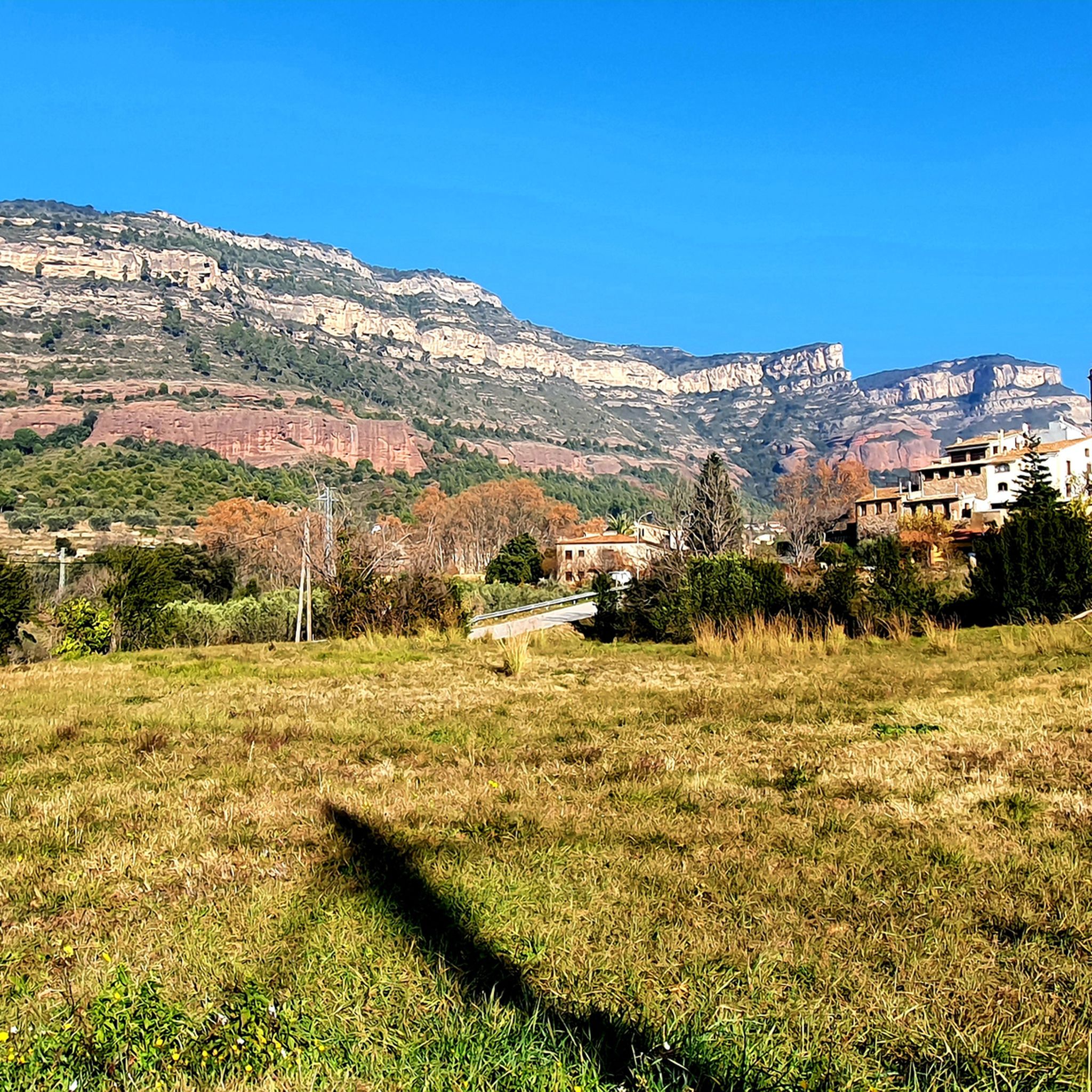
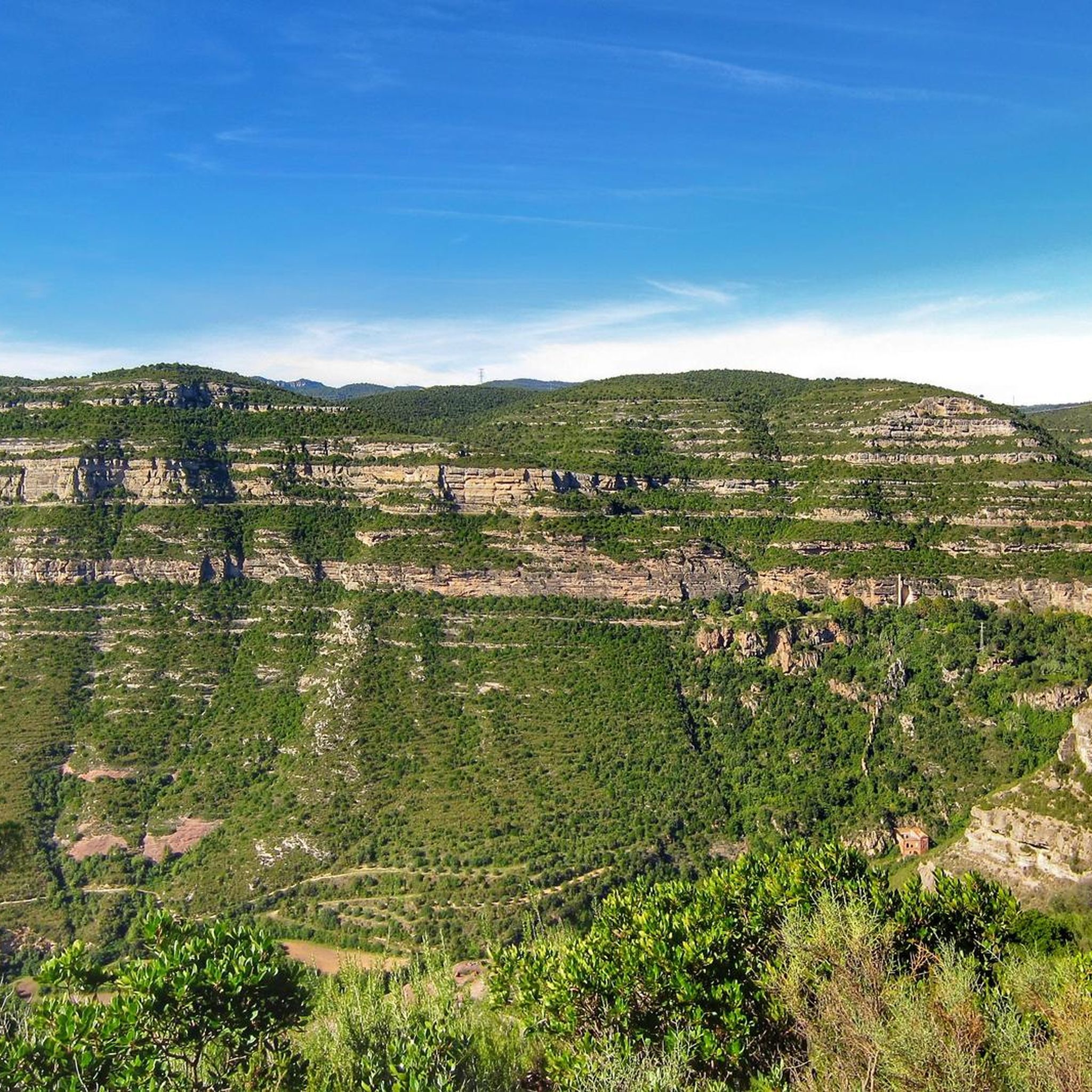
It is formed by a belt of mountains, hills and serrados from the so-called Pla de la Calma to Cuch, among which we can highlight Roca Centella, Mojó, Turó Monner, Puig del Sui (with 1322 m. altitude), Turó de Cuch (where the termini of Cánoves, Tagamanent, Montseny and San Pedro de Vilamajor face each other), and the Sierra de los Vallestrins, in the center of which stands the farmhouse of Vallforners, half fortress, half forest house, on the way of the Pla de la Calma, built by Señor de Tagamanent and restored by his son, Dalmau de Rocabertí, from the family of the counts of Peralada, in 1610.
21
0
Frequently Asked Questions
What types of water features can I find in Bigues i Riells del Fai?
Bigues i Riells del Fai is characterized by a rich natural environment with diverse water features. While large traditional lakes are not common, you'll find reservoirs, artificial ponds, rivers, dramatic waterfalls, and picturesque natural pools known as 'gorgs'. Notable areas include the Sant Miquel del Fai, with its impressive waterfalls along the Tenes river, and the Vallforners Reservoir.
Are there any natural pools or waterfalls to visit in the area?
Yes, the region is home to several beautiful natural pools (gorgs) and waterfalls. The Sant Miquel del Fai area is particularly known for its stunning waterfalls where the Tenes river flows. You can also find the impressive Salt del Purgatori Waterfall and various gorgs along the Riera del Tenes, such as Gorg d'en Jeroni and Gorg de Beines. These offer unique natural beauty, though swimming in the gorgs is prohibited.
Can I swim in the natural pools (gorgs) around Bigues i Riells del Fai?
No, swimming in the natural pools (gorgs) along the Riera del Tenes and other similar areas in Bigues i Riells del Fai is prohibited. These areas are preserved for their natural beauty and ecological significance.
What kind of hiking opportunities are there near the water features?
The area offers excellent hiking opportunities, with trails that provide spectacular views of valleys and various water formations. You can explore paths around reservoirs like the Vallforners Reservoir, or follow routes along rivers to discover waterfalls and natural pools. For more specific routes, you can explore options like gravel biking, cycling, and road cycling guides in the region.
Are there family-friendly water features or parks in Bigues i Riells del Fai?
Yes, there are family-friendly options. The Lake at Parc del Falgar i la Verneda is an artificial pond within a park designed for relaxation and bird watching, offering facilities and play areas for children. The Can Dunyó Pond also provides a peaceful natural refuge that families can enjoy.
What is the best time to visit the water features in Bigues i Riells del Fai?
The natural water features, especially waterfalls like Salt del Purgatori, are most impressive when water levels are high, typically after periods of rain. However, the area is beautiful year-round for hiking and enjoying the serene natural environment. Note that the Montseny Reservoir can dry up considerably in summer, transforming the landscape.
Are there any historical or cultural sites near the water features?
Yes, the Sant Miquel del Fai area is significant for both its natural beauty and history. The Sant Miquel del Fai Monastery is dramatically perched on a cliff overlooking the river and waterfalls, offering a unique blend of natural and historical exploration. The Montseny Reservoir itself has a history, originally built to supply a hotel that never fully materialized.
What can I expect to see at the Vallforners Reservoir?
The Vallforners Reservoir is a significant hydraulic infrastructure built with a unique stone dam and compacted earth core. Located in the Montseny massif, it's surrounded by mountains and forests. You can find trails around it, and it's known for its role in irrigation and water supply. Nearby, you might also spot the monumental Can Cuc chestnut tree.
What kind of wildlife can be observed around the ponds?
Ponds like Can Dunyó Pond serve as natural refuges for local wildlife. Visitors can often spot birds, dragonflies, and turtles. The Lake at Parc del Falgar i la Verneda is also specifically designed for bird watching.
Are there challenging trails around the reservoirs or water features?
Yes, some areas offer more challenging terrain. For instance, routes around the Montseny Reservoir are described as not easy, featuring many roots, rocks, and potentially waterlogged areas after rain. The region's rugged terrain and varied elevations provide options for more experienced hikers and cyclists. You can find difficult routes in the gravel biking and cycling guides.
What do visitors enjoy most about the water features in Bigues i Riells del Fai?
Visitors particularly enjoy the natural beauty and the opportunities for hiking and experiencing the serene environment. The combination of rugged terrain, lush forests, and the dynamic flow of water creates a picturesque setting. The unique character of places like the Sant Miquel del Fai area, where rock and water converge, is highly appreciated.
Most popular routes around Bigues i Riells del Fai
Most popular attractions around Bigues i Riells del Fai

Get inspired with the komoot mobile app


Explore more
Still not found your perfect lake around Bigues i Riells del Fai? Check out the guides of these regions to see even more beautiful places.
