Top 10 Gorges around Bigues i Riells del Fai
Canyons around Bigues i Riells del Fai are defined by deep cliffs and the significant role water plays in shaping its landscape. The municipality is situated at the foot of the Cingles del Bertí and at the headwaters of the Tenes River valley. This region offers various canyon-like areas, including impressive waterfalls and sculpted gorges. These natural features provide diverse opportunities for exploration and observation of unique ecosystems.
Best canyons around Bigues i Riells del Fai
- The most popular canyons…
Last updated: July 3, 2026
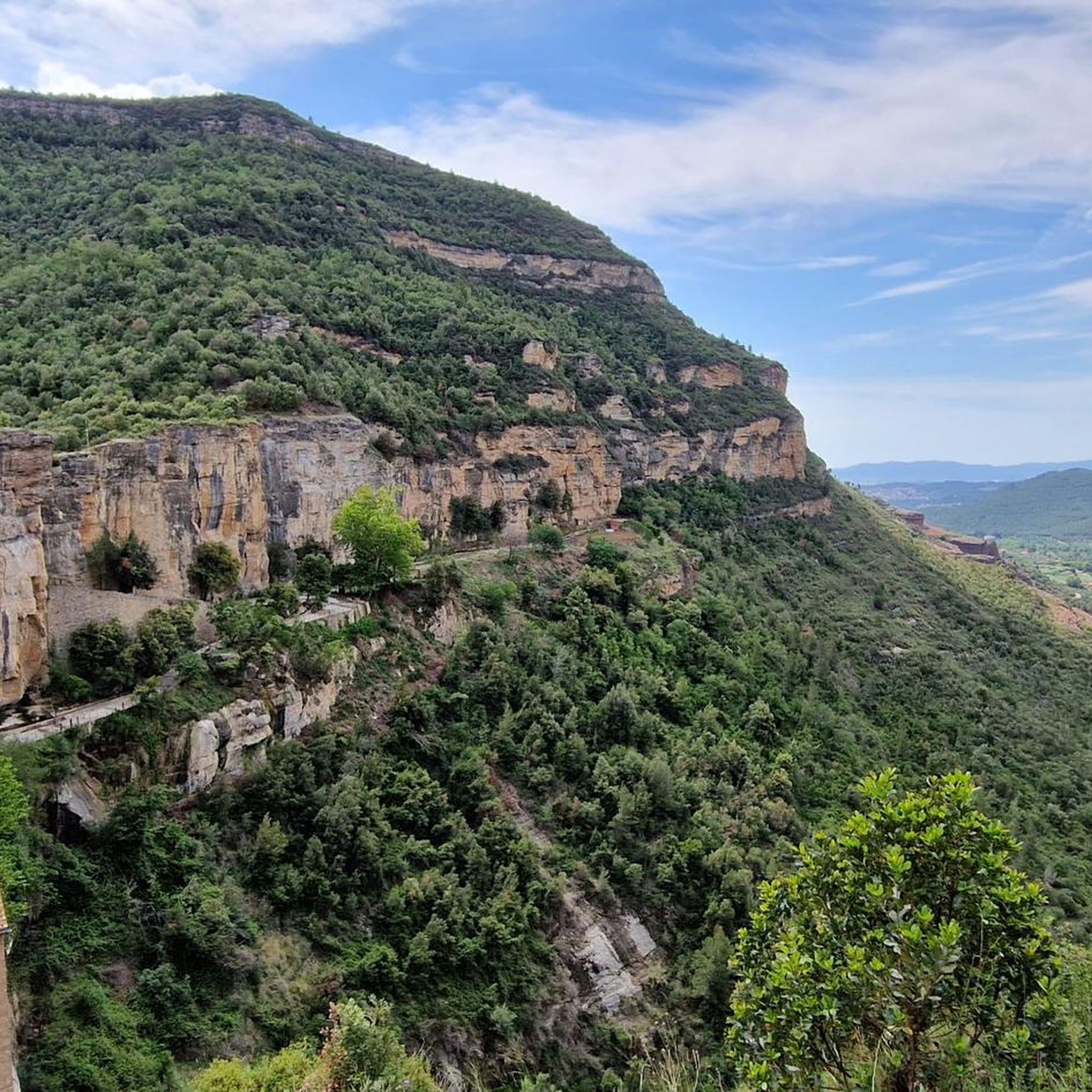
Sant Miquel del Fai Road
Highlight • Cycleway
Tip by

Balma la Miquelona
Highlight • Cave
Translated by Google •
Tip by

Sign up now to discover places like this
Get recommendations on the best single tracks, peaks, & plenty of other exciting outdoor places.
Sign up for free
Waterfall of Sot del Bac
Highlight • Waterfall
Translated by Google •
Tip by

Gorg d'en Fitó
Highlight • Gorge
Translated by Google •
Tip by

Bertí Cliffs
Highlight • Gorge
Translated by Google •
Tip by

Sign up for free to discover even more gorges around Bigues i Riells del Fai.
Sign up for free
Already have an account?
Start today with a free account
Your next adventure awaits.
Login or Signup

Tips from the Community

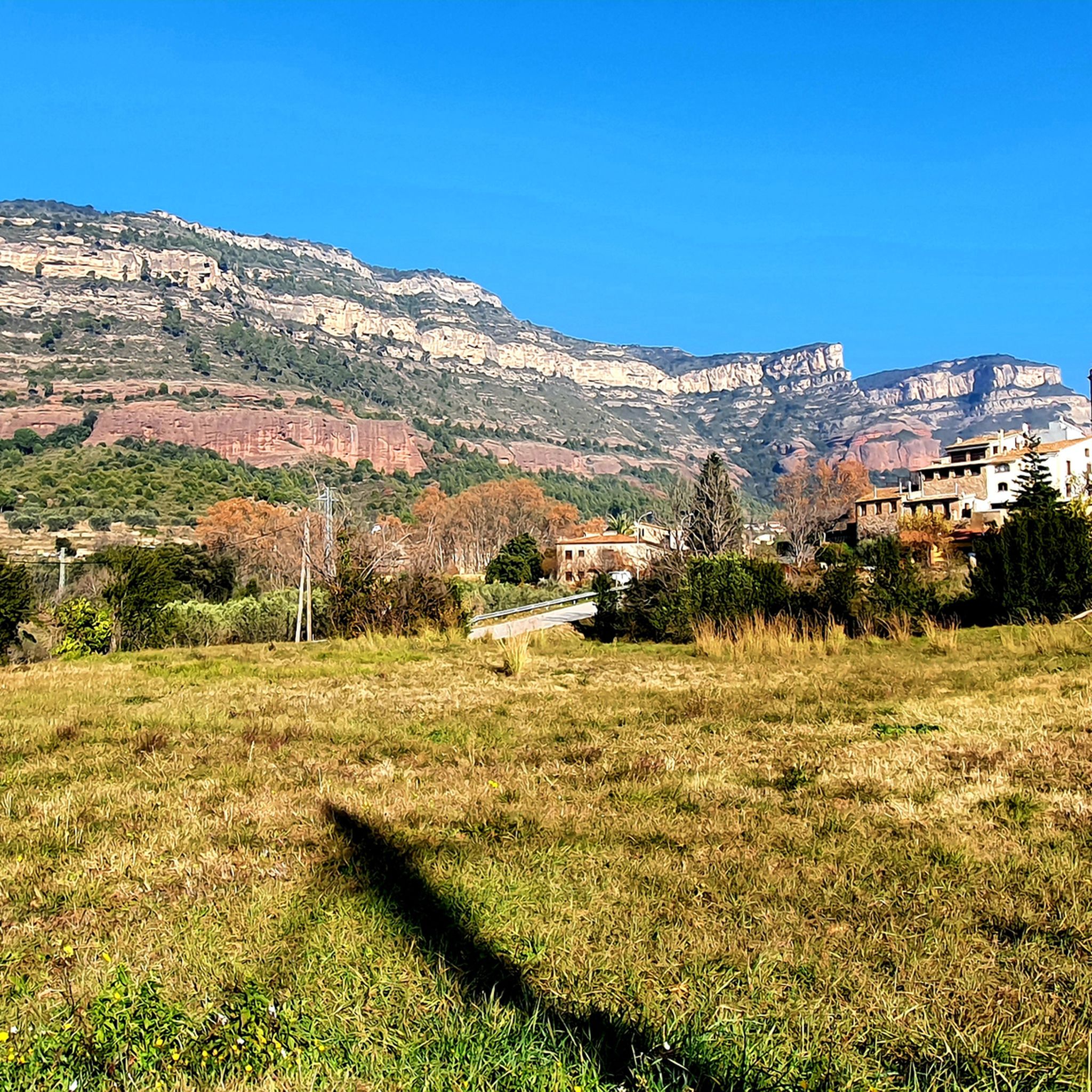
A real discovery! Superb views, decent asphalt and virtually no cars.
0
0


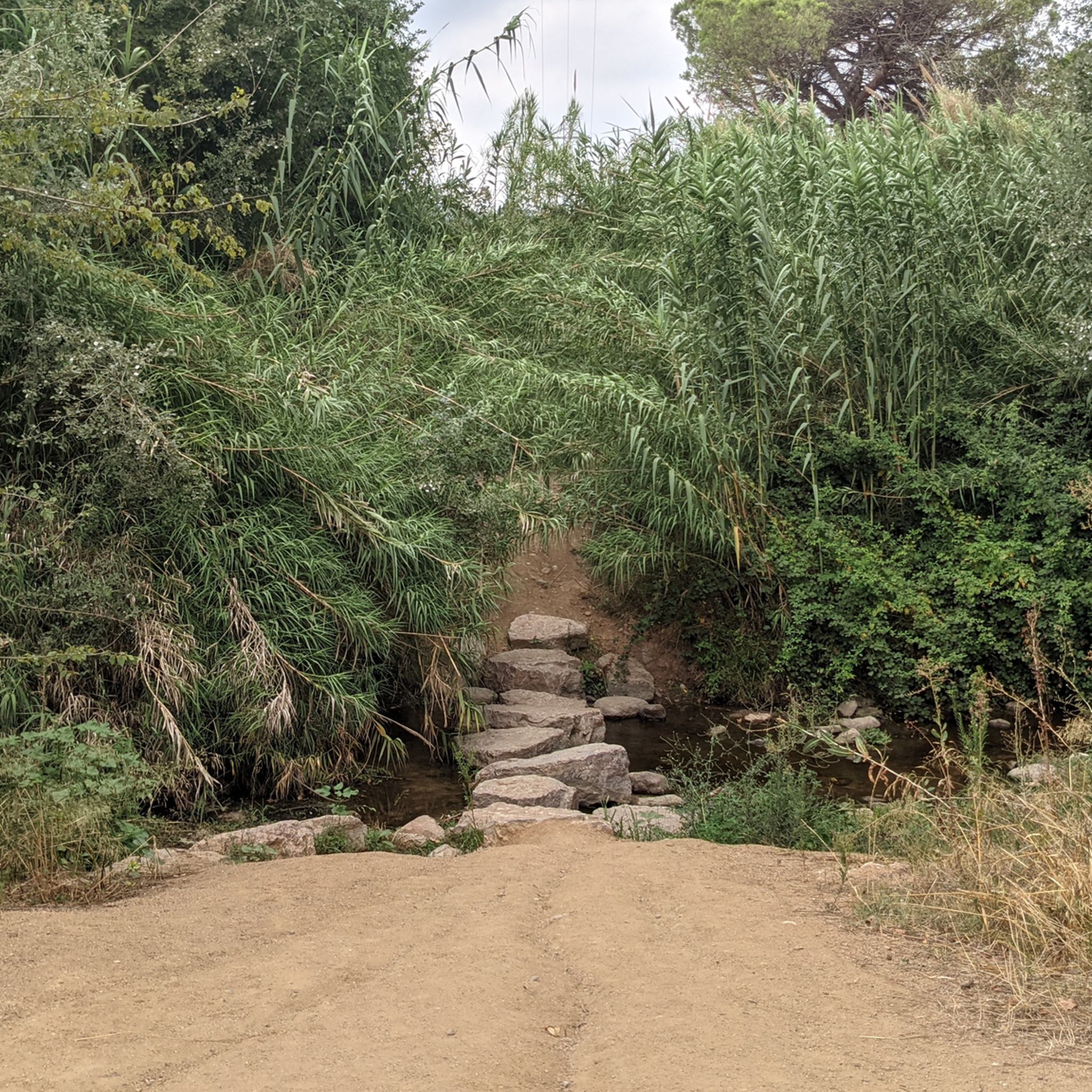
Pass taken from the Ripoll river at the height of the Airesol A-B urbanization. It is a charming place, where the reflection of the water creates a beautiful image. watch out for mosquitoes and river floods on rainy days.
0
0

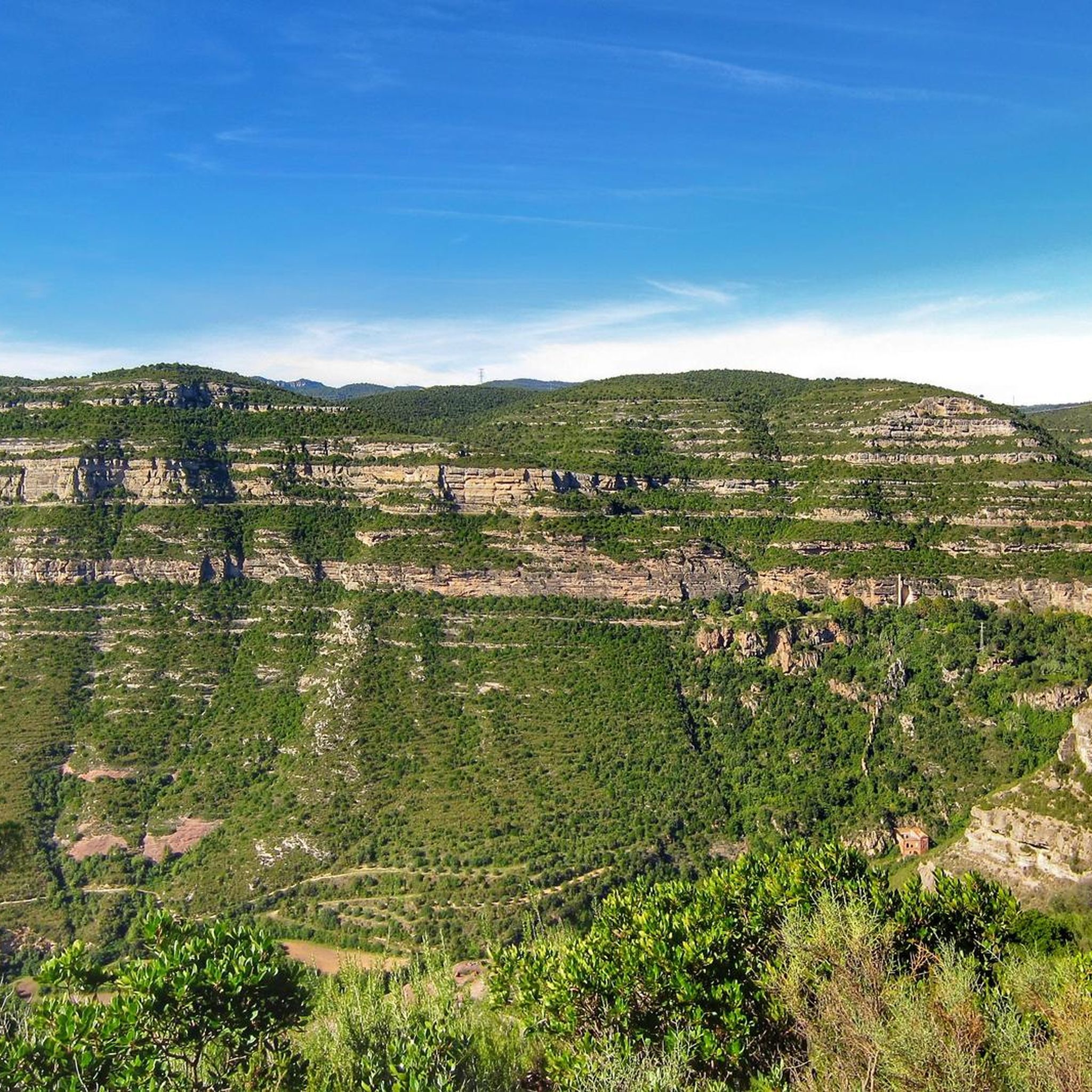
Impressive views of the construction and the cliffs of Sant Miquel del Fai on this path that climbs along the walls of the valley.
0
0

An incredible road with almost no cars. On one side you have cliffs and on the other stunning views. At the end of the road you will come to a monastery. Pay attention in the curves because, despite the fact that there are not many cars, when one passes there is not much space left on the road.
0
1

Old Benedictine sanctuary located in the municipality of San Feliu de Codinas, in the Catalan region of Vallés Oriental. The church was built in a cave, with its own stone serving as a roof. It is the largest troglodyte church in the country. It has a Romanesque portal formed by a semi-circular arch.
1
0

The Bosc Negre torrent is the most important of the water courses that lead to Sot del Bac, where the Salt del Prat stands out, where a magnificent horse's tail manifests itself in the most generous periods of water of about 30 meters height, and goes to deposit the water in the gorge of the Bac, the surplus continues its course until the confluence with the river Congost, next to the Figaró. You can see how Travertine has been formed by the action of water on the rock.
1
0
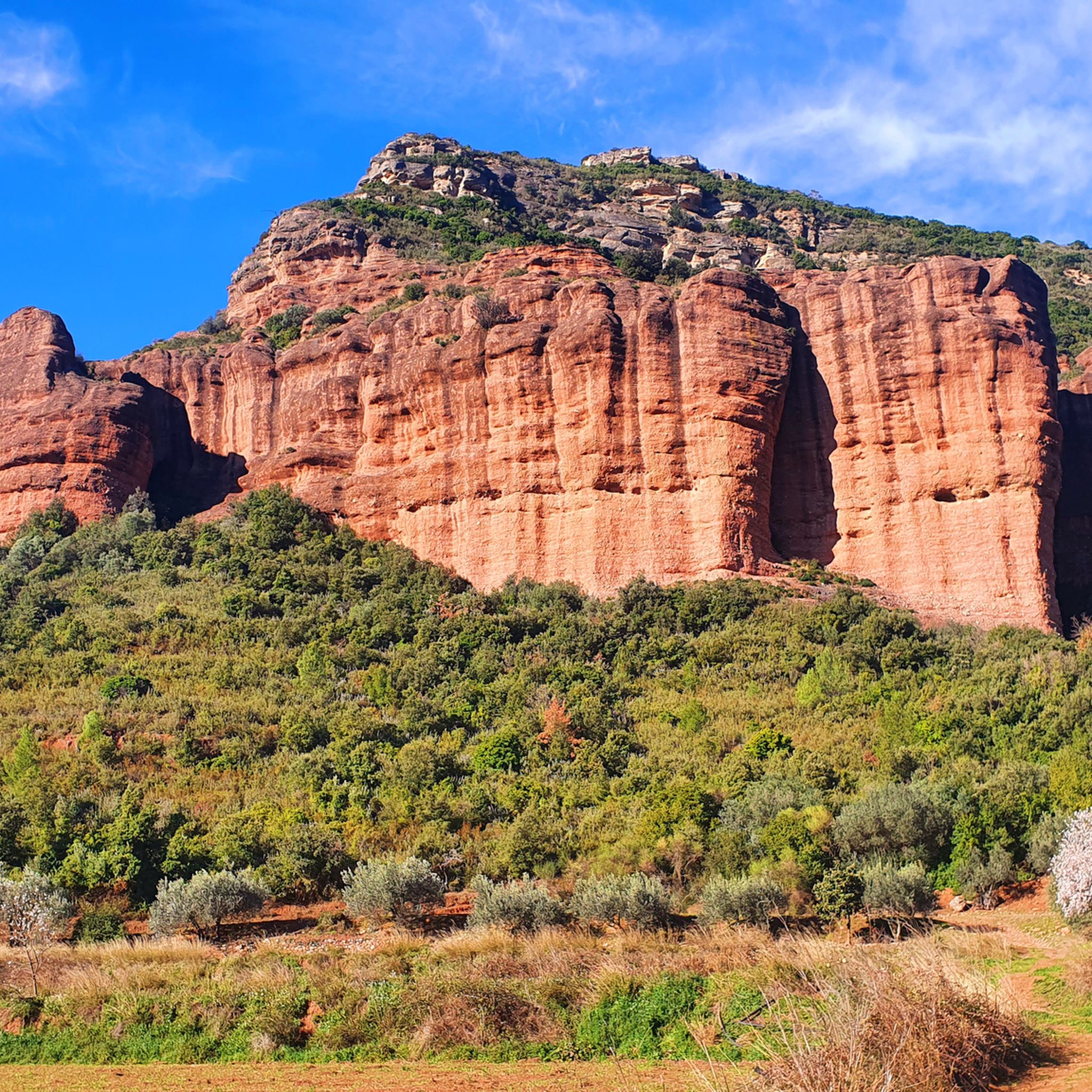
Small bauma located on the right bank of the PR-33 that leads from Figaró to Montmany, inside the Sot del Bac. Bauma formed by the lateral excavation of the Sot del Bac stream, 35-40 meters above the current talveg. It is a not very deep cavity excavated in a rocky margin or slope where the light penetrates. This has graffiti and evidence of occupation inside, with traces of having been set on fire. It is a suitable place for shelter or bivouac. At least before it was very common to use it. The Sot del Bac pass would be a natural path used by the first human communities, both to stock up on various natural resources (water, hunting and gathering) and as a place of passage and communication between the Gorge sector and Puiggraciós and the Cingles de Bertí. Currently this is occupied sporadically by walkers and climbers.
1
0
Frequently Asked Questions
What are the most prominent natural features to explore in the canyons around Bigues i Riells del Fai?
The region is characterized by its deep cliffs, impressive waterfalls, and sculpted gorges. Key natural features include the dramatic Cingles del Bertí, the various 'gorgs' (gorges/pools) along the Riera de Tenes, and the spectacular waterfalls found in areas like Waterfall of Sot del Bac. The landscape is significantly shaped by the Tenes River, creating a unique and rich ecosystem.
Are there any historical or cultural sites within the canyon areas?
Yes, the area around Sant Miquel del Fai is rich in both natural and patrimonial value. The ancient Monastery of Sant Miquel del Fai is situated atop the cliffs, offering a breathtaking and unique vision. You can experience views of this historical site from routes like Sant Miquel del Fai Road.
What kind of hiking trails can I find near the canyons?
The canyons offer a variety of hiking trails, from quiet paths through rocky valleys to routes with panoramic views. For example, the area around Balma la Miquelona features quiet trails through steep rocky terrain. Many routes lead to viewpoints over the gorges and cliffs, such as those around the Bertí Cliffs. You can find more hiking options on the Hiking around Bigues i Riells del Fai guide.
What is the best time of year to visit the canyons in Bigues i Riells del Fai?
Spring and autumn are particularly vibrant times to visit. In autumn, the landscape along the Riera de Tenes is especially colorful, and the waterfalls are often active. In winter, you might even see frozen waterfalls, as noted at the Waterfall of Sot del Bac. Always check weather conditions, especially on rainy days, as river levels can rise.
Are there any family-friendly activities or trails in the canyon areas?
While some trails can be challenging, many areas offer accessible natural beauty. The Waterfall of Sot del Bac is noted for its easy access and scenic beauty, making it suitable for families. Riverside walks along the Riera de Tenes also provide picturesque spots and informative panels about local fauna and flora, which can be engaging for children.
Where can I find impressive viewpoints of the canyons?
The Cingles del Bertí provide a dramatic backdrop to the region and offer various hiking routes that lead to panoramic views of the canyons and valleys below. The Bertí Cliffs specifically offer impressive views. Additionally, the Sant Miquel del Fai Road provides fantastic views of tall cliffs and the valley.
What cycling opportunities are available near the canyons?
There are several cycling routes that offer views of the canyons and surrounding landscape. The Sant Miquel del Fai Road is a cycle way that provides views of tall cliffs and leads towards the monastery. You can explore more cycling options, including gravel and road cycling, on the Cycling around Bigues i Riells del Fai guide and the Road Cycling Routes around Bigues i Riells del Fai guide.
Are there any specific gorges or pools along the Tenes River worth visiting?
Yes, the Tenes River carves its way through the landscape, creating various waterfalls and 'gorgs' (gorges/pools). Notable examples include Gorg d'en Jeroni, Gorg de Beines, and Gorg de Can Noguera. The Gorg d'en Fitó is also a charming place where the reflection of the water creates a beautiful image.
What should I know about parking and access to the canyon areas?
Access points vary depending on the specific canyon or trail. For popular areas like Sant Miquel del Fai, there are designated parking areas. Some routes, like the Sant Miquel del Fai Road, are accessible by car, though some sections may have limited space or rough surfaces. Always check specific access details for your chosen destination.
Are there any caves or unique geological formations to see?
Yes, the region features interesting geological formations. The Balma la Miquelona is a notable cave, a not very deep cavity excavated in a rocky margin, historically used for shelter. The deep cliffs and river-sculpted gorges throughout the area are themselves significant geological features.
What do visitors enjoy most about the canyons around Bigues i Riells del Fai?
Visitors frequently appreciate the dramatic natural beauty, including the tall cliffs and impressive waterfalls. The blend of natural grandeur with historical sites like the Sant Miquel del Fai monastery is also a highlight. Many enjoy the quiet hiking trails and the unique perspectives found around almost every bend, as well as the scenic beauty and refreshing atmosphere of the river areas.
Most popular routes around Bigues i Riells del Fai
Most popular attractions around Bigues i Riells del Fai

Get inspired with the komoot mobile app


Explore more
Already discovered everything in this region? See additional gorges around Bigues i Riells del Fai for your next adventure:
