Top 4 Caves around Bigues i Riells del Fai
Best caves around Bigues i Riells del Fai are found within a natural landscape characterized by significant geological formations and historical sites. The region is notable for the Sant Miquel del Fai Natural Space, an area featuring prominent tufa formations and a combination of rock and water elements. This environment has inspired various writings and offers insights into the area's natural history. The geological features include accessible caves with speleothem formations and historical significance.
Best caves around Bigues i Riells…
Last updated: July 3, 2026
Sant Miquel del Fai Road
Highlight • Cycleway
Tip by

Sant Miquel del Fai Monastery and Waterfall
Highlight • Historical Site
Translated by Google •
Tip by

Sign up now to discover places like this
Get recommendations on the best single tracks, peaks, & plenty of other exciting outdoor places.
Sign up for free
Balma la Miquelona
Highlight • Cave
Translated by Google •
Tip by

Socau Mine
Highlight • Cave
Translated by Google •
Tip by

La Balma d'en Xec
Highlight • Cave
An old waterfall has eroded the cliffs to form these …
Translated by Google •
Tip by

Start today with a free account
Your next adventure awaits.
Login or Signup

Tips from the Community

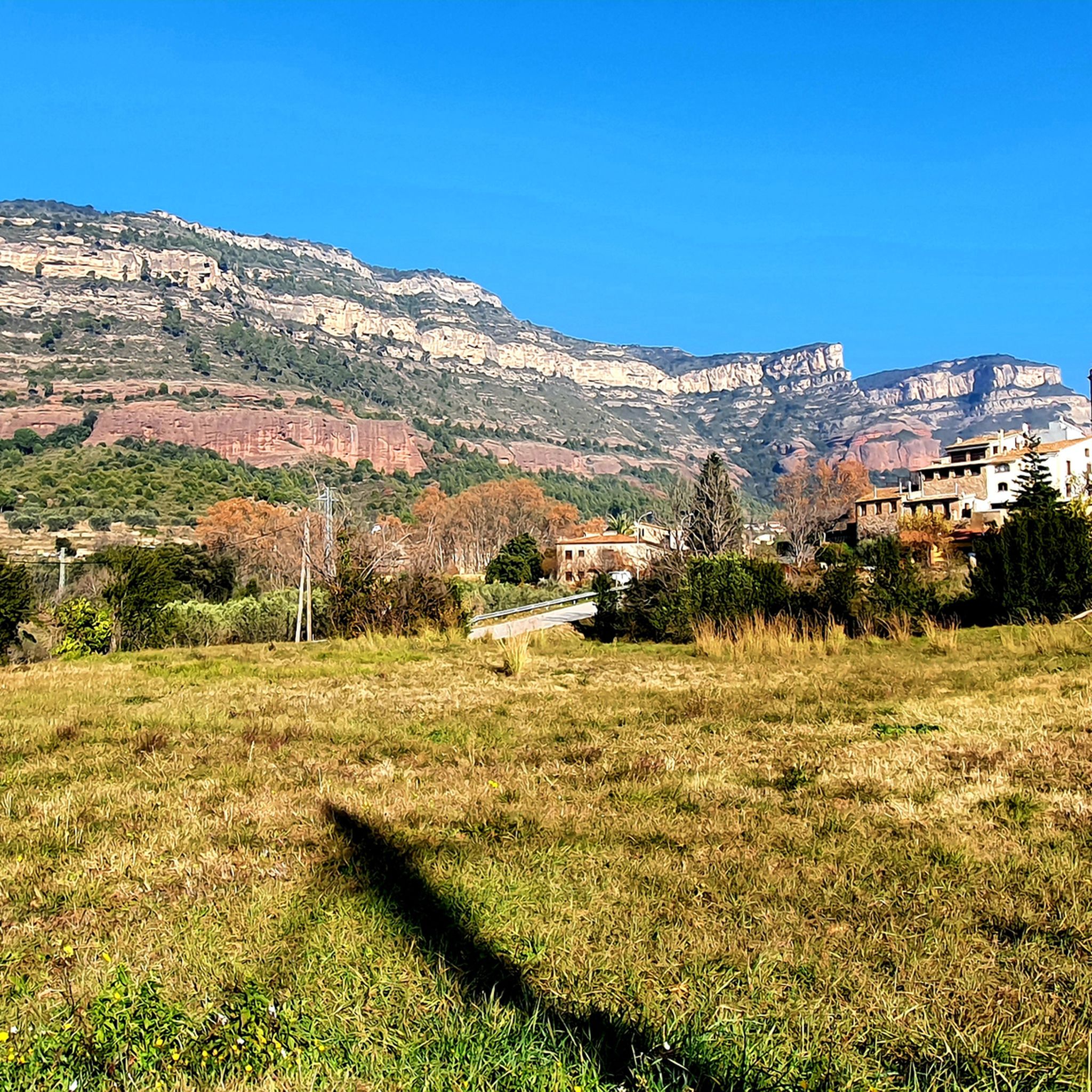
A real discovery! Superb views, decent asphalt and virtually no cars.
0
0


Hidden among the forests of Figaró, the Socau Mine was a small magnetite mine in the late 19th century. Today, half-covered by vegetation, it retains its entrance tunnel and some of the rusted mine carts. Some hikers say that as they approach, the air feels colder, as if the earth still breathes from within. Some leave candles or stones at the entrance, following an old local custom of asking for protection before entering places where the mountain "speaks."
1
0

Especially if it has rained, it is spectacular
0
0

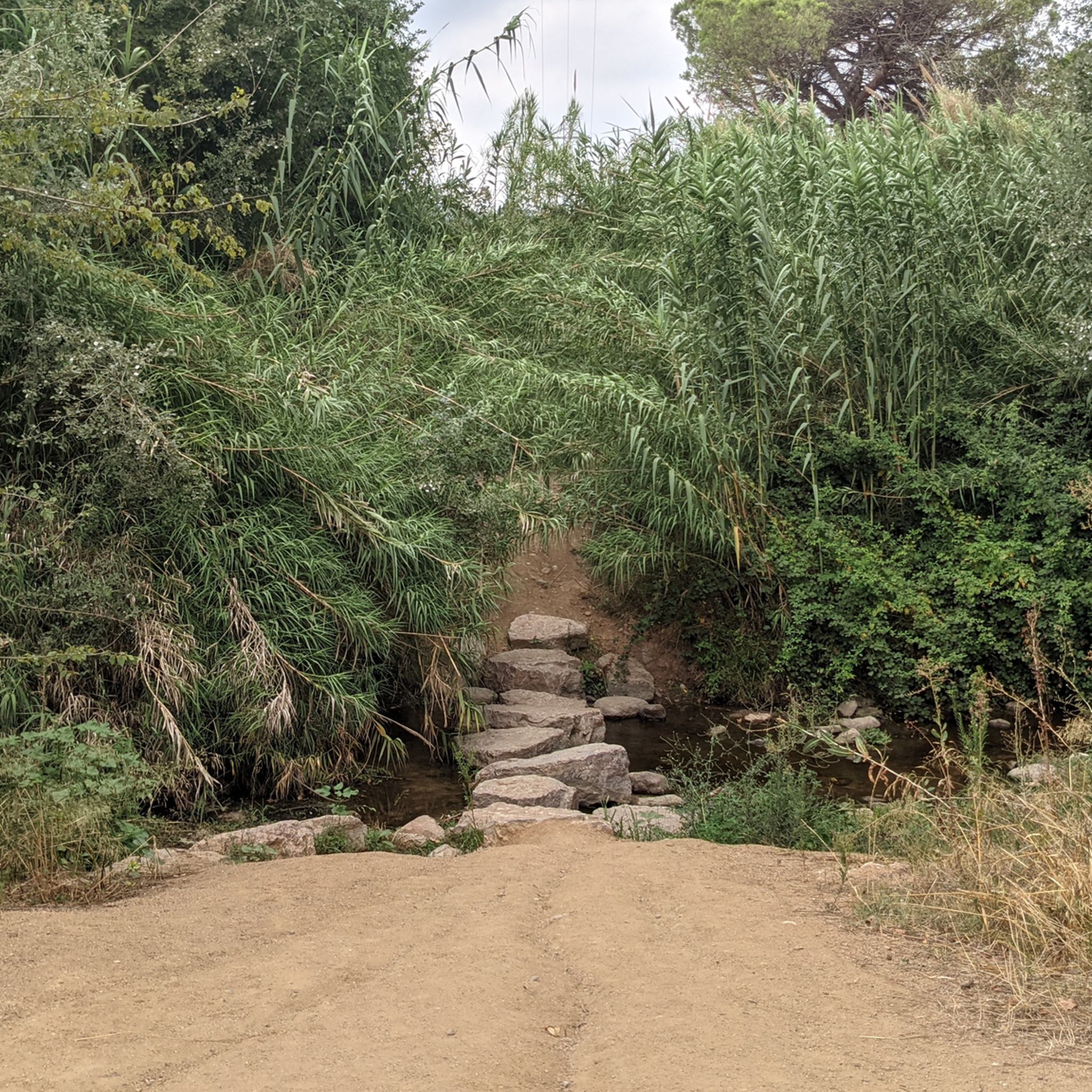
According to Anna Gómez, it is about "(...) iron ore or magnetite mines that were in operation between the years 1880 and 1895. To extract the mineral, a wagon road was built that went from Vallcàrquera to the 'ancient path ral del Congost, behind the Torre de Can Parera'. The mine has comfortable dimensions throughout its route (about two meters high by one and a half meters wide). The mouth is partially obstructed by a collapse of the margin where it is open, but it is still quite comfortably accessible. After 17 meters with about thirty centimeters of water, the gallery continues inland for another 14 meters. Now the floor is covered by a thread of water that flows from an underground course that appears almost at the end of the main gallery.
0
0

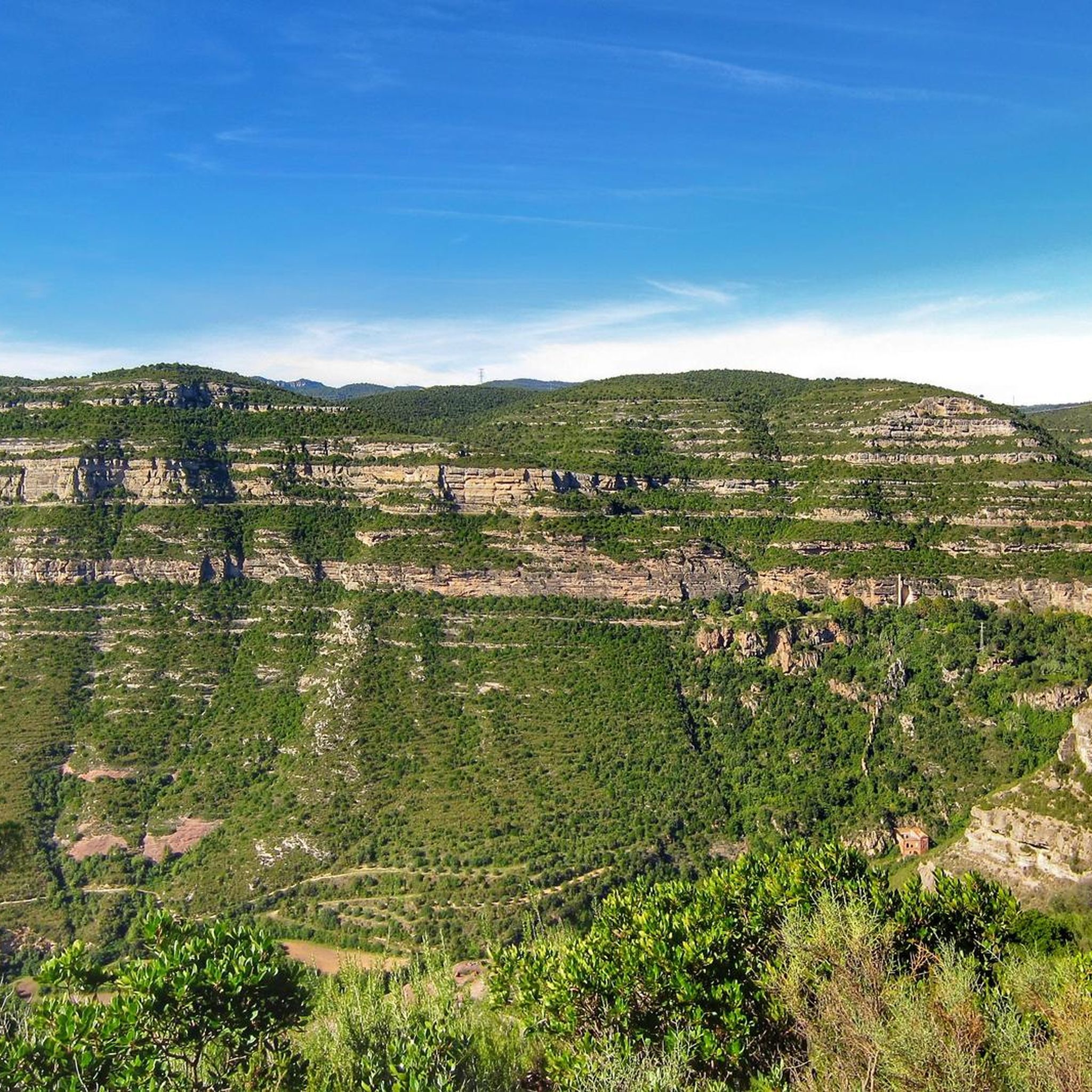
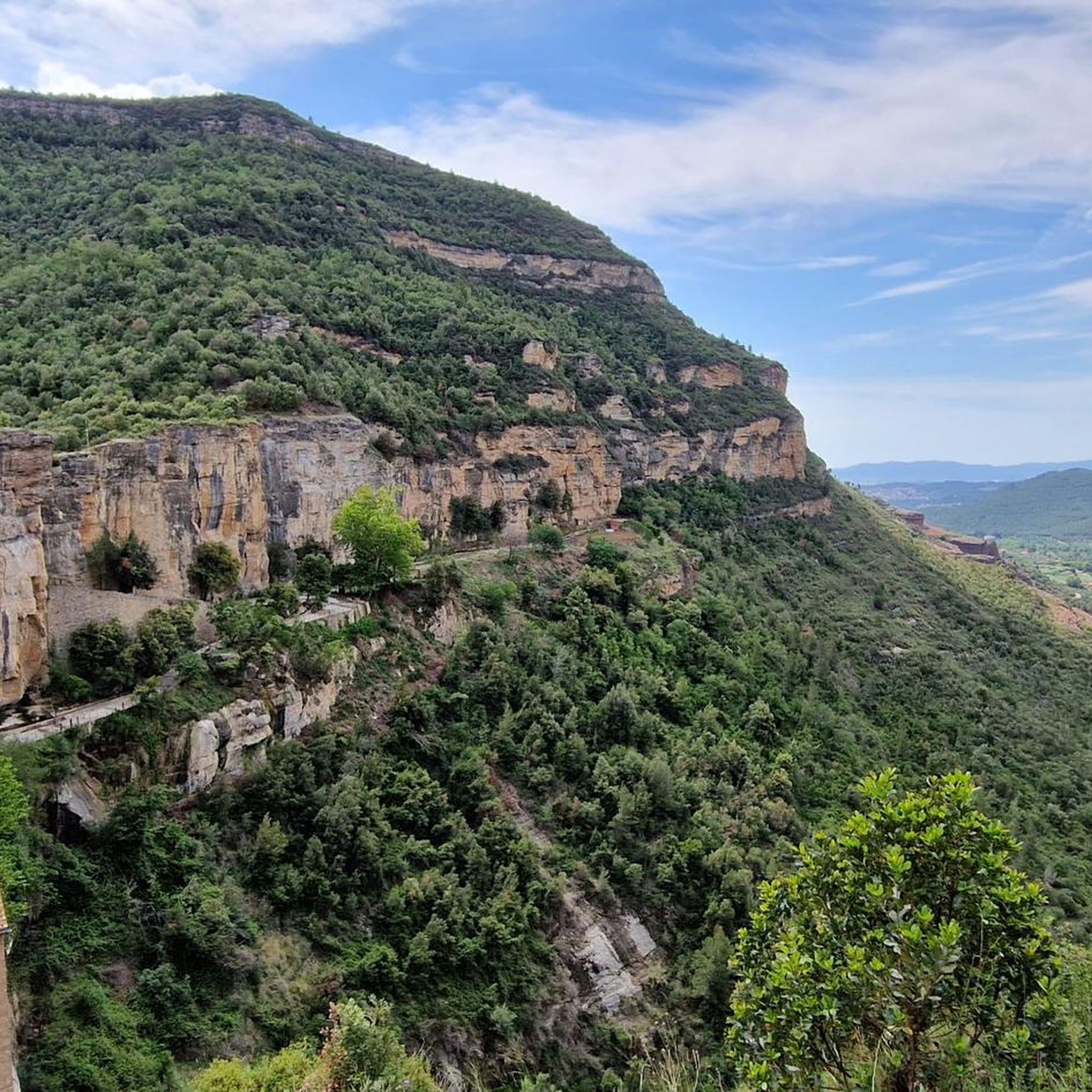
An incredible road with almost no cars. On one side you have cliffs and on the other stunning views. At the end of the road you will come to a monastery. Pay attention in the curves because, despite the fact that there are not many cars, when one passes there is not much space left on the road.
0
1

Old Benedictine sanctuary located in the municipality of San Feliu de Codinas, in the Catalan region of Vallés Oriental. The church was built in a cave, with its own stone serving as a roof. It is the largest troglodyte church in the country. It has a Romanesque portal formed by a semi-circular arch.
1
0

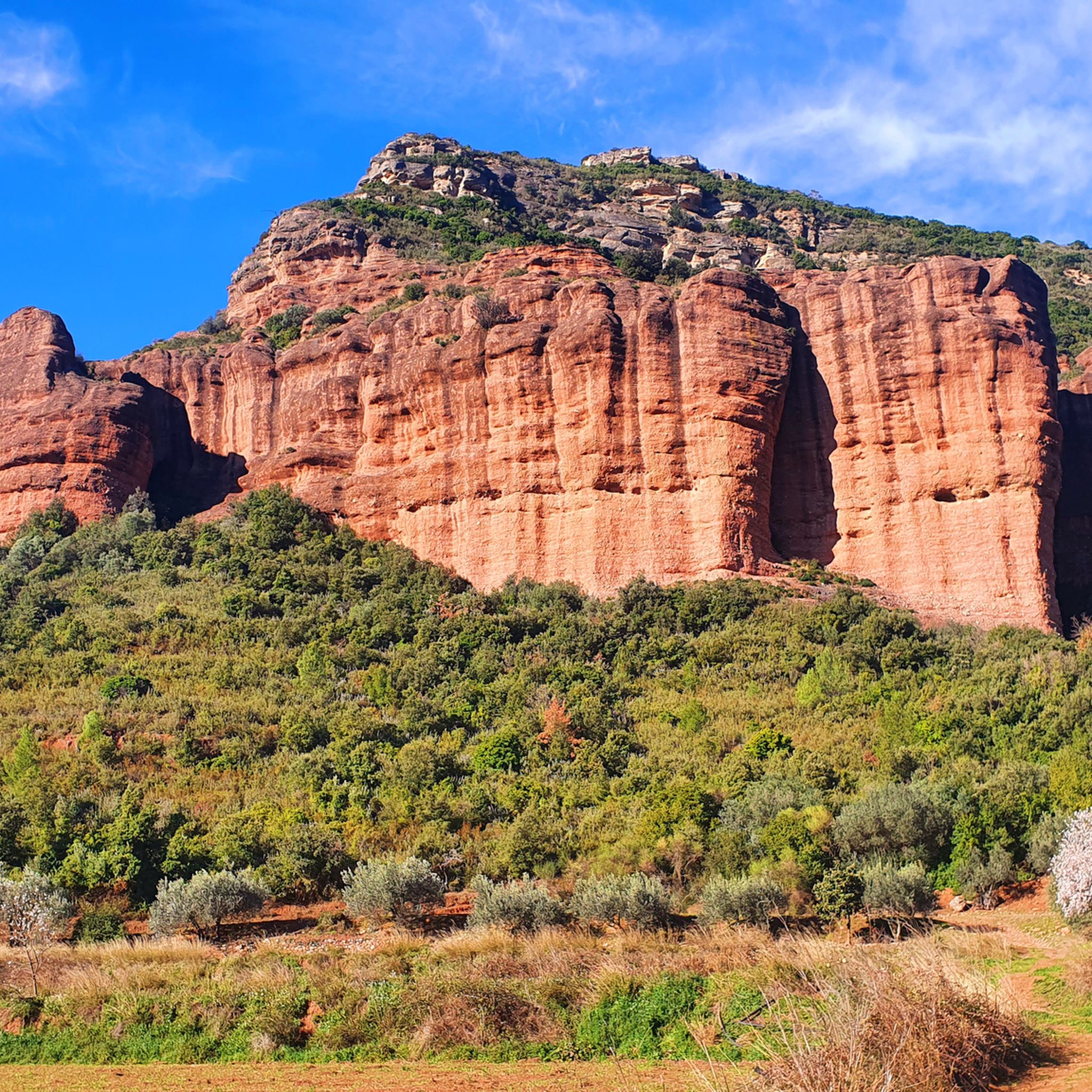
Small bauma located on the right bank of the PR-33 that leads from Figaró to Montmany, inside the Sot del Bac. Bauma formed by the lateral excavation of the Sot del Bac stream, 35-40 meters above the current talveg. It is a not very deep cavity excavated in a rocky margin or slope where the light penetrates. This has graffiti and evidence of occupation inside, with traces of having been set on fire. It is a suitable place for shelter or bivouac. At least before it was very common to use it. The Sot del Bac pass would be a natural path used by the first human communities, both to stock up on various natural resources (water, hunting and gathering) and as a place of passage and communication between the Gorge sector and Puiggraciós and the Cingles de Bertí. Currently this is occupied sporadically by walkers and climbers.
1
0
Frequently Asked Questions
Which caves in Bigues i Riells del Fai are most popular with visitors?
The most popular cave is the one found within the Sant Miquel del Fai Monastery and Waterfall complex. This site is known for its stalactite caves and the opportunity to hike behind the waterfall. Another highly regarded spot is Balma la Miquelona, a natural monument and cave that offers shelter and shows evidence of historical occupation.
Are there any accessible caves for tourists in the region?
Yes, the Cova de Sant Miquel del Fai, located within the Sant Miquel del Fai Natural Space, is designed for tourist visits. It features artificial lighting and stairs, with approximately 90 steps leading down to its entrance. However, due to safety reasons, some other caves within the complex are currently not accessible to the public.
What natural features can I expect to see around the caves?
The region is characterized by significant geological formations, including prominent tufa formations and a combination of rock and water elements. At Sant Miquel del Fai, you can admire the beautiful Salt d 'Aigua waterfall and explore caves with unique speleothem formations. An opening within the Cova de Sant Miquel also offers an expansive viewpoint of the Tenes valley.
What is the best time to visit the caves in Bigues i Riells del Fai?
The Sant Miquel del Fai Natural Space, which includes the Cova de Sant Miquel, is generally open daily, with specific hours that vary seasonally. It closes annually between December 15th and March 15th for maintenance. It is advisable to check the current accessibility and operating hours before planning your visit.
Are there historical sites related to the caves in this area?
Yes, the Sant Miquel del Fai Monastery and Waterfall is a historical site that includes caves. The Benedictine monastery itself was first mentioned in 997. Additionally, Balma la Miquelona shows evidence of historical occupation, and the Socau Mine is a historical magnetite mine from the late 19th century.
What outdoor activities can I do near these caves?
The area offers various outdoor activities. You can find numerous hiking trails, such as those listed in the Hiking around Bigues i Riells del Fai guide. There are also options for gravel biking, with routes like the Mirador del Puig del Castell loop, and running trails, including the Stone Tower loop. The Sant Miquel del Fai Road is a cycle way offering scenic views leading to the monastery complex.
Is there parking available for visitors to the caves?
Access to the Sant Miquel del Fai area, which includes the Cova de Sant Miquel, typically requires an entrance ticket and, for private vehicles, a QR code for parking. It's recommended to check specific parking arrangements and fees before your visit.
What do visitors enjoy most about the caves and natural space?
Visitors frequently describe the experience as entering a "wonderful and fresh cave" where nature's artistry is evident. The combination of rock and water, the unique speleothem formations, and the expansive viewpoint of the Tenes valley from within the Cova de Sant Miquel are highly appreciated. The natural beauty of the Sant Miquel del Fai Natural Space is a major draw.
Are there any family-friendly cave experiences in the region?
The Cova de Sant Miquel del Fai, with its artificial lighting and stairs, is generally suitable for families. The designated itinerary within the Sant Miquel del Fai Natural Space provides an accessible way to experience the caves and the surrounding natural beauty, though visitors should be prepared for approximately 90 steps to enter the cave.
Can I reach the caves by public transport?
The region research indicates that public transport options to Sant Miquel del Fai exist, but specific details are not provided. It is advisable to research current public transport routes and schedules to the Sant Miquel del Fai Natural Space before planning your trip.
Are there any other notable rock shelters or mines to explore?
Beyond the main caves, the region also features other interesting geological formations. La Balma d'en Xec is an old rock shelter that served as a refuge for farmers and livestock, still in good condition. The Socau Mine, a former magnetite mine, offers a glimpse into the area's industrial past, with its entrance tunnel and rusted mine carts still visible.
Most popular routes around Bigues i Riells del Fai
Most popular attractions around Bigues i Riells del Fai

Get inspired with the komoot mobile app


Explore more
Extend your search for the best caves by checking out these guides of the top ones around Bigues i Riells del Fai:
