Top 6 Castles around Argençola
Best castles around Argençola offer a journey into Catalonia's medieval past, nestled within the Anoia region. This area is characterized by historical remnants, including fortifications and towers, set amidst a landscape of hills, forests, and fields. The elevated positions of many sites provide extensive panoramic views of the surrounding natural terrain. Argençola's historical significance dates back to the 10th and 11th centuries, showcasing its role in regional history.
Best castles around Argençola
- The most popular castles is Miralles Castle, a castle that features ruins and a Roman chapel. A tower, part of the castle, has been converted into a viewpoint offering scenic vistas.
- Another must-see spot is Tossa and Montbui Castle, a castle located at the top of the Tossa de Montbui. From this point, visitors can see impressive views of the entire Conca d'Òdena and Montserrat.
- Visitors also love Queralt Castle Ruins, a castle declared a cultural asset of national interest. The most photogenic part is the remaining fragment of the Sant Miquel's chapel, with origins dating back to the IX-XI century.
- Argençola is known for its castle ruins, medieval defense towers, and castles integrated into settlements. This variety allows visitors to explore different aspects of medieval architecture and history.
- The castles around Argençola are appreciated by the komoot community, with 7 upvotes and 13 photos shared by visitors.
Last updated: July 3, 2026
Miralles Castle
Highlight • Castle
The place is accessible from route C-37, Santa Maria de Miralles by car or road bike, also accessible from the side of the mountains by feet or MTB.
Tip by

Tossa and Montbui Castle
Highlight • Castle
Translated by Google •
Tip by

Sign up now to discover places like this
Get recommendations on the best single tracks, peaks, & plenty of other exciting outdoor places.
Sign up for free
Queralt castle ruins
Highlight • Castle
Accessible by car (from the road B-220), bicycle, on foot.
Tip by
Rubió
Highlight • Settlement
Translated by Google •
Tip by
Vergós Guerrejat
Highlight • Settlement
Translated by Google •
Tip by
Sign up for free to discover even more castles around Argençola.
Sign up for free
Already have an account?
Start today with a free account
Your next adventure awaits.
Login or Signup

Tips from the Community

There is a fountain in the square above
0
0

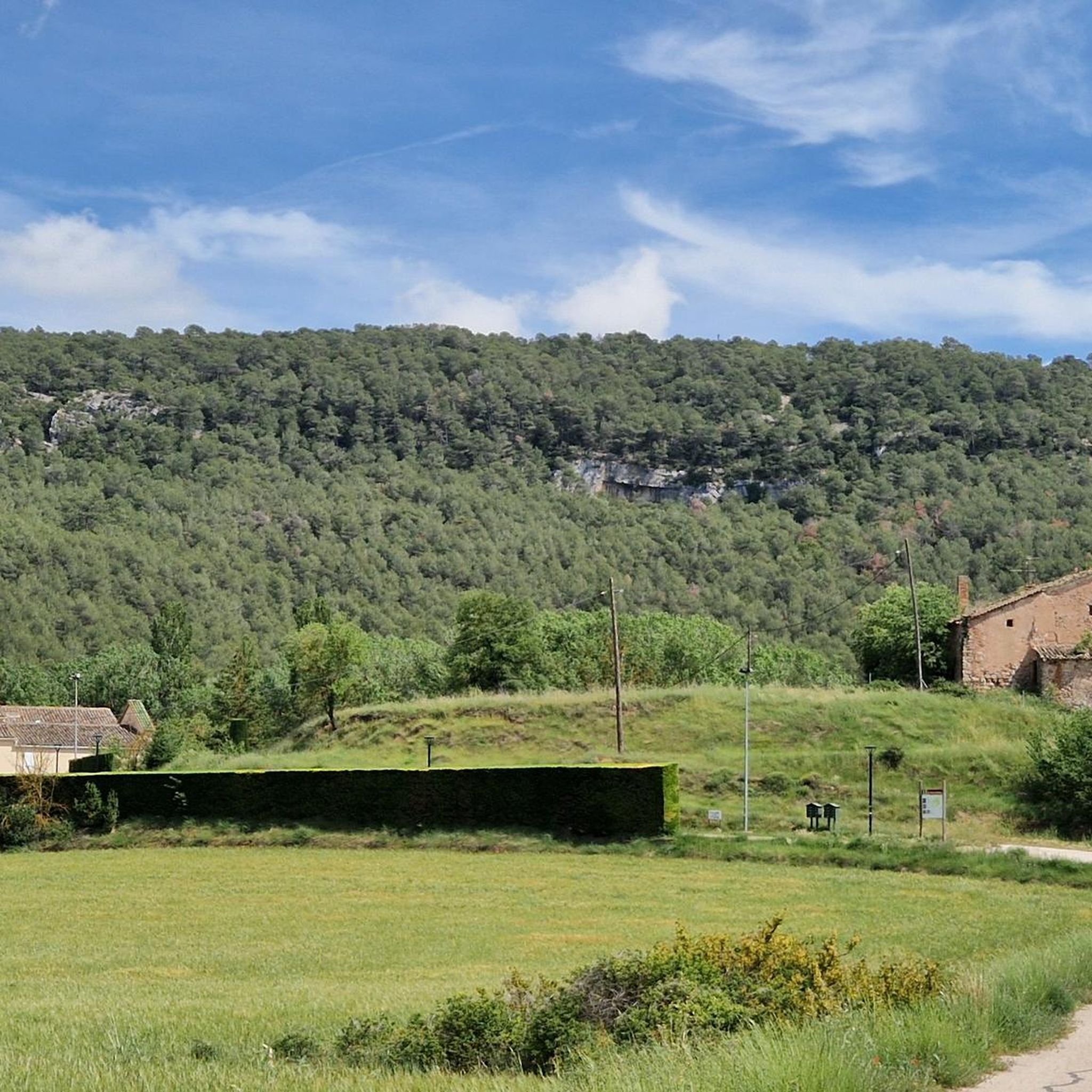
Village that is located on a hill and that can be seen from afar wherever you look at it. The most important feature is the castle at the top, where Vergós Guerrejat Castle is a building located in Plaça de l'Església.
0
0
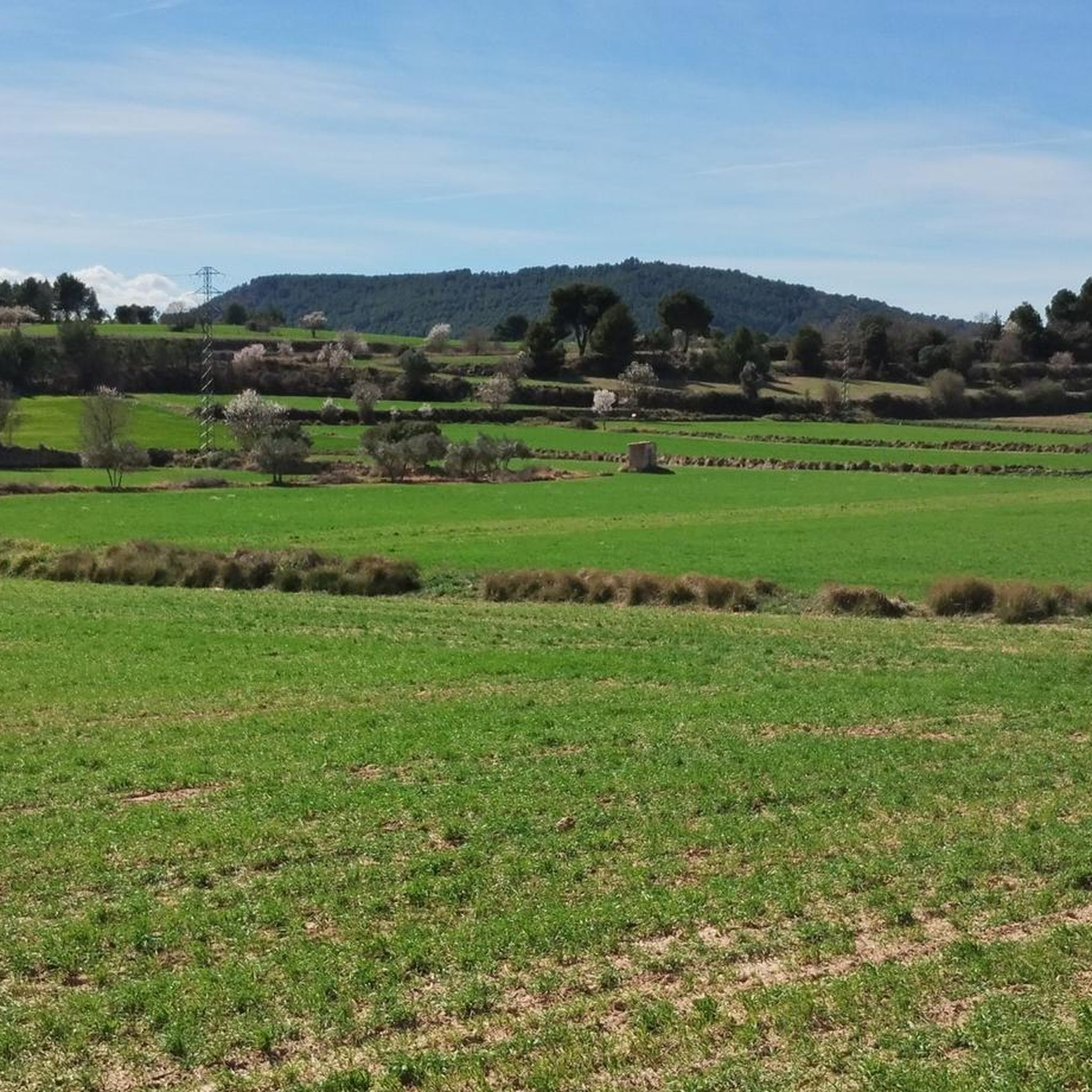
The Castell de Montbui, also called Castell de la Tossa or Castell de la Tossa de Montbui, is a castle located at the top of the Tossa de Montbui. From this point you can see impressive views of the entire Conca d'Òdena and one of the most mythical mountains in the area, Montserrat.
0
0
Small town located above the Serra de Cererols. In Rubió there is the church of Santa Maria and also an old castle, which, thanks to its elevated geographical location, allowed you to see the surrounding lands.
0
0
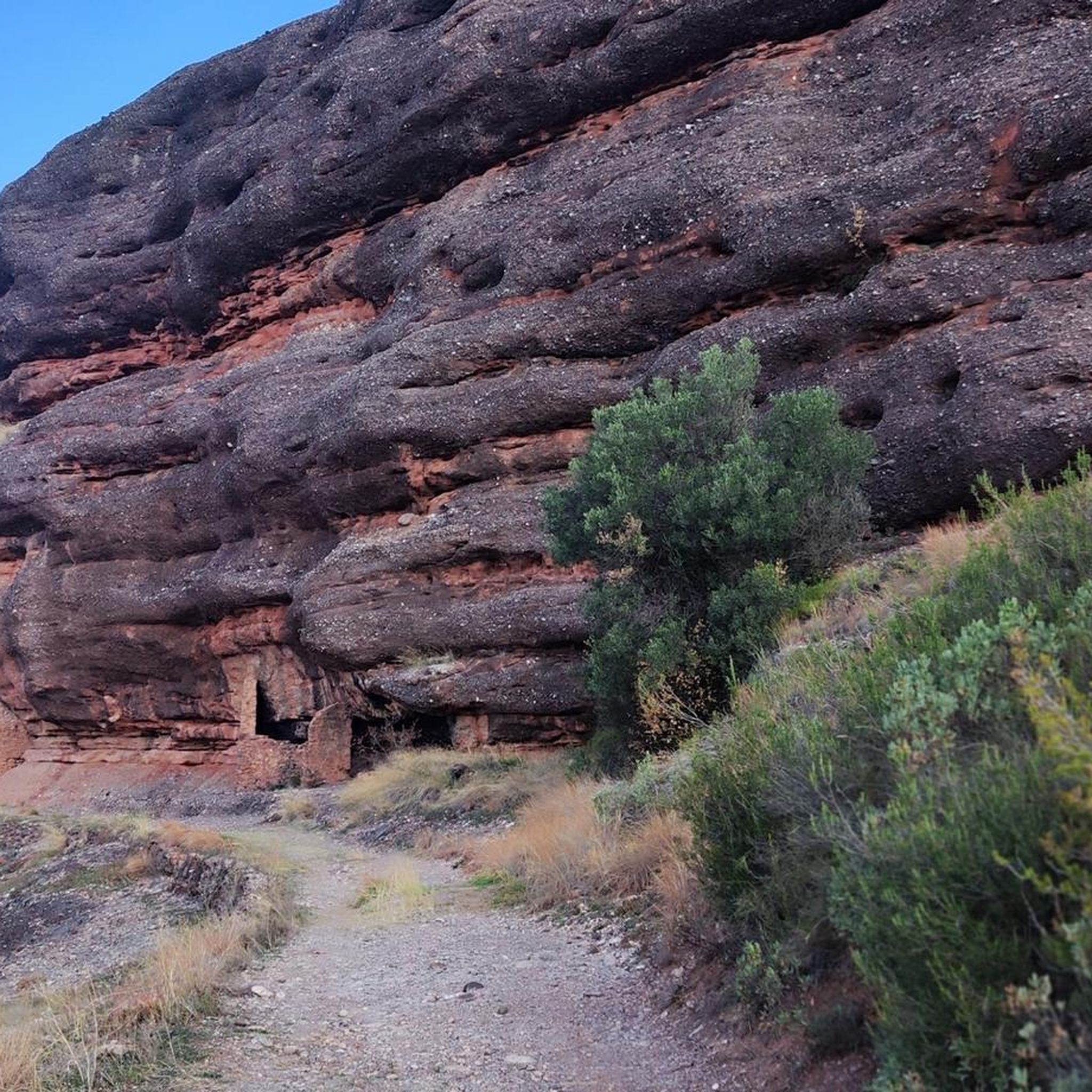
Miralles Castle is located at the top of the municipality of Santa Maria de Miralles. Its remains are on a hill in the Queralt and Miralles mountain ranges that dominate the upper valley of the Miralles stream. These ranges connect the towns of Santa Coloma de Queralt to La Poble de Claramunt.
0
0

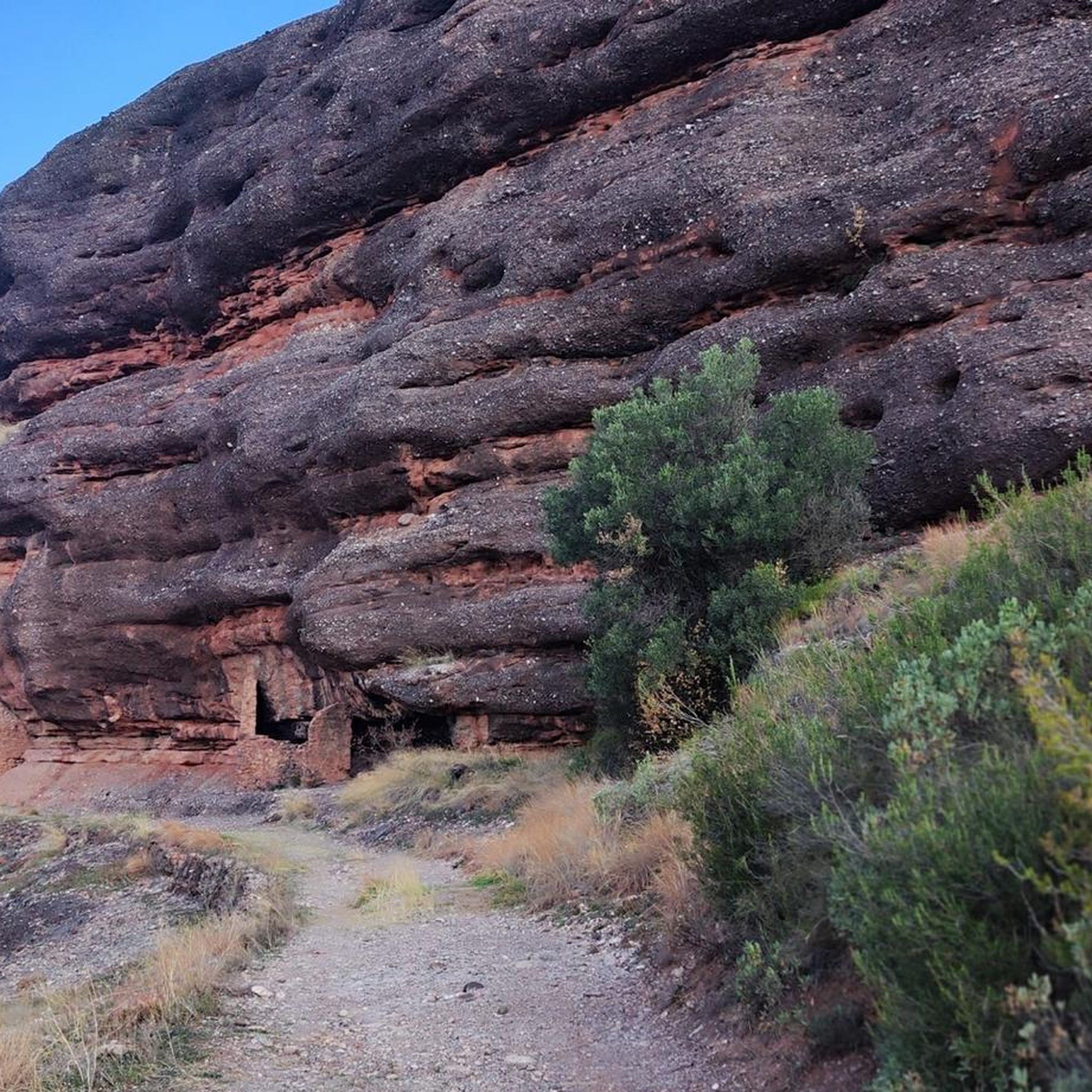
Queralt Castle is a building in Bellprat (Anoia) declared a cultural asset of national interest. Nearby is the Church of Sant Jaume de Queralt, part of the Architectural Heritage of Catalonia Inventory. The most photogenic, however, is the remaining fragment of the Sant Miquel's chapel. The origins of the buildings are located in the IX-XI century. Accessible by car (from the road B-220), bicycle, on foot.
0
0
The ruins of the castle, the first time mentioned in the year 960. Except for the ruins, there is also a roman capel. A tower, part of the castle, has been converted into a viewpoint. The place is accessible from route C-37, Santa Maria de Miralles by car or road bike, also accessible from the side of the mountains by feet or MTB.
1
0
Frequently Asked Questions
What are the most historically significant castles in the Argençola area?
The Miralles Castle, first mentioned in 960, holds significant historical value with its ruins and a Roman chapel. Additionally, the Castell d'Argençola, documented since 1031, played a crucial role in securing Christian territories during the Reconquista era. The Castell de Clariana, with mentions dating back to 989, also offers a glimpse into the region's ancient past, despite its ruinous state.
Which castles offer the best panoramic views?
For breathtaking vistas, visit the Castell d'Argençola, situated atop a hill at 763 meters altitude, offering extensive panoramic views of the Alta Anoia landscape. The Tossa and Montbui Castle also provides impressive views of the entire Conca d'Òdena and the iconic Montserrat mountain. A tower at Miralles Castle has been converted into a viewpoint, offering scenic vistas.
Are there any castles with ongoing archaeological work or restoration?
Yes, the Castell d'Argençola is currently undergoing active archaeological work and restoration, supported by the Government of Catalonia. Recent discoveries include a previously unknown arch and hidden medieval structures, meaning visitors may see more of its history uncovered in the coming years.
What kind of medieval architecture can I expect to see in the Argençola area?
The area showcases a variety of medieval architecture. At Castell d'Argençola, you can discern sections of walls, the base of a round tower, and a vaulted stone chamber. The Castell de Clariana features parts of its walls and a circular tower from the 11th century. The Torre de Contrast, integrated into the Cal Cortés farmhouse, is a well-preserved example of a 12th-13th century defense tower. You can also find castle ruins like Queralt Castle Ruins, which include a fragment of Sant Miquel's chapel dating back to the 9th-11th century.
What outdoor activities can I do near the castles?
The Argençola area is excellent for outdoor activities. You can find numerous hiking and cycling routes. For hiking, consider routes like 'La Fou Cave – Devil's Cave loop from Sant Martí de Tous' or 'The Middle Mill – Church of St. Magí loop from Copons'. Cyclists can explore routes such as 'Sant Martí de Tous Castle – L'Aubereda loop from Sant Martí de Tous' or 'Turó de Ca l'Estruc – barraca de pedra seca 12182 loop from Sant Martí de Tous'. You can find more details on these activities in the Hiking around Argençola and Cycling around Argençola guides.
Are there any family-friendly castles or sites in the region?
While specific 'family-friendly' designations are not always available for ruins, the historical sites around Argençola offer an engaging experience for families interested in history and exploration. The accessible nature of Castell d'Argençola, where you can drive up to its base, makes it convenient for families. Exploring the ruins and imagining medieval life can be a fun educational activity for children.
What is the best time of year to visit the castles around Argençola?
The castles around Argençola, being mostly outdoor ruins, are best visited during pleasant weather. Spring (April-June) and autumn (September-October) generally offer mild temperatures ideal for exploring and hiking. Summer can be warm, but the elevated positions of some castles provide refreshing breezes. Winter visits are possible, but check local weather conditions as some areas might be exposed.
How accessible are the castles, and is parking available?
Accessibility varies by site. The Castell d'Argençola is freely accessible, and it is possible to drive right up to its base, making it quite convenient. For other sites like Queralt Castle Ruins, access is possible by car, bicycle, or on foot. Parking is generally available near the base of these historical sites, especially in the rural settings.
What do visitors enjoy most about the castles around Argençola?
Visitors particularly appreciate the journey back in time offered by these historical sites, combining historical exploration with scenic beauty. The panoramic views from elevated castles like Castell d'Argençola and Tossa and Montbui Castle are frequently highlighted. The tranquility of the rural Catalan setting and the opportunity to reflect on long histories are also highly valued.
Are there any other notable historical settlements or sites besides the main castles?
Yes, beyond the prominent castles, the area features other historically rich settlements. Rubió is a small town with an old castle and the church of Santa Maria. Vergós Guerrejat is another village located on a hill, featuring its own castle at the top. The Torre de Contrast, a medieval defense tower integrated into the Cal Cortés farmhouse, is also a significant historical element within the hamlet of Contrast, near the Romanesque church of Sant Maure de Contrast.
Can I find cafes or amenities near the castles?
The castles are primarily located in rural settings within the municipality of Argençola. While direct cafes at every castle site might be limited, you can generally find amenities in the nearby villages and towns. It's advisable to check for local establishments in Argençola or other nearby settlements before your visit, especially if you plan a longer day of exploration.
Most popular routes around Argençola
Most popular attractions around Argençola

Get inspired with the komoot mobile app


Explore more
Looking for the best castles somewhere else? Discover other guides around Argençola:
