Top 9 Castles around Xeresa
Best castles around Xeresa are found in a region characterized by its historical depth and varied landscapes. The area, while not home to prominent castles directly within Xeresa, is surrounded by significant historical sites. These include ancient fortifications and palaces that reflect centuries of Iberian, Roman, Islamic, and Christian influences. The natural terrain often features elevated positions, providing strategic locations for these historical structures.
Best castles around Xeresa
- The most popular castles is Ducal Palace of the Borgias (Palau Ducal…
Last updated: July 3, 2026
Ducal Palace of the Borgias (Palau Ducal dels Borja), Gandia
Highlight • Historical Site
Translated by Google •
Tip by

Bairén Castle
Highlight • Castle
Translated by Google •
Tip by

Sign up now to discover places like this
Get recommendations on the best single tracks, peaks, & plenty of other exciting outdoor places.
Sign up for free
Castillo de Palma
Highlight • Castle
Tip by

Marinyén Castle
Highlight • Castle
Translated by Google •
Tip by

Palace House of the Counts of Ròtova
Highlight • Historical Site
Translated by Google •
Tip by

Sign up for free to discover even more castles around Xeresa.
Sign up for free
Already have an account?
Start today with a free account
Your next adventure awaits.
Login or Signup

Tips from the Community

The Palau del Duc ducal palace was built in the late Gothic and Renaissance style in the 16th and 17th centuries. Opening hours: Mon to Sat 10am–1.30pm and 3pm to 6.30pm (November to March) and 4pm to 7.30pm (April to October) and Sunday/public holiday 10am to 1.30pm.
1
0

7 euro entree
1
0

8.00€ entrance fee 🫣🤔🥶
1
0

The Barbacana Castle, nb the origin of Gandia 😮. The Bairén Hill was inhabited many, many years ago, since 3000 BC. C. The first written reference we have to the Bairén Castle dates from the end of the 11th century. An anonymous manuscript from the 12th century, the "History of Roderici Campidocti", which describes a battle between the Christian troops of El Cid and Pedro de Aragón against the army of the Almoravids.
18
1

Bairén Castle Archaeological Park is a fascinating historical site in Gandia. This park offers a unique insight into the history and archaeology of the region. For more information and reservations, you can visit the park's official website.
5
0

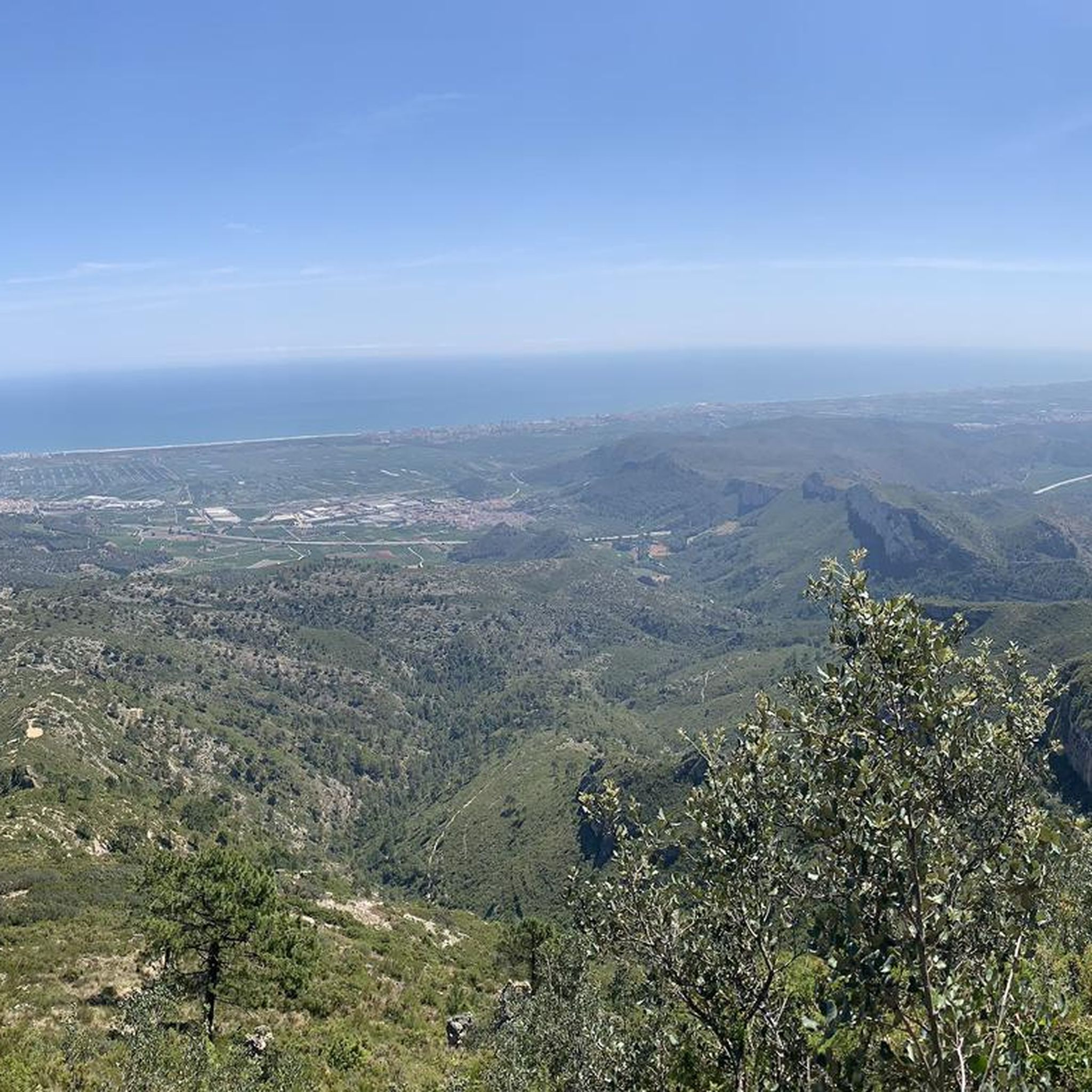
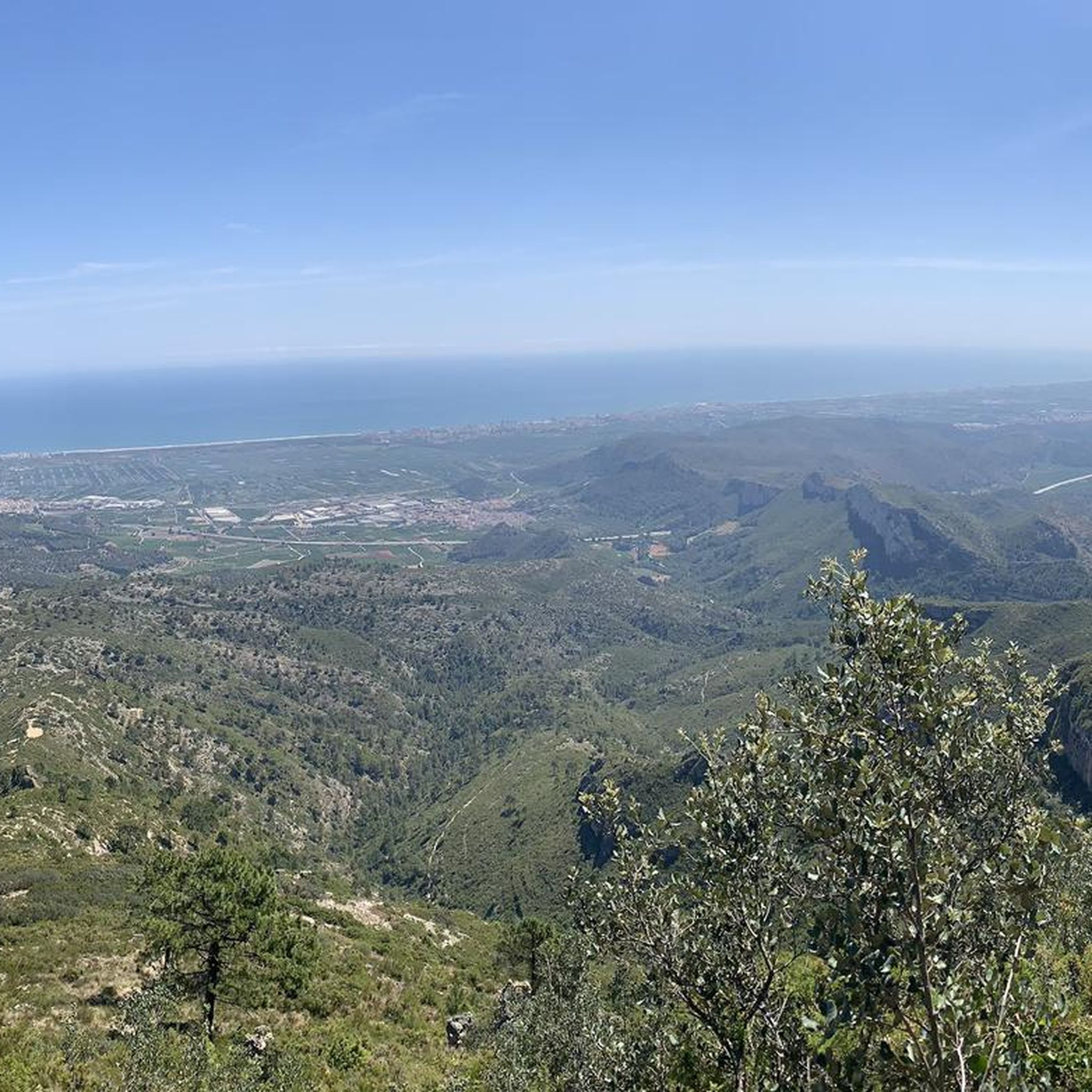
Impressive castle that is located on one of the mountains that is surrounded by torrents and difficult to access. It has also always been called the Mora Queen's castle.
2
0

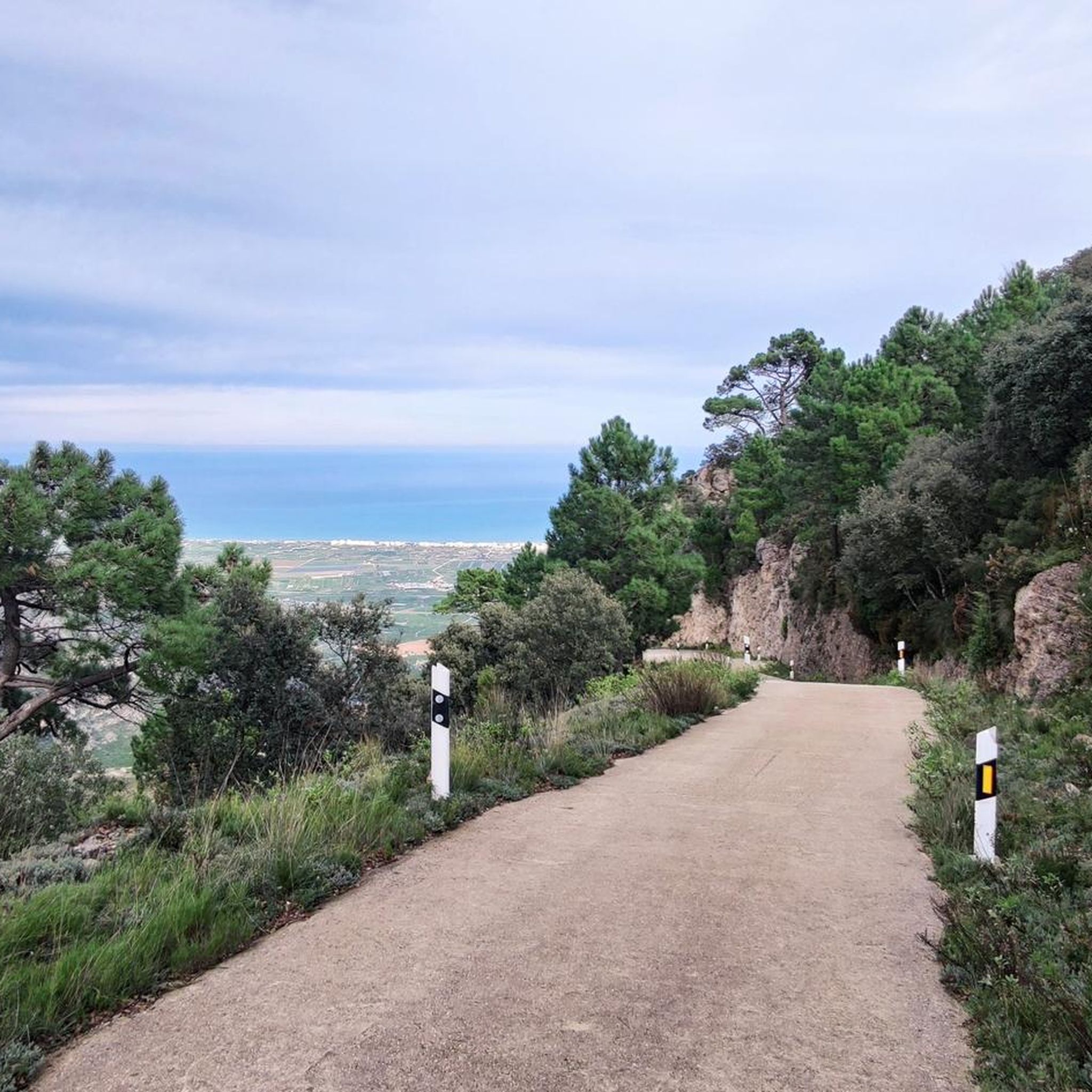
beautiful, scenically varied tour
0
0

It is a Baroque urban building built in the second half of the 16th century and remodeled at the end of the 17th century, it is therefore what remains of the original building, the most important architectural heritage element of Ròtova. It is located in the part of the urban center where in the past the town was accessed from the royal road of Xàtiva. Historians say if its original building would not rise on the site occupied by an Arab control tower. Its origin would be an old manor house that covers an entire village block and that still today shows a slender facade on which the noble coat of arms of the family stands out in carved wood. The imperial limestone staircase with a robust column, supporting a canopy made of Arab tiles, also draws attention to the palace. Also pay attention to the pleasant layout of its courtyard enclosed by a battlemented wall, which preserves the tilework of the original 16th century palace. Inside the area of the palace, archaeological excavations have been carried out which have allowed the discovery of ceramic remains dating back to the Iberian era. The building retains some original rooms, being divided into three parts. The external warehouse housed an almássera, the parts of which are now in the Benialí cooperative. Of particular note is the large garden at the back of the palace, of which the remains of the walls that closed the enclosure remain, now partly occupied by the current Passeig del Nou d’Octubre. Since the beginning of 2004, the palace has been the property and heritage of the town of Ròtova, with public use projected with its future restoration that will allow, in addition to the location of the municipal offices, the adaptation of a cultural center with an auditorium and a garden. While the palace is being adapted, the current situation shows a space occupied by the palace has a surface of 1913.06 m2, in which the following spaces can be distinguished: A main building of the 16th-17th century, in the form of "L " with three and one surface per floor of 393.72 m2 and a total surface of 1,181.16 m2 built, which shows masonry walls 60 cm wide, forged with wooden beams and covered with Arabic tiles. In addition to a large access staircase to the main facade, topped with the noble coat of arms of the Comptes de Ròtova. A front access patio of 393.72 m2 with external enclosure formed by a crenellated masonry wall from which access to the garden located in the rear. Back gardens of 742.87 m2, where we will find pine trees. Annex buildings from the beginning of the 20th century, with a floor area of 300.06 m2.
1
0
Frequently Asked Questions
What historical castles can I visit near Xeresa?
While Xeresa itself doesn't have prominent castles, the nearby region is rich in history. You can explore the impressive Ducal Palace of the Borgias (Palau Ducal dels Borja), Gandia, a significant historical site that served as the residence of the renowned Borja family. Another must-see is Bairén Castle, an ancient fortification overlooking the bay of Gandia with origins dating back to the 11th century. Further afield, Xàtiva Castle offers a deep dive into Iberian, Roman, Islamic, and Christian influences.
Are there castles near Xeresa with great panoramic views?
Yes, several castles in the area offer stunning views. Bairén Castle provides imposing views over the entire bay of Gandia. Similarly, Castillo de Palma, an old Andalusí fortification, offers beautiful panoramic vistas from its elevated position. The challenging Marinyén Castle also boasts impressive views from its mountainous location. Xàtiva Castle, perched atop a mountain, is renowned for its breathtaking panoramic views of Xàtiva and the surrounding region.
Are there family-friendly castles or historical sites to visit near Xeresa?
The Ducal Palace of the Borgias (Palau Ducal dels Borja), Gandia is considered family-friendly, offering an engaging historical experience. For those who enjoy a bit of a walk, the ascent to Castillo de Palma is described as manageable for children aged 7-8 years and up, making it a good option for active families.
What is the difficulty level for visiting these castles?
The difficulty varies. The Ducal Palace of the Borgias is easily accessible as an urban historical site. For castles like Bairén Castle and Castillo de Palma, the ascent is described as intermediate, involving steep paths but generally not overly demanding. Marinyén Castle is noted as challenging due to its location on a mountain surrounded by torrents and difficult access.
Can I find walking or hiking trails to castles near Xeresa?
Yes, many castles in the region are accessible via walking paths. For instance, the ascent to Castillo de Palma involves a steep path. Bairén Castle is also a popular spot for those who enjoy hiking and walking. The walk to Xàtiva Castle offers scenic paths, and you can reach it on foot, by car, or tourist bus.
What outdoor activities can I do near the castles around Xeresa?
The region around Xeresa offers various outdoor activities. You can find numerous running trails, such as the 'Gandia Beach – Gandia Beach loop' or 'Mouth of the Xeraco River loop'. For cycling enthusiasts, there are routes like the 'Greenway of Safor – Cyclist footbridge loop'. Gravel biking is also popular, with challenging routes like 'La Visteta Viewpoint – Port de Barx loop'. You can explore more options on the Running Trails around Xeresa, Cycling around Xeresa, and Gravel biking around Xeresa guide pages.
What is the best time to visit castles around Xeresa?
Given the warm climate of the region, spring (April-May) and autumn (September-October) are generally the most pleasant times to visit. The weather is milder, making outdoor exploration and castle ascents more comfortable. Summers can be very hot, especially for sites requiring walking or hiking.
Are there any lesser-known historical sites or 'hidden gems' near Xeresa?
While not a castle ruin, the Palace House of the Counts of Ròtova is a significant Baroque urban building from the 16th century. It features a unique imperial limestone staircase, a pleasant courtyard, and a large garden. Archaeological excavations have even uncovered Iberian-era ceramic remains on the site, offering a glimpse into deeper history.
How long should I plan for a visit to a castle like Xàtiva Castle?
Xàtiva Castle is a large and historically rich site. To fully explore both the Castell Menor and Castell Major, take in the panoramic views, and visit the small museum, you should plan for at least 2-3 hours. If you combine it with exploring the town of Xàtiva, it could easily be a half-day or full-day excursion.
What kind of historical influences can be seen in the castles around Xeresa?
The castles in this region showcase a rich tapestry of historical influences. Sites like Xàtiva Castle reflect Iberian, Roman, Islamic, and Christian periods, having played crucial roles in various conflicts. The Ducal Palace of the Borgias displays varied architectural styles from different eras, while Castillo de Palma is an old Andalusí fortification, highlighting the region's Islamic heritage.
Is public transport available to reach castles near Xeresa?
While specific public transport details for every castle from Xeresa might vary, Xàtiva Castle is generally accessible by tourist bus from the town of Xàtiva, which itself is reachable by train from larger cities. For other sites, driving is often the most convenient option, though some may have local bus connections or be accessible via walking paths from nearby towns.
Most popular attractions around Xeresa

Get inspired with the komoot mobile app


Explore more
Looking for the best castles somewhere else? Discover other guides around Xeresa:
