Top 6 Caves around Viguera
Best caves around Viguera are found in La Rioja, Spain, an area characterized by a blend of natural and historical underground sites. The municipality of Viguera features diverse geological formations, including natural caves and rupestrian structures integrated with human history. This region offers opportunities to explore both natural landscapes and culturally significant subterranean spaces.
Best caves around Viguera
- The most popular caves is Cuevas de Palomares, a historical site and man-made cave system known for its unique design. This…
Last updated: May 22, 2026
Cuevas de Palomares
Highlight • Cave
Translated by Google •
Tip by

CuevaLobrega-I
Highlight • Cave
Translated by Google •
Tip by
Sign up now to discover places like this
Get recommendations on the best single tracks, peaks, & plenty of other exciting outdoor places.
Sign up for free
CuevaMesa
Highlight • Cave
Translated by Google •
Tip by
Cueva Ventana
Highlight • Cave
Translated by Google •
Tip by

Start today with a free account
Your next adventure awaits.
Login or Signup
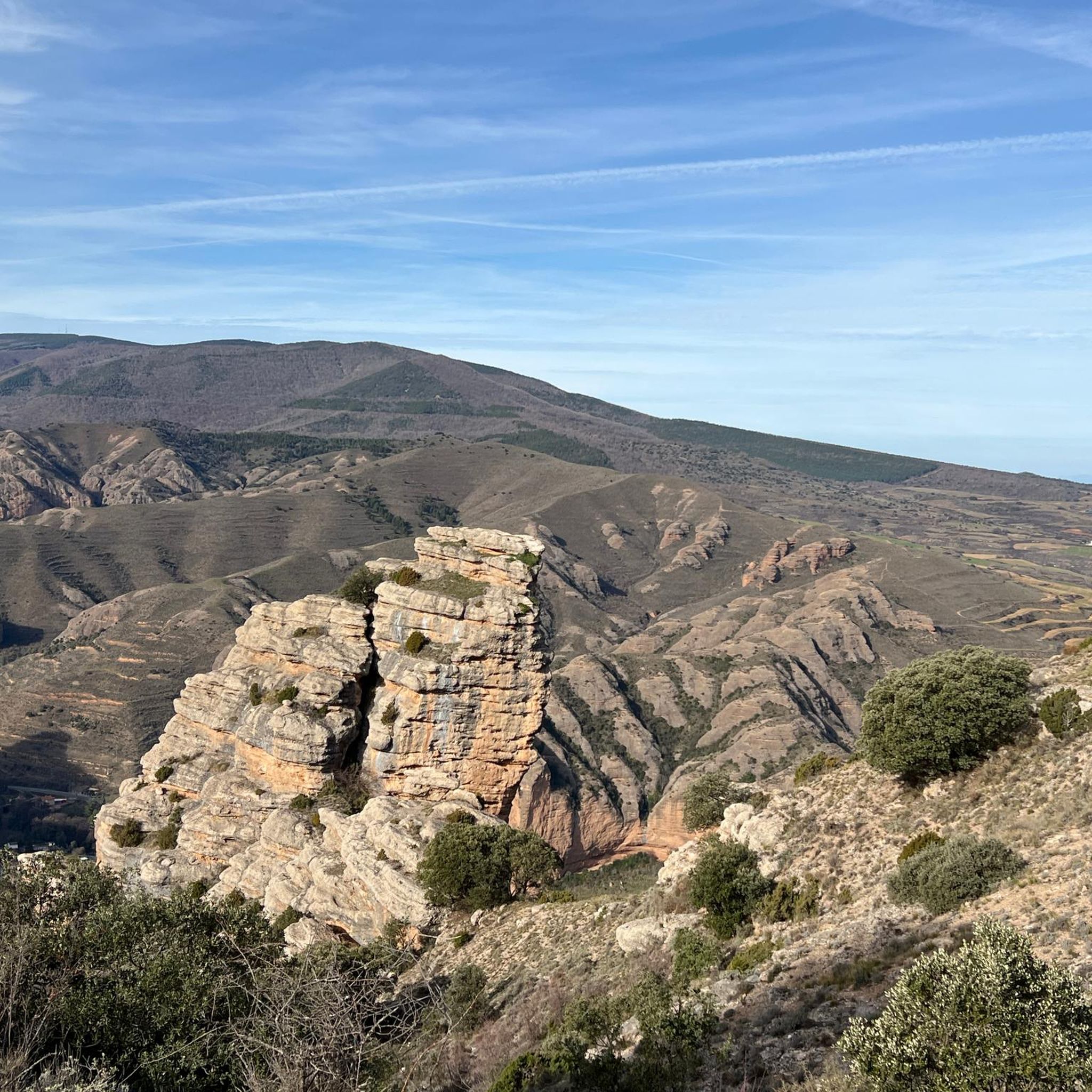
Tips from the Community

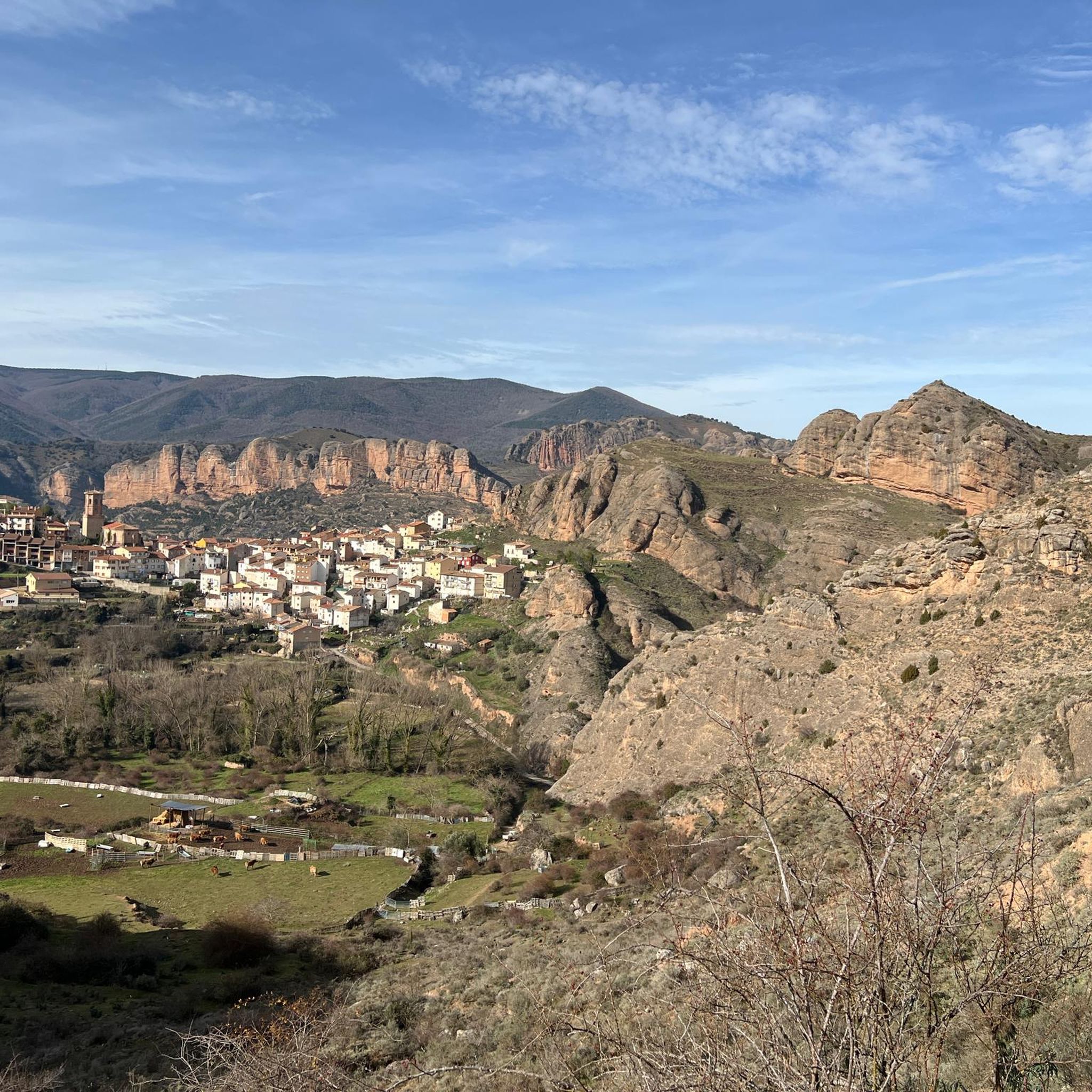
It is the largest set of caves in Valle del Iregua, with about 75 meters in length. Its walls are almost entirely pierced by a multitude of niches, in the shape of a semicircular arch, arranged in regular rows.
1
0
Curiously, it is just 50 meters from Cueva Mesa and Cueva Silla, no joke. Nearby there is a sign that says Cueva Lóbrega.
0
0
Curiously, it is just 50 meters from Cueva Mesa and Cueva Silla. Nearby there is a sign that says Cueva Lóbrega.
1
0

Quite an experience to visit these rock caves, very very curious
4
0
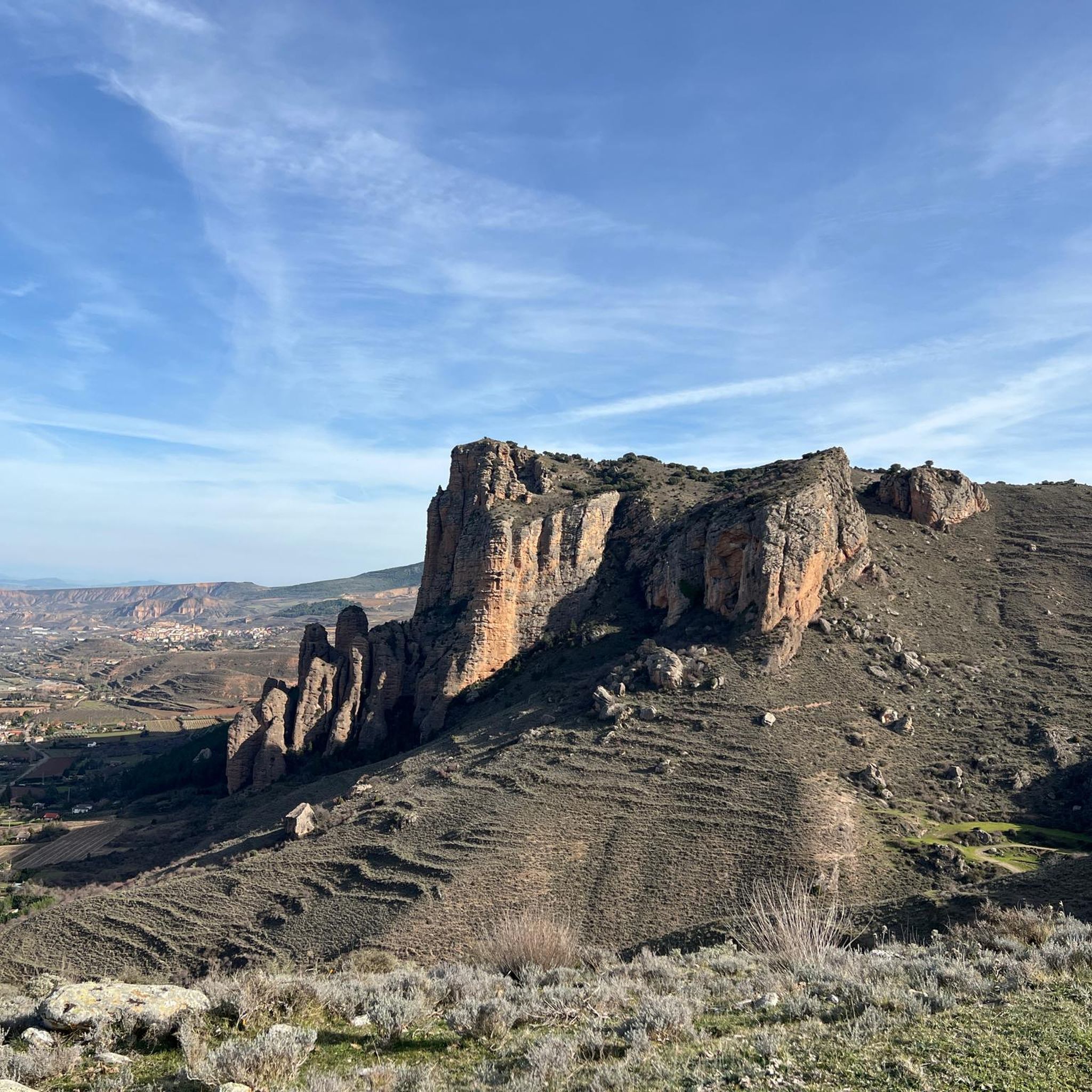
I have to admit that I didn't find any cave there, the most I did was peek at some area that could have a hole, but getting as far as I got was a real ordeal of spikes and boxwoods. I don't recommend trying it.
1
0
The cavity is nice, but the effort to get up ... whew, it was full of spikes and stuff. I do not recommend going up.
1
0
Small hole that is awfully hard to get to, due to the weeds and the spikes. In my opinion it is not worth the effort.
1
0
Second entrance to the cave, this is the most impressive, I have heard that it has more than 400 meters to go, although I do not think I walked more than 50-100 meters, just until I reached a rope/ladder, and that already It was scary, because he was alone. the cave is impressive
1
0
Frequently Asked Questions
What historical caves or sites can I visit in the Viguera area?
The region offers several sites with historical significance. The Cueva de los Moros in Castañares de las Cuevas is a rupestrian fortification that integrates natural caves into a defensive structure, dating back to the 10th century. Additionally, Cuevas de Palomares is a unique man-made cave system, historically used for pigeon nests, offering a curious glimpse into local traditions.
Are there natural caves to explore around Viguera?
Yes, Viguera features several natural caves. The CuevaMesa is a natural cavity, though access can be difficult due to terrain. The Cueva Ventana is another natural formation, noted for its challenging approach through dense vegetation. The Cueva de Las Guardias is also a natural cave visible from the 'Ruta de Las Guardias' hiking trail.
What are the most challenging caves for experienced explorers in Viguera?
For experienced explorers, CuevaLobrega-I offers a significant challenge, with a second section extending over 400 meters. CuevaMesa and Cueva Ventana are also considered challenging due to difficult access and terrain. Cerroyera 8, located near the Cerroyera mountain, is another natural cave that might appeal to experienced speleologists seeking less-trafficked formations.
Are there hiking trails that lead to caves in Viguera?
Yes, the 'Ruta de Las Guardias' is a hiking trail originating from Castañares de las Cuevas that offers views of the Cueva de Las Guardias. Additionally, the scenic walk to the Cueva de los Moros provides a pleasant hiking opportunity. For more hiking options in the area, you can explore the Hiking around Viguera guide.
What outdoor activities can I do near the caves in Viguera?
Beyond cave exploration, the Viguera region offers diverse outdoor activities. You can find numerous hiking trails, such as the 'Cemetery – Viguera Waterfall loop' or the 'Cruz de Peña Bajenza – La Cruz Viewpoint loop.' For cycling enthusiasts, there are routes like the 'Peña Soto – Nalda Castle loop.' Mountain biking is also popular, with trails like the 'Cameros and Iregua Valley Loop.' You can find more details in the Hiking around Viguera, Cycling around Viguera, and MTB Trails around Viguera guides.
Are there family-friendly caves or cave-related activities in Viguera?
While some natural caves can be challenging, the historical sites offer a more accessible experience. The walk to the Cueva de los Moros in Castañares de las Cuevas is scenic and allows families to explore an ancient fortification. Cuevas de Palomares, with its unique pigeon nest niches, can also be an interesting and curious visit for families.
What are 'calados' and can I visit them near Viguera?
'Calados' are traditional hand-dug underground wine cellars, significant to La Rioja's winemaking heritage. While specific tourist-oriented calados in Viguera itself are not widely advertised, their prevalence across La Rioja means similar historical structures could exist locally. Visiting calados in other parts of La Rioja, such as San Asensio or Logroño, offers a unique cultural experience to learn about traditional wine storage and tasting.
What do visitors enjoy most about the caves around Viguera?
Visitors appreciate the unique blend of natural formations and historical integration. For instance, Cuevas de Palomares is often described as a 'very curious' and 'quite an experience' due to its distinctive construction. The challenging natural caves like CuevaLobrega-I are noted for being 'impressive' by those who venture inside.
What is the best time to visit the caves and surrounding area in Viguera?
The Viguera region, like much of La Rioja, generally experiences pleasant weather in spring (April-June) and autumn (September-October), making these ideal times for outdoor activities and cave exploration. Temperatures are mild, and the natural landscape is vibrant. Summer can be hot, while winter might bring colder temperatures, especially at higher elevations like near Cerroyera mountain.
Are there any viewpoints or landmarks near the caves in Viguera?
Yes, the area around Viguera offers scenic viewpoints. The walk to the Cueva de los Moros from Castañares de las Cuevas provides scenic views of the surrounding landscape. Hiking routes in the region, such as the 'Cruz de Peña Bajenza – La Cruz Viewpoint loop,' are designed to showcase the natural beauty and offer panoramic vistas. The Cerroyera mountain, near Cerroyera 8 cave, is the highest peak in the Sierra de Camero Viejo, known for its wild terrain and potential for expansive views.
What should I wear for cave exploration in Viguera?
For exploring caves in Viguera, especially the more challenging natural ones, it's advisable to wear sturdy hiking boots with good grip, as terrain can be difficult and uneven. Long pants and sleeves can protect against scrapes and vegetation, particularly in areas like CuevaMesa or Cueva Ventana where spikes and weeds are mentioned. A headlamp or flashlight is essential for visibility inside any cave.
Most popular attractions around Viguera

Get inspired with the komoot mobile app


Explore more
Extend your search for the best caves by checking out these guides of the top ones around Viguera:
