Top 5 Gorges around Lúcar
Canyons around Lúcar, often referred to as gorges or barrancos, are characterized by their unique geological formations shaped by water and wind. The region features deep cuts in the landscape, particularly along riverbeds like the Salada Rambla and the Bacares River. These areas offer varied terrain, from narrow passages with towering walls to cavernous openings within steep peaks. The natural environment provides opportunities to explore distinct rock formations and riverine ecosystems.
Best canyons around Lúcar
- The most popular canyons is…
Last updated: July 3, 2026
El Estrecho de Urrácal
Highlight • Gorge
Translated by Google •
Tip by

El Cantaril Gorge
Highlight • Gorge
Translated by Google •
Tip by

Sign up now to discover places like this
Get recommendations on the best single tracks, peaks, & plenty of other exciting outdoor places.
Sign up for free
Cueva de la Paloma
Highlight • Cave
Translated by Google •
Tip by
La Cerrada de Valentín (La Cerrá), Tíjola
Highlight • Gorge
Translated by Google •
Tip by
Salto del Caballo
Highlight • Gorge
Translated by Google •
Tip by
Start today with a free account
Your next adventure awaits.
Login or Signup
Tips from the Community

The shortest beautiful gorge in the world
2
0

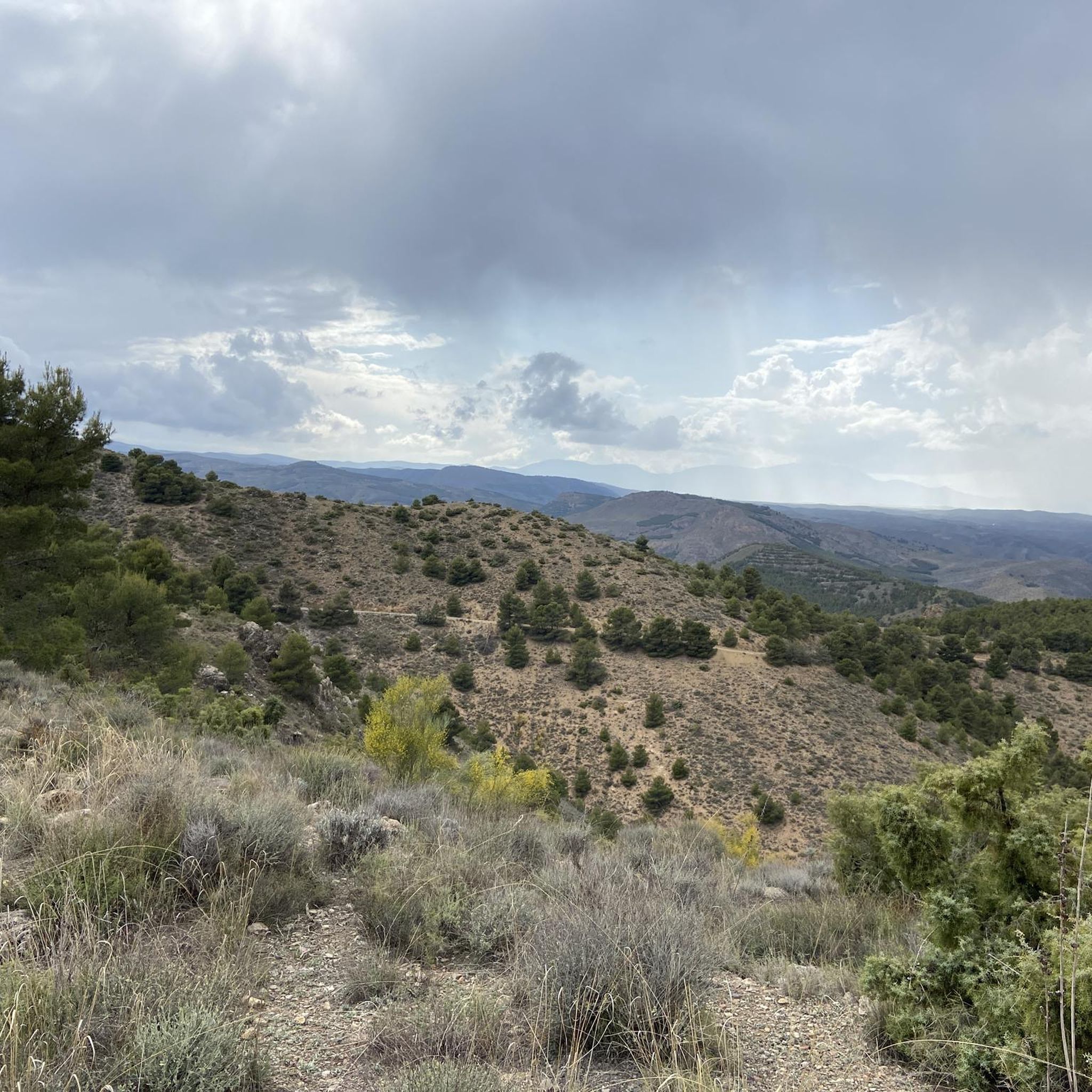
Challenging gorge, very quiet and unknown in the middle of nature with beautiful views, intended for the real biker and hiker.
0
0

One of the places that most impresses those who take a walk through the Almanzora Valley in the north of Almería, is El Estrecho located in the municipality of Urrácal. This narrow gorge is located on the Salada Rambla at the foot of the El Castillico hill. For decades it has not been possible to pass due to the large amount of vegetation that was on the boulevard. In the past, with the flooding of the riverbed, it was cleaned naturally, but the construction of dams to prevent large avenues and floods has caused, over the years, a large number of oleanders, tamarisks, blackberries and false reeds to appear. They prevented access. Thanks to the cleaning work that has been carried out, today we can enjoy a walk that surprises us with its particular geological formations of great beauty. The passage of water, which will accompany us along the route of this gorge, and the action of the wind, have shaped these spectacular geological formations for years, and its walls reach several meters high. It consists of two separate formations whose length reaches around half a kilometer where our senses will begin to enjoy the spectacle that this environment offers. A natural wonder worth exploring! 🌿🏞️
7
0
The Cueva de la Paloma in Bayarque, Andalusia, is a cavernous opening located at the foot of a steep peak. Its reddish and brown esplanade is formed by the compact accumulation of mineral rubble that fills the abrupt relief of the environment. This cave is located in the Bacares River gorge, with vertical limestone pits approximately 120 meters high. Access is free and available for visits. 🌿🏞️
1
0

This narrow gorge is located on the Rambla Salada at the foot of the hill “El Castillico”. For decades it has not been possible to pass due to the large amount of vegetation that was on the boulevard. Formerly, with the flooding of the riverbed, it was naturally cleaned but the construction of dams to prevent large avenues and floods has caused a large number of oleanders, tarays, blackberries and false reeds to appear over the years. the access. Thanks to the cleaning work that has been carried out, today, we can enjoy a walk that surprises us with its particular geological formations of great beauty. The passage of water, which will accompany us on the route of this gorge, and the action of the wind, have shaped these spectacular geological formations for years, and their walls reach several meters in height. It consists of two separate formations whose length reaches around half a kilometer where our senses will begin to enjoy the spectacle that this environment offers.
2
0
We will arrive at the top of Salto del Caballo where, according to legend, a cornered Moorish preferred to throw himself into the void with his mount rather than fall prisoner, NOT suitable for people with vertigo.
0
1
Located in the municipality of Bayarque, the Cueva de la Paloma is a cavernous opening at the foot of a steep peak, with a reddish and brown esplanade formed by the accumulation of mineral rubble, very compacted, that fill the abrupt relief of the environment. Outside we found a small hill on one side of the vertical wall that bordered the castle of Tíjola la Vieja, located in front. The place of La Cerrá, where it is located, is a gorge of the Bacares River, with vertical limestone pits with an approximate height of 120 meters. The sickle described by the river around a raised rock formation configures the natural fortress of the Tíjola la Vieja settlement. The Legend of the Treasure of the Cueva de la Paloma is shared by the residents of Tíjola and those of Bayarque. The locals say that when the artillery attack of Don Juan de Austria took place, the Moors fled at night, taking with them some food and the most valuable belongings for them, but they did not manage to take everything and hid most of their riches taking advantage of the grottos and caves in the area. It is assumed that most of a lavish treasure is hidden in the bowels of the Cueva de la Paloma, or in its surroundings.
1
0
The Paraje de La Cerrada de Valentín, La Cerrá, is a narrow and vertiginous gorge of several dozen meters, more than 120, a gash in the rock through which a small section of the Bacares River runs. Spectacular nature, history, work and leisure are concentrated there. Since my great grandparents, my family has been linked to their environment, hard work and happy moments. It is a benchmark of the natural and cultural heritage of the City of Tíjola. There are many vestiges of ancient populations settled in the environment. The place must have been very coveted for the abundance of water, mineral deposits and the defensive strength of the land. The current of water and its great unevenness favored agricultural use, livestock and the driving force for mills and other industries. The surrounding subsoil hides copper, iron, cinnabar and agate. La Cueva de la Paloma produced copper from the Argaric period (II millennium BC) until the last century. The abundance of limestone is remarkable, indispensable for ashlars, masonry and mortar. To the south, the Sierra de los Filabres offered wood, honey and all kinds of medicinal plants. To the north, just a few hundred meters, La Muela is a huge deposit of pottery clay of the best quality.
0
0
Frequently Asked Questions
What kind of geological features can I expect to see in the canyons around Lúcar?
The canyons around Lúcar, often referred to as gorges or barrancos, are characterized by unique geological formations shaped by water and wind. You'll find deep cuts in the landscape, particularly along riverbeds like the Salada Rambla and the Bacares River, with towering walls and cavernous openings within steep peaks. For example, El Estrecho de Urrácal features spectacular formations with walls reaching several meters high, while Cueva de la Paloma is a cavernous opening with vertical limestone pits approximately 120 meters high.
Are there any historical or cultural sites within the canyons of Lúcar?
Yes, some canyons in the Lúcar region hold historical significance. For instance, Cueva de la Paloma, located in the Bacares River gorge, is associated with a local legend of hidden treasure from the time of Don Juan de Austria. Nearby, La Cerrada de Valentín (La Cerrá) in Tíjola, a narrow gorge of the Bacares River, shows vestiges of ancient populations and evidence of copper mining from the Argaric period (II millennium BC).
What outdoor activities can I do near the canyons around Lúcar?
Beyond exploring the canyons themselves, the Lúcar area offers a variety of outdoor activities. You can find numerous hiking trails, including moderate routes like 'Las Minas de Talco – circular between Lucar and Somontin (PR-A 301)'. There are also road cycling routes and running trails, ranging from moderate to difficult, allowing you to experience the mountainous terrain and scenic views.
Are there any canyons suitable for families or those looking for an easier exploration?
While specific 'family-friendly' categories aren't explicitly listed for all canyons, some routes offer more accessible experiences. For example, the cleaning work at El Estrecho de Urrácal has made it more enjoyable for a walk, allowing visitors to appreciate its geological beauty. The El Cantaril Gorge also offers a variant that is less than 10 km, making it a manageable option for many.
What is the best time of year to visit the canyons in Lúcar?
The Lúcar region, being in Almería, generally experiences a Mediterranean climate. While specific seasonal advice for canyoning isn't provided, spring and autumn are typically ideal for outdoor activities like hiking and exploring gorges, as temperatures are milder than the summer heat and rainfall is less frequent than in winter. This allows for comfortable exploration of the natural formations.
What are some of the unique natural features found in the canyons of Lúcar?
The canyons of Lúcar boast several unique natural features. You can observe the dramatic impact of water and wind erosion, creating towering walls and narrow passages, particularly along the Salada Rambla and Bacares River. Highlights include the 'particular geological formations of great beauty' at El Estrecho de Urrácal, and the 'vertical limestone pits approximately 120 meters high' surrounding Cueva de la Paloma. The area also features river-carved ravines and cavernous openings.
Are there any viewpoints offering panoramic views of the canyons?
While not explicitly listed as a viewpoint, Salto del Caballo is described as a location where you arrive at the 'top,' suggesting elevated views of the surrounding landscape. The dramatic nature of the gorges themselves, with their high walls and deep cuts, naturally offers impressive vistas throughout your exploration.
What should I wear or bring when exploring the canyons around Lúcar?
When exploring the canyons and gorges around Lúcar, it's advisable to bring suitable mountain shoes and clothing, especially for areas like La Cerrada de Valentín (La Cerrá). Given the varied terrain, which can include riverbeds and potentially slippery surfaces, sturdy footwear is essential. Layered clothing is also recommended to adapt to changing temperatures throughout the day.
Is public transport available to reach the canyons near Lúcar?
Information on specific public transport routes directly to the canyon trailheads around Lúcar is limited. It is generally recommended to plan for personal transportation to access these natural areas, as many are located in more remote, mountainous regions. Checking local bus schedules for Lúcar and nearby towns might offer connections, but direct access to trailheads is often best by car.
Are there any regulations or permits required for hiking or exploring the canyons?
The provided information does not specify any permits required for general hiking or exploring the canyons around Lúcar. However, it's always good practice to respect local regulations, stay on marked paths where available, and minimize your environmental impact. For specific routes, especially those that might cross private land or protected areas, it's advisable to check with local tourism offices for any updated requirements.
Can I find places to eat or stay near the canyons in Lúcar?
Lúcar is a small municipality, and while specific establishments near the canyon trailheads are not detailed, the village itself and surrounding towns will offer options for dining and accommodation. It's recommended to check for local restaurants, cafes, and guesthouses in Lúcar or nearby larger towns like Tíjola or Purchena, which are within reasonable driving distance of the canyon areas.
What is the difficulty level of the trails associated with the canyons?
The trails associated with the canyons around Lúcar vary in difficulty. For example, El Estrecho de Urrácal is described as an intermediate gorge, while El Cantaril Gorge is also rated as intermediate. Salto del Caballo is considered challenging and 'NOT suitable for people with vertigo.' Many hiking routes in the broader Lúcar area are classified as moderate to difficult, so it's important to choose trails that match your fitness level and experience.
Most popular attractions around Lúcar

Get inspired with the komoot mobile app


Explore more
Already discovered everything in this region? See additional gorges around Lúcar for your next adventure:
