Top 6 Caves around Valle De Valdebezana
Best caves around Valle De Valdebezana are located in the province of Burgos, Spain, an area known for its karst geology. This region features a landscape shaped by subterranean formations and offers insights into geological history. Visitors can explore various cave systems and rupestrian sites, showcasing both natural wonders and historical adaptations of the rock formations. The area provides opportunities for exploring geological features and ancient human history.
Best caves around Valle De Valdebezana
- The most popular caves is Natural…
Last updated: July 3, 2026
Natural Rock Arch of Puentedey
Highlight • Natural Monument
Translated by Google •
Tip by

Turquoise Pools and Waterfalls of Orbaneja del Castillo
Highlight • Waterfall
Translated by Google •
Tip by

Sign up now to discover places like this
Get recommendations on the best single tracks, peaks, & plenty of other exciting outdoor places.
Sign up for free
Hermitage of San Bernabé of Ojo Guareña
Highlight • Religious Site
Translated by Google •
Tip by

Ojo Guareña Natural Monument
Highlight • Natural Monument
Translated by Google •
Tip by

San Tirso and San Bernabé Caves
Highlight • Cave
Translated by Google •
Tip by

Sign up for free to discover even more caves around Valle De Valdebezana.
Sign up for free
Already have an account?
Start today with a free account
Your next adventure awaits.
Login or Signup
Popular around Valle De Valdebezana
TransCantabrica – Extreme mountain biking in northern Spain
Endless valleys and historic villages – Route of the Senses (GR 85)
MTB Trails around Valle De Valdebezana
Hiking around Valle De Valdebezana
Road Cycling Routes around Valle De Valdebezana
Cycling around Valle De Valdebezana
Running Trails around Valle De Valdebezana

Gravel biking around Valle De Valdebezana


Tips from the Community

The waterfall springs from the Cueva del Agua from a height of over 20 meters, at the base of the rocky cirque that embraces the village, originating from an aquifer located in the subsoil of the Páramo de Bricia, and it leaps everywhere, dividing the village into two halves, the Villa and the Puebla, and descends among the stone houses, creating a most photogenic scene.
2
0

A spectacular area for hiking trails
0
0

Ideal for taking a dip on hot days!
1
0

The Hermitage of San Bernabé is located at the main entrance to the Ojo Guareña Karst Complex and is part of the caves. It is located in the municipality of Cueva de Sotoscueva. The date of its construction is unknown; some place it between the 8th and 9th centuries, but it is also believed to date back to the 13th century. It was originally dedicated to San Tirso.
1
0

It is beautiful on its own, but if we add the depths of the town from which it arises... visit it!
7
0
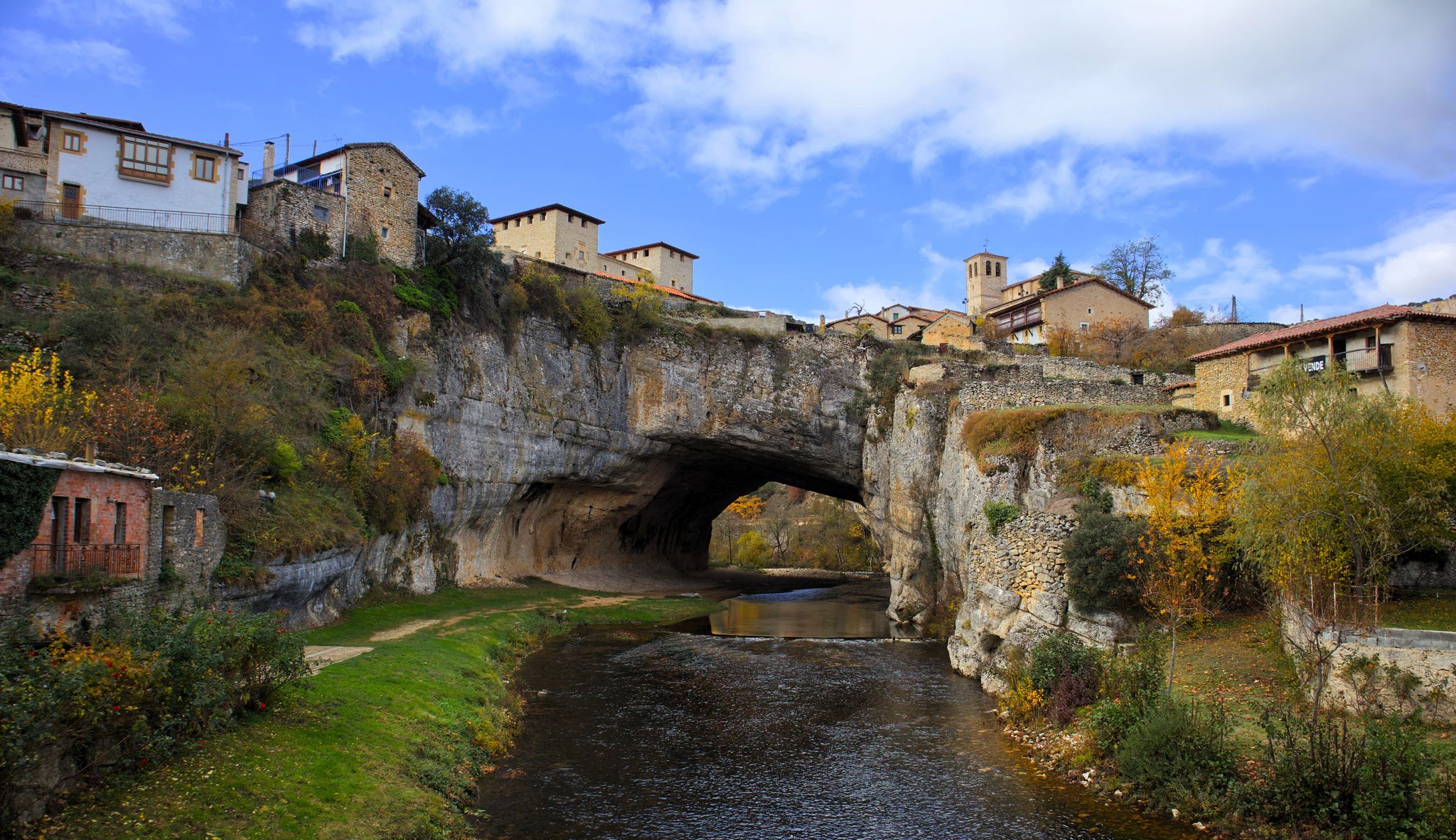
This is the best-known image of the famous town of Puentedey.
1
0
The hermitage of San Bernabé is located at the main entrance of the Ojo Guareña Karst Complex and is part of the caves. Located in the municipality of Cueva de Sotoscueva. The date of its construction is unknown, some place it between the 8th and 9th centuries, but it is also believed to be from the 13th century.
0
0
Puentedey is a mandatory stop if we want to get to know one of the most beautiful towns in Las Merindades. It will be included in the list of the Most Beautiful Towns in Spain association in 2022. The enormous natural stone arch over the Nela River is its main emblem.
1
0
Frequently Asked Questions
What types of caves and subterranean sites can I explore in and around Valle de Valdebezana?
The region offers a diverse range of subterranean experiences. You can find extensive natural karst systems like the Cuevas del Piscarciano, de las Vacas, and de las Arenas, which feature stalactites, stalagmites, and underground waterfalls. There are also unique rupestrian sites such as the Eremitorios Rupestres de la Tía Isidora y del Horno, which are ancient rock-cut hermitages. Additionally, nearby areas boast monumental complexes like Ojo Guareña, known for its vast galleries and archaeological significance, and the Cueva del Agua with its active underground river.
Are there any family-friendly cave experiences in the area?
Yes, some caves offer experiences suitable for families. For instance, the Cueva del Agua near Basconcillos del Tozo is known for its active underground river and can be explored by families during low-water seasons. The accessible sections of the Ojo Guareña Natural Monument, such as the Hermitage of San Bernabé, also provide guided tours that are generally suitable for a wider audience, focusing on history and culture within the cave system.
What historical or archaeological significance do the caves hold?
The caves and rupestrian sites in the region are rich in history. The Eremitorios Rupestres de la Tía Isidora y del Horno offer a glimpse into early religious practices, with rock-cut chambers and Christian symbols, possibly dating back to the Visigothic era. The Ojo Guareña Natural Monument is particularly significant, with archaeological findings spanning 46,000 years, including Neanderthal remains, burials, and rock art. The Hermitage of San Bernabé within Ojo Guareña features historical paintings and evidence of human occupation.
Do I need special permits or equipment to visit the caves?
Access requirements vary depending on the cave. For extensive karst systems like the Cuevas del Piscarciano, de las Vacas, and de las Arenas, visits are primarily for speleological and educational activities, often requiring specialized knowledge and equipment, with controlled visits organized by specialized groups. More accessible sites like the Hermitage of San Bernabé of Ojo Guareña and Cueva Palomera typically offer guided tours that do not require specialized equipment.
What unique geological features can I expect to see?
The region's karst geology provides impressive features. You can see classic formations like stalactites and stalagmites in many caves. The Cueva de las Vacas is noted for an underground waterfall. The Cueva del Agua features an active underground river, the Río Hurón, and large subterranean halls. Additionally, the Natural Rock Arch of Puentedey is a striking example of a natural bridge formed by river erosion, with a village built upon it.
Are there opportunities for underground walks or guided tours?
Yes, there are opportunities for underground exploration. The Cueva del Agua allows visitors to walk 100-200 meters inside to see the underground river. The Ojo Guareña Natural Monument offers guided tours through sections like the Hermitage of San Bernabé and Cueva Palomera, which include impressive cave art and historical insights.
What outdoor activities can I combine with a visit to the caves?
The area around Valle de Valdebezana is excellent for various outdoor activities. You can find numerous routes for mountain biking, running, and hiking. For example, there are MTB trails around the Embalse del Ebro, running trails near Orbaneja del Castillo, and hiking routes like the Ruta de los Sentidos. These activities allow you to experience the diverse landscapes surrounding the cave systems.
What is the best time of year to visit the caves in Valle de Valdebezana?
The best time to visit depends on the specific cave and your activity. For caves with active underground rivers, like the Cueva del Agua, low-water seasons are generally recommended for easier exploration. For surface-level rupestrian sites or guided tours in larger complexes, spring and autumn offer pleasant weather for both cave visits and exploring the surrounding natural beauty.
What do visitors enjoy most about the caves and natural sites in this region?
Visitors frequently appreciate the unique geological formations, the historical and archaeological insights, and the stunning natural beauty. Highlights like the Natural Rock Arch of Puentedey are praised for their picturesque setting, while the Turquoise Pools and Waterfalls of Orbaneja del Castillo are admired for their dreamlike appearance and the way the waterfall flows through the village. The historical depth of sites like the Hermitage of San Bernabé also leaves a lasting impression.
Are there any caves that are particularly challenging or suited for experienced speleologists?
Yes, the complex of Cuevas del Piscarciano, de las Vacas, and de las Arenas is recognized as the third longest cave system in Burgos, with approximately 14,300 meters of explored galleries. These caves are primarily suited for speleologists and require specialized knowledge and equipment due to their extensive and complex subterranean environments.
Can I see cave art or ancient human traces in the caves?
Yes, the Ojo Guareña Natural Monument is particularly renowned for its archaeological value, including cave paintings, engravings, and ceramic remains. Specifically, Cueva Palomera within the complex features impressive cave art dating back 10,000 years and a notable 'Sala de las Huellas' (Room of Footprints) with bare human footprints from 4,200 to 4,600 years ago. The Hermitage of San Bernabé also contains historical paintings.
Most popular routes around Valle De Valdebezana
Most popular attractions around Valle De Valdebezana

Get inspired with the komoot mobile app


Explore more
Extend your search for the best caves by checking out these guides of the top ones around Valle De Valdebezana:
