Top 7 Castles around Alfarrasí
Best castles around Alfarrasí are primarily found in the surrounding region, as Alfarrasí itself is known for religious buildings such as the 18th-century Church of Saint Jerome. The area holds historical significance within the former Kingdom of Valencia. Visitors interested in historical sites can explore nearby fortresses that offer insights into the region's past. These castles are often situated in strategic locations, providing views of the landscape.
Best castles around Alfarrasí
- The most popular castles is Castell de Xàtiva,…
Last updated: July 3, 2026
Castell de Xàtiva
Highlight • Castle
Translated by Google •
Tip by

Sun Tower of Xàtiva
Highlight • Castle
Translated by Google •
Tip by

Sign up now to discover places like this
Get recommendations on the best single tracks, peaks, & plenty of other exciting outdoor places.
Sign up for free
View of Castell de Cocentaina
Highlight • Castle
Translated by Google •
Tip by

View of Carrícola Castle
Highlight • Viewpoint
The Castillo de Carrícola rises on a rock above the …
Translated by Google •
Tip by

La Solana del Castell
Highlight • Historical Site
Translated by Google •
Tip by
Sign up for free to discover even more castles around Alfarrasí.
Sign up for free
Already have an account?
Start today with a free account
Your next adventure awaits.
Login or Signup

Tips from the Community

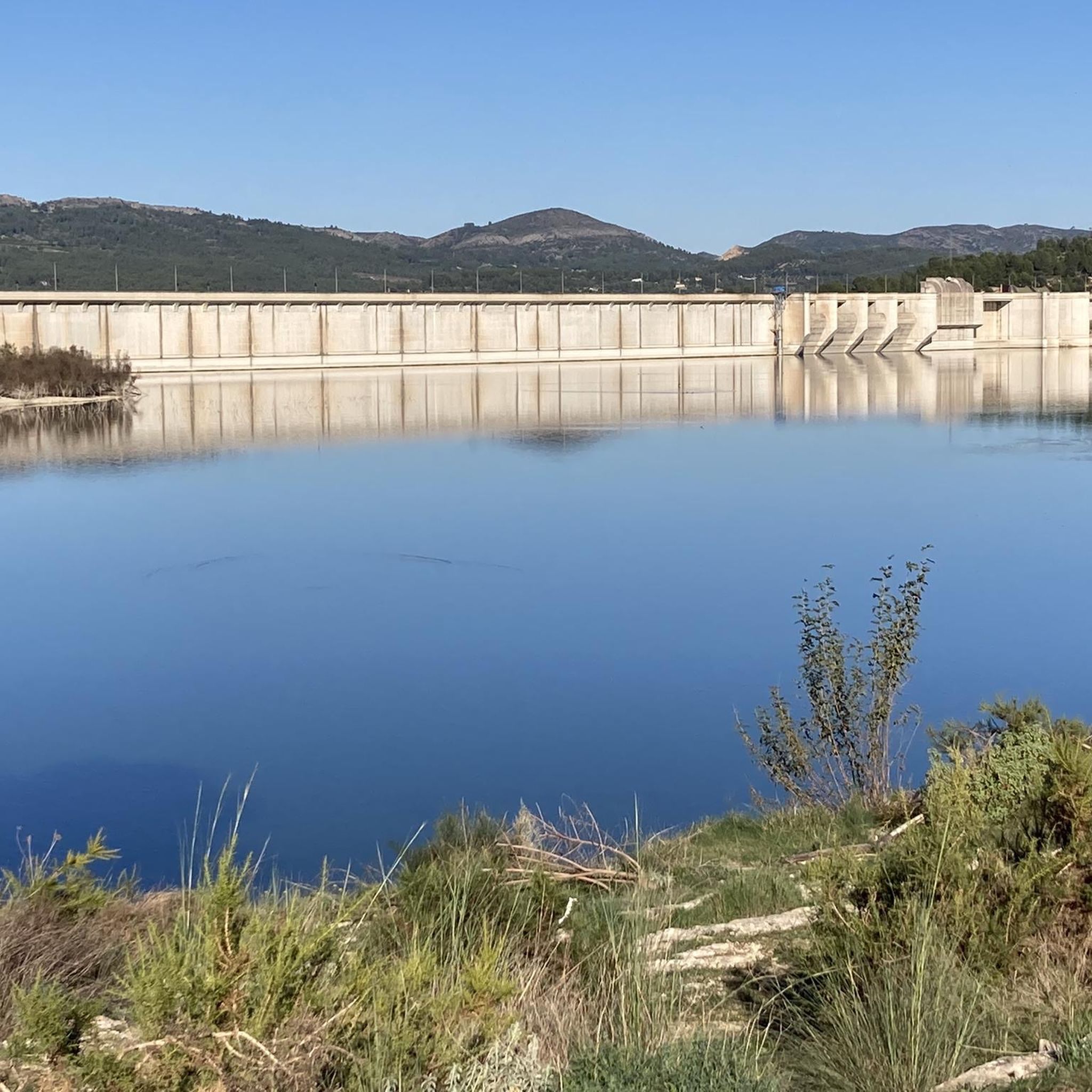
The Castell de Carrícola, also known as Castellet, is a historic and natural gem located in the municipality of El Palomar, in the Vall d'Albaida region of Valencia. It is an ancient Islamic fortification built between the 10th and 12th centuries, although the current tower was erected after the Christian conquest, around the mid-13th century. It has been declared a Site of Cultural Interest and has been restored to allow visitors to visit it, including access to its terrace, from where you can enjoy spectacular views of the region and the Bellús reservoir.
3
0

The castle, which is not particularly worth seeing, dates back to the Almohad period and was built between the 10th and 12th centuries. But the view is very beautiful.
0
1

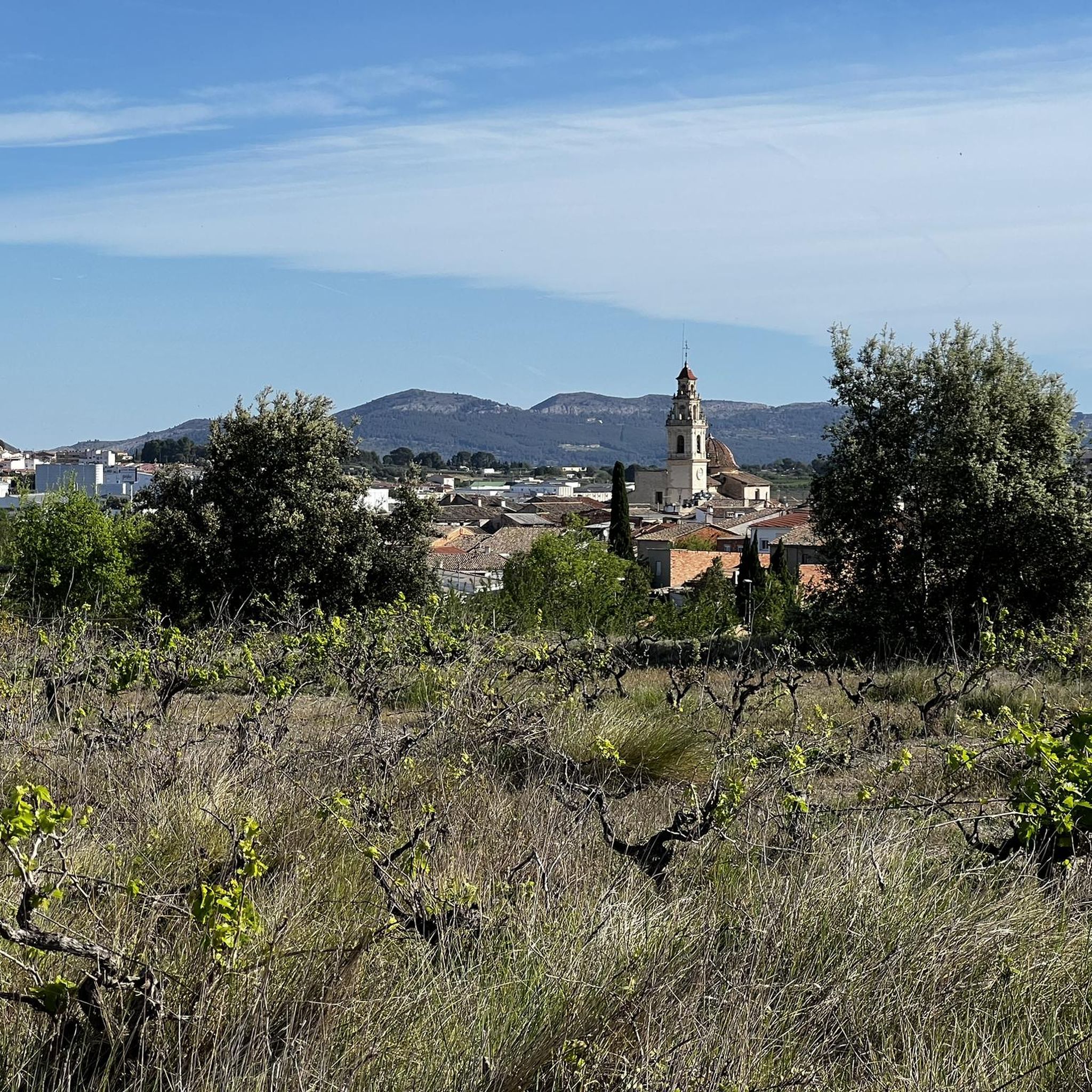
This point is a great viewpoint. Below is the figure of the castle tower and in the background the valley. The Castillo de Carrícola rises on a rock above the town. A trail leads to the remains of the wall and the high tower through the beautiful ravine of the Castellar.
1
0

Impressive facility and fantastic views
1
0

Wear suitable footwear, as there are quite steep steps and loose ground.
2
0
The views from the castle are spectacular.
2
0

Wonderful place worth visiting and exploring. The Castell has a unique value for the entire Valencian Community since it was once one of the strongest and strategic points of the ancient Kingdom of Valencia. Today it offers amazing views of the entire La Costera valley and you cannot miss visiting it from the inside. To get there you will travel part of the Via Augusta, an ancient and well-known route that linked Rome with Cartagena and Cádiz, running along the Mediterranean coast and crossing the Pyrenees.
2
0
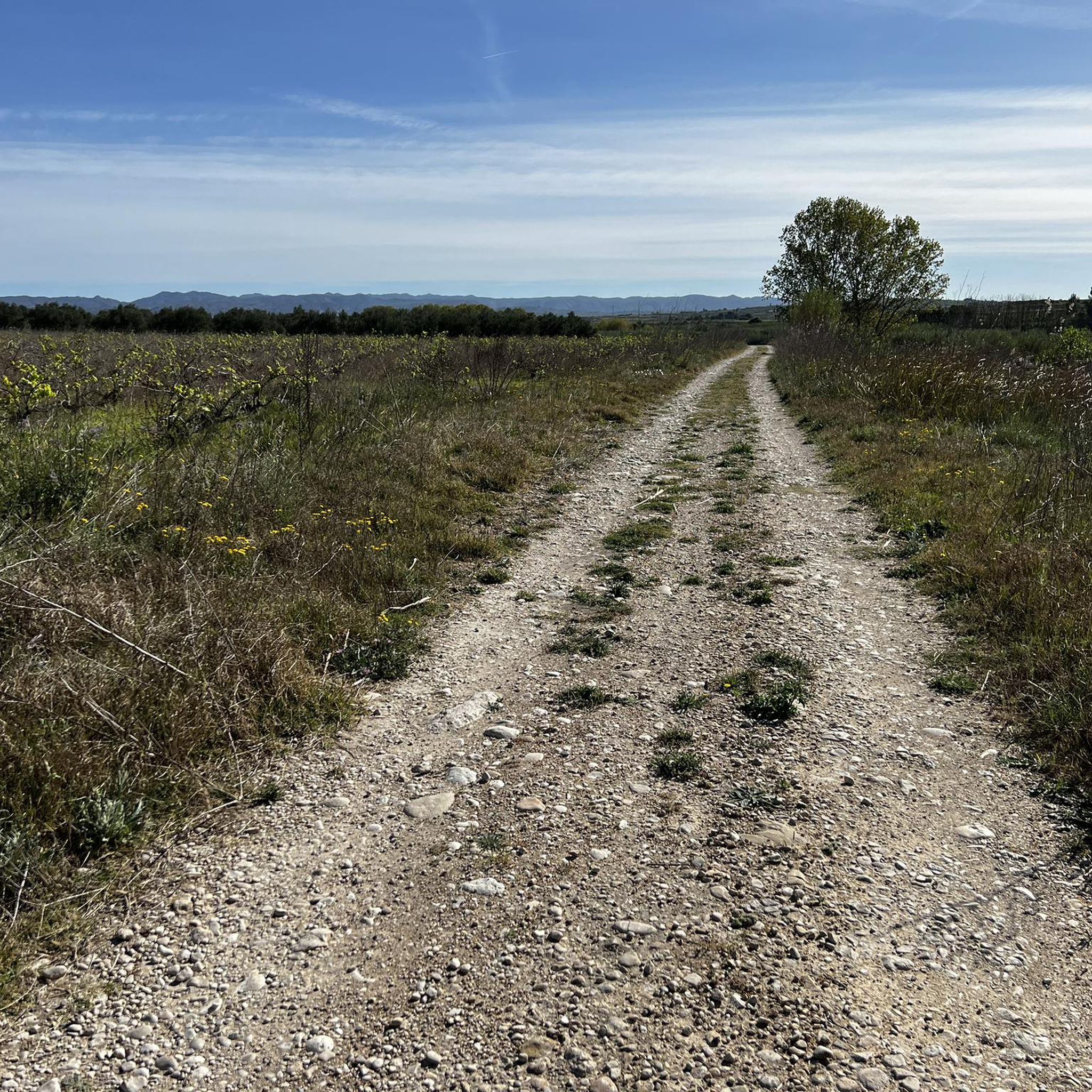
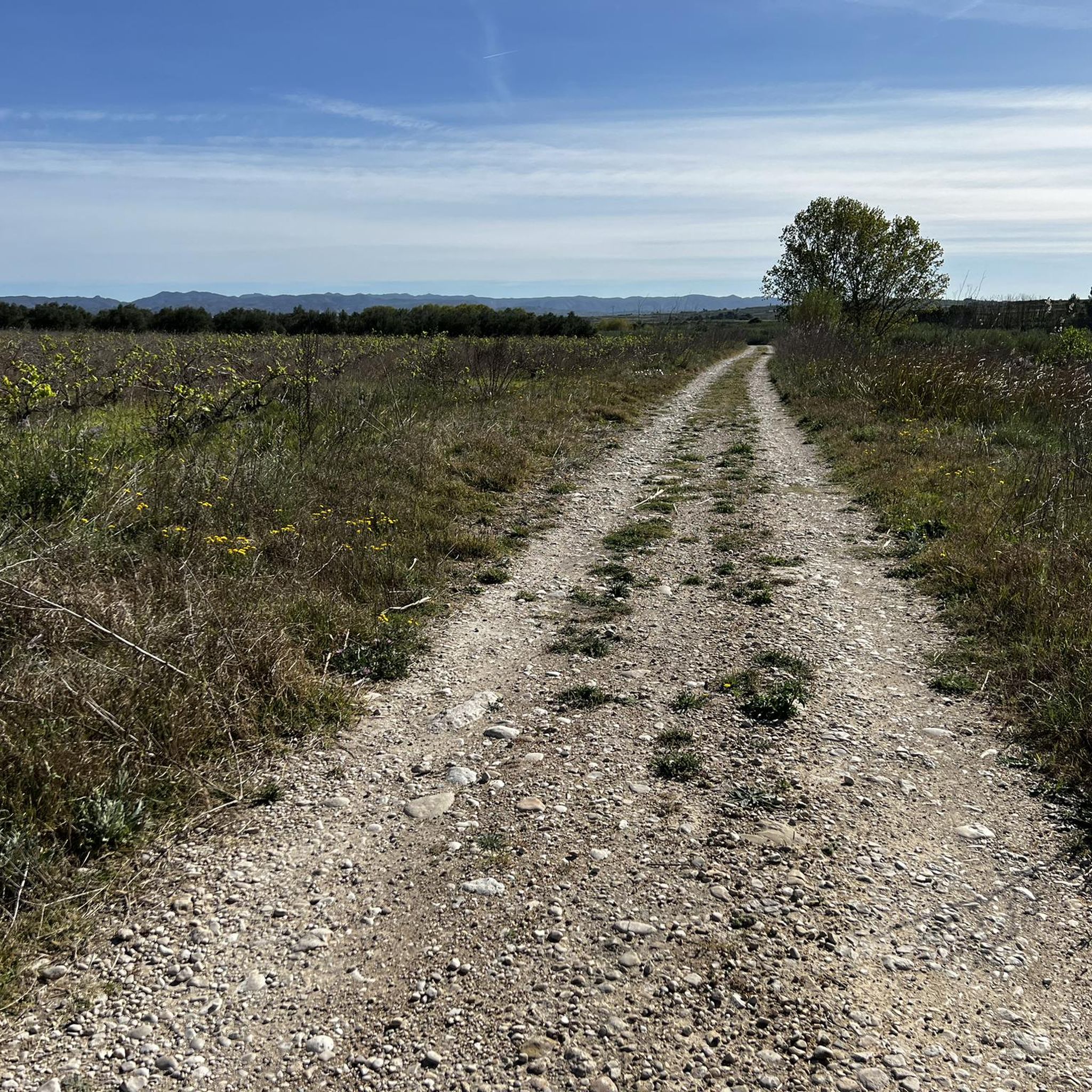
A very cool and entertaining path along the sunny side with very nice views of the castle and its fortress. It is a very pleasant route with a surface in very good condition.
3
0
Frequently Asked Questions
What are some of the most notable castles to visit around Alfarrasí?
While Alfarrasí itself is known for religious buildings, the surrounding region boasts significant historical fortresses. The most popular is Castell de Xàtiva, a strategic fortress on the ancient Via Augusta. Another notable site is the Sun Tower of Xàtiva, an Almohad tower that was part of the castle's defense wall. You can also find scenic spots like the View of Carrícola Castle, offering perspectives of ancient ruins.
What historical significance do the castles in this region hold?
The castles around Alfarrasí, particularly Castell de Xàtiva, are deeply rooted in the history of the Valencian Community. They often sit on Iberian and Roman remains, having been expanded and fortified by successive cultures. These fortresses played crucial roles in conflicts, including Hannibal's campaigns, the Al-Andalus period, and wars against Castile, serving as strategic strongholds and even prisons for illustrious figures.
Are there family-friendly castles near Alfarrasí?
Yes, Castell de Xàtiva is considered family-friendly, offering extensive grounds to explore and a journey through history that can engage visitors of all ages. Its facilities make it a suitable destination for families.
Can I combine a castle visit with outdoor activities like hiking or cycling?
Absolutely. The region around Alfarrasí offers various outdoor activities. For instance, you can find cycling routes like the 'Arcadetes d’Alboi – Bellús Dam loop' or 'Great views – Cova Negra loop' which might pass near historical sites. Explore more options on the Cycling around Alfarrasí or Gravel biking around Alfarrasí guides.
Which castles offer the best viewpoints?
Many castles in the area are strategically located to offer impressive views. Castell de Xàtiva provides fantastic views, especially from its older 'Castillo Menor' section overlooking the Bixquert valley. The View of Carrícola Castle is specifically highlighted as a great viewpoint, offering a perspective of the castle tower and the valley below. Additionally, the View of Castell de Cocentaina provides spectacular views from its restored terrace.
How long should I plan for a visit to a castle like Castell de Xàtiva?
Given its extensive grounds and two main sections (Minor and Major Castle), a thorough visit to Castell de Xàtiva could easily take half a day or more to fully explore its history and enjoy the views. Other smaller castle ruins or viewpoints might require less time, perhaps 1-2 hours.
Is public transport available to reach castles near Alfarrasí?
While Alfarrasí itself is a smaller town, larger nearby towns like Xàtiva, where Castell de Xàtiva is located, are generally accessible by public transport (train or bus). From Xàtiva, local transport or a walk might be required to reach the castle entrance. It's advisable to check local transport schedules for specific routes.
Are there any dog-friendly castles or areas around them?
While specific castle interiors might have restrictions, the outdoor areas and trails leading to castle viewpoints, such as the path to the View of Carrícola Castle or La Solana del Castell, are often suitable for walks with dogs, provided they are kept on a leash. Always check specific site regulations before visiting.
What is the best time of year to visit the castles around Alfarrasí?
The region experiences a Mediterranean climate. Spring (April-May) and autumn (September-October) generally offer pleasant temperatures for exploring outdoor sites like castles, avoiding the intense heat of summer and the cooler, potentially wetter days of winter. These seasons are ideal for comfortable walking and enjoying the views.
Are there any castles accessible via hiking trails?
Yes, some castles or their viewpoints are integrated with hiking opportunities. For example, the Castillo de Carrícola rises on a rock above its town and is accessible via a trail through the ravine. Similarly, La Solana del Castell offers a cool path with views of the castle, suitable for walking.
What kind of amenities or facilities can I expect at these castle sites?
Larger, more popular sites like Castell de Xàtiva typically offer facilities such as restrooms, information points, and sometimes cafes or small shops. For viewpoints or lesser-known ruins, amenities might be limited, so it's wise to bring your own water and snacks.
What makes Castell de Xàtiva particularly unique?
Castell de Xàtiva is unique due to its strategic position on the ancient Via Augusta, making it one of the strongest fortresses in the former Kingdom of Valencia. It's divided into two distinct sections, the Minor and Major Castles, showcasing different historical periods from Iberian and Roman remains to medieval expansions. Its grandeur and imposing structure offer a comprehensive journey through the region's past.
Are there any lesser-known or 'hidden gem' castles worth exploring?
While not a 'hidden gem' in the sense of being completely unknown, the Castell de Cocentaina, also known as Castellet, is a historic Islamic fortification with a restored tower offering spectacular views. It's a cultural interest site that provides a rewarding visit beyond the most prominent fortresses.
What should I wear when visiting the castles?
Comfortable walking shoes are highly recommended, as many castles involve uneven terrain, stairs, and sometimes steep paths. Layers of clothing are also advisable, especially during spring and autumn, to adapt to changing temperatures. Sun protection, such as a hat and sunscreen, is important during sunnier months.
Most popular routes around Alfarrasí
Most popular attractions around Alfarrasí

Get inspired with the komoot mobile app


Explore more
Looking for the best castles somewhere else? Discover other guides around Alfarrasí:
