Top 7 Castles around Alcalá Del Valle
Best castles around Alcalá Del Valle are part of a region with a rich historical past, evidenced by its name, "Alcalá," meaning "The Castle." This picturesque white village in Cádiz province is characterized by its natural landscape and cultural significance. While traditional, well-preserved castles are not prominent, the area features historical sites and fortified locations that reflect its heritage. The surrounding terrain offers insights into centuries of history and defensive architecture.
Best castles around Alcalá Del Valle
- The most popular…
Last updated: May 22, 2026
Castillo de Olvera
Highlight • Castle
Translated by Google •
Tip by

Archpriest Church of Our Lady of the Incarnation and Saint Joseph (Olvera)
Highlight • Religious Site
Translated by Google •
Tip by

Sign up now to discover places like this
Get recommendations on the best single tracks, peaks, & plenty of other exciting outdoor places.
Sign up for free
Castle of Cañete la Real (Hisn Qannit)
Highlight • Castle
Castle of Hins-Canit
Castle of Hisn-Canit
Castle of Hisn Qannit
Castle Hins Qannit
Translated by Google •
Tip by

Torre Alháquime and Arco de la Villa
Highlight • Historical Site
The labyrinthine layout of its streets is nestled in its most important monuments: the parish of Nuestra Señora de la …
Translated by Google •
Tip by
Pruna
Highlight • Settlement
Translated by Google •
Tip by

Sign up for free to discover even more castles around Alcalá Del Valle.
Sign up for free
Already have an account?
Start today with a free account
Your next adventure awaits.
Login or Signup
Tips from the Community

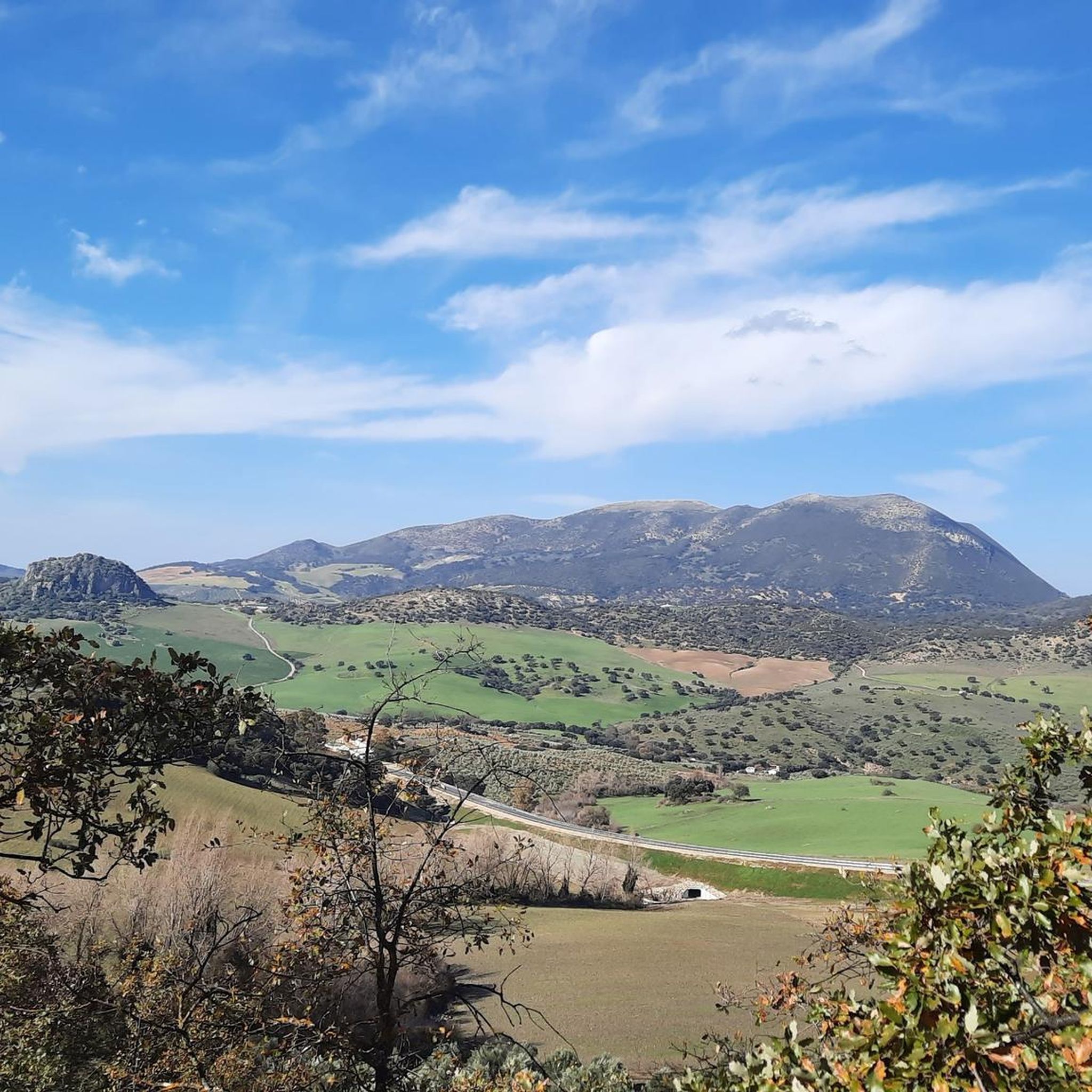
Cañete la Real Castle, also known as Hins-Canit Castle or Hisn Qannit, is an impressive fortress located on a hilltop southwest of the municipality of Cañete la Real, in the province of Málaga. Its origins date back to the 9th century, during the Muslim period. It was a key bastion in the Muladi revolt against the Caliphate of Córdoba, led by Omar ibn Hafsún. In 906, it was reconquered by the Muslims and later passed into Christian hands in 1330 under King Alfonso XI. It changed hands several times between Muslims and Christians until its final conquest in 1482, when it was handed over to the House of Osuna.
1
0
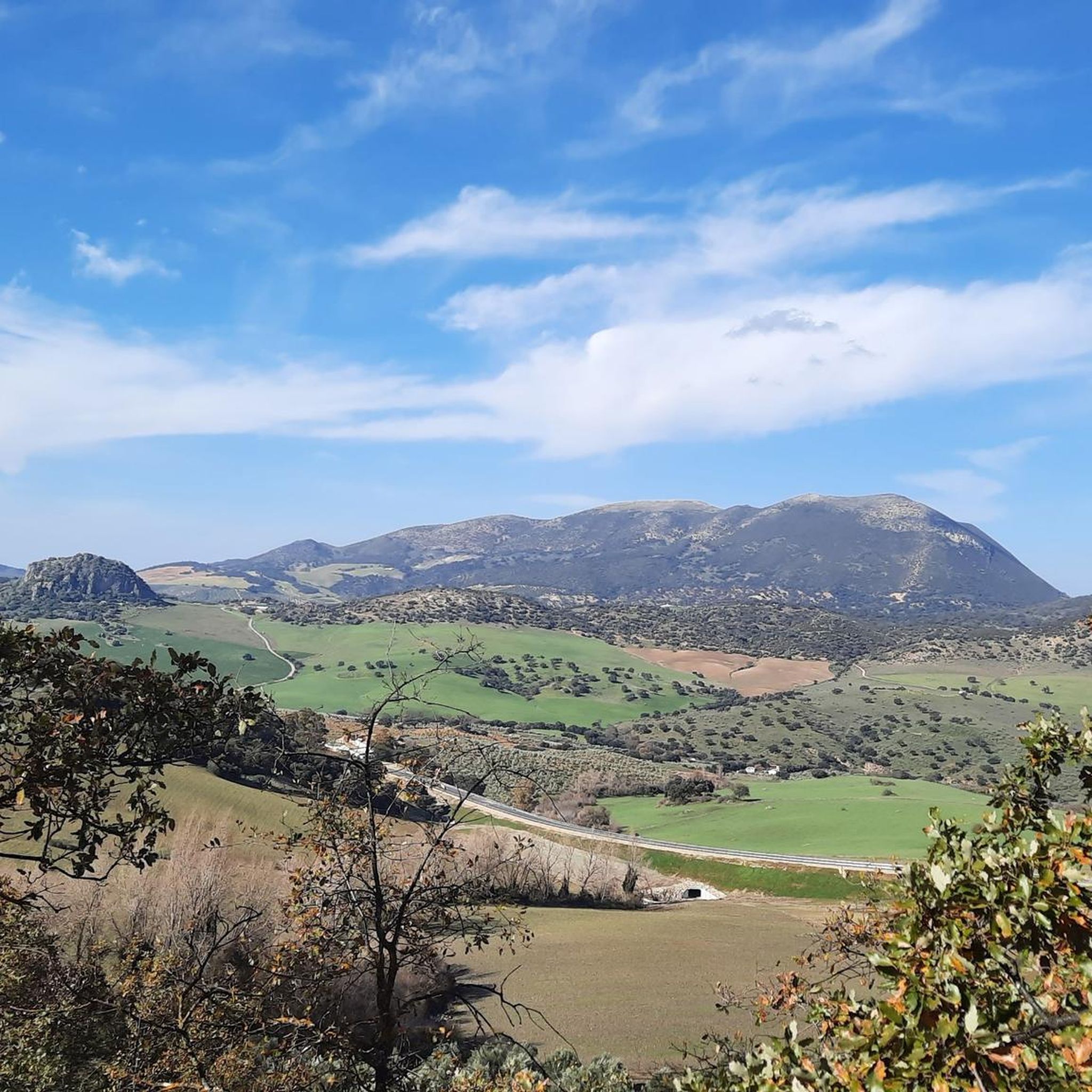
Pruna, in the Sierra Sur of Seville, is a charming destination for those seeking nature, history, and rural authenticity. Parish of San Antonio Abad: 17th-century Baroque church with three naves, a decorated dome, and valuable religious images such as the 17th-century Jesus of Nazareth. Plaza de España: Town center with the Town Hall, the Monument to the Emigrant, and the Fountain of the Washerwomen. Calle Escalones: Picturesque steep street between white houses and brown roofs.
2
0
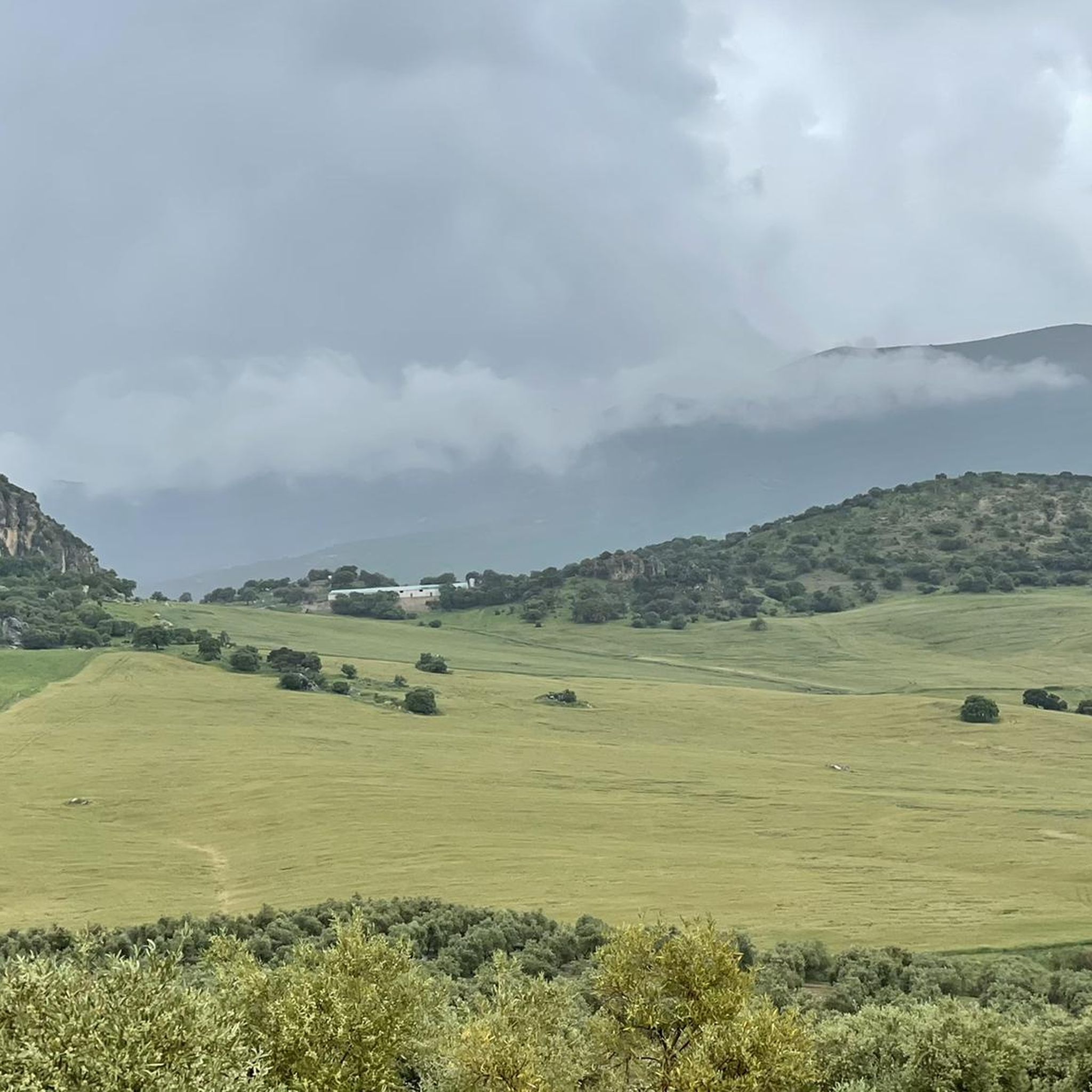
The Parish of Our Lady of the Incarnation is one of Olvera's most iconic monuments, both for its imposing architecture and its historical and religious significance. It was commissioned by the Dukes of Osuna at the end of the 18th century and completed in 1843. It was built on the remains of an old Moorish mosque and a Gothic-Mudejar church, the apse of which is still preserved in the baptismal chapel. It has undergone several restorations, the most recent between 1994 and 1999, and again in 2010 after a fire damaged a processional image.
1
0
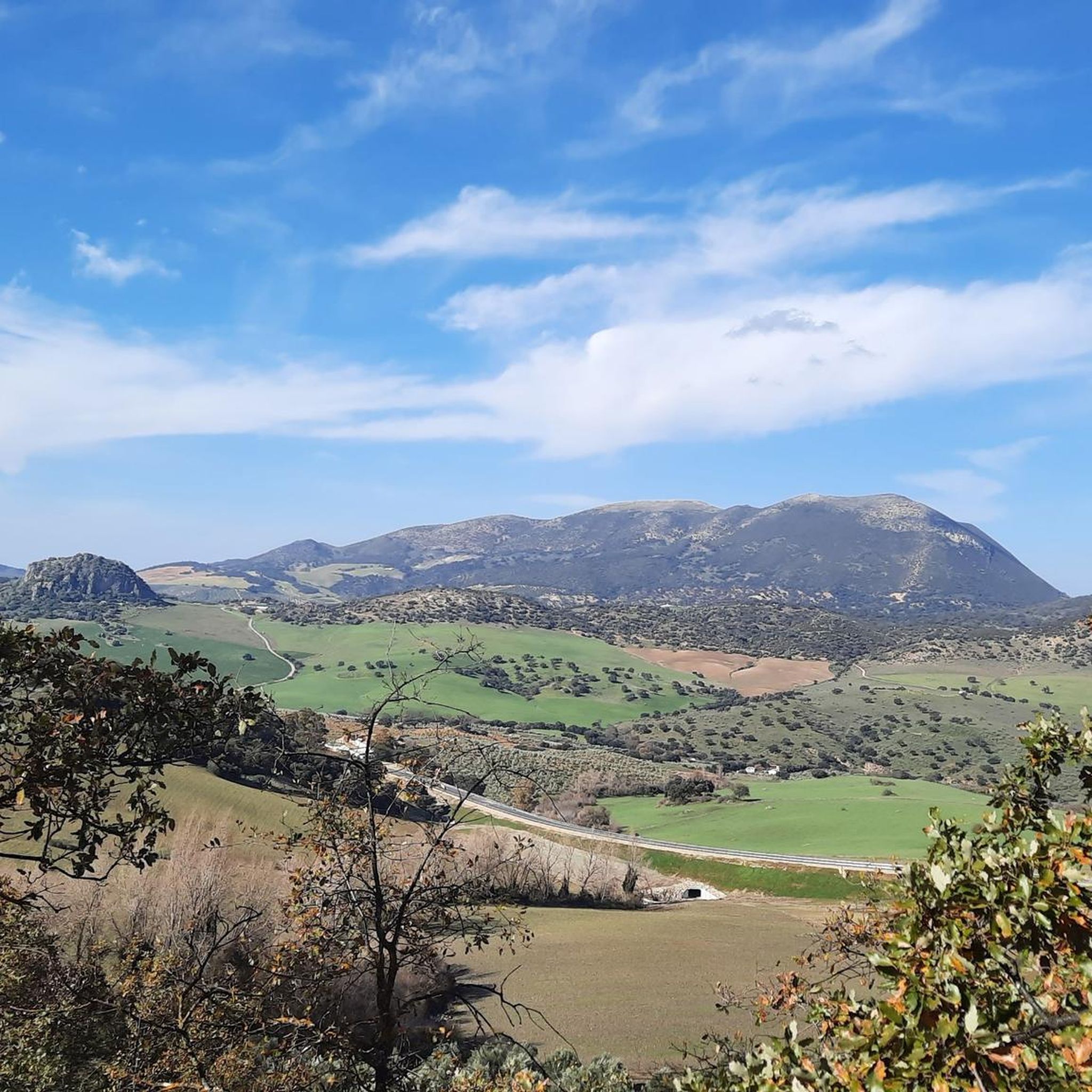
Olvera Castle is one of the most iconic monuments in the White Villages of Cádiz, offering a stunning historical and visual experience. It was built in the late 12th century by the Arabs as part of the defensive system of the Nasrid Kingdom of Granada. After the Christian conquest, the castle was renovated several times, incorporating Christian architectural elements. It was declared a Site of Cultural Interest in 1985 and is part of the Olvera Historic-Artistic Complex.
1
0

The Iglesia Parroquial de Nuestra Señora de la Encarnación in Olvera is the town's most striking church building and, together with the neighboring Moorish castle, dominates the town's panorama. It towers high above the historic Barrio de la Villa district and is visible from afar. The church was built in 1822 in the neoclassical style on the foundations of an earlier Renaissance church. This, in turn, stood on the site of a former Muslim mosque, as was common in many Andalusian towns. Construction dragged on for decades and was not completed until the end of the 19th century. The church is characterized by its monumental façade, flanked by two large towers. The building's style was inspired by the great cathedrals of Spain – unusually imposing for a town the size of Olvera.
0
1
The Castillo de Olvera is a historic fortress in the Andalusian town of Olvera (province of Cádiz). It was built by the Moors in the late 12th century and served as part of the defense system of the Nasrid Kingdom of Granada. The castle sits atop a 623-meter-high cliff and offers sweeping views of the surrounding landscape. The castle has an irregular, elongated-triangular floor plan that follows the shape of the cliff. Particularly striking is the rectangular Torre del Homenaje (Keep) in the southern part of the complex. It has two stories with barrel vaults and was the central element of the defense. Other features of the fortress include a barbican-protected entrance gate, battlements, towers, an underground vault, and two cisterns for the water supply. After its conquest by Castilian troops under King Alfonso XI in 1327, the Moorish fortress was extensively rebuilt. This is where many of the Christian elements visible today were created. Since 1985, the Castillo de Olvera has been listed as a "Bien de Interés Cultural" (Cultural Property of Special Interest). Opening Hours: Summer (approx. April–October): Tuesday to Sunday, 10:30 a.m.–2:00 p.m. & 4:00 p.m.–7:00 p.m. Winter (approx. November–March): Tuesday to Sunday, 10:30 a.m.–2:00 p.m. & 4:00 p.m.–6:00 p.m. Closed on Mondays Admission: €2 per person. Tickets are available at the Tourist Office. (As of May 2025)
0
1

The Castillo de Torre Alháquime is a historic fortification located in the central part of the village of Torre Alháquime, in the province of Cádiz, Andalusia, Spain. The castle stands at an altitude of approximately 495 metres above sea level and offers beautiful views of the surrounding area. The castle was built during the Moorish period and was part of a powerful defence line that protected the Kingdom of Granada. The castle has an irregular triangular shape and consists of several remaining structures such as towers, walls and an entrance gate. The castle has been a Bien de Interés Cultural monument since 1985 and is currently a recreational area called Parque de las Murallas
7
0
As its name suggests, Torre Alháquime is an Islamic name. The labyrinthine layout of its streets is nestled in its most important monuments: the parish of Nuestra Señora de la Antigua and the monument to the Sacred Heart. Cycle through its steep streets until you climb to the ruins of the castle and enjoy a beautiful view of the entire area around it. A white town in the province of Cádiz.
8
0
Frequently Asked Questions
What kind of historical sites can I explore around Alcalá del Valle, beyond traditional castles?
While Alcalá del Valle's name suggests a fortified past, traditional, well-preserved castles are not prominent within the town itself. However, you can explore other significant historical sites such as the 16th-century Convento de Caños Santos, the Baroque-style Church of Santa María del Valle, the historic La Cacería complex, and the prehistoric Necrópolis de Tomillos, which features a unique menhir.
Which castles around Alcalá del Valle offer the best historical insights?
For deep historical insights, consider visiting Castillo de Olvera, built in the late 12th century as part of the Emirate of Granada's defense system. Another significant site is the Castle of Cañete la Real (Hisn Qannit), which dates back to the 9th century and played a key role in the Muladi revolt against the Caliphate of Córdoba.
Are there any castles or historical sites with great viewpoints near Alcalá del Valle?
Yes, Castillo de Olvera stands on a rock at 623 meters above sea level, offering phenomenal views of the surrounding area. Similarly, the Archpriest Church of Our Lady of the Incarnation and Saint Joseph (Olvera), located very close to Olvera Castle, also provides a great panoramic view due to Olvera's elevated position.
What outdoor activities can I do near these castles?
The region around Alcalá del Valle offers various outdoor activities. You can find numerous hiking trails, including easy walks like the 'Setenil de las Bodegas – circular walk' or moderate routes such as 'Bridge over the Trejo River – Hermitage of San Benito loop'. There are also cycling routes, ranging from moderate to difficult, like the 'Olvera – Olvera Town Center loop' or the 'Alcalá del Valle loop'.
Are there any family-friendly historical sites or towns to visit near Alcalá del Valle?
While specific castles might have steep access, the town of Pruna is considered family-friendly. It's a charming destination with white houses and a rich history, offering a pleasant environment for families to explore. The Castillo de Hierro, located on a rocky hill, adds to its historical appeal.
What is the best time of year to visit the castles and historical sites around Alcalá del Valle?
The best time to visit is generally during the spring (April-May) and autumn (September-October) months. During these periods, the weather is typically mild and pleasant, making it ideal for exploring outdoor historical sites and enjoying hiking or cycling routes without the intense heat of summer.
Are there any hidden gem castles or lesser-known historical sites worth exploring?
The town of Torre Alháquime, with its Islamic name and labyrinthine streets, features the ruins of a castle that offers beautiful views of the surrounding area. This Moorish-period fortification, now a recreational area called Parque de las Murallas, provides a glimpse into the region's defensive past away from the more prominent sites.
What should I wear when visiting castles and going on hikes in the Andalusian region?
Given that many castles are on elevated positions and the region offers hiking opportunities, it's advisable to wear comfortable walking shoes or hiking boots. Layers of clothing are also recommended, as temperatures can vary, especially during spring and autumn. Don't forget sun protection, such as a hat and sunscreen, particularly during sunnier months.
Can I find any historical sites that are part of the 'White Villages' route near Alcalá del Valle?
Yes, Alcalá del Valle itself is a picturesque white village, and several of the historical sites mentioned are located within or near other white villages. For instance, Castillo de Olvera and its nearby church are in Olvera, a prominent white village. Similarly, Torre Alháquime is another white town with historical fortifications.
What do visitors enjoy most about the castles and historical sites in this region?
Visitors frequently appreciate the phenomenal views offered from elevated sites like Castillo de Olvera. The rich historical context, from Moorish defenses to medieval conflicts, also captivates those interested in the past. The blend of historical exploration with the natural beauty of the surrounding landscapes, often accessible via hiking and cycling routes, is also a major draw.
Are there any specific historical facts about the castles around Alcalá del Valle that make them unique?
The castles in this region often have a dual heritage, reflecting both Muslim and Christian influences. For example, Castillo de Olvera was part of the Emirate of Granada's defense system, while the Castle of Cañete la Real changed hands multiple times between Muslims and Christians, highlighting its strategic importance throughout history.
Most popular routes around Alcalá Del Valle
Most popular attractions around Alcalá Del Valle

Get inspired with the komoot mobile app


Explore more
Looking for the best castles somewhere else? Discover other guides around Alcalá Del Valle:
