Top 4 Castles around Undués De Lerda
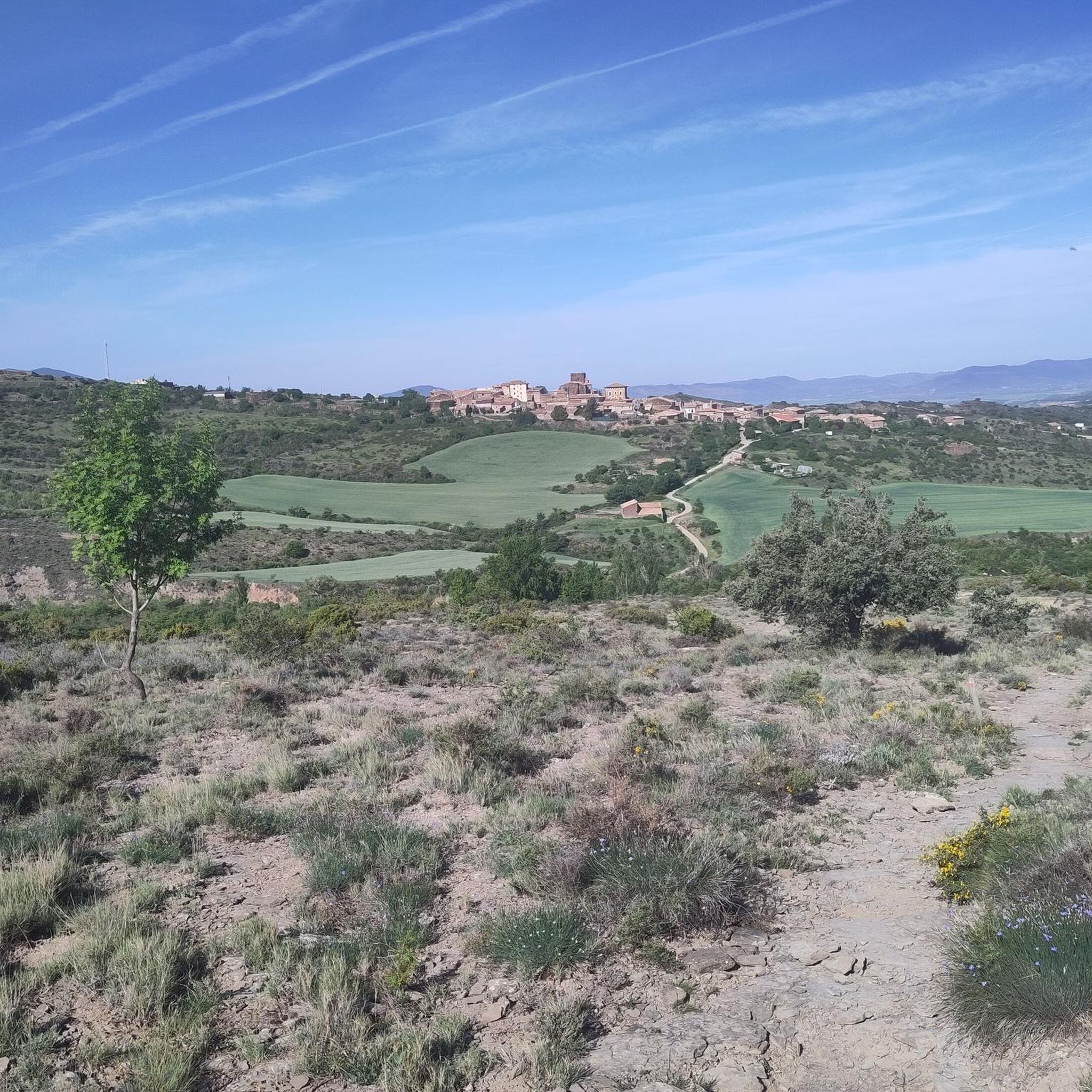
Castles around Undués De Lerda offer a glimpse into the region's historical significance as a former borderland. The municipality is situated on a small hill in the Lerda Valley, serving as the last Aragonese locality on the Camino de Santiago. Its medieval layout and well-preserved stone houses reflect centuries of history. The area provides a historical context for understanding defensive architecture and regional development.
Best castles around Undués De Lerda
- The most popular castles is Castle of Xavier, a…
Last updated: July 3, 2026
Castle of Xavier
Highlight • Castle
Translated by Google •
Tip by

Ruesta Castle
Highlight • Castle
Translated by Google •
Tip by

Sign up now to discover places like this
Get recommendations on the best single tracks, peaks, & plenty of other exciting outdoor places.
Sign up for free
Javier Castle
Highlight • Castle
Translated by Google •
Tip by

Sos del Rey Católico
Highlight • Settlement
Translated by Google •
Tip by
Peña Felizana Castle
Highlight • Castle
Translated by Google •
Tip by

Start today with a free account
Your next adventure awaits.
Login or Signup

Tips from the Community


A very pleasant little village with a beautiful castle. A visit inside is highly recommended; they store your bikes in the courtyard :)
0
0


It is a beautiful circuit from the campsite to the Castillo de Javier. There are a few climbs to be overcome by bike, but when you reach your destination you can enjoy the castle, which is still run by nuns - the Pope has also been there.
0
0

One of the places you should not miss in Navarra
0
0

The Castle of Xavier, built in the 10th century, is located on a hill in the town of Xavier. I used this village for my overnight stay on my way to Santiago de Compostela. From my room I had a view over this Castle, something I can recommend.
0
0
Frequently Asked Questions
What is the historical significance of the castles around Undués De Lerda?
The castles in this region, including the local Torre de Undués de Lerda, reflect its past as a crucial borderland with Muslim territories or the Kingdom of Navarra. They served defensive purposes and played a role in the Reconquista, offering a glimpse into centuries of strategic importance and regional development.
Are there any castles with religious significance in the area?
Yes, the most prominent is the Castle of Xavier, which is the ancestral home of St. Francis Xavier, a key figure in the early Jesuit order. A guided tour provides insights into his life and missionary work.
Which castles are associated with important historical figures?
The Castle of Xavier is the birthplace of St. Francis Xavier. Additionally, the Sada Palace in Sos del Rey Católico is renowned as the birthplace of Ferdinand the Catholic, one of Spain's most influential monarchs.
Can I find well-preserved Romanesque architecture among the castles?
While a bit further afield, the Castle of Loarre is considered one of the best-preserved Romanesque castles in Europe. It served as a defensive fortress, royal palace, and monastery, offering an immersive historical experience with stunning views.
Are there hiking or running trails near these castles?
Yes, the region offers various trails. For example, you can find routes like the 'Castillo de Javier loop from Malpaso' for running or 'Javier Castle Loop from Sangüesa' for MTB. You can explore more options on the running trails guide or the MTB trails guide for Undués De Lerda.
Can I go cycling near the castles?
Absolutely. There are several cycling routes, such as the 'Yesa Reservoir Loop' or 'Sibirana Castle – Pígalo Pools loop from Sangüesa / Zangoza'. For more details and routes, check the cycling guide around Undués De Lerda.
Which castles offer good viewpoints or scenic landscapes?
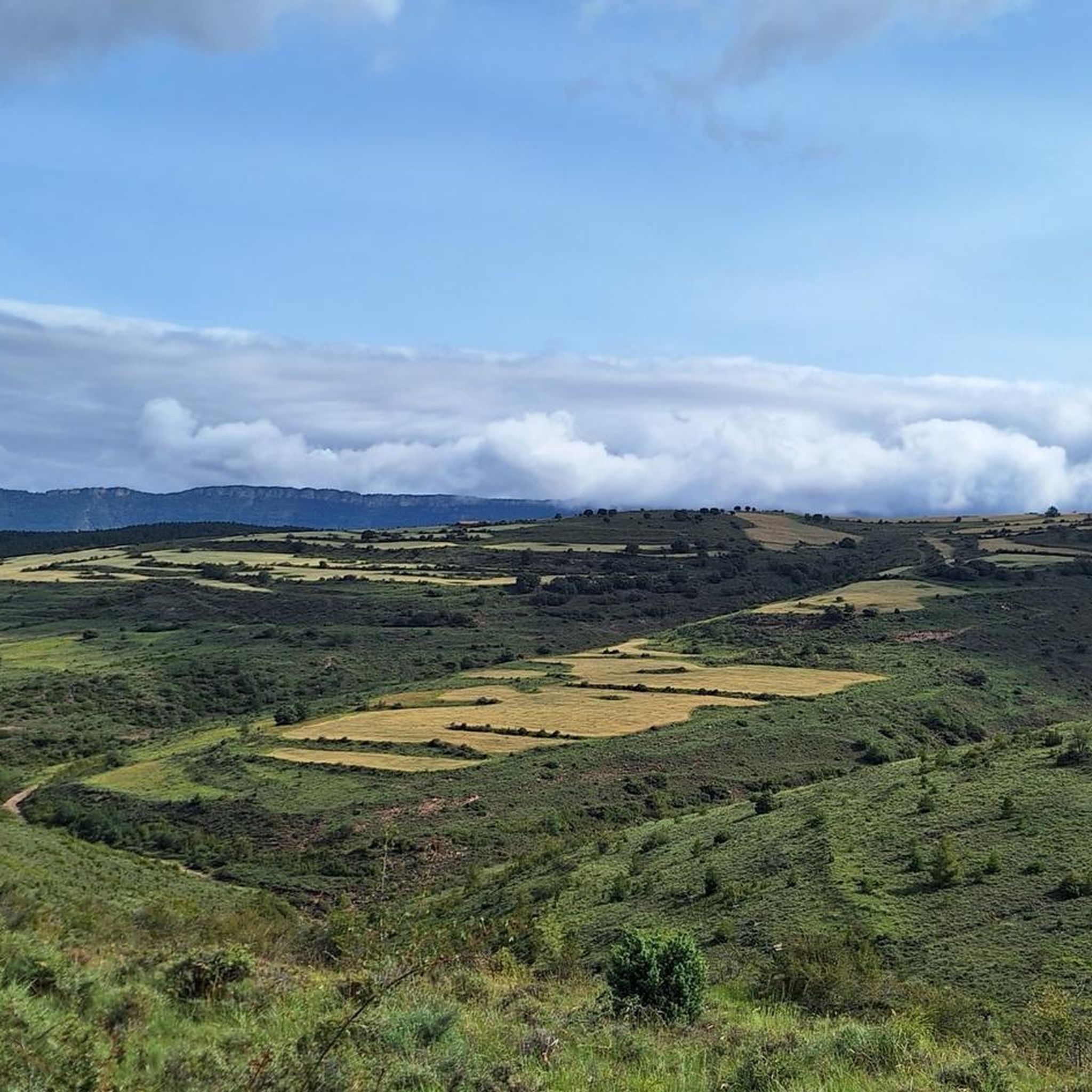
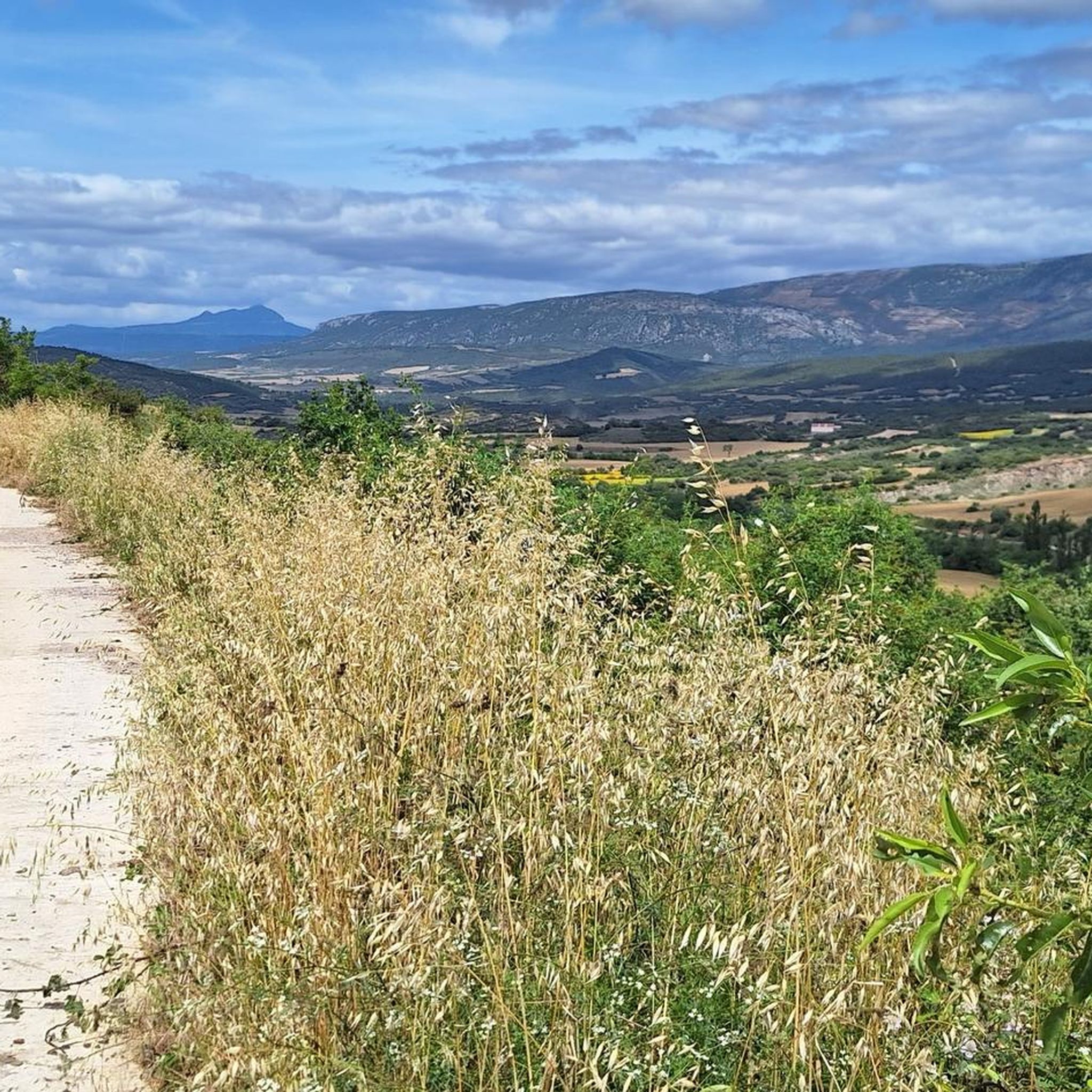
Ruesta Castle, perched on a stony hill, provides excellent views of the Yesa reservoir. The historic town of Sos del Rey Católico also offers beautiful panoramic views from its medieval streets and the nearby Peña Felizana Castle.
Are there family-friendly castles to visit?
Yes, both the Castle of Xavier and the historical settlement of Sos del Rey Católico are considered family-friendly. The Castle of Xavier offers guided tours that can engage various age groups, and Sos del Rey Católico's medieval charm is enjoyable for families.
What is the best time of year to visit the castles around Undués De Lerda?
Spring (April-May) and Autumn (September-October) generally offer the most pleasant weather for exploring the castles and surrounding areas, with mild temperatures and beautiful scenery. Summer can be hot, while winter can be chilly, though the historical sites remain open year-round.
Is public transport available to reach these castles?
Public transport options to reach individual castles in this rural region are generally limited. It is often recommended to travel by car to have the flexibility to visit multiple sites. Some larger towns like Sangüesa or Sos del Rey Católico might have bus connections, but direct routes to all castles are rare.
Where can I find parking when visiting these castles?
Most of the notable castles and historical towns, such as Castle of Xavier and Sos del Rey Católico, have designated parking areas nearby for visitors. In smaller villages like Undués de Lerda, street parking is usually available.
Are there any lesser-known or 'hidden gem' castles in the area?
The **Torre de Undués de Lerda** itself, integrated into the Church of San Martín de Tours, is a significant local historical feature often overlooked by those focusing on larger castles. Ruesta Castle, with its picturesque ruins and views over the Yesa reservoir, also offers a more secluded historical experience.
Most popular routes around Undués De Lerda
Most popular attractions around Undués De Lerda

Get inspired with the komoot mobile app


Explore more
Looking for the best castles somewhere else? Discover other guides around Undués De Lerda:
