Top 5 Castles around Ráfol De Salem
Best castles around Ráfol De Salem are primarily historical ruins and viewpoints, reflecting the region's rich past. The area is characterized by its mountainous terrain, including the Sierra del Benicadell, which historically hosted strategic fortresses. Ráfol De Salem held ties to significant sites like the Castell de Carbonera, a 13th-century stronghold. This landscape offers opportunities for outdoor exploration and a glimpse into medieval history.
Best castles around Ráfol De Salem
- The most popular castles is View of Carrícola Castle,…
Last updated: October 7, 2026
Castle of Aielo de Rugat
Highlight • Castle
Unfortunately, it was destroyed during the War …
Translated by Google •
Tip by

Views of Perputxent Castle
Highlight • Viewpoint
Translated by Google •
Tip by
Sign up now to discover places like this
Get recommendations on the best single tracks, peaks, & plenty of other exciting outdoor places.
View of Castell de Cocentaina
Highlight • Castle
Translated by Google •
Tip by

View of Carrícola Castle
Highlight • Viewpoint
The Castillo de Carrícola rises on a rock above the …
Translated by Google •
Tip by

Art Trail to Carrícola Castle
Highlight • Trail
Translated by Google •
Tip by
Start today with a free account
Your next adventure awaits.
Tips from the Community

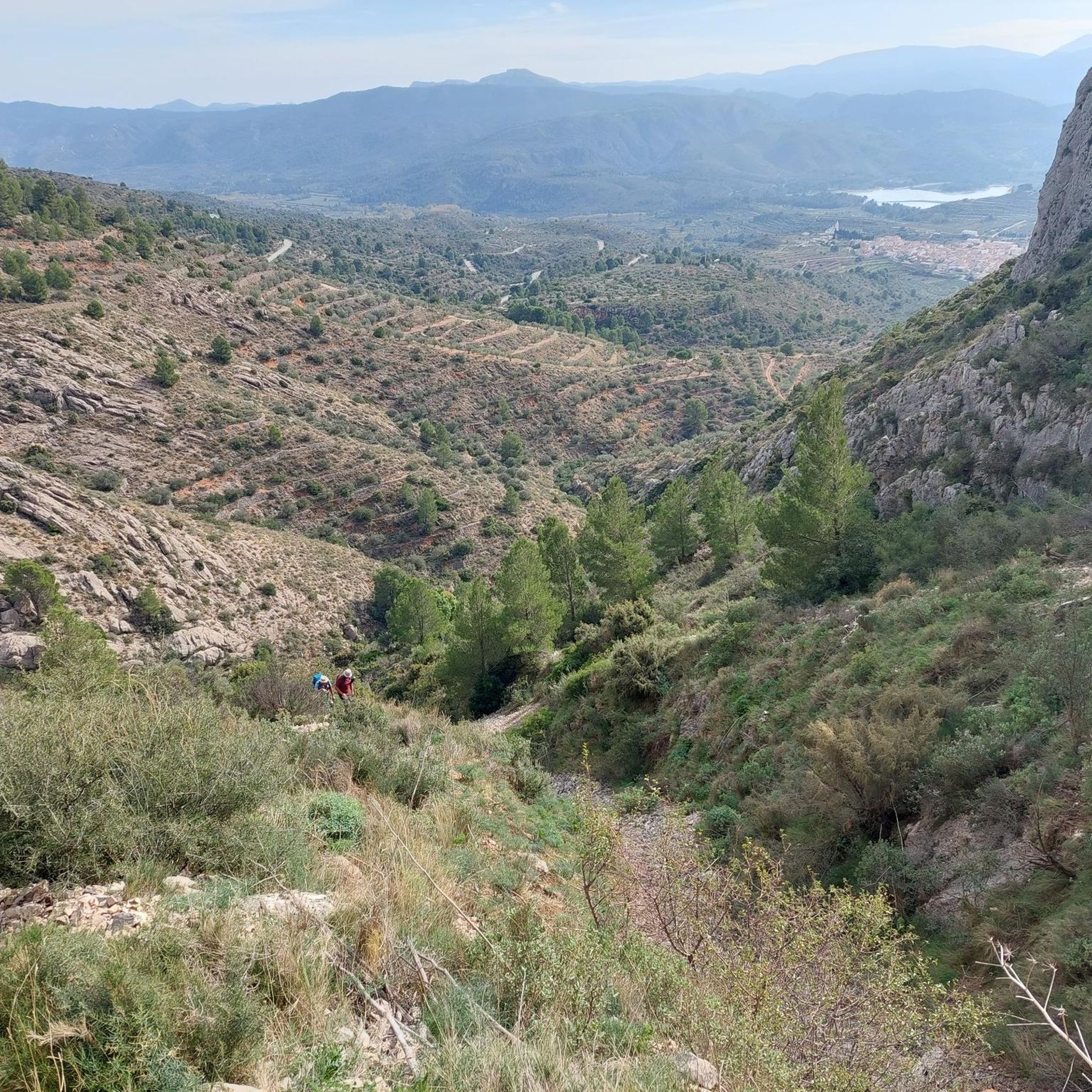
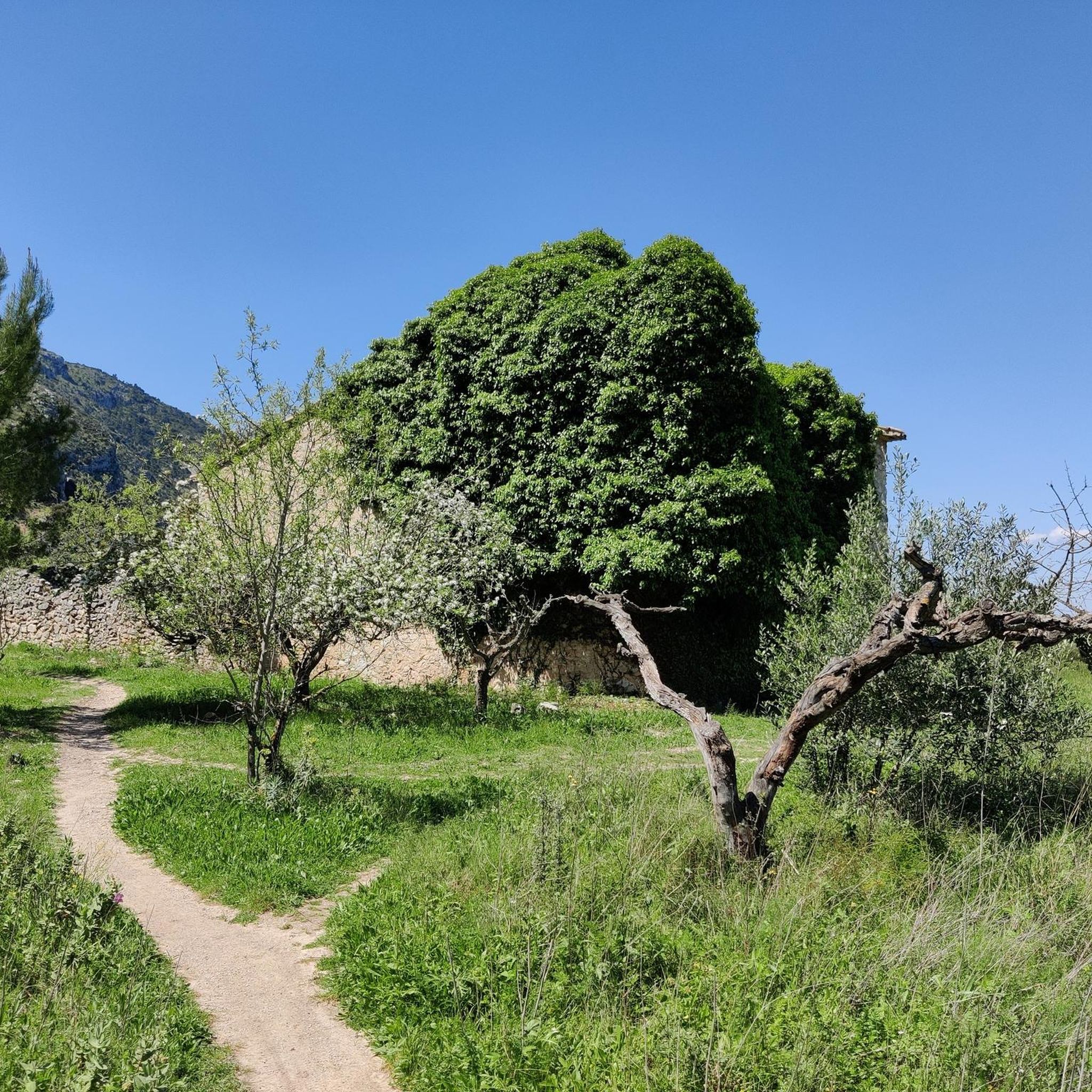
The route begins in the charming village of Carrícola, in the Vall d'Albaida region of Valencia. From there, a circular route begins that gently ascends along rural roads and well-marked trails, surrounded by Mediterranean vegetation and cultivated fields. The most special feature of this route is the Biodivers project, an artistic and ecological initiative that has transformed the surrounding area into an open-air museum. Along the way, visitors encounter contemporary sculptures integrated into the landscape: a giant iron spider, spiral books, human faces in fountains, geometric structures, and other works that invite reflection on the relationship between humans and nature.
3
0
The Castell de Carrícola, also known as Castellet, is a historic and natural gem located in the municipality of El Palomar, in the Vall d'Albaida region of Valencia. It is an ancient Islamic fortification built between the 10th and 12th centuries, although the current tower was erected after the Christian conquest, around the mid-13th century. It has been declared a Site of Cultural Interest and has been restored to allow visitors to visit it, including access to its terrace, from where you can enjoy spectacular views of the region and the Bellús reservoir.
3
0

The castle, which is not particularly worth seeing, dates back to the Almohad period and was built between the 10th and 12th centuries. But the view is very beautiful.
0
1

Viewpoint from where you can see the Castell de L'Orxa, a fortress of Muslim origin dating from the end of the 12th century. Before, a path climbed to the 380 meters of its summit in half a kilometer. Now, visiting the also known Castell de L'Orxa is prohibited. There is a risk of detachments and falls.
1
0
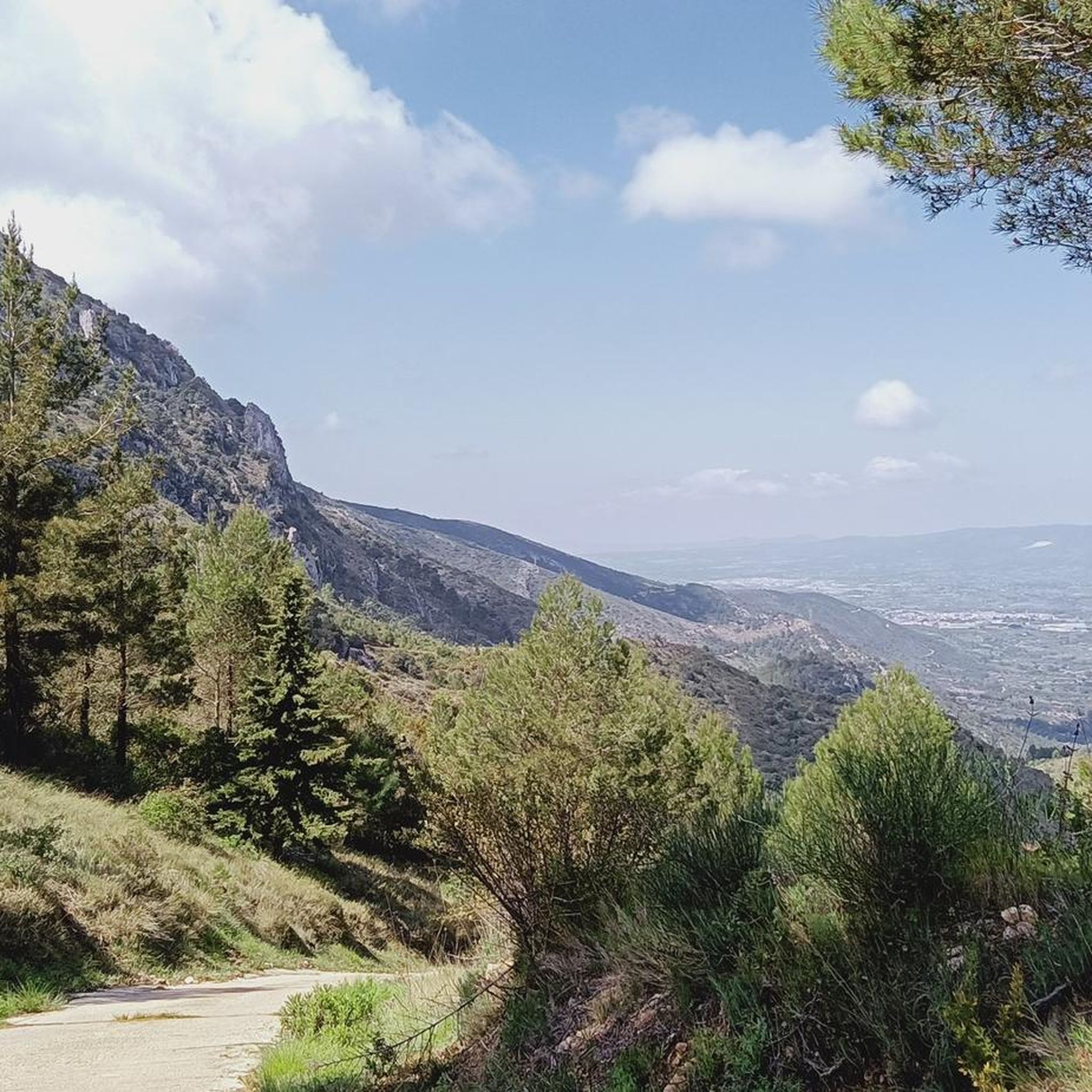
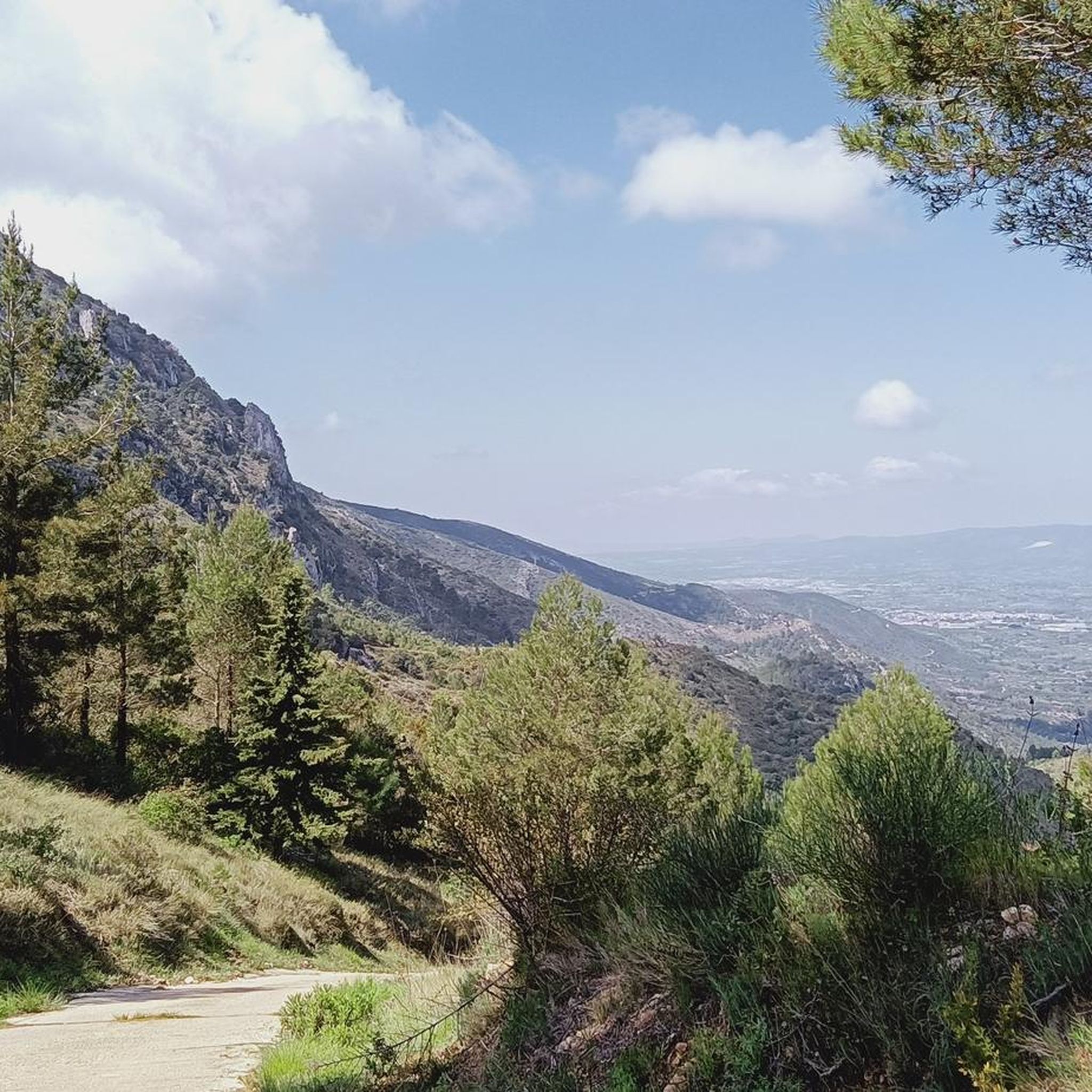
This point is a great viewpoint. Below is the figure of the castle tower and in the background the valley. The Castillo de Carrícola rises on a rock above the town. A trail leads to the remains of the wall and the high tower through the beautiful ravine of the Castellar.
1
0

Wear suitable footwear, as there are quite steep steps and loose ground.
2
0
The views from the castle are spectacular.
2
0

Beautiful old castle ruins.
2
0
Frequently Asked Questions
What are the main castles or historical sites to explore near Ráfol De Salem?
While Ráfol De Salem itself is a small town, the surrounding area is rich with historical castle ruins and strategic viewpoints. Key sites include the Castle of Aielo de Rugat, the Views of Perputxent Castle, and the View of Carrícola Castle. Additionally, the historically significant Castell de Carbonera (Peña Cadiella), though largely in ruins, offers a deep dive into the region's medieval past.
What is the historical significance of the castles in this region?
The castles around Ráfol De Salem, such as the Castell de Carbonera and Perputxent Castle, were strategically vital strongholds, particularly during the 11th to 13th centuries. They marked borders, played roles in the Reconquista, and were points of contention during Muslim rebellions, like that of Al-Azraq. The Castell de Carbonera, for instance, was even conquered and reinforced by El Cid.
Are there any lesser-known or 'hidden gem' castles worth visiting?
The Castell de Carbonera, also known as Peña Cadiella, could be considered a hidden gem. While primarily ruins, it's historically significant and blends into the rocky landscape of the Sierra del Benicadell. It offers a unique experience for those interested in archaeology and the raw history of the region, rather than a fully preserved structure. You can find more historical context on Wikipedia.
What kind of views can I expect from these castle sites?
Many castle sites near Ráfol De Salem are strategically located on elevated points, offering spectacular panoramic views. For example, the View of Carrícola Castle provides a perspective of the castle tower and the surrounding valley. The Castell de Carbonera, situated on Peña del Castellet at 600 meters, offers a broad field of vision over the Sierra del Benicadell and beyond.
Are there family-friendly activities or walks around the castles?
While specific 'family-friendly' designations aren't always given, many of the castle sites involve walks or trails that can be enjoyed by families. The Art Trail to Carrícola Castle, for instance, combines a gentle ascent with contemporary sculptures integrated into the landscape, offering an engaging experience for all ages. Always check the difficulty of specific routes before heading out with children.
What outdoor activities can I do near these castles?
The mountainous terrain around Ráfol De Salem, including the Sierra del Benicadell, is ideal for various outdoor activities. You can find numerous trails for hiking, running, gravel biking, and road cycling. For example, there are challenging running trails like the 'Crossing – Benicadell Summit loop' and gravel biking routes such as the 'Serpis River – Azud del Infierno or del Forn loop'. You can explore more options on the Gravel biking around Ráfol De Salem or Running Trails around Ráfol De Salem guides.
Are there hiking trails that lead to the castles?
Yes, several castles are accessible via hiking trails. For instance, a trail leads to the remains of the wall and high tower of Carrícola Castle through the ravine of the Castellar. The Castell de Carbonera is also part of a hiking trail within the beautiful mountain scenery of Sierra del Benicadell, and it's even part of the historic 'Route of El Cid'.
What natural features can I see when visiting these castle sites?
The castles are often nestled within stunning natural landscapes. The Castell de Carbonera is located on the Sierra del Benicadell, offering views of mountain ranges and river paths. The area around Carrícola Castle features Mediterranean vegetation and cultivated fields, especially along the Biodivers art trail. You'll encounter diverse flora and fauna typical of the Valencian interior.
What should I wear for hiking to these castles?
Given the often rocky and uneven terrain, especially around ruins like the Castell de Carbonera or the View of Castell de Cocentaina, suitable footwear with good grip is highly recommended. Layers of clothing are advisable to adapt to changing weather conditions, and sun protection is essential, especially during warmer months.
What do visitors enjoy most about the castles around Ráfol De Salem?
Visitors particularly appreciate the blend of history and nature. The opportunity to explore ancient ruins, imagine past strategic battles, and simultaneously enjoy panoramic views of the surrounding valleys and mountains is a major draw. The sense of discovery, especially at sites like the Castell de Carbonera which blends with the landscape, is also highly valued.
Is the Castell de Cocentaina accessible from Ráfol De Salem?
While the View of Castell de Cocentaina is listed as a highlight, it's important to note that Cocentaina is a separate municipality. The castle itself is an ancient Islamic fortification that has been restored, allowing visitors to access its terrace for spectacular views. It's a notable site in the broader region and can be visited as a day trip from Ráfol De Salem.
Can I find information about the 'Route of El Cid' in this area?
Yes, the Castell de Carbonera is notably part of the 'Route of El Cid' (Ruta del Cid), highlighting its historical and cultural importance in the epic poem. This route traces the legendary journey of the medieval knight Rodrigo Díaz de Vivar, El Cid, through various historical sites in Spain. Visiting the ruins offers a tangible connection to this significant historical narrative.
Most popular routes around Ráfol De Salem
Most popular attractions around Ráfol De Salem

Get inspired with the komoot mobile app


Explore more
Looking for the best castles somewhere else? Discover other guides around Ráfol De Salem:
