Top 3 Lakes around Sant Mateu
Best lakes around Sant Mateu are primarily found in the surrounding region, as the municipality itself is known more for its historical and cultural heritage. While Sant Mateu, in Castellón, Spain, does not feature prominent natural lakes directly, the wider area offers various water bodies. These include natural pools, reservoirs, and smaller ponds that serve local fauna. The landscape around Sant Mateu provides opportunities to explore these diverse aquatic features.
Best lakes around Sant Mateu
- The most popular lakes is…
Last updated: July 3, 2026
Bassa de Albert
Highlight • Lake
Translated by Google •
Tip by

Balsa Corral de la Ferrisa
Highlight • Lake
Translated by Google •
Tip by
Sign up now to discover places like this
Get recommendations on the best single tracks, peaks, & plenty of other exciting outdoor places.
Sign up for free
Bassa del Cavall (Horse Pond)
Highlight • Lake
Showing Translation
Tip by
Les Llacunes de La Jana
Highlight • Lake
Translated by Google •
Tip by

Pond in the Les Clapises area
Highlight • Lake
Showing Translation
Tip by
Start today with a free account
Your next adventure awaits.
Login or Signup

Tips from the Community

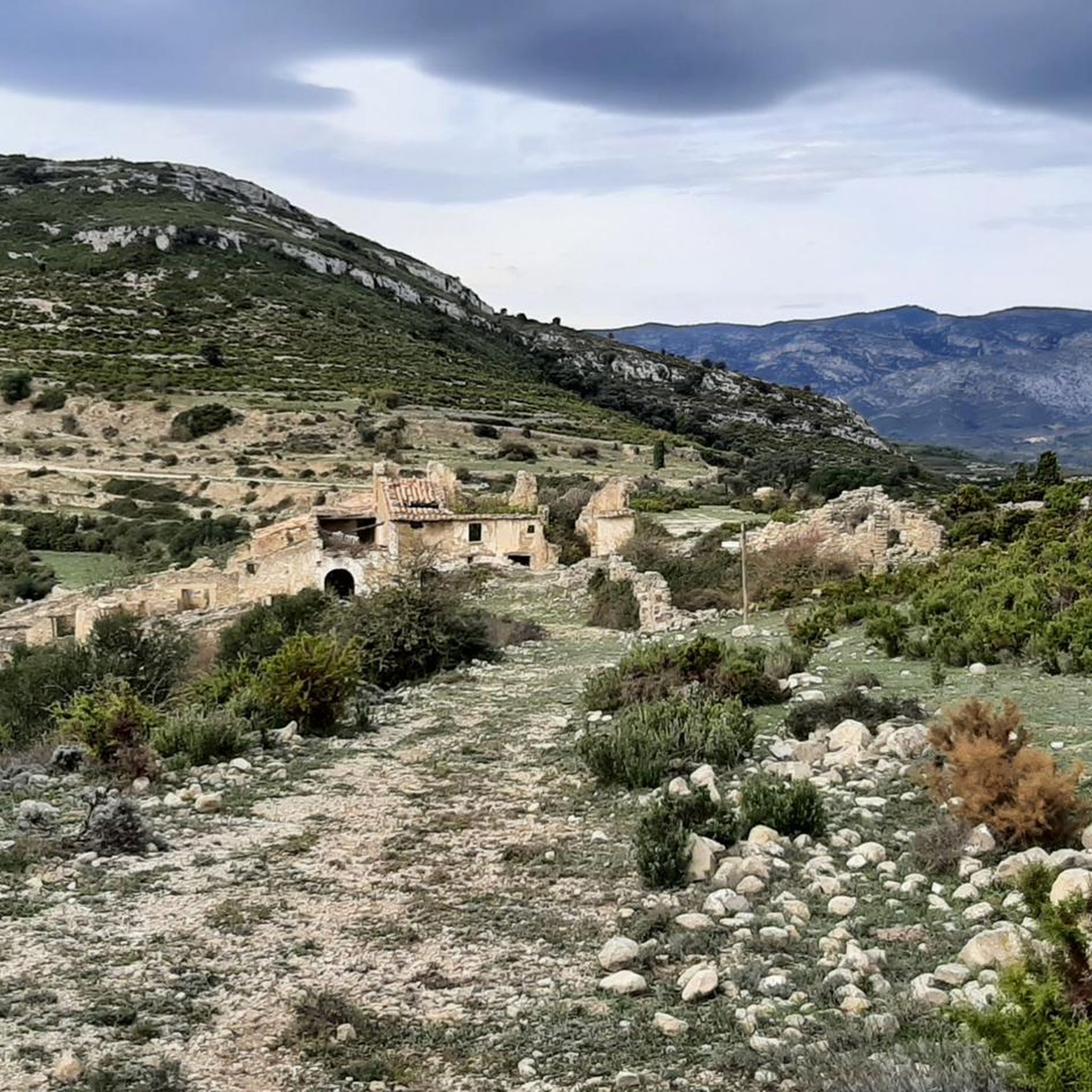
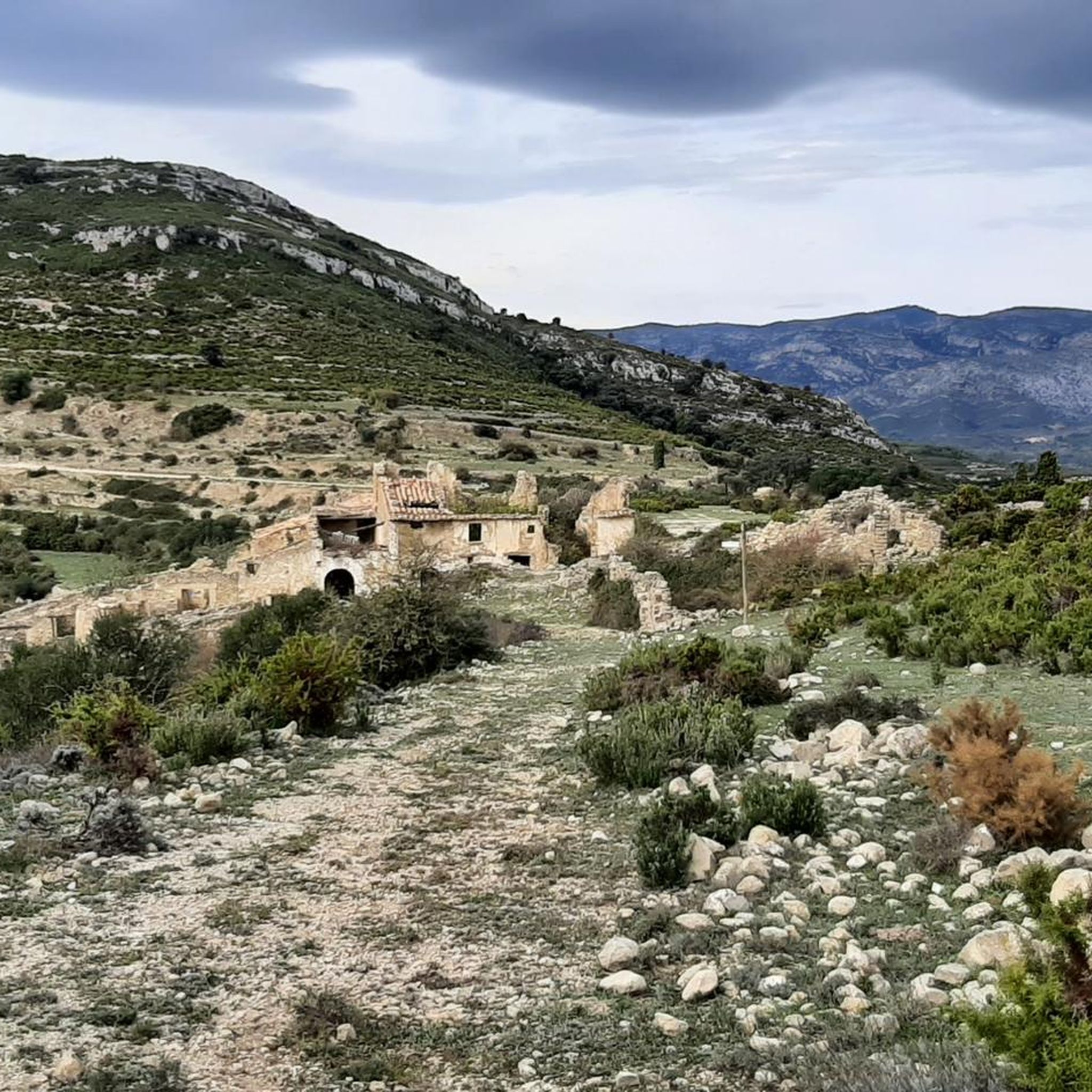
It is a raft that is fed by rainwater and serves as a watering hole for the local fauna of the area. It is located next to the same track of the route.
0
0
It is a small raft at the foot of Mount Calapí, which serves as a watering hole for the native fauna. It is located on the Camí de la Masía de Tirijà. As of today, the track that gives access to it from the Àngel valley or from Pedra seca, is in perfect condition.
0
0
It is a small raft located at the foot of Mount Calapí. Its main function is to serve as a watering hole for the local fauna of the area.
0
0
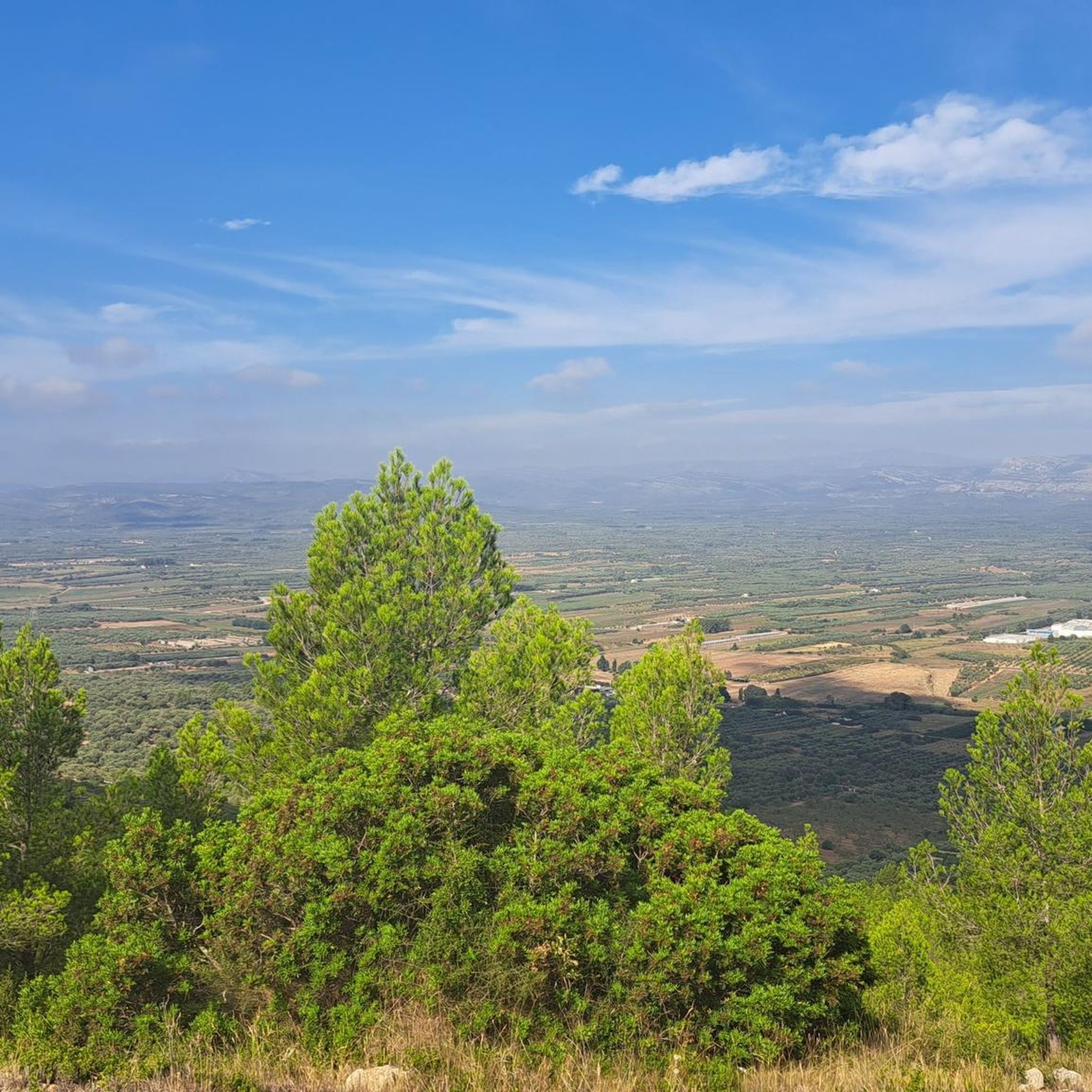
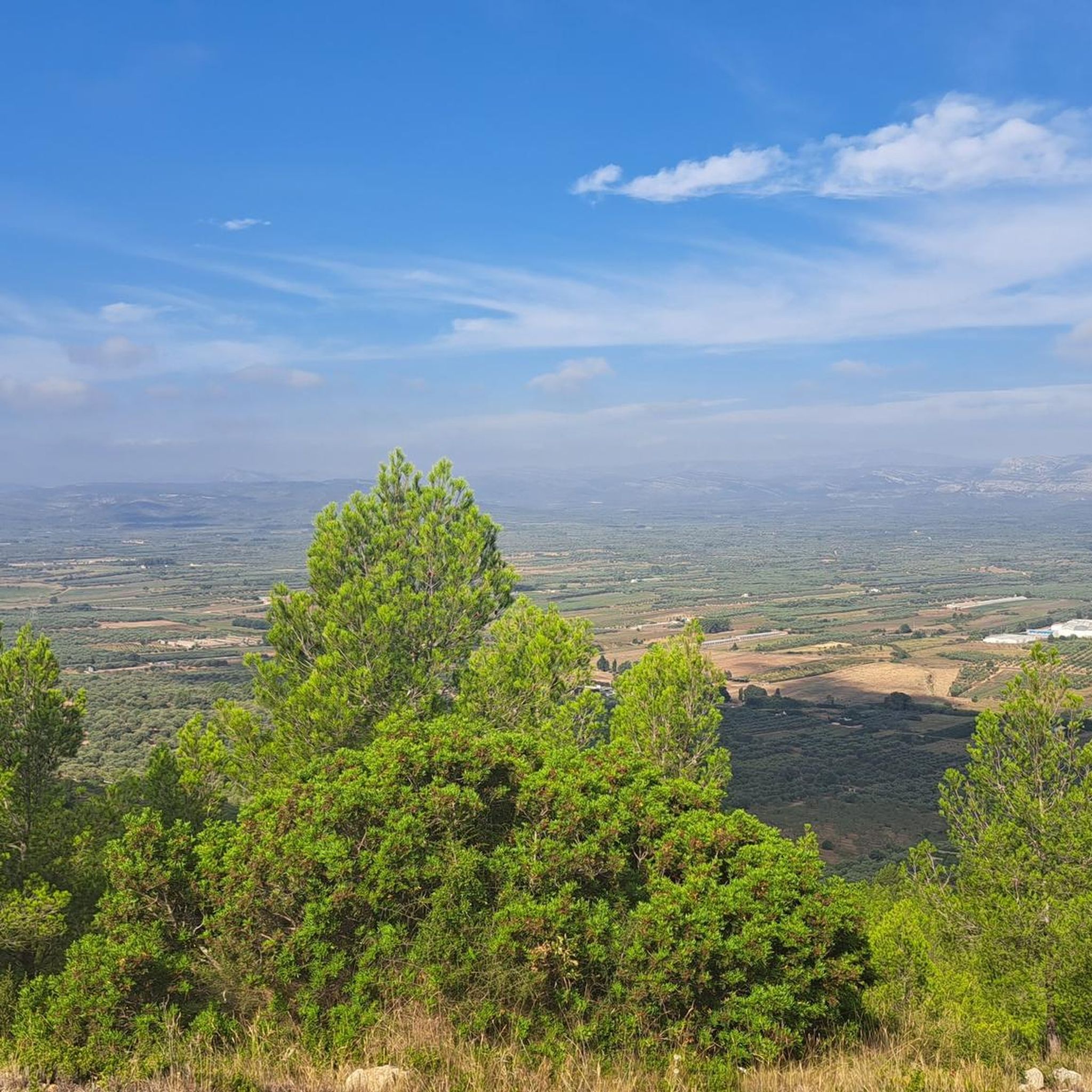
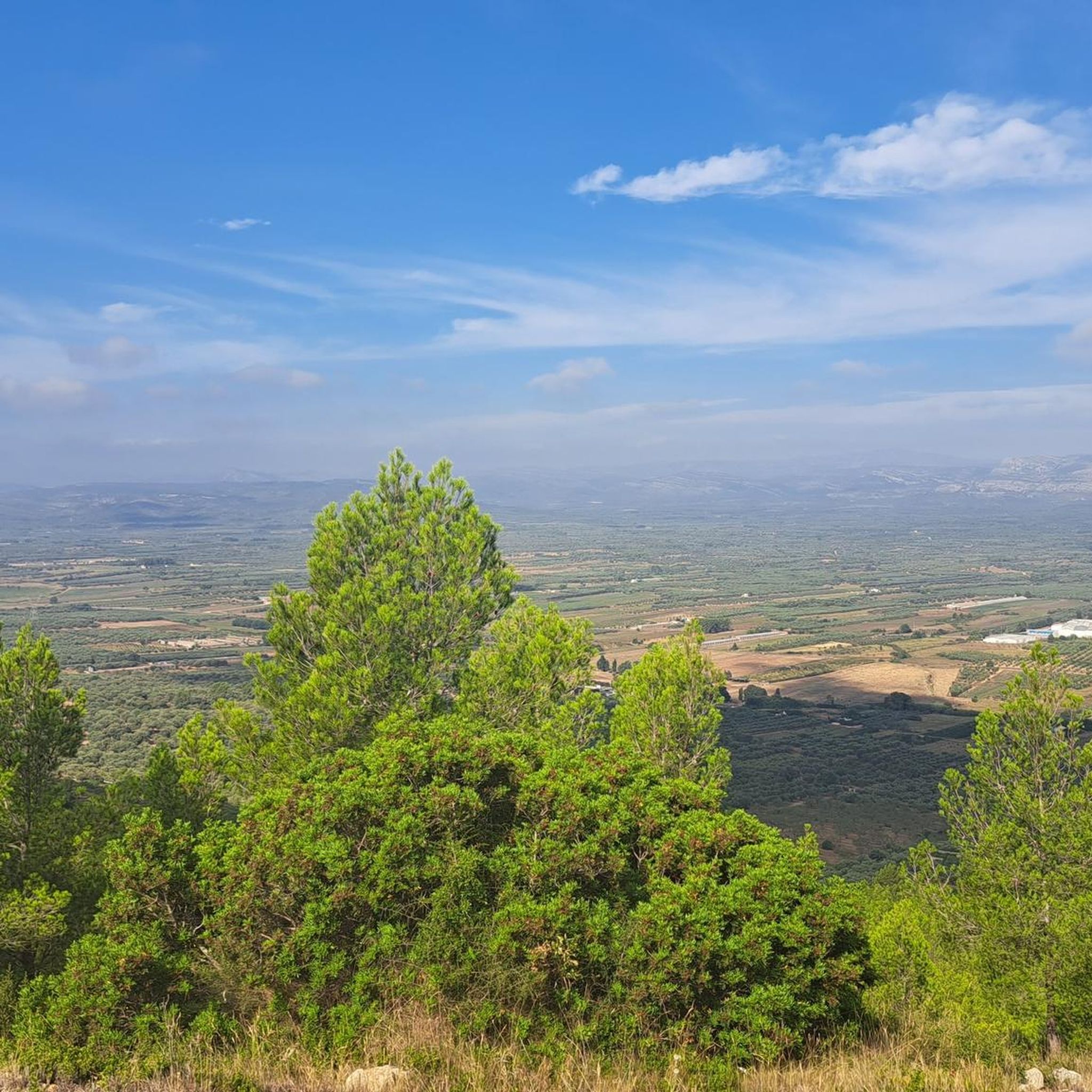
At the end of the dead-end track, which has now been cleared and left in perfect condition, lies the aforementioned reservoir. From here, we have a great panoramic view of the valley and the west face of Mount Encanes, the highest peak in the mountain range.
1
0

It usually has little water, but after the rains of the last Dana it is very full and has even flooded the adjacent fields and roads.
0
0
It is called Balsa d'Albert, it is located on the La Salzadella path and very close to the hermitage of Sant Vicent.
0
0
Water raft next to the path of La Salzadella and very close to the hermitage of Sant Vicent.
2
0
Frequently Asked Questions
What types of water bodies can I find near Sant Mateu?
While Sant Mateu itself is known for its historical heritage, the immediate surrounding area features several smaller ponds and rafts, often serving local fauna or agriculture. Examples include Bassa de Albert and Bassa del Cavall (Horse Pond). For more prominent natural lakes and swimming spots, you'll need to venture into the nearby Matarraña region, which offers natural pools and a reservoir.
Are there any natural swimming spots close to Sant Mateu?
Yes, for natural swimming, you'll find excellent options in the nearby Matarraña region. Notable spots include Font de la Rabosa and L'Assut in Beceite, both natural pools formed by the Matarraña river. The Pantano de Pena reservoir also allows swimming and other water activities.
Are there family-friendly lakes or swimming areas in the region?
Absolutely. Font de la Rabosa in Beceite is particularly suitable for families, offering shallow areas for children while still being deep enough for swimming. L'Assut, also in Beceite, is another natural pool with varying depths, making it a good choice for family outings. Bassa de Albert is also listed as family-friendly.
What outdoor activities can I do near the lakes around Sant Mateu?
Beyond enjoying the water, the wider region offers various outdoor activities. You can explore the scenic route of El Parrizal de Beceite, known for its hiking trails and geological formations (though swimming is prohibited there). The Pantano de Pena reservoir is ideal for kayaking, paddle boating, and fishing. For cycling enthusiasts, there are several guides for traffic-free bike rides and MTB trails around Sant Mateu, such as Traffic-free bike rides around Sant Mateu and MTB Trails around Sant Mateu.
Can I go hiking around the water bodies near Sant Mateu?
Yes, hiking is a popular activity. The El Parrizal de Beceite route offers breathtaking natural landscapes and impressive geological formations along the Matarraña river. Additionally, a circular route of approximately 8.5 km is available around the Pantano de Pena reservoir, providing pleasant walks with scenic views. For more general hiking, consider the various cycling and MTB routes that often pass by or near these water features.
What kind of wildlife can I expect to see around these water bodies?
The smaller ponds and rafts in the immediate Sant Mateu area, like Bassa del Cavall (Horse Pond) and Pond in the Les Clapises area, primarily serve as watering holes for local fauna. In the more extensive natural areas like El Parrizal, you can observe rich biodiversity, including various bird species and other local wildlife in their natural habitat.
Are there any viewpoints or scenic spots near the lakes?
Yes, Balsa Corral de la Ferrisa offers a great panoramic view of the valley and the west face of Mount Encanes. The El Parrizal de Beceite route is also renowned for its stunning canyon views, with towering limestone rock walls and crystal-clear waters, making it one of Spain's most beautiful hiking routes.
What is the best time of year to visit the lakes and natural pools?
The natural pools and swimming spots like Font de la Rabosa and L'Assut are best enjoyed during the warmer months, typically from late spring to early autumn, when the water is refreshing for a dip. For hiking and exploring the scenic routes like El Parrizal or around Pantano de Pena, spring and autumn offer pleasant temperatures and vibrant natural colors, avoiding the intense summer heat.
Are there any historical or cultural sites near these water bodies?
While the water bodies themselves are natural features, the wider region of Sant Mateu is rich in history. The El Parrizal de Beceite route, for instance, features cave paintings designated as a World Heritage Site along its initial section. Sant Mateu itself is renowned for its medieval architecture and ancient monuments. For more information on the historical aspects of Sant Mateu, you can visit Spain.info's Sant Mateu page.
What should I know about water levels in the local ponds?
The smaller ponds and rafts in the immediate Sant Mateu area, such as Les Llacunes de La Jana, can have fluctuating water levels. They often rely on rainwater and may have little water during dry periods, but can become very full and even flood adjacent areas after significant rainfall.
Most popular routes around Sant Mateu
Most popular attractions around Sant Mateu

Get inspired with the komoot mobile app


Explore more
Still not found your perfect lake around Sant Mateu? Check out the guides of these regions to see even more beautiful places.
