Top 5 Gorges around Santa Magdalena De Pulpis
Best canyons around Santa Magdalena De Pulpis are primarily ravines and gorges, known locally as "barrancos," located within the Sierra de Irta Natural Park. These natural features offer scenic hiking routes through diverse Mediterranean flora, fauna, and geological formations. The area combines natural exploration with historical significance, including ancient human activity and historical sites like Pulpis Castle. These barrancos are integral to the region's ecological richness and provide varied outdoor experiences.
Best canyons around Santa Magdalena De Pulpis
- The most…
Last updated: July 3, 2026
Boixar Ravine
Highlight (Segment) • Gorge
Translated by Google •
Tip by

Font Parra
Highlight • Gorge
Translated by Google •
Tip by

Sign up now to discover places like this
Get recommendations on the best single tracks, peaks, & plenty of other exciting outdoor places.
Sign up for free
Rambla de la Franca
Highlight • Gorge
Translated by Google •
Tip by
Barranc de Fabià or d'Eiximeno Trail
Highlight (Segment) • Trail
Translated by Google •
Tip by

Start today with a free account
Your next adventure awaits.
Login or Signup
Popular around Santa Magdalena De Pulpis

Tips from the Community

This is the ravine that has the cave of La Franca or Bedico in its bed. It gives access to Santa Magdalena de Polpis, Atalayas and Alcalá de Xivert. At the moment it is broken by the DANA
1
0

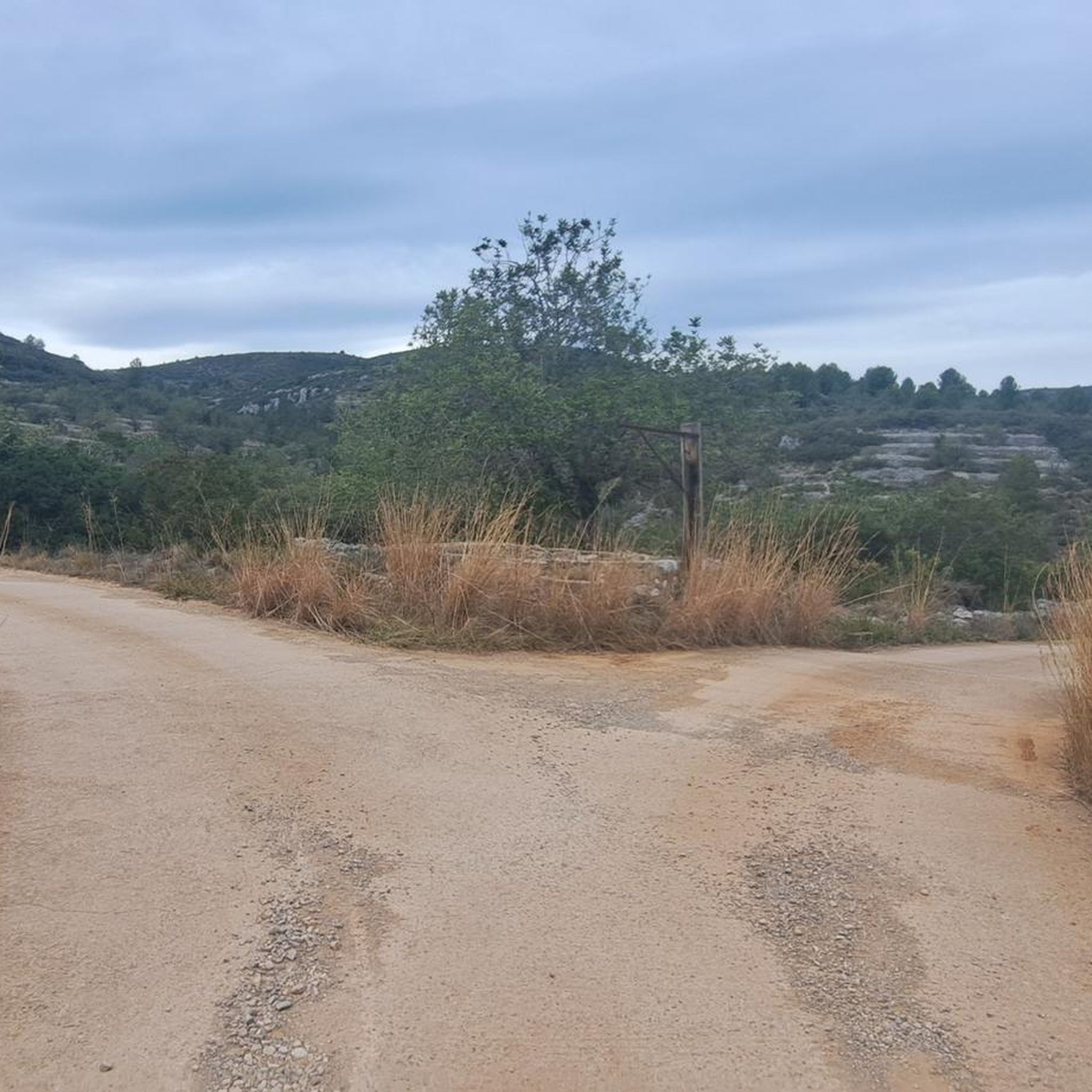
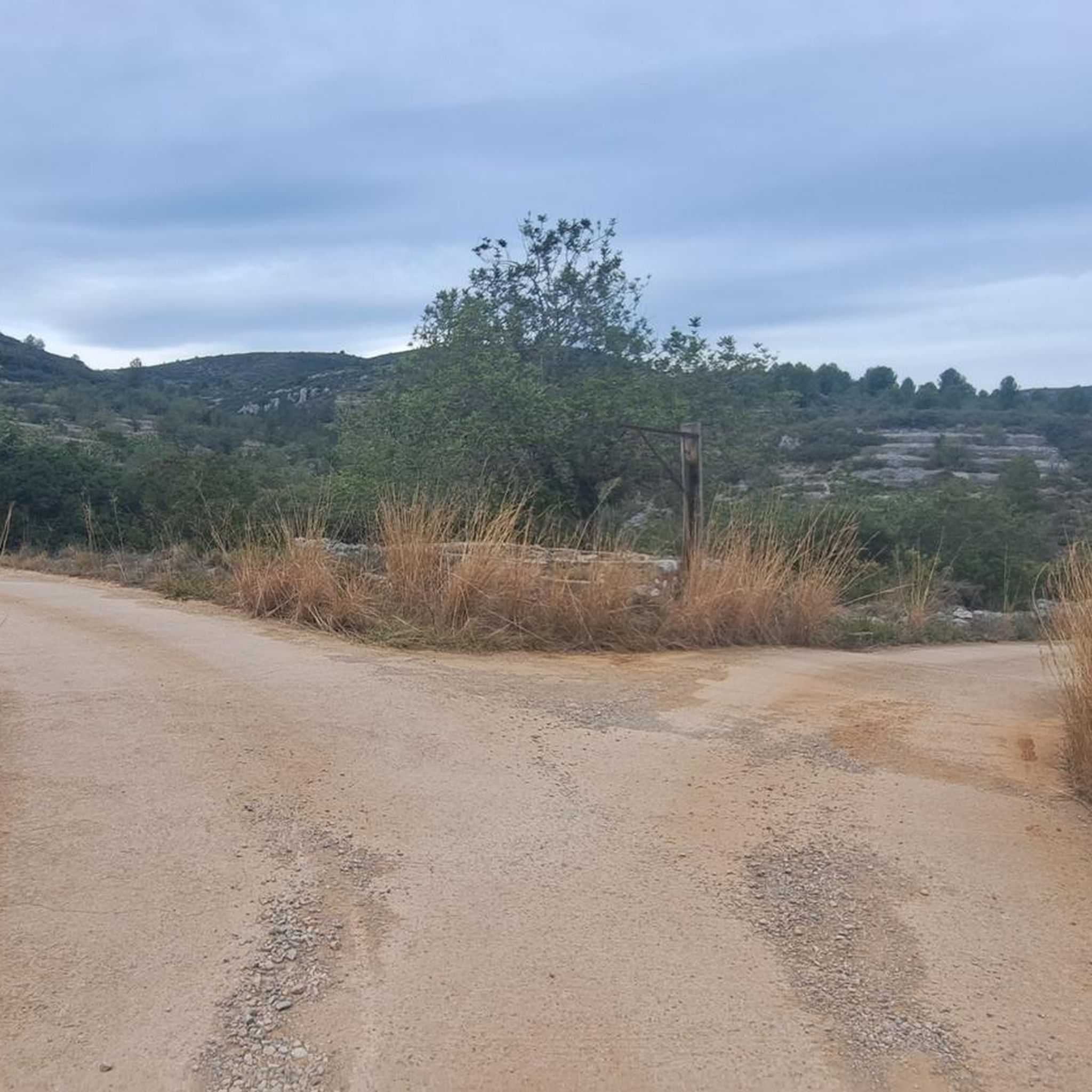
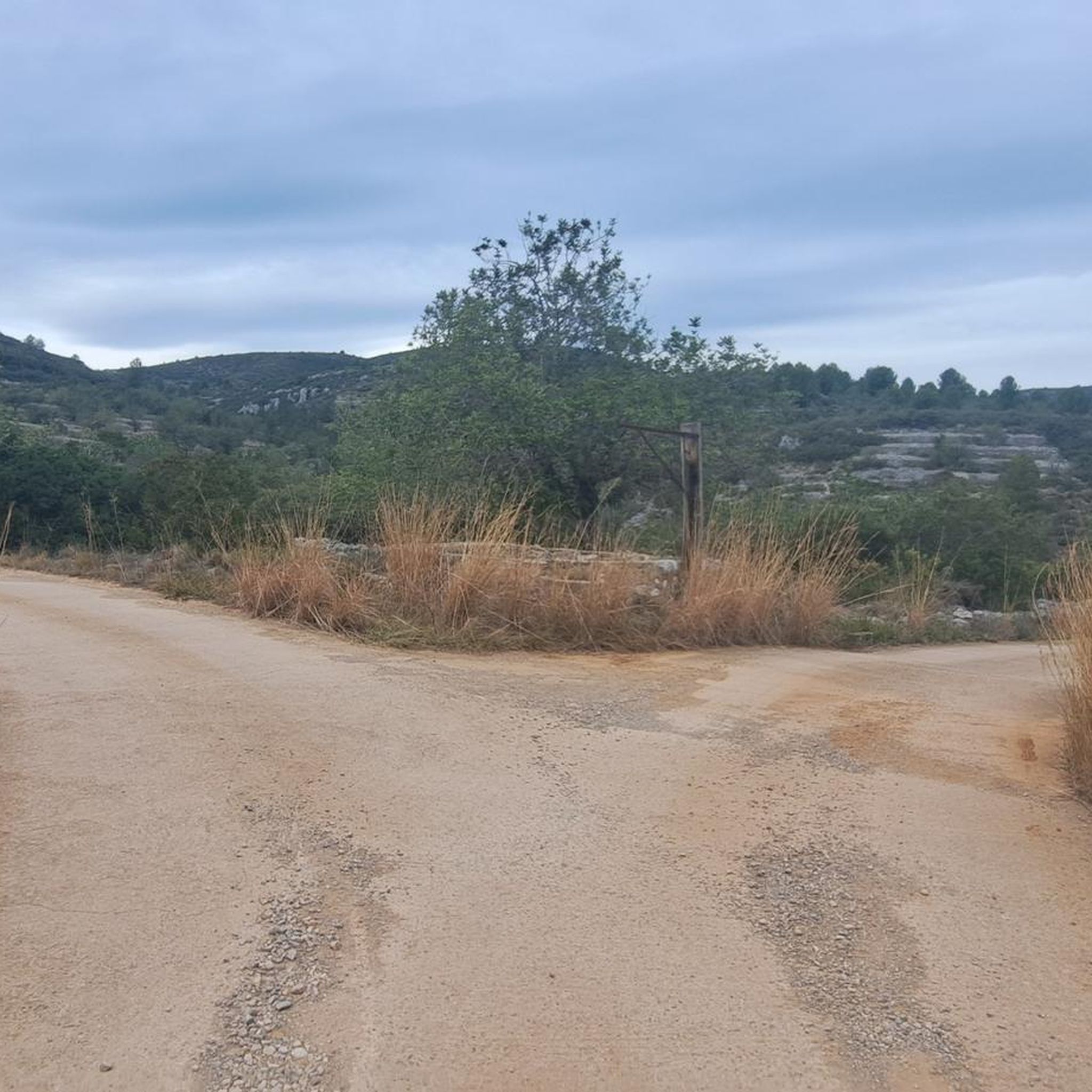
Connection of narrow paths between the Camí de la Perdiguera and the Camí de les Bassoles to the Bassa Blanca that runs through the Fabiá and Mort ravines respectively. In the bed of the ravine there is a lot of loose stone that makes cycling difficult, fortunately, it is a very short section. The rest is a magnificent path with little slope.
0
0
The Boixar ravine is located to the north of the Sierra de Irta in the western part. It begins its journey along the AP7 past Santa Magdalena de Pulpis towards Barcelona. For me it is a nice ravine, moderately long and without great difficulty. The path is comfortable to climb and does not have excessively steep sections. Almost at the end of the climb, we can finish either by a shorter section with a steep slope or continue along the old path (my favorite to be able to preserve it) and although a little route is added, we continue along the original section that I consider better more comfortable. In this area of Irta it is one of the most beautiful ravines, once up we can continue along several routes.
0
0


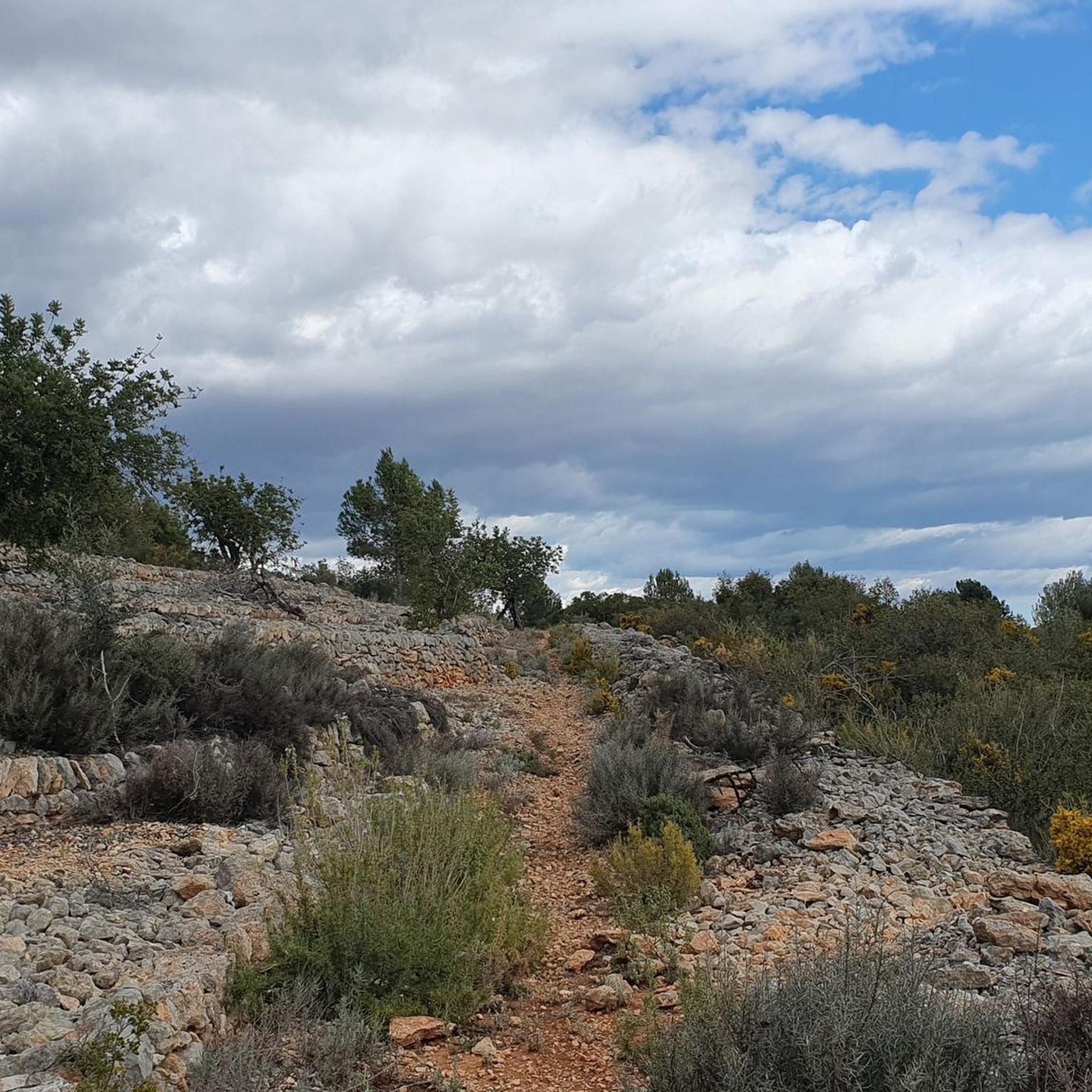
A very nice, but not very easy way. Sometimes you have to scramble a bit. If you are traveling with a dog, then your four-legged friend should be agile, fit and fearless. And take water for the dog - the spring was dry, there is almost no water on the way.
5
0

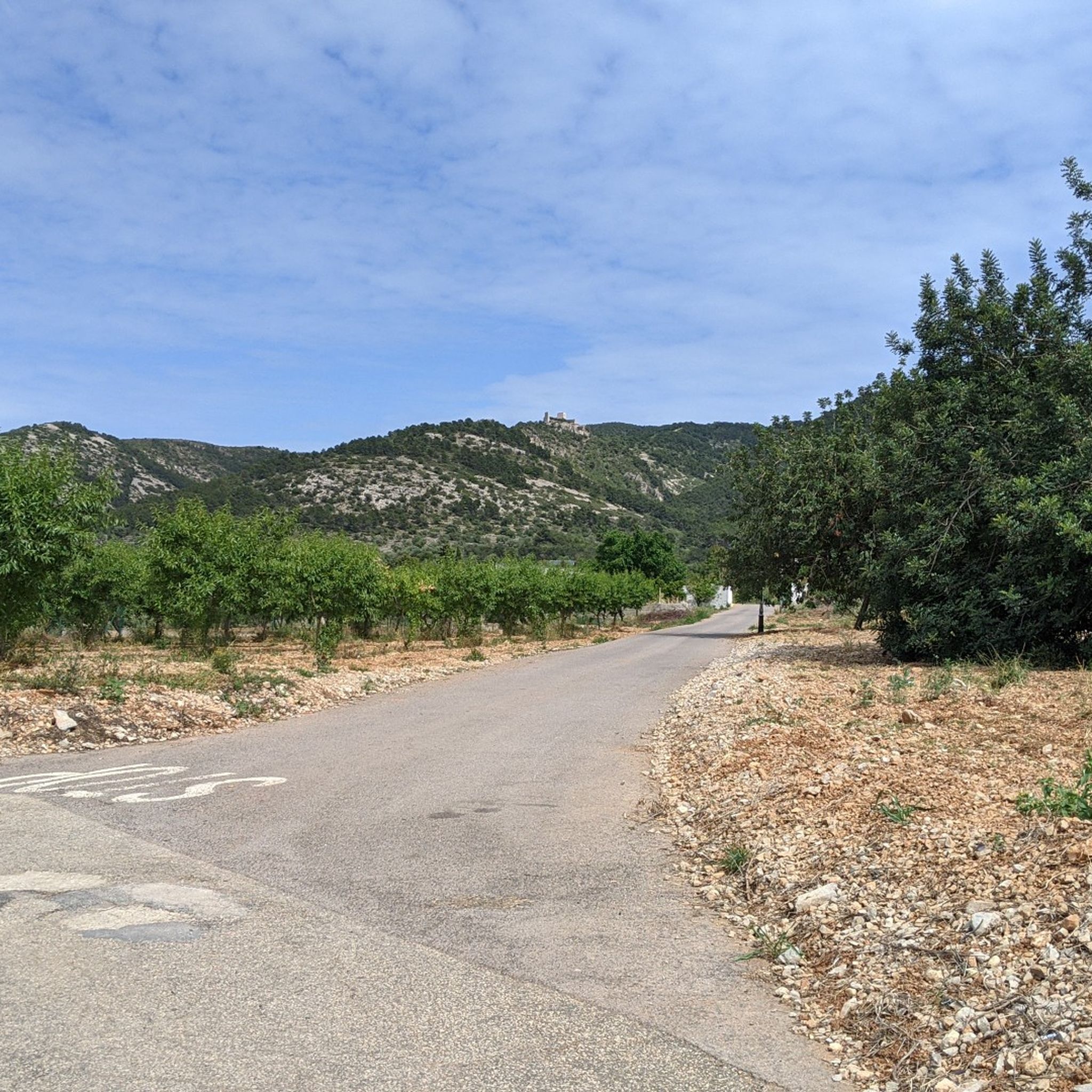
Hiking trail in the dry stream, under the green roof.
11
0
Frequently Asked Questions
What kind of natural features are the 'canyons' around Santa Magdalena de Pulpis?
The 'canyons' in Santa Magdalena de Pulpis are primarily ravines and gorges, known locally as "barrancos." These are more suited for scenic hiking and exploring the region's diverse flora, fauna, and geological formations within the Sierra de Irta Natural Park, rather than technical canyoneering activities like rappelling.
What are some popular ravines for hiking in Santa Magdalena de Pulpis?
You can explore several notable ravines. Font Parra is a popular gorge featuring a hiking trail in a dry stream. Another excellent option is Boixar Ravine, which offers a moderately long and comfortable path. The Barranco del Mas is also notable for its historical significance, with ancient petroglyphs nearby.
Are there any historical sites or features to discover in the ravines of Santa Magdalena de Pulpis?
Yes, the ravines are rich in history. The El Mas Gorge, for instance, is known for nearby leaf-shaped petroglyphs. Hiking routes, such as the one leading to Pulpis Castle, often feature old lime kilns, some transformed into stone shelters, offering a glimpse into past human activity. Pulpis Castle itself provides panoramic views and is a significant historical landmark.
What natural beauty and wildlife can I observe in the Sierra de Irta Natural Park's ravines?
The barrancos are integral to the Sierra de Irta Natural Park's rich Mediterranean ecosystem. You can observe diverse plant life, including pine forests, aromatic scrubland with rosemary, lavender, and thyme, and the native European dwarf palm. The ravines also provide habitats for various wildlife, such as wild boars and genets, which are sometimes seen at dusk.
Are the hiking trails in the ravines suitable for families?
Many of the hiking trails through the ravines offer paths suitable for various fitness levels, including easier sections. The historical route to Pulpis Castle, for example, has gentle slopes for much of the way. It's always a good idea to check specific route details for difficulty before heading out with children.
Can I bring my dog on the trails in the Santa Magdalena de Pulpis ravines?
Generally, dogs are welcome on many trails in the Sierra de Irta Natural Park. However, some sections, like parts of Font Parra, may require scrambling, so your dog should be agile and fit. Always ensure you carry enough water for your pet, as natural water sources can be dry.
What is the best time of year to visit the ravines for hiking?
The best time to visit for hiking is typically during spring and autumn when the weather is milder. Summers can be very hot, and some sections may be slippery or have loose stone during rainy seasons, as noted for the Embankment crossing.
What are the difficulty levels of the hiking trails in the ravines?
The trails vary in difficulty. Some, like Boixar Ravine, are moderately long without great difficulty and comfortable to climb. Others, such as Font Parra, can be challenging and may require scrambling. Always check the specific route details for an accurate assessment.
What other outdoor activities can I do near the ravines in Santa Magdalena de Pulpis?
Beyond hiking, the area offers a variety of outdoor activities. You can find numerous cycling routes, including easy to difficult options, as well as running trails. For more details on these activities, you can explore the cycling guide or the running trails guide for Santa Magdalena de Pulpis.
Is there a ravine that offers panoramic views?
Yes, the hiking route leading through a ravine to Pulpis Castle offers spectacular panoramic views. From the castle, which stands at 431 meters, you can enjoy breathtaking vistas of Santa Magdalena, the surrounding mountains, and the coastline, including nearby towns like Peñíscola.
What makes the Boixar Ravine a good hiking option?
The Boixar Ravine is considered a good option because it's moderately long with comfortable paths and no excessively steep sections. It's located in the northern Sierra de Irta and can be combined with a visit to Pulpis Castle, offering diverse landscapes and a chance to explore an original, well-preserved section of the trail.
What is unique about Font Parra?
Font Parra is unique for its hiking trail that follows a dry stream bed, often described as being 'under a green roof' due to the dense vegetation. It's known for being very beautiful but can be challenging, sometimes requiring scrambling over sections.
Are there any specific safety considerations for hiking in the ravines?
When hiking in the ravines, especially during or after rainy seasons, be aware that some tracks, like the Embankment crossing, can be broken and bare with loose stone and deep ditches. Always wear appropriate footwear, carry enough water, and check weather conditions before you go.
Most popular routes around Santa Magdalena De Pulpis
Most popular attractions around Santa Magdalena De Pulpis

Get inspired with the komoot mobile app


Explore more
Already discovered everything in this region? See additional gorges around Santa Magdalena De Pulpis for your next adventure:
