Top 10 Lakes around Fogars De La Selva
Best lakes around Fogars De La Selva are found within a municipality characterized by its natural heritage of forests and river systems, situated between the Montnegre massif and the Tordera river. While major natural lakes are not directly within Fogars De La Selva, the area features local water features like the Riera de Fogars and its natural pools. The broader region of Catalonia offers a variety of notable lakes and reservoirs within a reasonable distance. This area provides diverse options…
Last updated: May 22, 2026
Les Llobateres Bird Observatory
Highlight • Viewpoint
The Llobateres wetland is the result of the operation and restoration of …
Translated by Google •
Tip by

Brinxa Reservoir
Highlight • Lake
Translated by Google •
Tip by

Sign up now to discover places like this
Get recommendations on the best single tracks, peaks, & plenty of other exciting outdoor places.
Sign up for free
Estanys de Sils
Highlight • Lake
Translated by Google •
Tip by

Sils
Highlight • Settlement
es.m.wikipedia.org/wiki/Sils
Translated by Google •
Tip by
Pantanos de Llobet
Highlight • Lake
Translated by Google •
Tip by

Sign up for free to discover even more lakes around Fogars De La Selva.
Sign up for free
Already have an account?
Start today with a free account
Your next adventure awaits.
Login or Signup

Tips from the Community

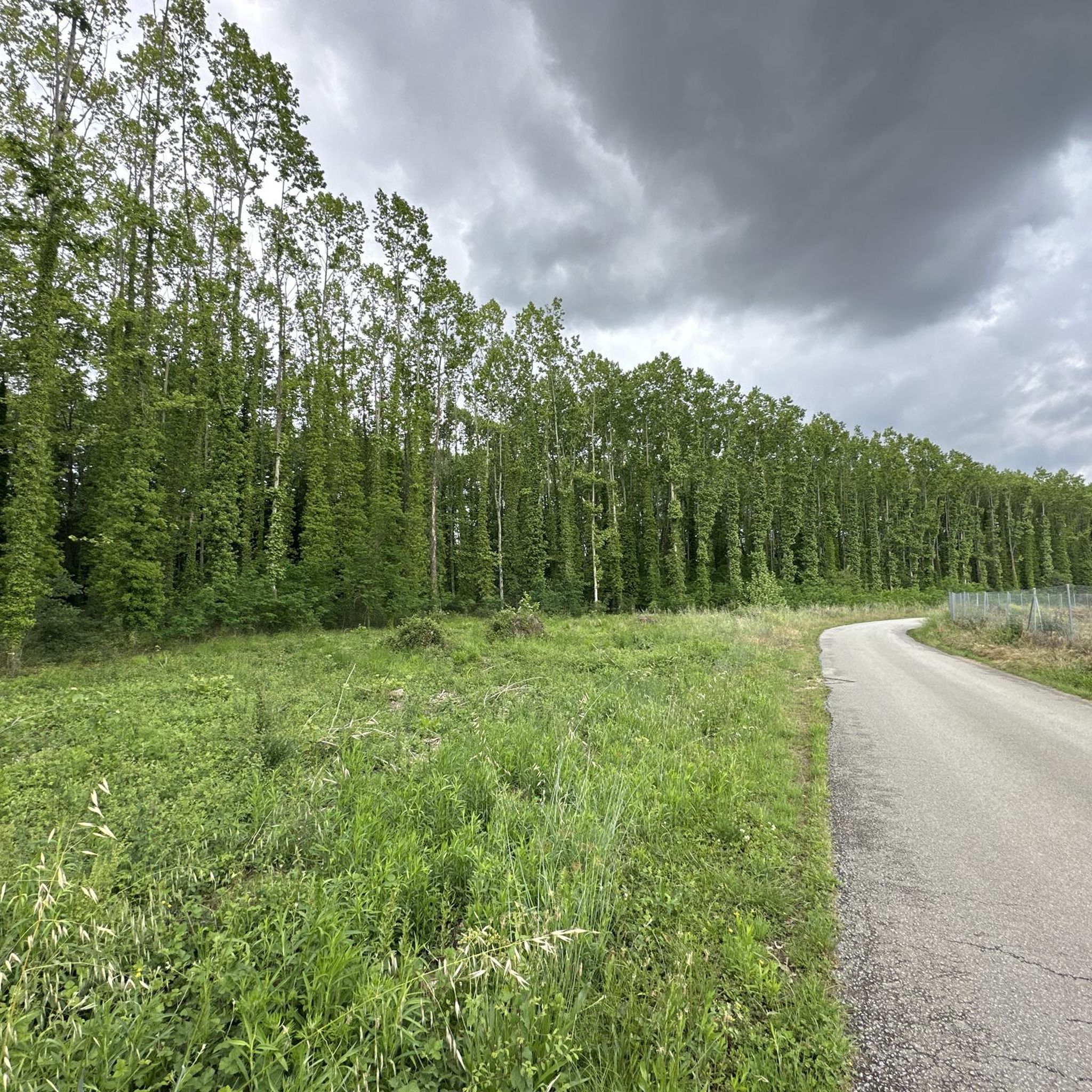
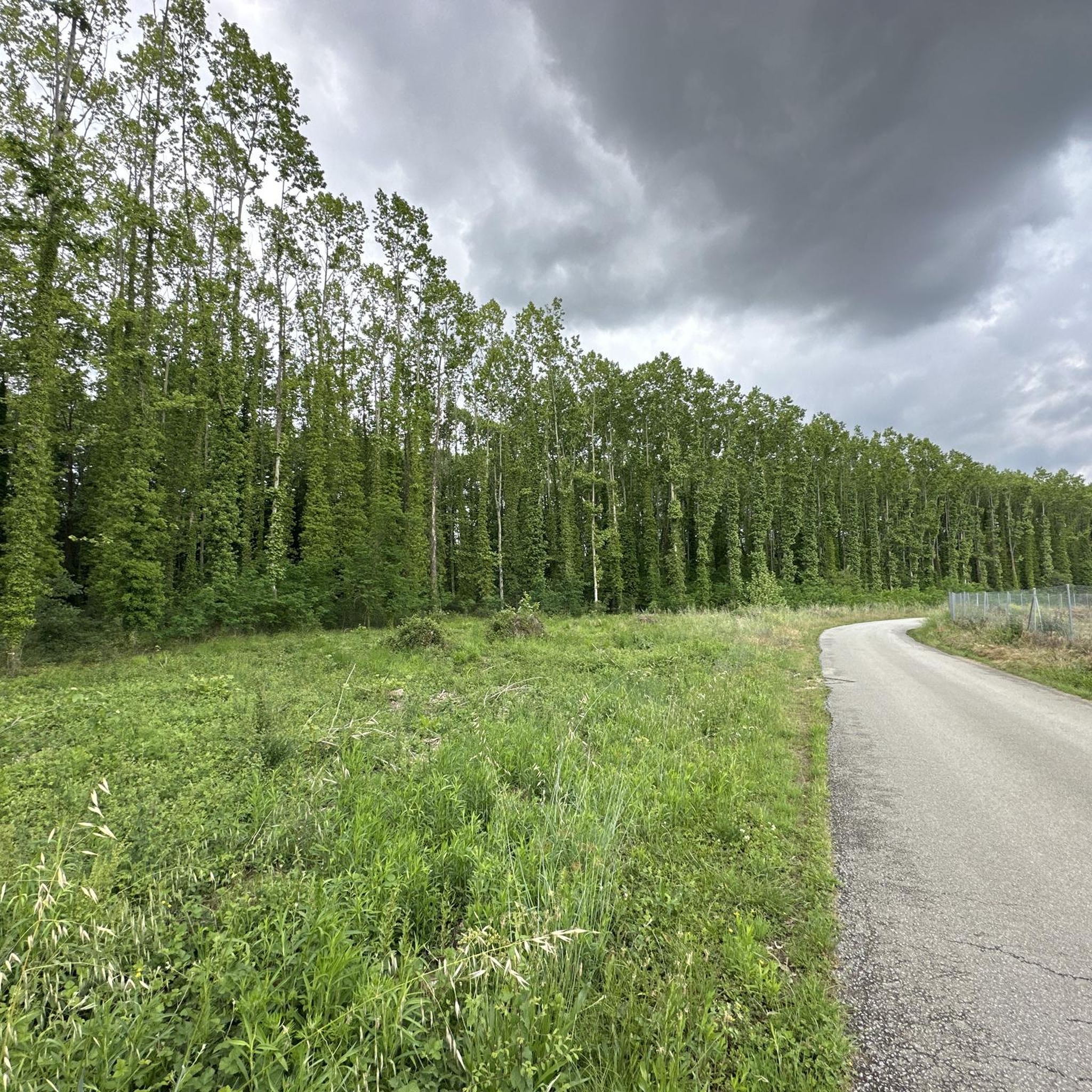
Expansion, restoration, and maintenance work are currently underway. This is a great area for walking or cycling. Mosquito repellent is recommended, as this is a wet area.
0
0
After the restoration process of this space where sand and gravel were extracted... this large hole remained where the water is now stored naturally and which has formed this magnificent place that provides shelter to a good number of birds and other species. Both migratory and native.
1
0

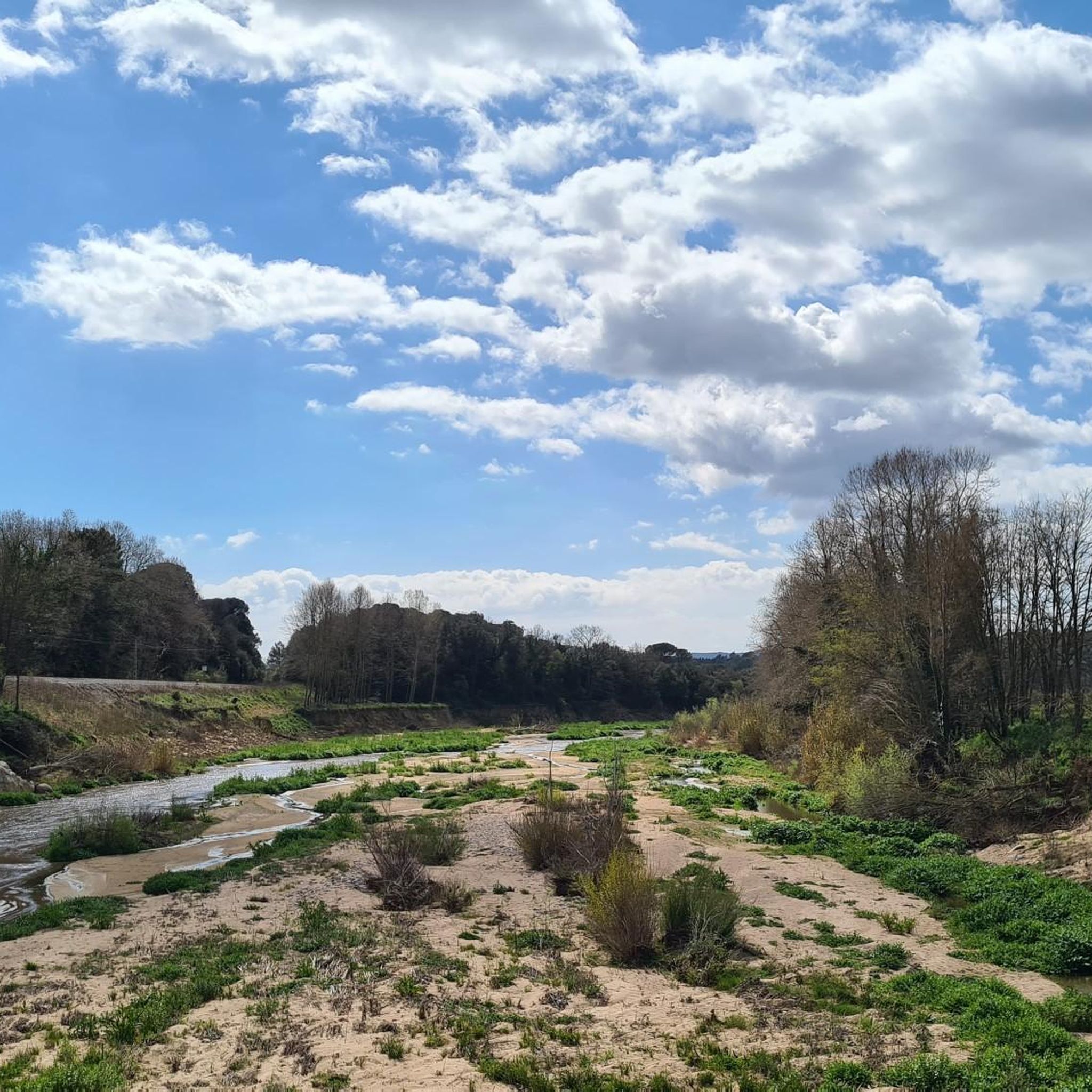
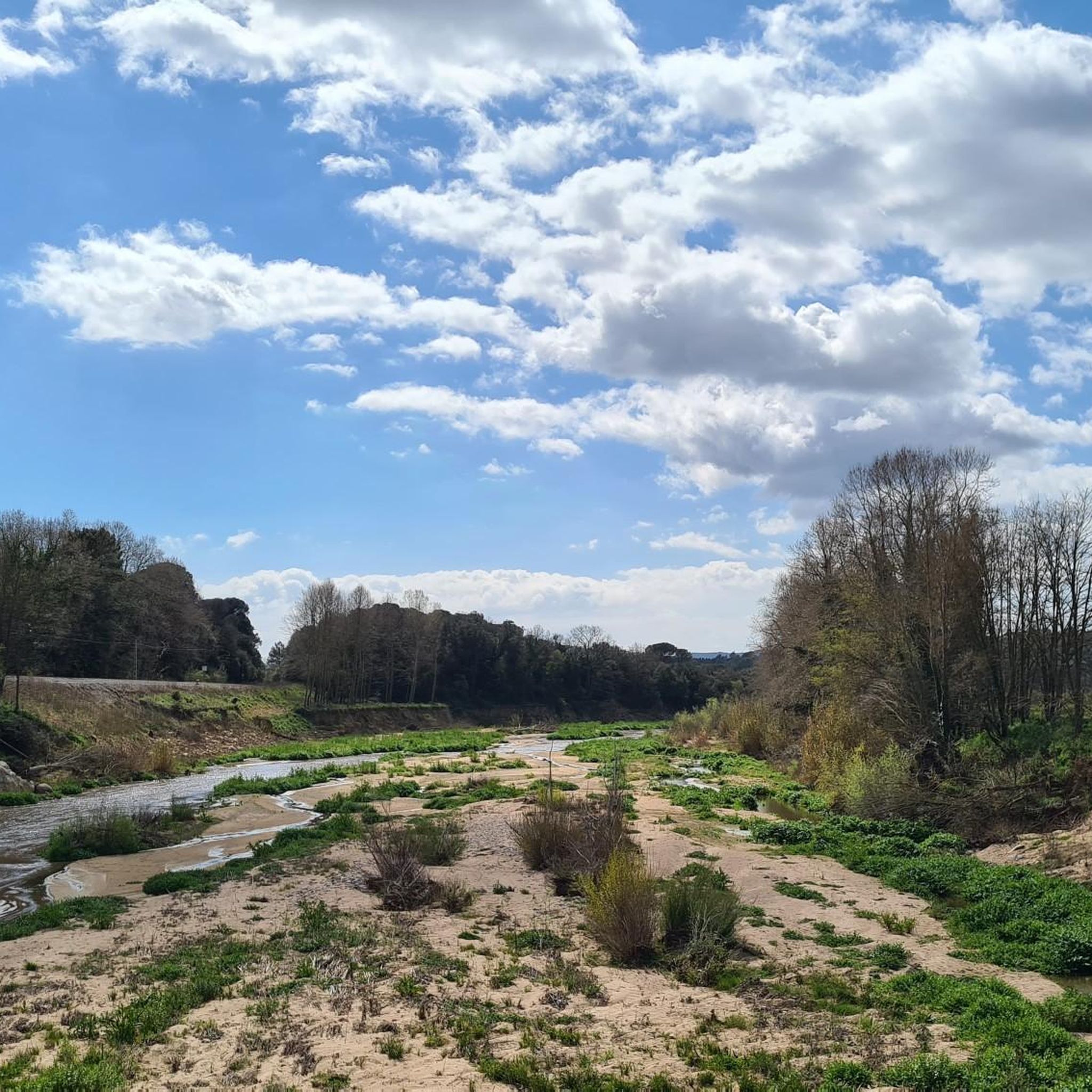
I don't know if it's because of the rains of the last few weeks, but I was surprised by the amount of water in the swamp and the stream of Fuirosos. It remains pending for the next exit to continue up, following the river. Today we turn back to go to Santa Maria del Montnegre.
3
0

The Pantà de Brinxa is a water reservoir located in the Riera de Fuirosos, in Catalonia, Spain. This reservoir, located 219 meters above sea level, is located in an area known as Sot de la Brinxa, also called Gorg Negre due to the dark color that the water acquires in this place. The main purpose of its construction was to guarantee the availability of water for irrigation of fields and meadows in the valley. This project was carried out by the owners of can Riera, who also built other reservoirs in the area, such as Crous, can Riera and can Torres. Furthermore, the Pantà de la Brinxa is located near the Montnegre i el Corredor Natural Park, in the Vallès Oriental region, a region that stands out for its scenic value and its wooded environment, rich in holm oaks, cork oaks, chestnut trees, among others. .
4
0

Area of wetlands that had been dried up in the last century and have now recovered as they are an incredible green area!
0
0
Set of ponds and small dams that are located near the town of Vidreres and that also offer paths with cool areas for walking.
0
0

Sils is a Spanish municipality in the La Selva region, in the province of Gerona, Catalonia, located in an area largely occupied by the old Lake Sils, which dried up in the 19th century. https://es.m.wikipedia.org/wiki/Sils
18
0
The restoration of an old sand and gravel extraction site allowed the creation of this wetland, where you can observe a large number of birds and other living species that find a perfect refuge here.... Because it is a wide and flat track, it is also perfect for walking 👣 or cycling 🚲 for all audiences.
5
0
Frequently Asked Questions
What are the main natural water features in Fogars de la Selva?
While Fogars de la Selva doesn't have large natural lakes, it is characterized by its rich natural heritage of forests and river systems. The most notable local feature is the Riera de Fogars and its natural pools, which offer serene environments for relaxation. The area also features wetlands like Les Llobateres Bird Observatory and Estanys de Sils, which are important for local flora and fauna.
Are there family-friendly water features or lakes around Fogars de la Selva?
Yes, several water features are suitable for families. The natural pools along the Riera de Fogars are ideal for family walks and enjoyment during summer. Additionally, Les Llobateres Bird Observatory and Estanys de Sils are wetlands that offer easy tracks perfect for walking or cycling with all ages, and opportunities for wildlife observation.
What kind of wildlife can I observe around the water features?
The wetlands and natural pools around Fogars de la Selva are rich in biodiversity. At Les Llobateres Bird Observatory, you can spot various water birds like mallard ducks, kingfishers, coots, and moorhens. The area also provides shelter for amphibians, insects, and other native species, making it an excellent spot for nature enthusiasts.
When is the best time to visit the lakes and water features in the region?
The natural pools along the Riera de Fogars are particularly enjoyable during the summer months for walks and relaxation. For birdwatching at wetlands like Les Llobateres Bird Observatory, spring and autumn can be excellent for migratory species, though many resident birds are present year-round. Generally, the mild climate of Catalonia makes the region's water bodies accessible for outdoor activities for much of the year.
Are there accessible water features for visitors with mobility needs?
Yes, Les Llobateres Bird Observatory is noted as wheelchair accessible. Its wide and flat tracks make it suitable for visitors with mobility needs, allowing everyone to enjoy the natural environment and observe wildlife.
What outdoor activities can I do near these lakes and water features?
The area around Fogars de la Selva and its water features offers various outdoor activities. You can enjoy walking, cycling, and birdwatching at wetlands like Les Llobateres Bird Observatory and Estanys de Sils. For more extensive adventures, you can explore nearby hiking trails, running routes, or gravel biking paths that often pass through scenic natural areas.
What is the significance of Estanys de Sils?
Estanys de Sils is a historically significant wetland that represents the last vestige of what was once the largest natural lake in Catalonia. Although it was drained in the 19th century, restoration efforts have brought it back as an important habitat for aquatic flora and fauna, making it a valuable ecological site for walking and cycling.
Are there any reservoirs in the immediate vicinity of Fogars de la Selva?
Yes, the Brinxa Reservoir is located in the Riera de Fuirosos, near Fogars de la Selva. Its primary purpose is to guarantee water availability for irrigation, and it is situated close to the Montnegre i el Corredor Natural Park, offering scenic views within a wooded environment.
What are some notable lakes in the broader Catalonia region that are accessible from Fogars de la Selva?
For those willing to venture further, Catalonia offers several significant lakes. Lake Banyoles is the largest natural lake in Catalonia, popular for aquatic sports and bathing. The Pantà de Sau reservoir is known for its stunning viewpoints and the partially submerged Sant Romà de Sau church. Other options include the Sant Antoni Reservoir and Terradets Reservoir, both excellent for water sports and hiking.
Can I find hiking trails that incorporate these water features?
Yes, many local routes are designed to showcase the natural beauty of the area, including its water features. For instance, the wetlands like Les Llobateres Bird Observatory and Estanys de Sils have flat tracks suitable for walking and cycling. You can find various hiking trails around Fogars De La Selva that explore the region's forests and river systems.
What makes the region of La Selva unique regarding its water bodies?
The region of La Selva, where Fogars de la Selva is located, is often referred to as the 'Water District' due to its abundance of springs, rivers, and thermal waters. This rich hydrological network, including streams, natural pools, and wetlands, contributes significantly to the area's natural beauty and ecological importance, even without many large natural lakes directly within Fogars de la Selva itself.
Are there any historical aspects related to the lakes in the area?
Yes, Estanys de Sils has a notable history. It was once the largest natural lake in Catalonia but was drained in the 19th century for agriculture and due to fears of disease. Its current state as a restored wetland highlights a significant ecological and historical transformation, showcasing how human activity has shaped the landscape over centuries.
Most popular routes around Fogars De La Selva
Most popular attractions around Fogars De La Selva

Get inspired with the komoot mobile app


