Top 4 Caves around Otívar
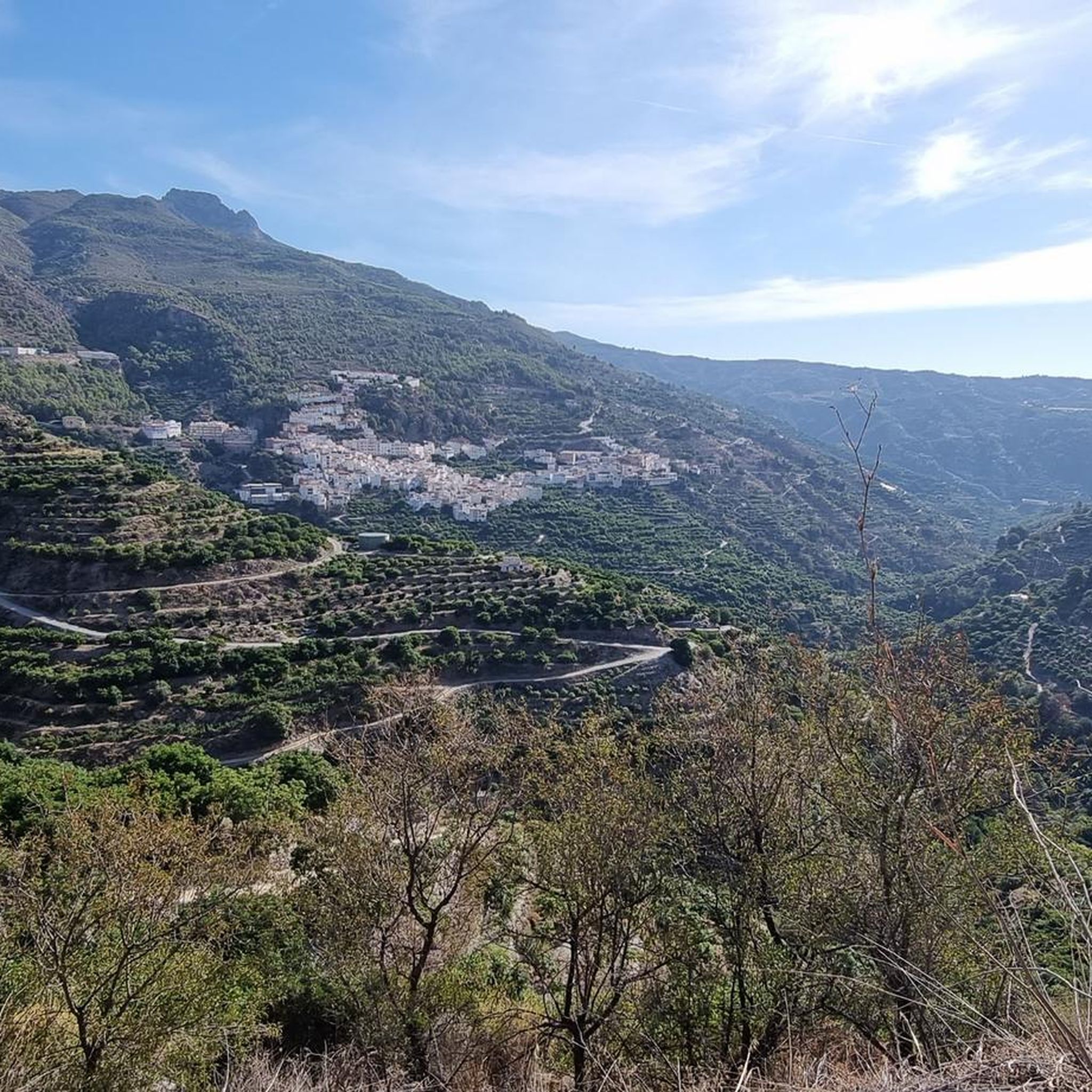
Caves around Otívar are found within a municipality known for its rugged hillsides, steep slopes, and the prominent Río Verde valley. This region offers a landscape rich in natural beauty and geological formations. The area's primary draw for cave enthusiasts centers around the Río Verde and its surrounding natural environment. Visitors can explore diverse terrain for hiking, with caves providing an additional element of natural wonder.
Best caves around Otívar
- The most popular caves is Nerja Cave, a cave…
Last updated: May 22, 2026
Nerja Cave
Highlight • Cave
Translated by Google •
Tip by

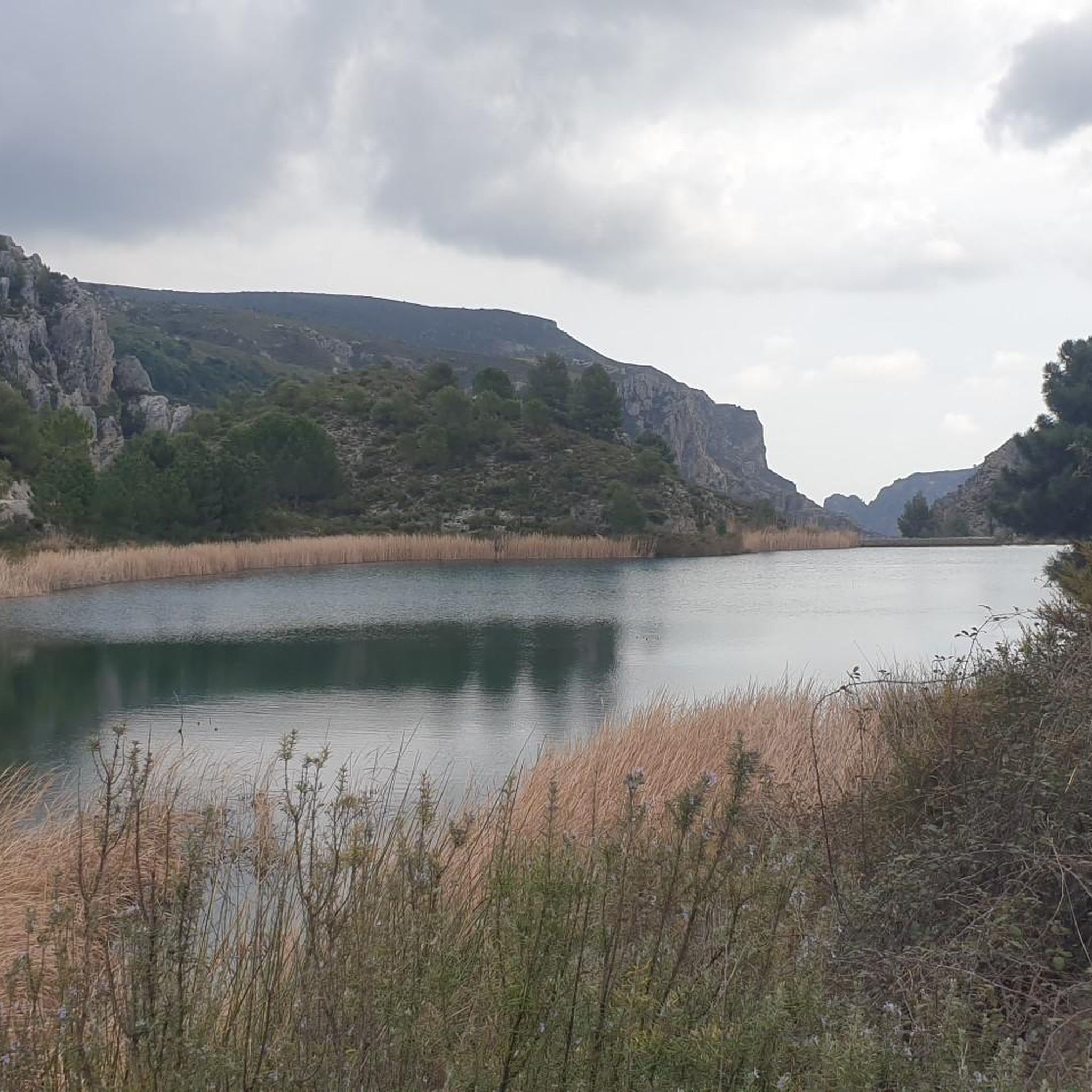
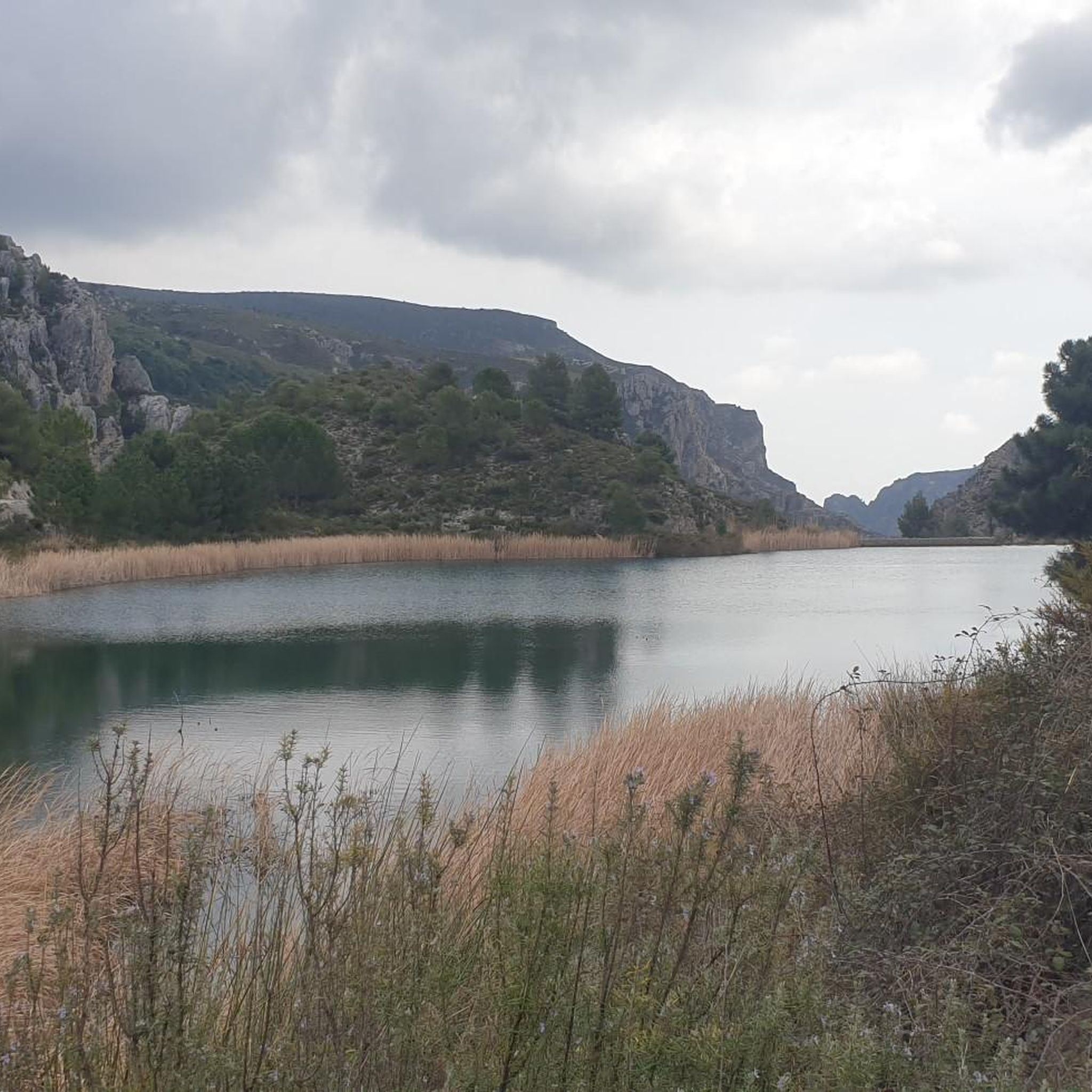
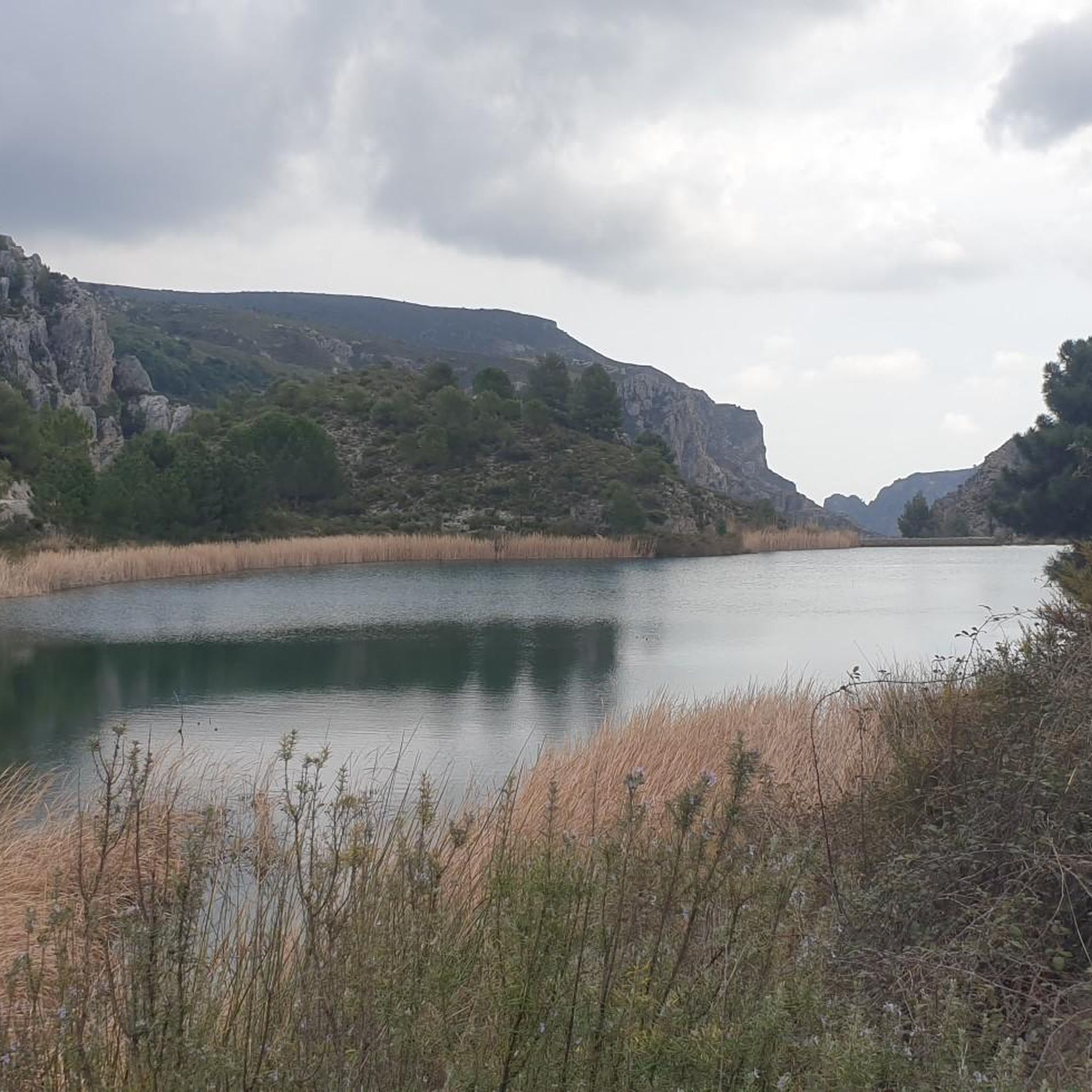
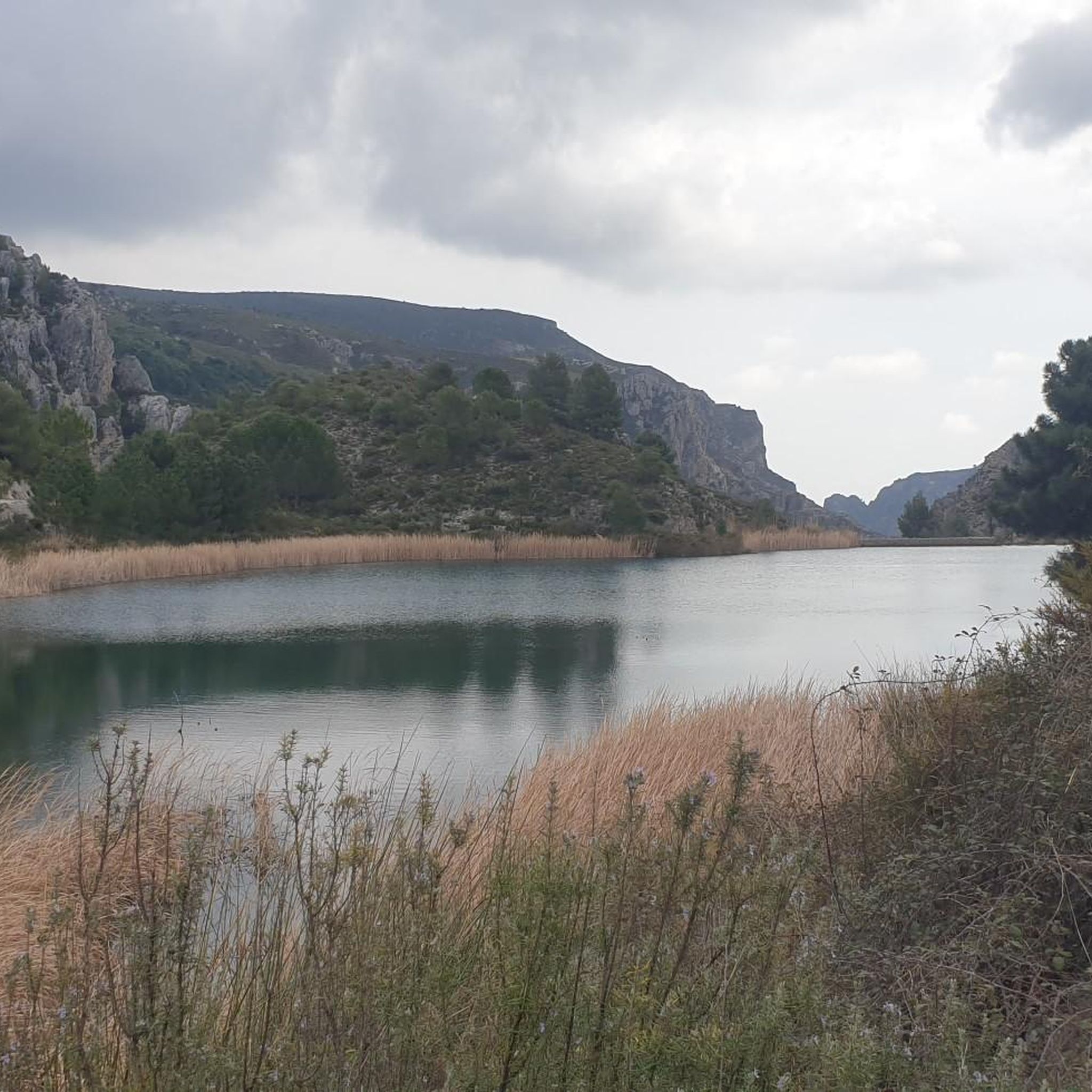
Barranco de la Coladilla Caves
Highlight • Cave
Translated by Google •
Tip by

Sign up now to discover places like this
Get recommendations on the best single tracks, peaks, & plenty of other exciting outdoor places.
Sign up for free
Trail Entrance to the Caves of Salobreña
Highlight • Trail
Translated by Google •
Tip by

Cueva de Funes
Highlight • Cave
Translated by Google •
Tip by

Start today with a free account
Your next adventure awaits.
Login or Signup

Tips from the Community

Amazing what five boys found in 1959. The Great Hall was found a little later after they dared to venture further inside. For an entrance fee of €18, you get to see a very impressive cave. Additionally, an audio guide, but some don't know how to use it properly - they move around the cave with their phones at full volume.
2
0

Sturdy footwear is highly recommended.
1
0

The caves were discovered by chance in 1959 by a group of five young people and are now one of the most famous sights in the region. The Cuevas de Nerja are a perfect combination of natural wonders and cultural history and are one of the most important attractions in Andalusia. For a special experience, we recommend a guided tour, which also offers deeper insights into the lesser-known areas of the caves.
12
0

The Nerja Cave (Spanish: Cueva de Nerja) is a stalactite cave in Spain that was discovered by chance in January 1959. It consists of a series of cave galleries that extend over a length of almost 5 km. It is located near the town of Nerja in the Spanish province of Málaga. It was declared a protected cultural asset in 2006 and is therefore part of Spain's historical heritage. Thanks to the numerous finds of human remains and evidence of burial rites, Nerja is important for research into the prehistoric population of Andalusia. Source and further information https://de.m.wikipedia.org/wiki/H%C3%B6hlen_von_Nerja
4
1

Beautiful walk up the ravine, although a little tricky in some places with a small bit of scrambling involved.
1
0

A tourist train runs between Nerja and the Nerja Cave. It is possible to purchase a combination ticket for the train, the cave and the museum, so you can easily visit both without having to worry about parking, especially in high season. The cost is just €28.50 including the tourist train, cave, museum and VR virtual reality film of 12 minutes. Is recommended 😁😌🔝
4
1
This time we introduce you to the Cueva de Nerja, a huge cave also called the “natural cathedral of the Costa del Sol” located just 750 meters from the coast of Nerja, the easternmost municipality of the Costa del Sol, bordering the Province of Granada borders. Nerja Cave is known not only for its spectacular rock formations, archaeological sites and cave paintings, but also for the International Music and Dance Festival that takes place every July and August.
5
1
Good shoes and sure-footedness should also be ensured here.
2
2
Frequently Asked Questions
What are some notable caves to explore around Otívar?
The region offers a variety of caves, often integrated into hiking routes. Popular options include Nerja Cave, known for its impressive formations and historical significance. You can also explore the Barranco de la Coladilla Caves, a gorge with numerous caves and eucalyptus trees. Within the Río Verde area, Cueva de Funes is a significant stop on hikes, and the Cueva de los Árboles Petrificados is noted for its unique geological features.
What kind of natural features can I expect to see in the caves and surrounding areas?
The caves and the Río Verde valley are rich in natural beauty. You'll find impressive geological formations like huge stalactites in Nerja Cave, and potentially petrified wood structures in the Cueva de los Árboles Petrificados. The surrounding landscape features rugged hillsides, lush vegetation, waterfalls, and natural jacuzzis, all fed by the clear, emerald-green waters of the Río Verde.
Are there family-friendly caves to visit near Otívar?
Yes, Nerja Cave is considered family-friendly. It offers a combination of natural wonders and cultural history, with guided tours available to enhance the experience for all ages.
What is the typical difficulty level for exploring caves around Otívar?
The difficulty varies depending on the specific cave and route. Some areas, like parts of the Barranco de la Coladilla Caves, involve scrambling and can be tricky. Other trails, such as the Trail Entrance to the Caves of Salobreña, require sturdy footwear and sure-footedness due to overgrown sections. Many caves are part of intermediate hiking routes.
What outdoor activities can I do near the caves in Otívar?
The region is ideal for various outdoor activities. Hiking is very popular, with trails leading to many caves and through the scenic Río Verde valley. You can find numerous hiking routes in the area, such as those detailed in the Hiking around Otívar guide. Cycling and road cycling are also popular, with routes like those found in the Cycling around Otívar guide.
Are there specific hiking trails that lead to caves?
Yes, many caves are integrated into hiking routes. For example, Cueva de Funes is a notable stop along hikes in the Río Verde area. The Trail Entrance to the Caves of Salobreña is itself a trail leading to caves. The Hiking around Otívar guide offers routes like 'Sendero del Río Verde en Otívar – Barranco de las Chortales' and 'View of the Sierra de Almijara – Cueva de Funes Reservoir loop'.
What is the historical significance of the caves in this region?
The Nerja Cave holds significant historical value. It was discovered by chance in 1959 and contains prehistoric findings, including stone tools, bones, paintings, and ceramics, making it an important archaeological site.
What do visitors enjoy most about the caves around Otívar?
Visitors appreciate the combination of natural wonders and outdoor adventure. The impressive geological formations, the opportunity for exploration, and the integration of caves into stunning hiking routes through the Río Verde valley are frequently highlighted. The clear waters, waterfalls, and lush scenery also contribute to a memorable experience.
Are there any caves known for unique geological formations, like petrified trees?
Yes, the Cueva de los Árboles Petrificados, located within the Río Verde area, is specifically named for its unique geological formations, likely involving petrified wood or tree-like structures within the cave. This offers a distinct natural wonder alongside the surrounding waterfalls and natural pools.
What should I wear when exploring caves and trails in the Otívar area?
Sturdy footwear is highly recommended, especially for trails that can be overgrown or involve scrambling, such as the Trail Entrance to the Caves of Salobreña or the Barranco de la Coladilla Caves. Layered clothing is advisable to adapt to temperature changes inside caves and varying weather conditions outdoors.
Can I find less crowded cave experiences near Otívar?
While Nerja Cave is a famous and popular attraction, many other caves in the Río Verde valley, such as Cueva de Funes or the Cueva de los Árboles Petrificados, are often part of hiking routes and offer a more natural, less-developed caving experience as part of a larger outdoor adventure.
Most popular attractions around Otívar

Get inspired with the komoot mobile app


Explore more
Extend your search for the best caves by checking out these guides of the top ones around Otívar:
